









Sewerage & underground infrastructure
A complete solution for rainwater reuse in urban areas
Text Niels Rouvrois / ACO Beeld ACO
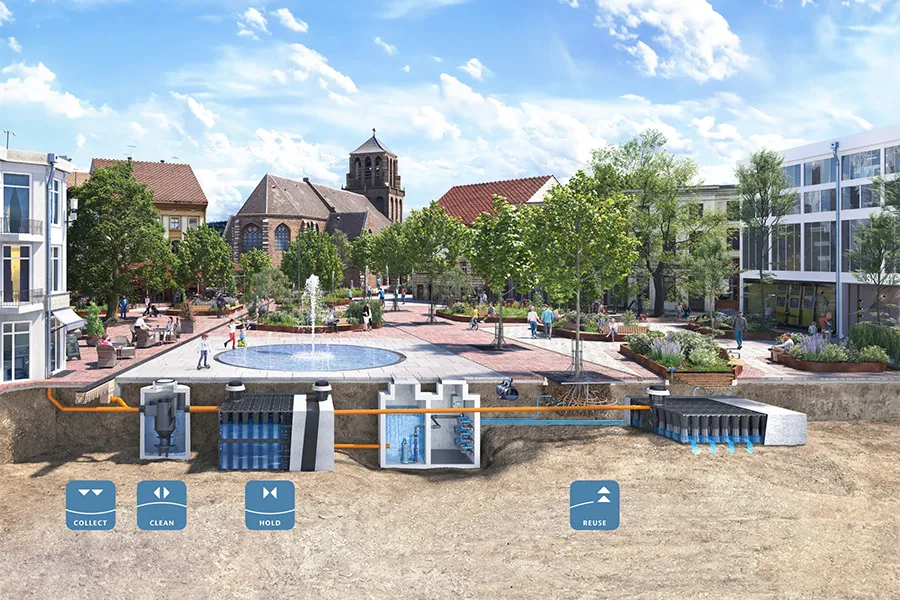
With ACO Green City, ACO has developed a chain for rainwater collection, pre-treatment, storage, reuse and infiltration. ACO’s smart water management system collects rainwater and treats it for reuse or infiltration into the ground. This not only saves water and is therefore environmentally friendly, it also cuts costs. This proved convincing enough for the Dutch municipality of Raalte, where the town centre was redeveloped and, together with ACO, water management on the squares was also addressed.
In recent decades, green spaces have often been bordered with concrete and natural stone. Polluted rainwater ran against these borders and was carried away through channels or gullies into the sewer system, eventually reaching the city’s water treatment plant. The new rainwater regulation of October 2023 requires us to retain rainwater locally, reuse it and allow it to infiltrate. Greening cities is intended to direct rainwater straight to green spaces, but rainwater falling on a paved surface is always polluted. This polluted rainwater contains heavy metals from brake and tyre wear, hydrocarbons and deposited exhaust fumes. Even in quieter streets and on squares, however, litter such as cigarette butts, plastics, food waste and faeces can be found …
ACO Green City offers the ideal solution. “With ACO Green City, we collect rainwater, treat it, retain it and return it to nature,” says Dries Aerts, product manager at ACO. “We do this by watering trees, flower beds and parks and allowing the water to infiltrate on site. This gives green spaces the chance to grow and fulfil their function in the city.”
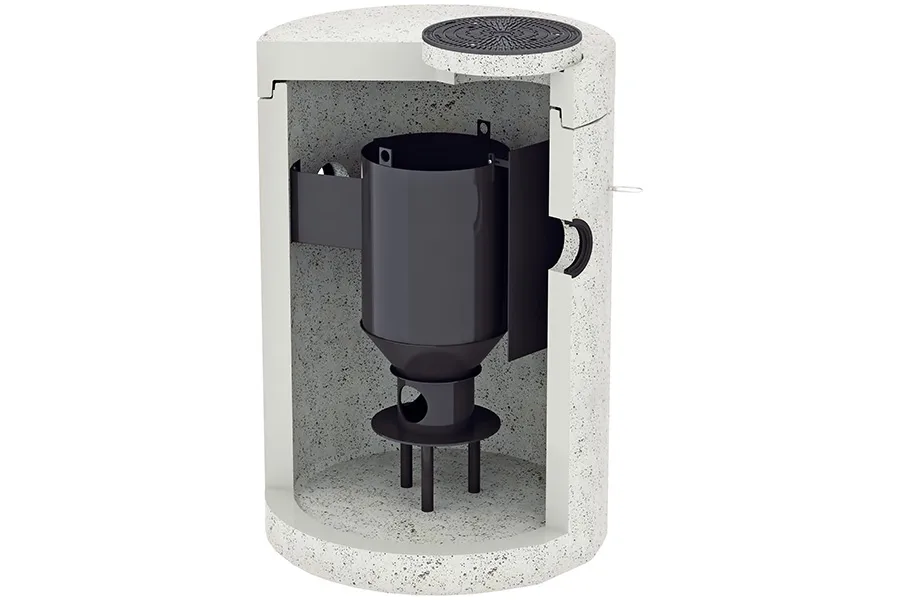
Treating polluted rainwater
IAA Architecten and ACO joined forces to create the smart water management system for the squares in Raalte. A uniquely designed corten steel grate, featuring an ear of wheat as a symbol of Raalte, runs through the centre of the square. It highlights the importance of water in public spaces and playfully delineates different areas of the squares. Smart water management is central to the design. Rainwater is first collected at a higher level and then treated. The green areas are equipped with smart sensors, which ensure that the plants receive water when they need it during dry periods. When the soil reaches a certain level of dryness and no rain is forecast for the next 24 hours, rainwater is used to water the plants automatically.
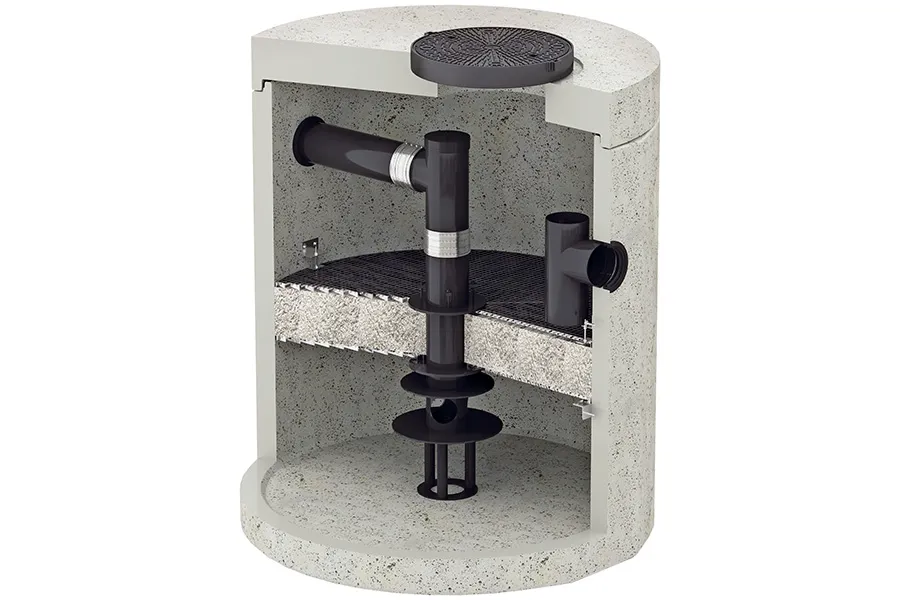
If polluted rainwater is not treated first, all these substances end up in green spaces. As a result, trees cannot grow and become diseased. The soil around green spaces becomes polluted and compacted, causing soil micro-organisms and vegetation to die off. If rainwater is not treated, polluted soil will also have to be excavated. This task comes at enormous cost, as does remediating the contaminated soil. Infiltration gullies, crates, pits and swales will become clogged and lose their function. Swales that also serve as play areas pose a major risk to our children, who come into contact with this pollution.

The right solution for every site
ACO offers the right treatment solution for every site and can also provide advice. “After rainwater has been collected, treated and stored, the treated water is reused,” says Chris Beeren, product expert at ACO. “The square or street is divided into different green zones. Each zone is linked to a smart sensor that measures soil moisture. When a sensor indicates that plants or trees need water, an app checks whether rain is forecast within 4 hours and whether enough rain is expected. If rain is on the way, nothing happens. If not, the system supplies water only to the zone concerned. This keeps green spaces green, even during long periods of drought (in Belgium, we have an average of 20 consecutive days without rainfall per year).”
Return on investment
Cities and municipalities thus save on water use and staffing costs. They no longer have to send crews out 25 to 30 times a year to water green spaces. The dashboard developed by ACO provides information on rainwater consumption, the amount of rainwater stored in the storage basin, CO² and cost savings …
Een zakelijke vraag aan ACO? Get in touch
Companies in this story
Keep following this
Get an email when a new story is published. No account needed.
- ThemeSpace for water and green infrastructure
- SubjectSewerage & underground infrastructure
- CompanyACO







