Minister Peeters: “By 2025, only LED lighting on our regional roads”
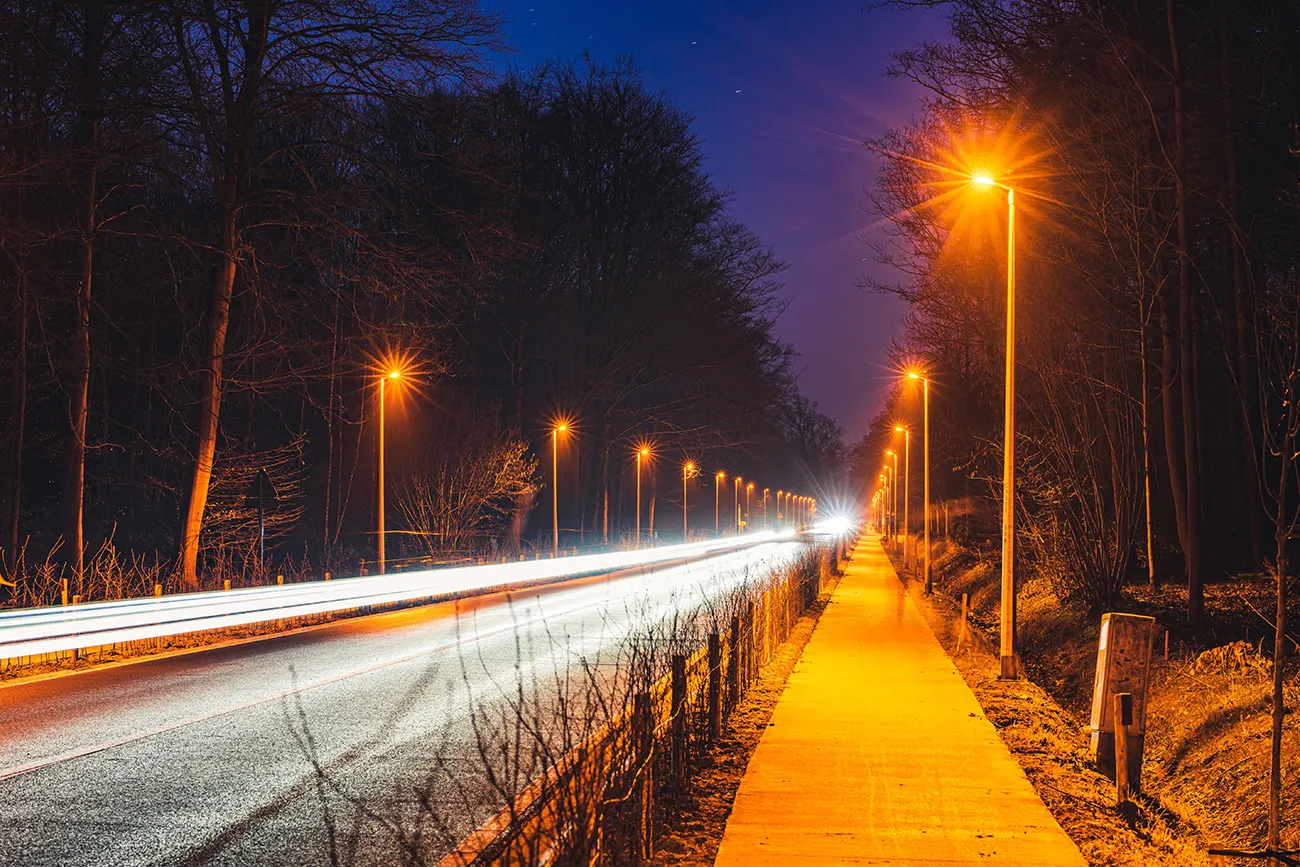
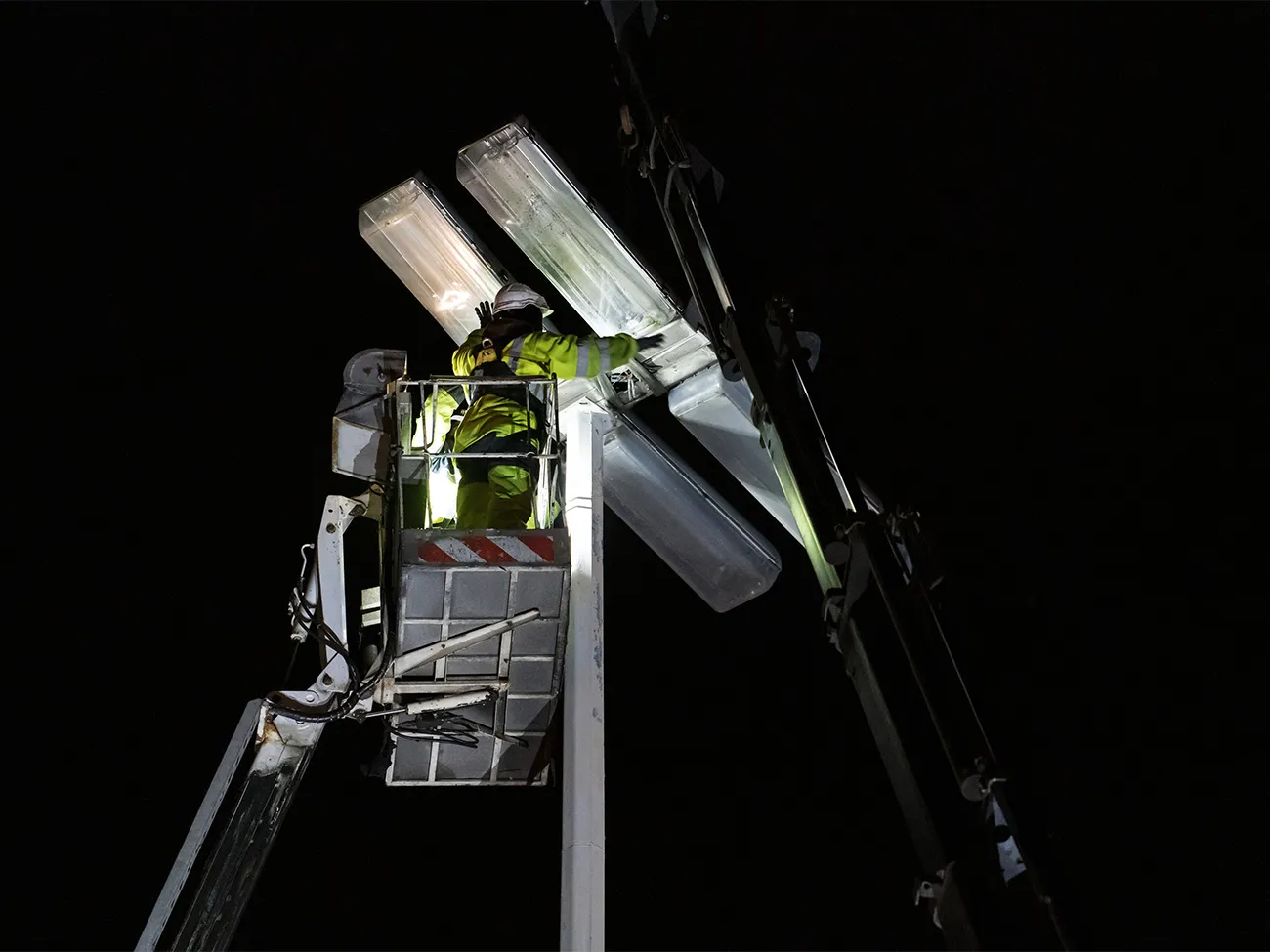
In the coming years, Agentschap Wegen en Verkeer (AWV) will convert all lighting along regional roads to LED. This morning in Dilsen-Stokkem, Flemish Minister for Public Works and Mobility Lydia Peeters officially launched the conversion by replacing an old gas-discharge lamp with a new LED light, one of the 78,000 units that will all be LED-powered by 2025.
With the conversion, Minister Peeters is aiming to cut energy consumption on regional roads by around 35%, saving approximately 17.5 GWh a year. This represents a 16% reduction in AWV’s total energy consumption compared with 2021. The overall energy saving is equivalent to the annual energy use of around 5,000 households. The investment totals €84.5 million and is part of the Vlaamse Veerkracht recovery plan.
Limburg first
Around 20% of the lighting on regional roads has currently been converted to LED. The large-scale LED conversion will mean that, by 2025, only LED lights will be in use on regional roads. Limburg is the first province to start, with works in Flemish Brabant due to begin shortly. AWV aims to be up to speed in the other provinces by the end of this year.
All new lighting units installed as part of the replacement programme will be fitted with a remote monitoring and control module. “This allows lighting levels to be adjusted locally to suit weather and traffic conditions,” confirms Minister Peeters. “Safety always comes first. Unlike motorways, our regional roads are used by pedestrians and cyclists. We must continue to ensure they are visible. But the principle for our regional roads is essentially the same as on motorways: switch off where possible, light where necessary.”
Regional roads
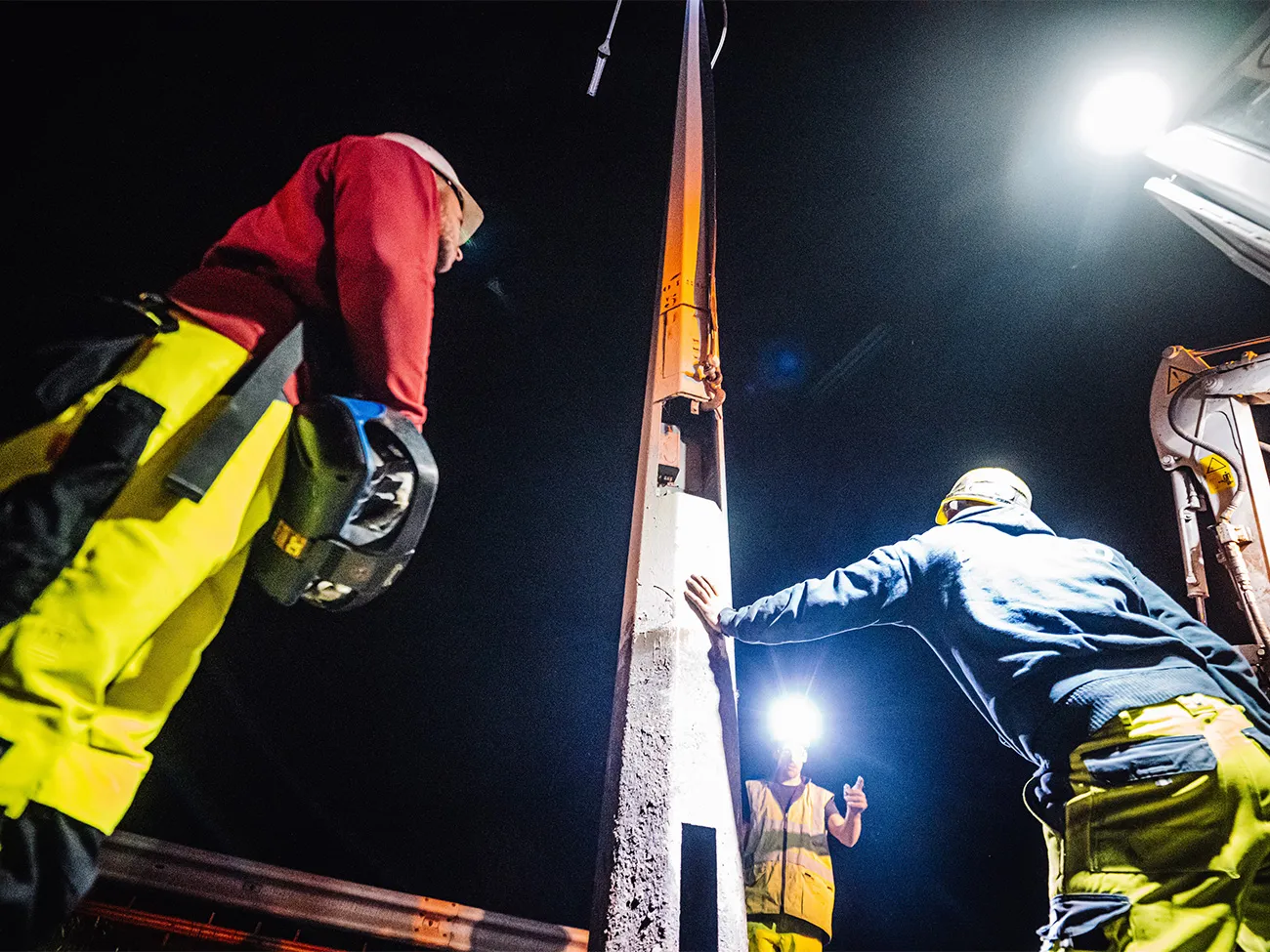
Minister Peeters says lighting must always remain on along regional roads at roundabouts, traffic lights, slip roads and grade-separated junctions, as well as at locations where traffic needs to make a lot of manoeuvres. Lights must also stay on in built-up areas and places with dense development, on stretches with a succession of pronounced bends, in tunnels and underpasses, and at roadworks.
Individually controlled
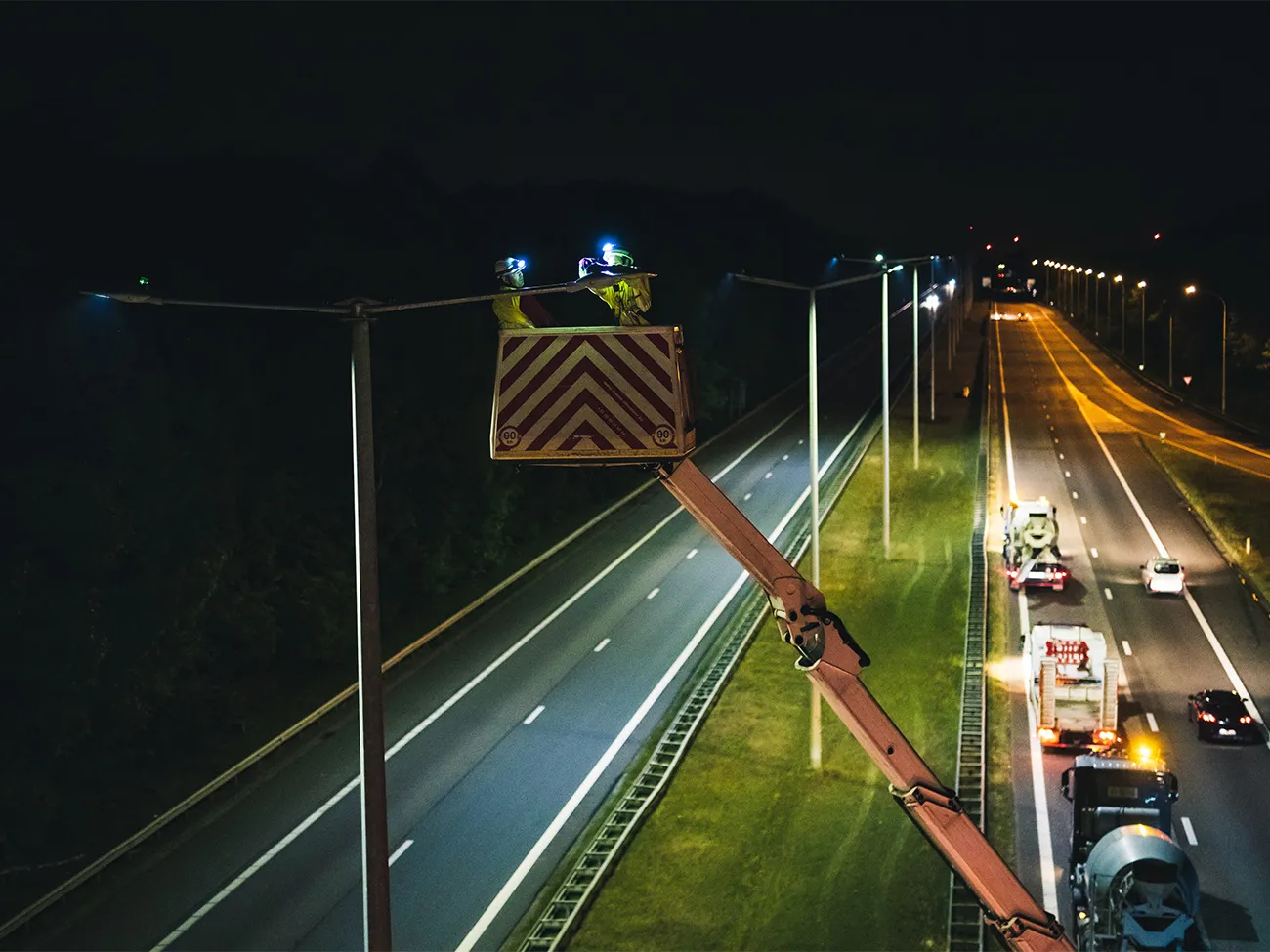
At present, almost all lighting on regional roads stays on throughout the night. After the conversion, each light will be individually controlled, so the choice will no longer be simply between on and off: lights can also be dimmed. Earlier this month, the minister also announced that motorway lighting would be converted by 2027.
Question about this story? Ask your question
Keep following this
Get an email when a new story is published. No account needed.
- ThemeFuture-proofing roads and railways
- SubjectPublic space