Infrastructure with biodiversity in mind: from loss to gain
Text Joris Hendrickx Beeld Sweco Belgium
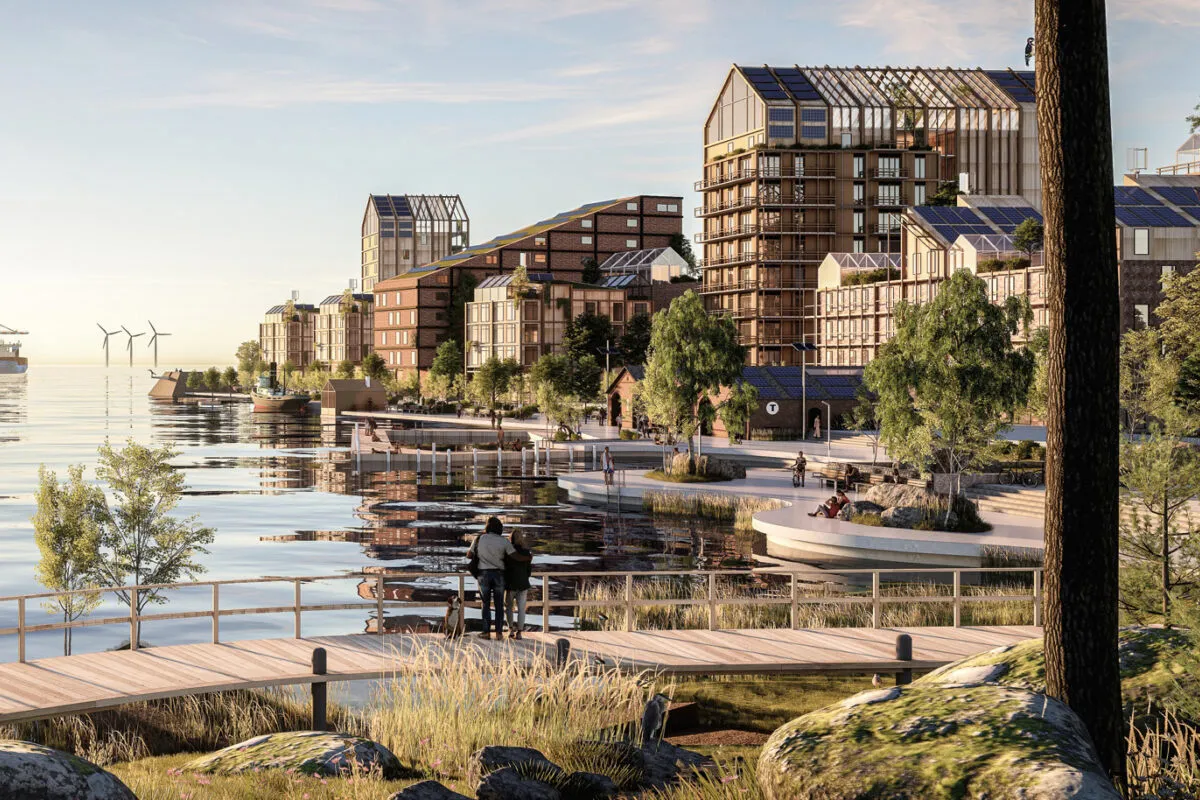
Infrastructure projects help shape how nature develops. Roads, railways and other infrastructure can fragment ecosystems, but they can also strengthen them. Sweco’s latest Urban Insight report, ‘From loss to gain’, shows how infrastructure can become a lever for biodiversity when nature is embedded in every project from the outset.
Europe is facing a huge wave of investment in infrastructure. According to the report, around €9 trillion will be needed between 2025 and 2040. At this scale, the impact on biodiversity is inevitably significant. The report therefore sets out a clear choice: infrastructure must not only limit harm, but also actively contribute to nature recovery.
From avoiding harm to enhancing nature
The report is based on three guiding principles. The first is avoidance. Careful site selection and design choices can avoid disturbing sensitive habitats. If that is not possible, the next step is mitigation. This means using land, materials and energy sparingly, and minimising pollution. The final principle is enhancement. Projects can restore nature by creating new habitats, improving ecological connections and using native species.
This sequence calls for a different way of working. Biodiversity is not an afterthought, but a factor guiding decisions from the earliest design stage. The report emphasises that early choices make the biggest difference, both ecologically and economically.
Better nature data lead to better decisions
Good decisions rely on reliable knowledge. That is why the report devotes considerable attention to nature data. Traditional surveys remain important, but new techniques make the work more accurate and efficient. These include detection dogs that find rare species, drones that map hard-to-reach areas, and eDNA testing that identifies species from traces in water or soil.
Artificial intelligence also has a role to play. GeoAI helps identify valuable habitats on a large scale. Human expertise nevertheless remains crucial. Data only become valuable when ecologists interpret them correctly and translate them into nature-inclusive design choices.
Measuring to inform decisions
The report emphasises the importance of measurement. To improve biodiversity, losses and gains must be made visible. Applying the right measurement systems, and combining them where appropriate, gives designers and clients insight into where nature value lies and how interventions affect it. This enables targeted choices, avoids surprises in later stages and limits additional costs.
Case studies show what works
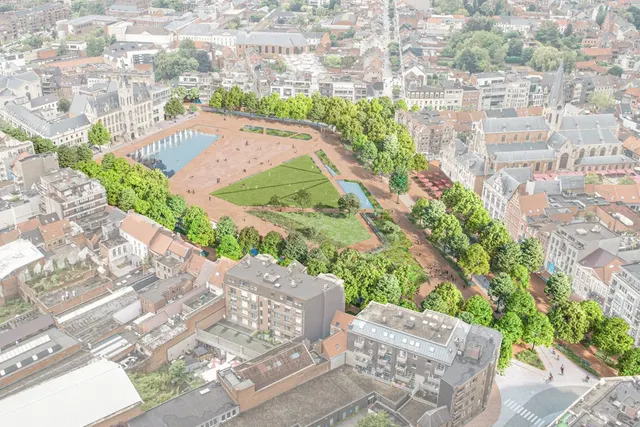
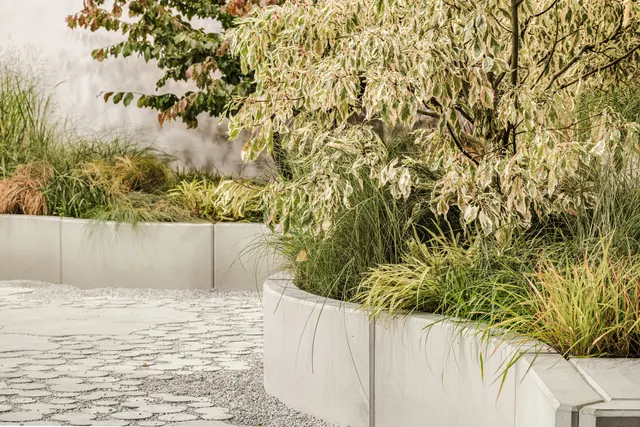
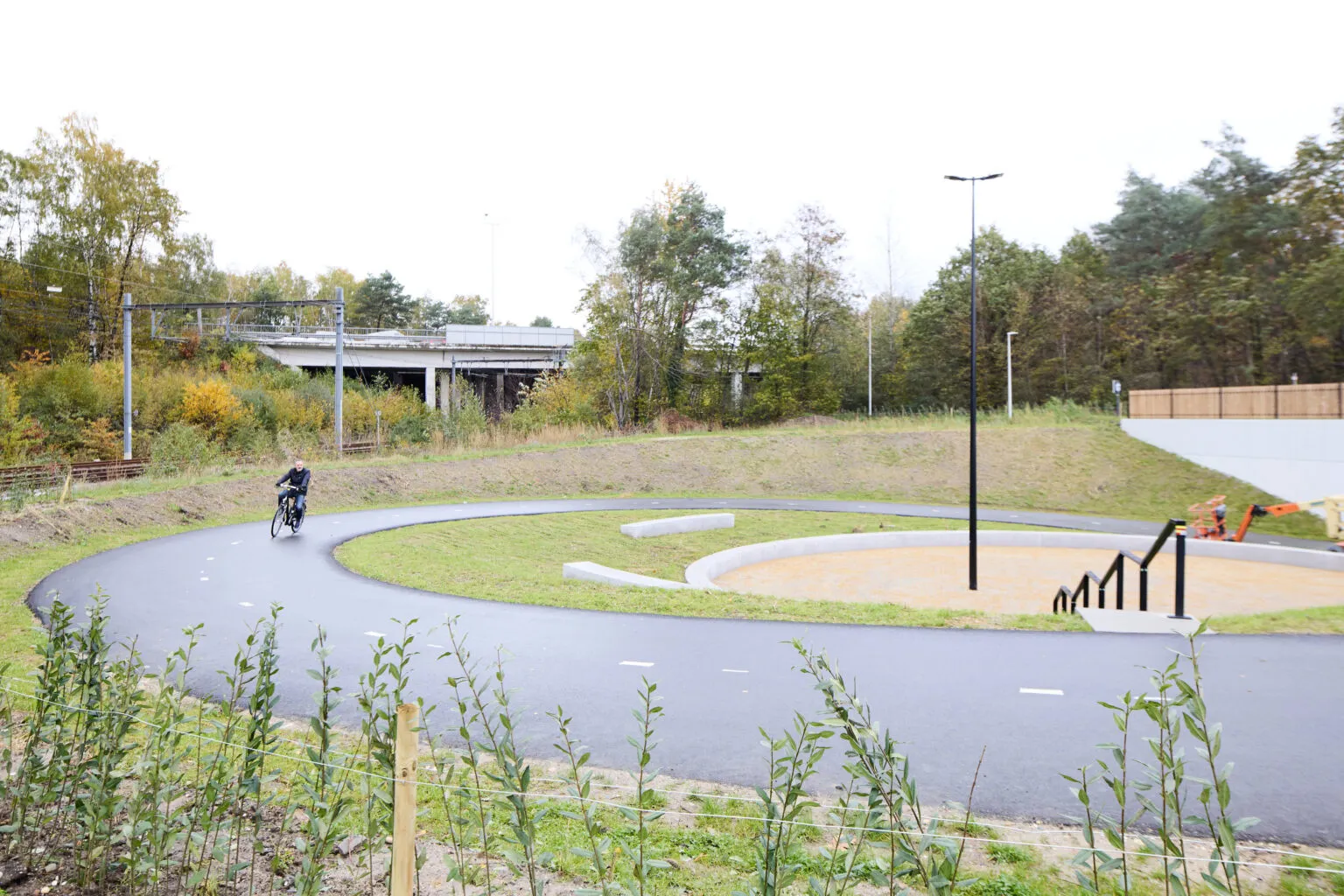
Projects across Europe show how biodiversity and infrastructure can go hand in hand. Reusing existing roads reduces land take and fragmentation. Cycle highways such as the Kolenspoor in Limburg are designed with a range of animal species in mind. Urban projects create new ecosystems. Industrial areas preserve existing bird habitats through phased development.
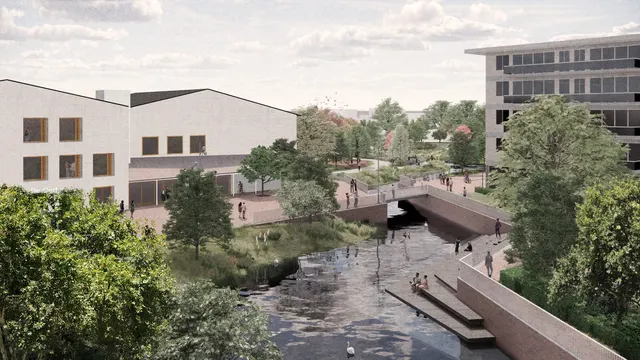
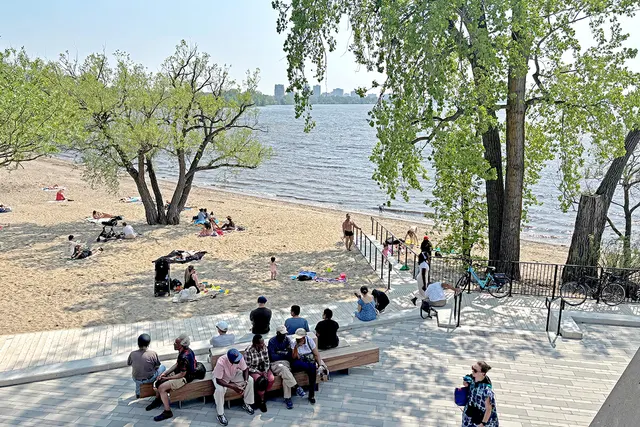
Water also plays a key role. Area developments can combine water storage, recreation and new habitats. Coastal protection measures can also enhance nature by incorporating natural shorelines and marine habitats.
Collaborate, set priorities and integrate biodiversity throughout
Biodiversity gains on a large scale are only possible when planners, ecologists, engineers, public authorities and residents work together from the outset. The report also calls for a biodiversity-first approach, in which nature is given equal weight to cost, safety and engineering. Biodiversity must be integrated at every project stage. In this way, infrastructure can once again become a means of helping nature thrive, rather than putting it under further pressure.
Question about this story? Ask your question
Keep following this
Get an email when a new story is published. No account needed.
- ThemeSpace for water and green infrastructure
- SubjectPublic space