Natural stone: sustainable, unique and future-proof
Text Kris Vandekerckhove Beeld Maris Natuursteen
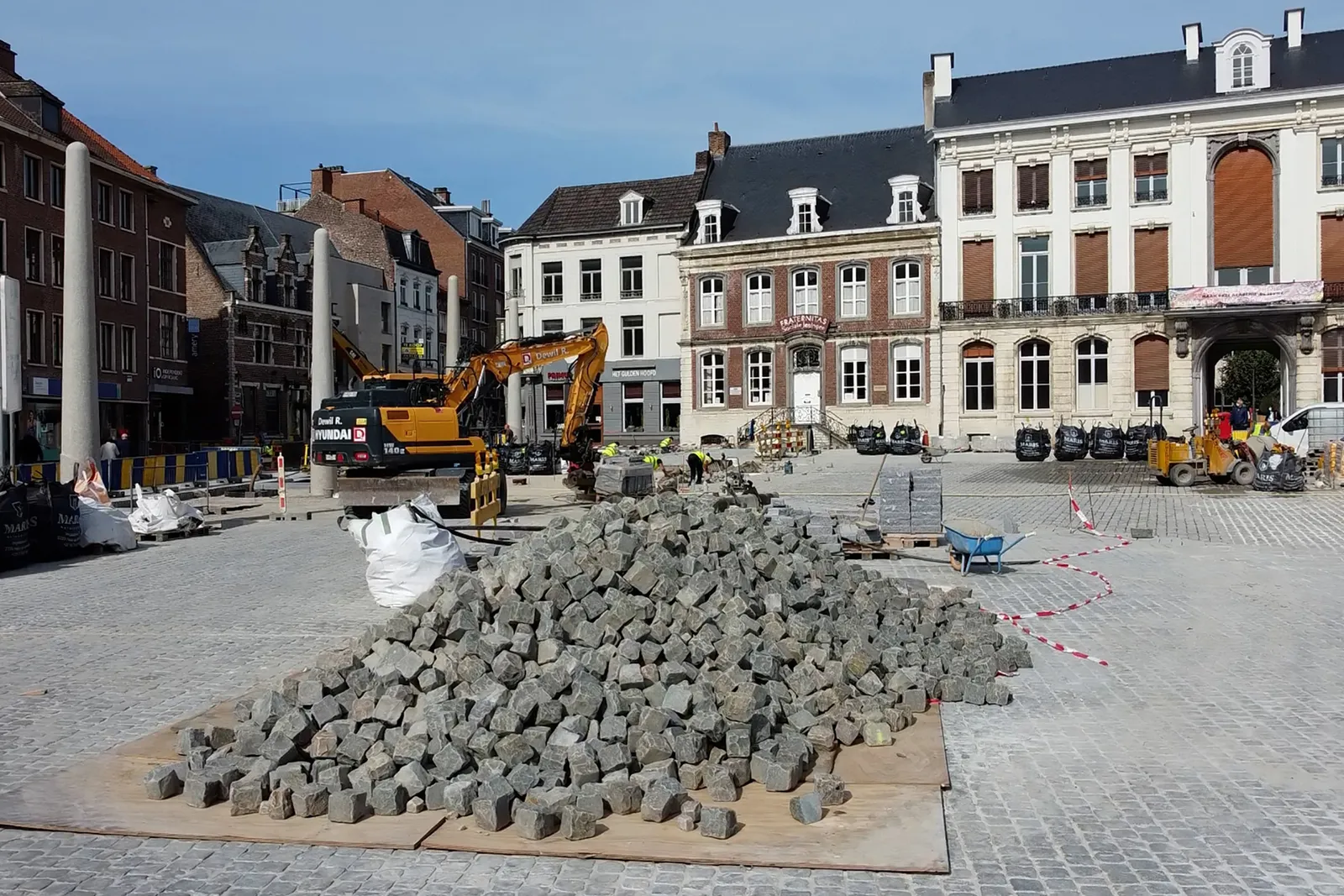
Sustainability and environmental responsibility are now central concerns, and natural stone offers the perfect solution for paving, driveways and patios. This natural material not only adds aesthetic value, but is also a powerful asset in the fight against waste and pollution. We explore the benefits of reusing and recycling natural stone, its positive impact on the environment and its versatile potential for public and private applications.
Peter Maris, managing director of Maris Natuursteen: “Natural stone has an exceptional lifespan. Whether it is used for public paving, such as streets and squares, or for private applications, such as driveways and patios, natural stone can last for decades, if not centuries, without losing its quality or appearance. This makes it a cost-effective choice for both public and private spaces.”
Natural stone gets a second life
Reusing natural stone is a crucial aspect of sustainability. During renovation or redevelopment projects, existing natural stone can be removed, cleaned and installed again. This minimises the need for new materials and reduces the project’s environmental footprint.
“One example is the reuse of old setts in new designs. This is not only sustainable, but also adds character and history to the surroundings,” Peter continues. “Setts are used both in their original form and sawn. Sawn setts are laid with the flat side facing upwards, making them very easy to walk on and comfortable to cross with pushchairs, wheelchairs and bicycles. Kerbs, too, including bluestone and granite, are reclaimed. They are worked and sawn for reuse in a range of designs. This helps us reduce waste and extend the material’s lifecycle.”
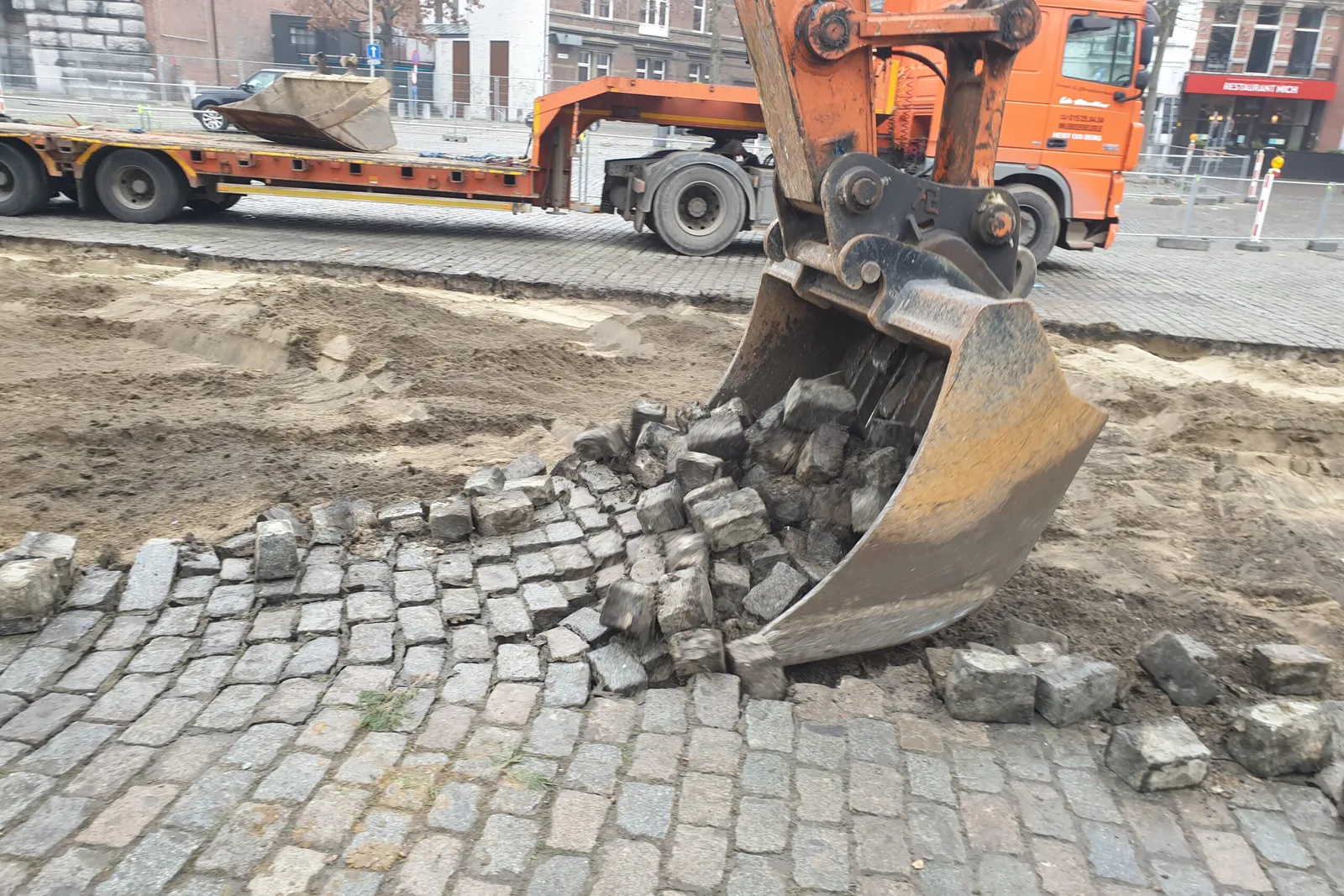
Circular construction with natural stone
Recycling natural stone is an important part of the circular economy, and has been Maris Natuursteen’s core business for four decades. Setts recovered from major infrastructure projects, for example, are recycled and can be reused in new projects. Kerbs are also being reused more and more. This minimises waste and extends the material’s lifecycle.
Peter: “By recycling natural stone, we can conserve valuable resources and reduce demand for new quarrying. This not only reduces the environmental impact, but also supports the development of a sustainable construction sector. Recycled natural stone can be an excellent choice for paving projects, driveways and patios, both in terms of cost and aesthetics.”
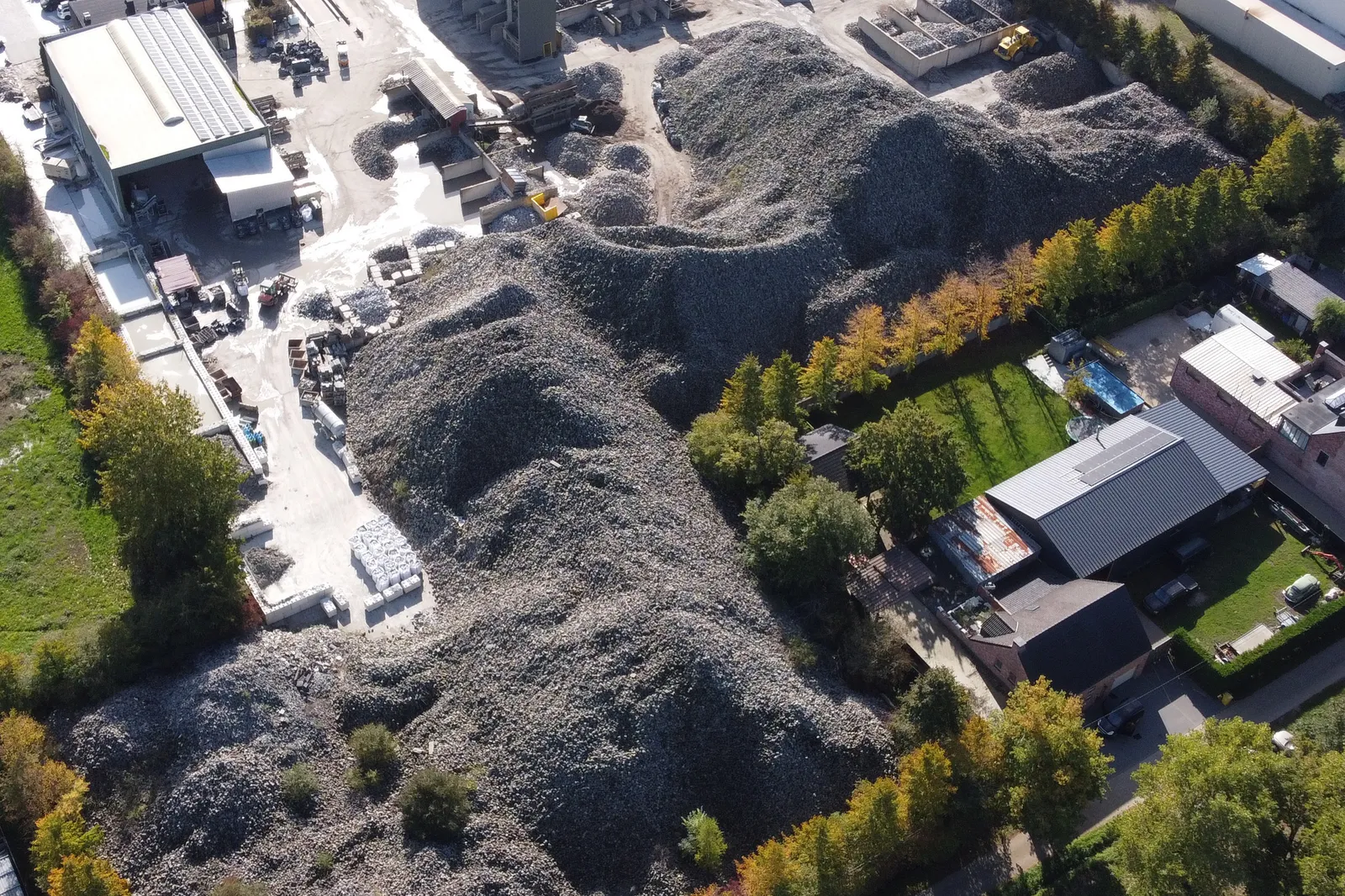
Saving energy and raw materials
Using recycled and reclaimed natural stone has a low environmental impact. Producing and transporting new materials, such as concrete products and fired materials (clay pavers and ceramic tiles), requires significant amounts of energy and resources. By choosing reuse, we reduce this burden on our natural environment and help create a more sustainable future.
“Natural stone can also be used in permeable paving solutions. Using open-joint systems, with paving laid on a flexible bed, allows rainwater to infiltrate the ground effectively, reducing pressure on the sewer system. This is crucial in urban areas, where hard surfaces can lead to flooding,” Peter explains.
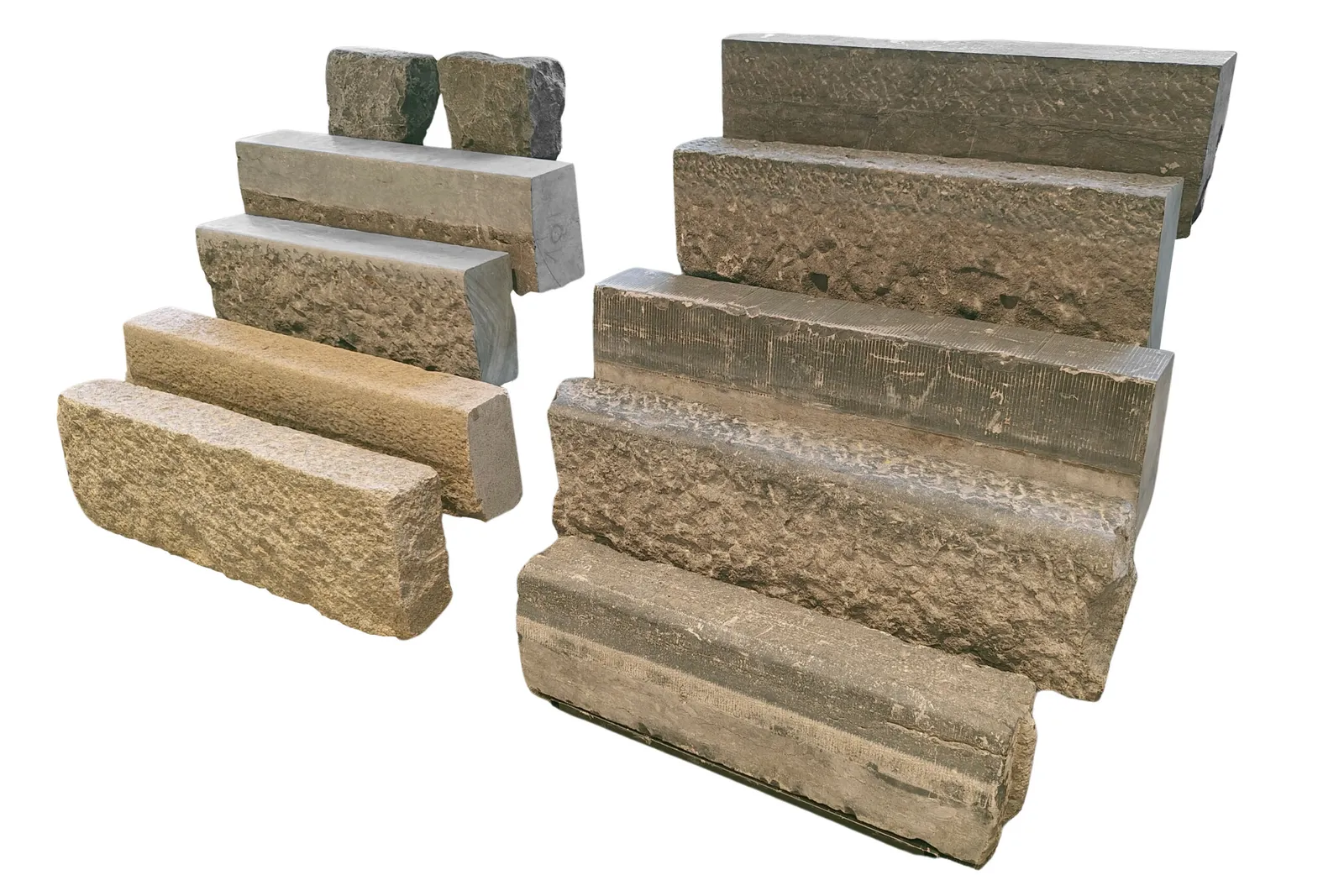
From rustic to elegant
Every type of natural stone has its own unique characteristics, resulting in diverse and attractive schemes. Unlike mass-produced materials that seek to imitate nature, natural stone offers variations in colour and texture, giving streets, squares, driveways and patios an authentic appearance.
Natural stone is ideal for both public and private applications. Examples include historic squares and streets in the public realm, as well as elegant driveways and inviting patios at private homes. Reusing natural stone in these applications contributes not only to their aesthetic appeal, but also to the sustainability of the surroundings.
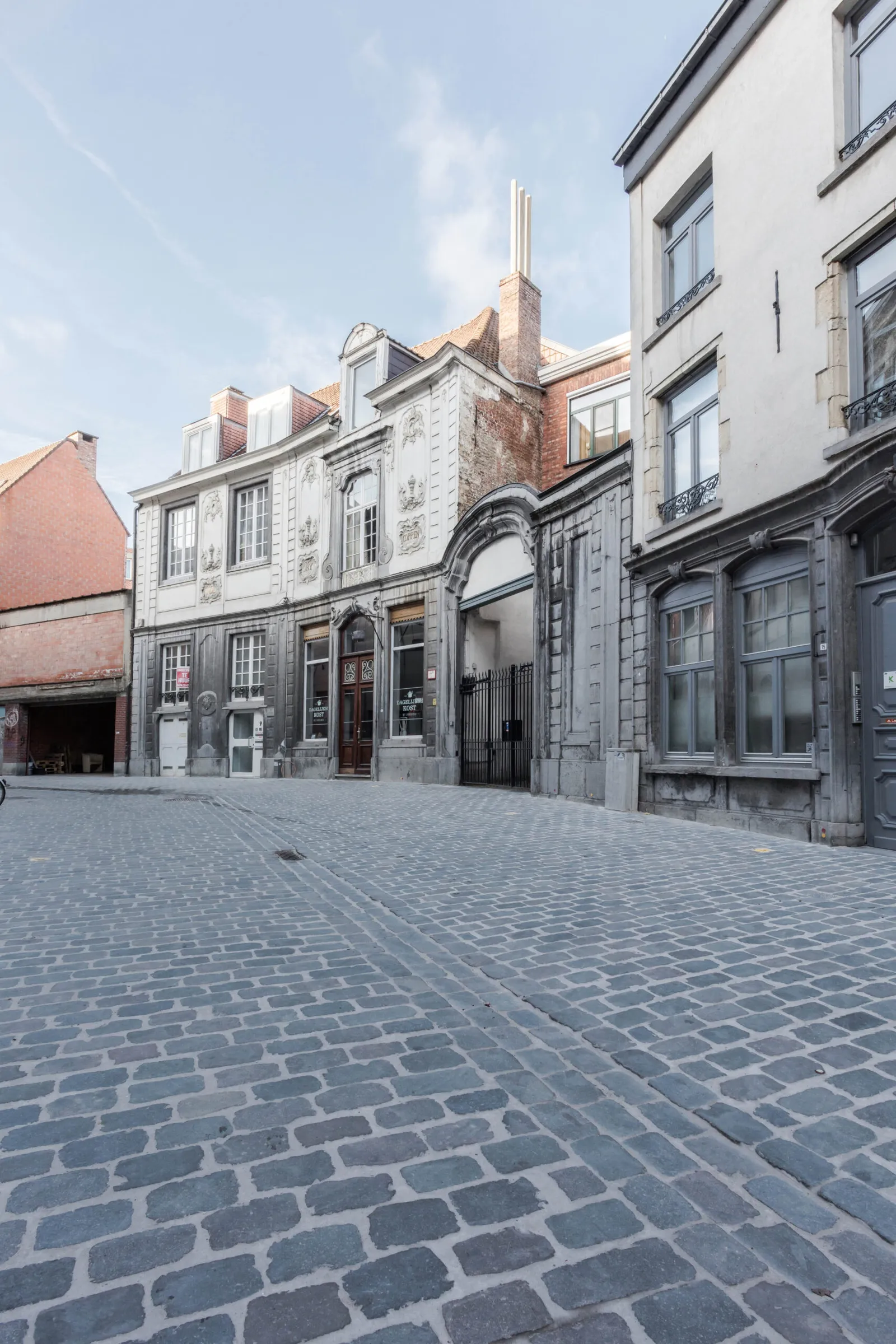
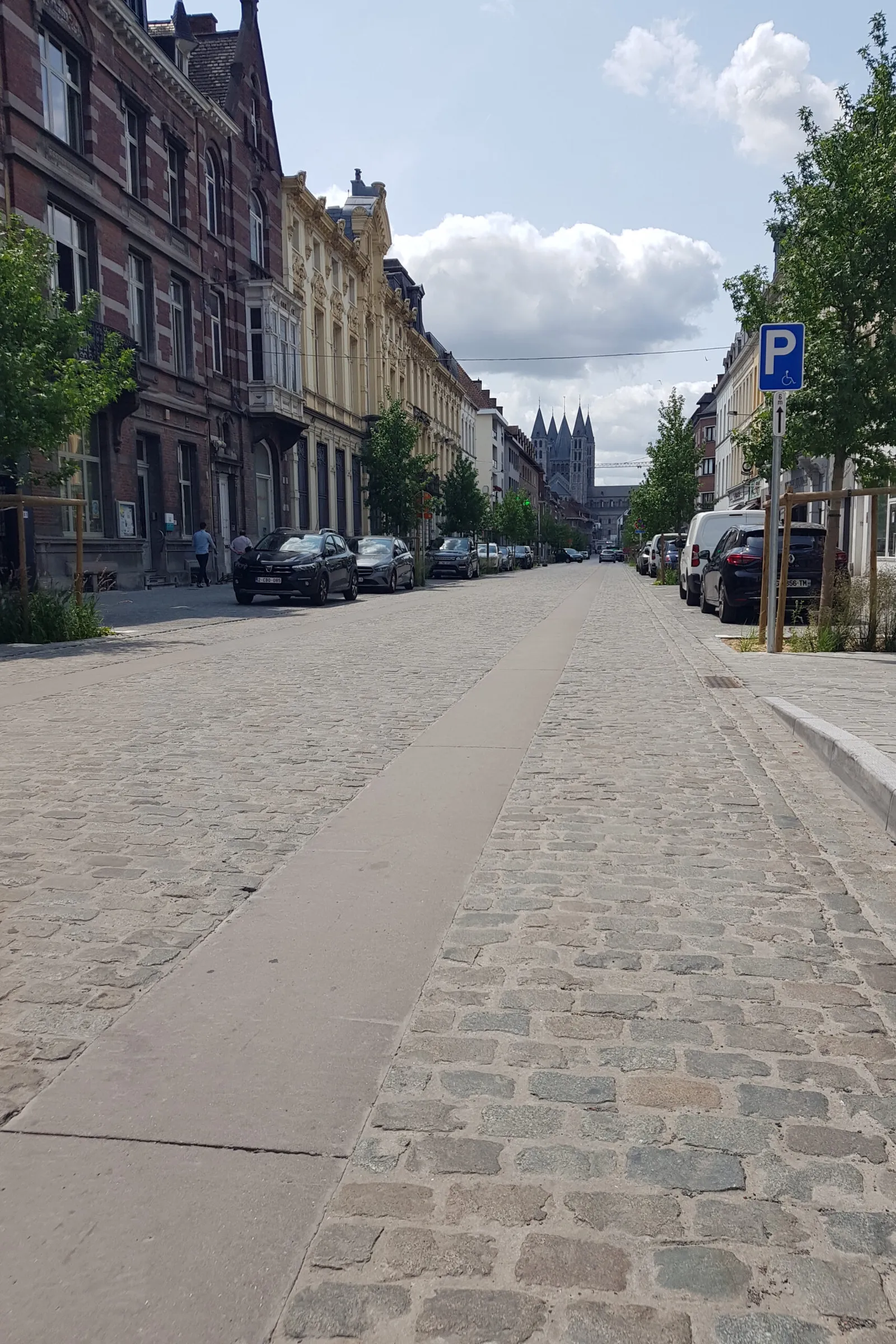
Where beauty and sustainability come together …
In short, natural stone offers a versatile and sustainable solution for paving, driveways and patios. Choosing reuse and recycling can minimise environmental impact and contribute to a circular economy. This natural material is not only beautiful and unique, but also future-proof and environmentally friendly.
“Construction professionals and landscape designers should be encouraged to incorporate the reuse and recycling of natural stone into their projects. Maris Natuursteen is the ideal partner to help them create streets, squares, driveways and patios that are both aesthetically pleasing and environmentally responsible,” concludes Peter Maris.
Question about this story? Ask your question
Keep following this
Get an email when a new story is published. No account needed.
- ThemeMaterials with a lower environmental impact
- SubjectYearbook