From infrastructure to behaviour: a 360° approach to road safety
Text Kathy Vandenmeersschaut Beeld Agentschap Wegen en Verkeer
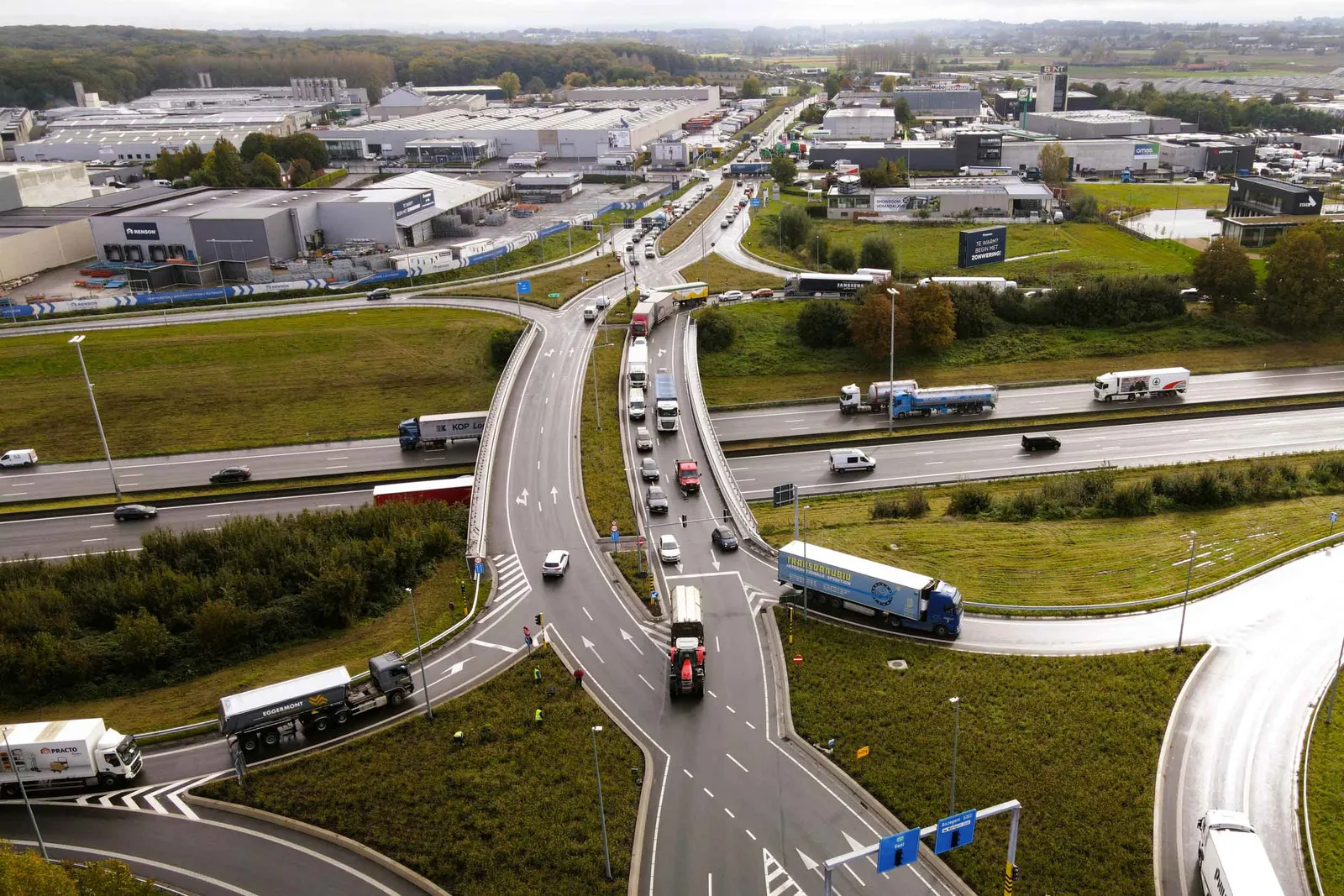
When the then Agency for Infrastructure was established in 2006, its remit focused on maintaining and operating the roads in Flanders. The term ‘road safety’ featured less prominently. Not even 20 years later, our public mission has evolved considerably. In 2024, improving road safety is firmly at the top of our objectives. As the road authority, we must of course ensure the quality of our roads, cycle paths, bridges and tunnels, but never lose sight of the safety of those who use them.
This focus on road safety is more necessary than ever. Last year, 270 people died in the Flemish Region1. That means 270 families whose lives will never be the same again.

Safe infrastructure as the foundation
Our agency must therefore consistently put road safety first. Naturally, we do this primarily by improving infrastructure. The dynamic list of dangerous locations is probably the best-known tool. It identifies locations where serious accidents can be linked to the layout, rather than to other causes such as inappropriate driving behaviour. The list shows where we need to invest, based on accident data.
Where unsafe conditions are suspected or people feel unsafe, we can also proactively use drones and camera surveys to identify risk factors and take preventive measures.
Making our road network safer is a daily task for our engineers, traffic experts, traffic controllers and other specialist teams. In practice, working with partners such as local authorities, we improve pedestrian crossings, cycle paths, road markings, lighting, signage and traffic lights to reduce the risk of accidents and provide the safest routes possible, particularly around schools. We draw up practical guidelines and assessment frameworks to help make the right choices when designing roads and cycle paths. We are also increasing the number of road safety audits carried out at every stage of our infrastructure projects.
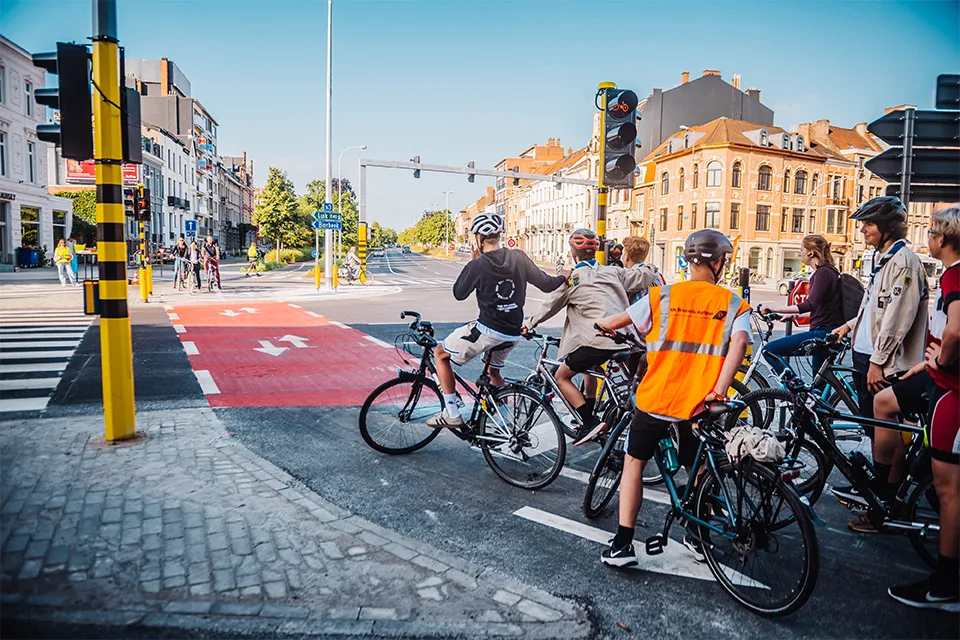
A shift towards safer road behaviour
Investing in infrastructure therefore remains a key responsibility, not only to make our transport system safer, but also more sustainable. We are gradually tackling the maintenance backlog on our bridges and tunnels through asset management and unprecedented public-private partnerships. We also take a long-term view.
At the same time, more than ever before, we are looking at road safety through the lens of human behaviour, including children’s behaviour. Behaviour is complex and difficult to control. Road traffic is influenced not only by infrastructure, but also by regulations and technological developments. There is also a great deal of unpredictability, from weather conditions to people’s individual behaviour.
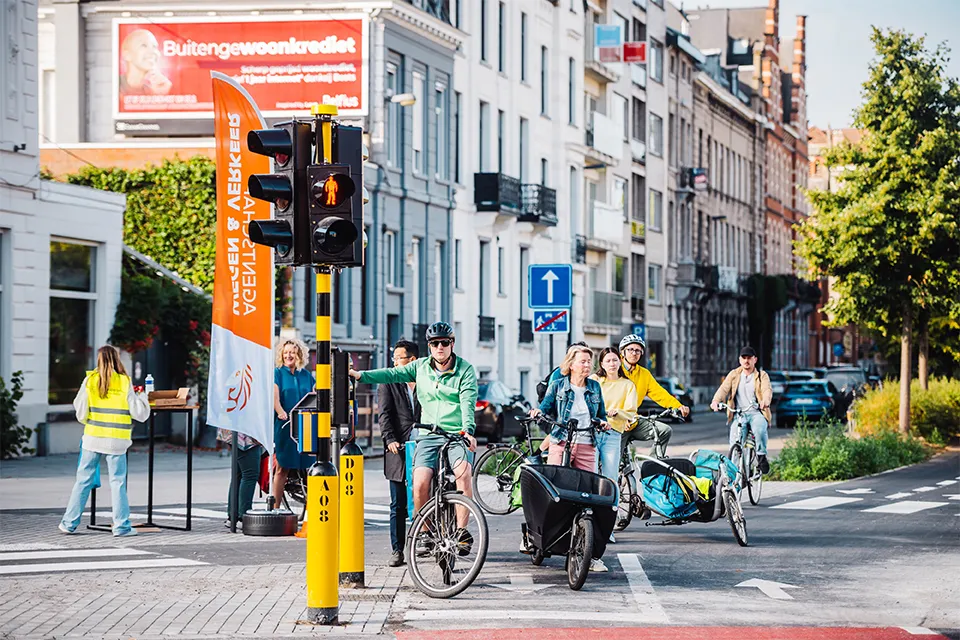
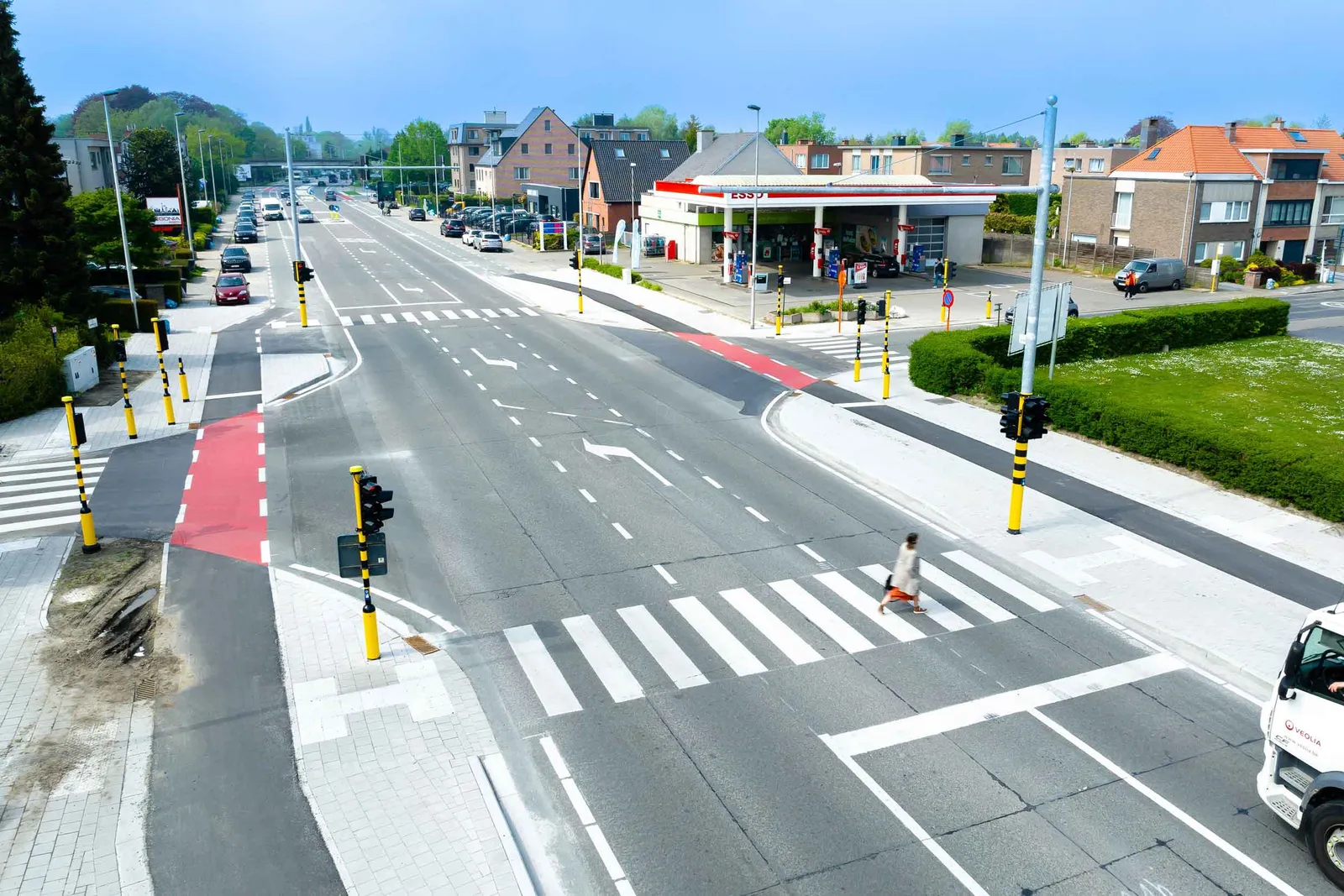
By adapting infrastructure, we already help encourage changes in behaviour. Wider cycle paths, for example, may encourage more people to get on their bikes. But today we also influence behaviour in many other ways.
For example, we warn drivers about wrong-way drivers through their traffic apps, and help make it possible for those apps to provide alerts about dangerous situations, such as slow-moving vehicles or people on the road. We provide high-quality open data that navigation systems can use to discourage rat-running and guide drivers along the correct diversions. And, of course, our traffic controllers monitor motorway traffic around the clock. Their work is not only about keeping traffic moving, it is also vital to improving road safety, for example by adjusting speed limits when traffic builds up.
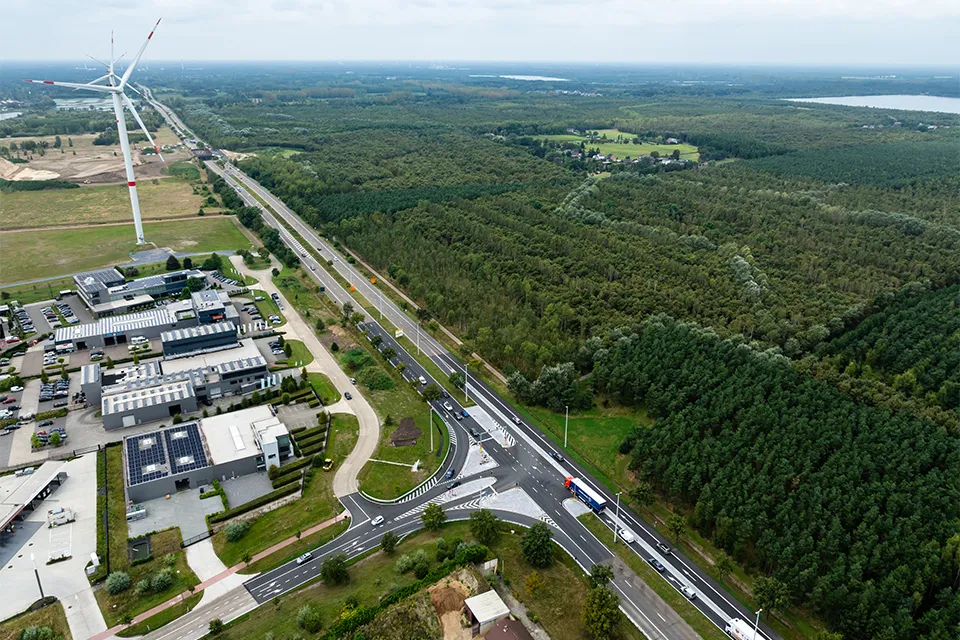
Continuing to learn from experts, both inside and outside our organisation
Over the past few years, conversations with experts, both inside and outside our organisation, have taught me that road safety is a complex, multi-layered problem. Tackling a multi-layered problem requires an equally multi-layered approach. We must therefore be ready with an array of strategies and tools that both improve infrastructure and help people travel more safely. As the road authority, we intend to continue developing this 360° approach in 2025.
Question about this story? Ask your question
Keep following this
Get an email when a new story is published. No account needed.
- ThemeFuture-proofing roads and railways
- SubjectYearbook