FEREB vzw promotes sustainable concrete repair
Text and images FEREB
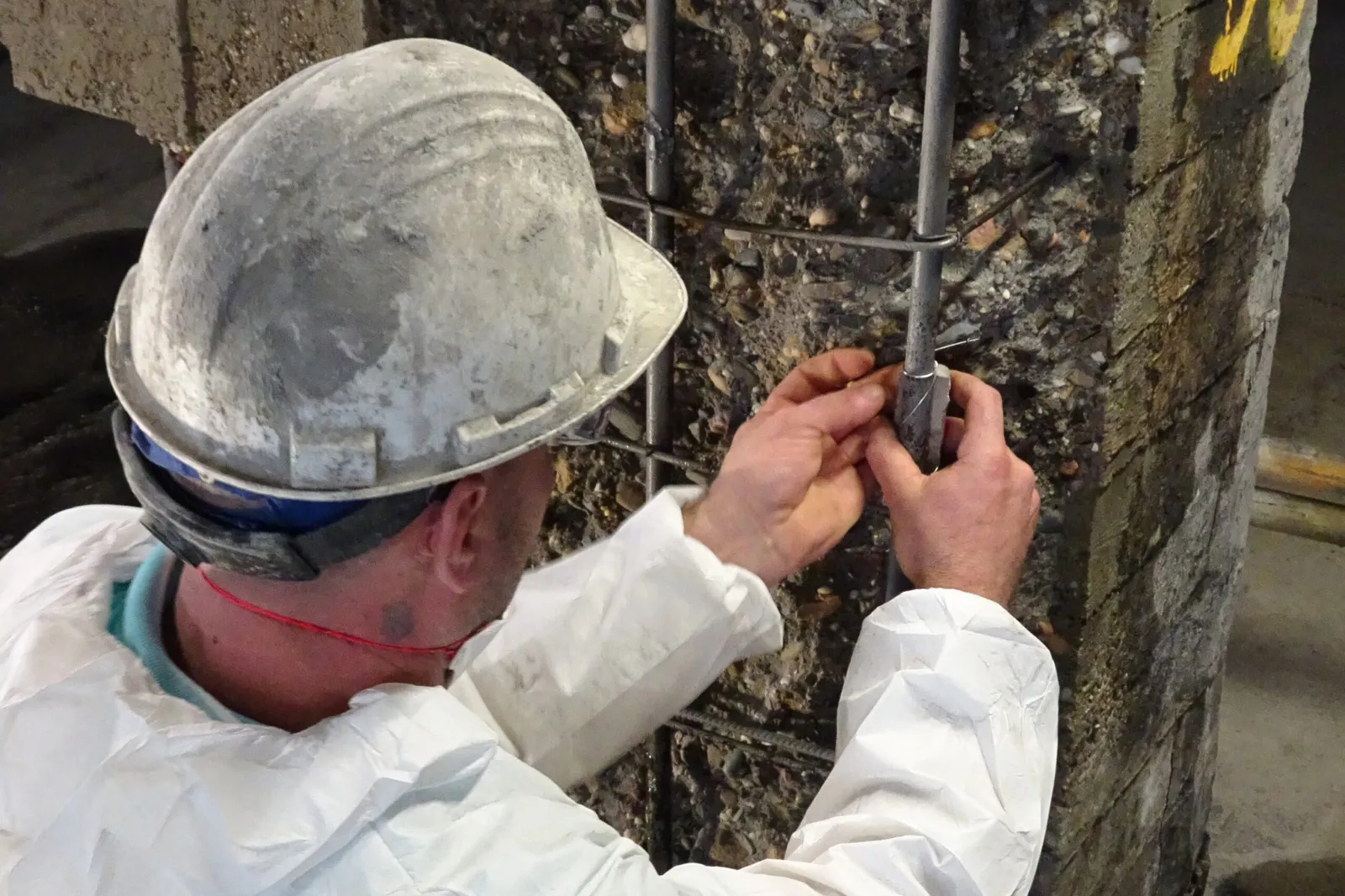
FEREB vzw is the Belgian federation of specialists in concrete repair, protection and strengthening. Together with its members, FEREB promotes sustainable, high-quality concrete repairs. To this end, FEREB has developed a step-by-step plan based on European Standard NBN-EN 1504. This standard sets out specifications for the identification, performance and safety of products and systems used for structural and non-structural concrete repair.
Concrete damage to buildings and civil engineering structures
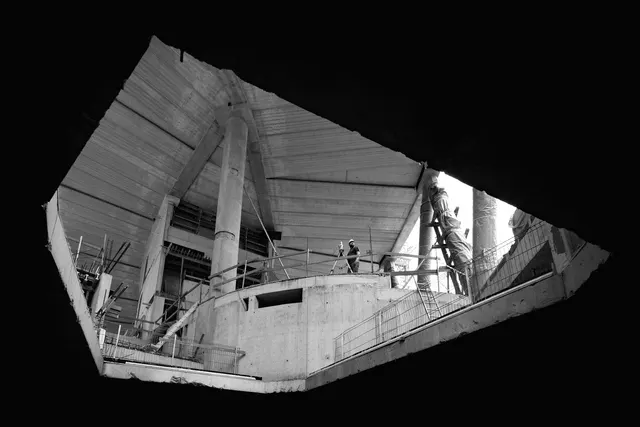
Concrete is a strong, durable building material that inspires architects, gives engineering consultancies the scope to design tall buildings and long-span structures, and enables contractors to work quickly and efficiently. Like any other building material, concrete can also suffer damage. This may be because the concrete structure has reached the end of its service life, due to design or construction errors, or as a result of external factors. The most common causes of damage are carbonation and chloride ingress, but weathering, chemical and mechanical effects, and even fire can also damage concrete.
Why repair concrete?
Concrete damage does not necessarily spell the end of a building or structure. Timely, durable repairs carried out by a competent contractor in accordance with the current European Standard NBN-EN 1504, and who is a FEREB member and preferably BENOR-certified, can provide a lasting solution to many problems. FEREB’s step-by-step plan is a useful guide to achieving durable concrete repairs.
Execution
The execution of concrete repairs is a key factor in determining their durability. Good preparation, correct use of the selected products and careful workmanship are the most important parameters.
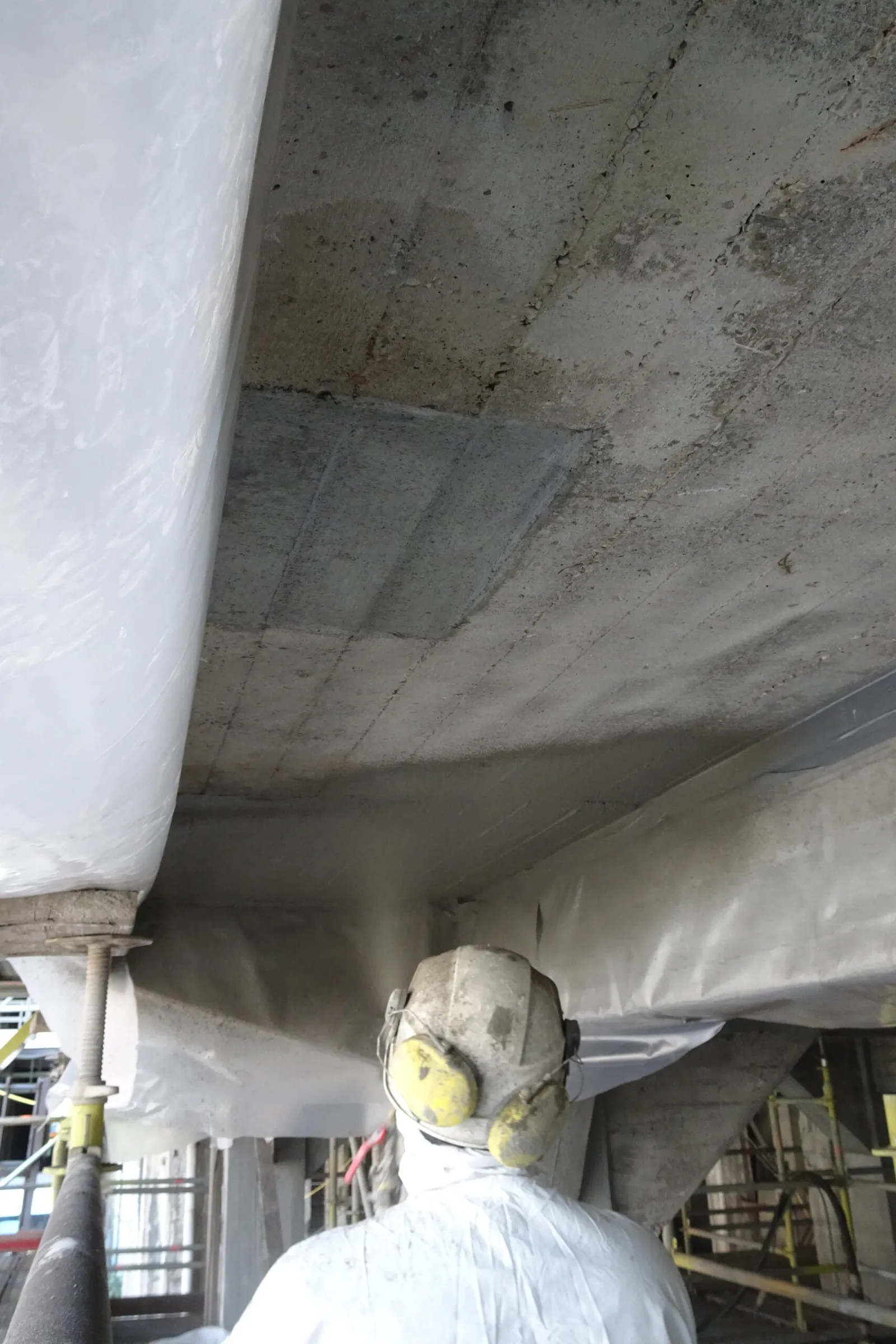
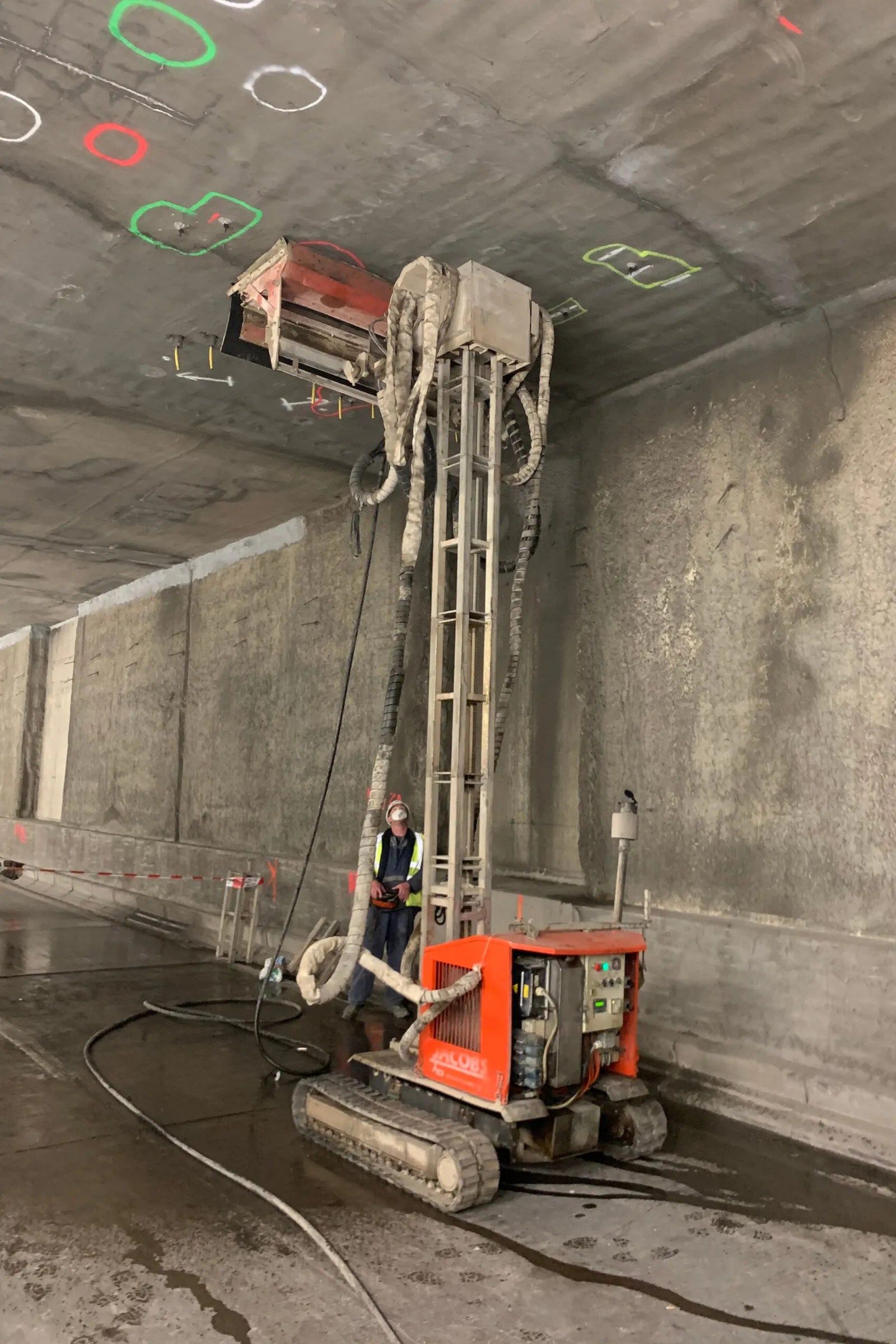
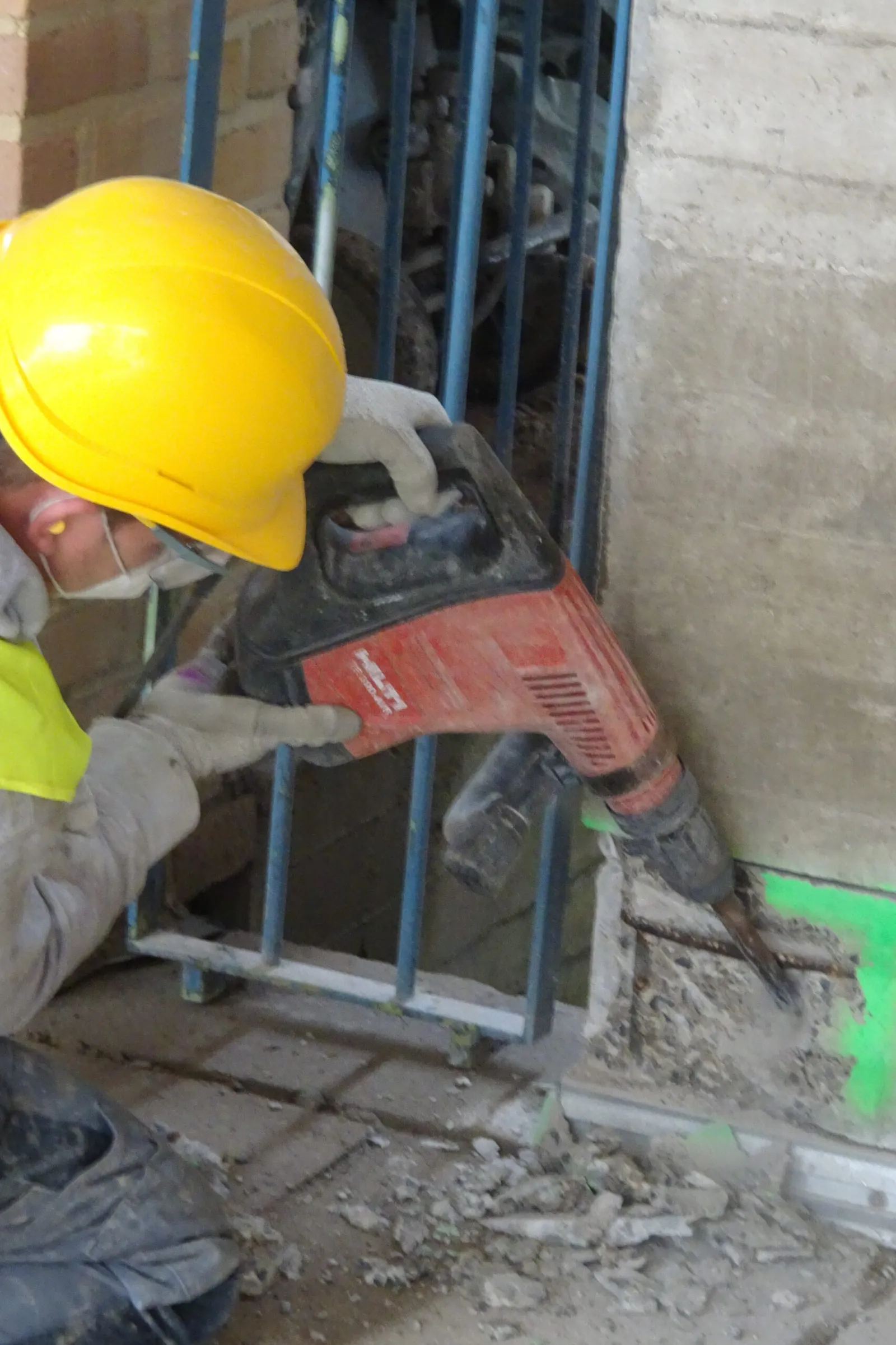
Substrate preparation: mechanically removing the damaged concrete. Hydrodemolition can also be used for this purpose.
Protecting the reinforcement and improving its bond.
Selecting the repair mortar: the repair mortar must have specific properties depending on the damage. In addition to the mandatory CE marking, the use of BENOR-certified repair mortars is strongly recommended.
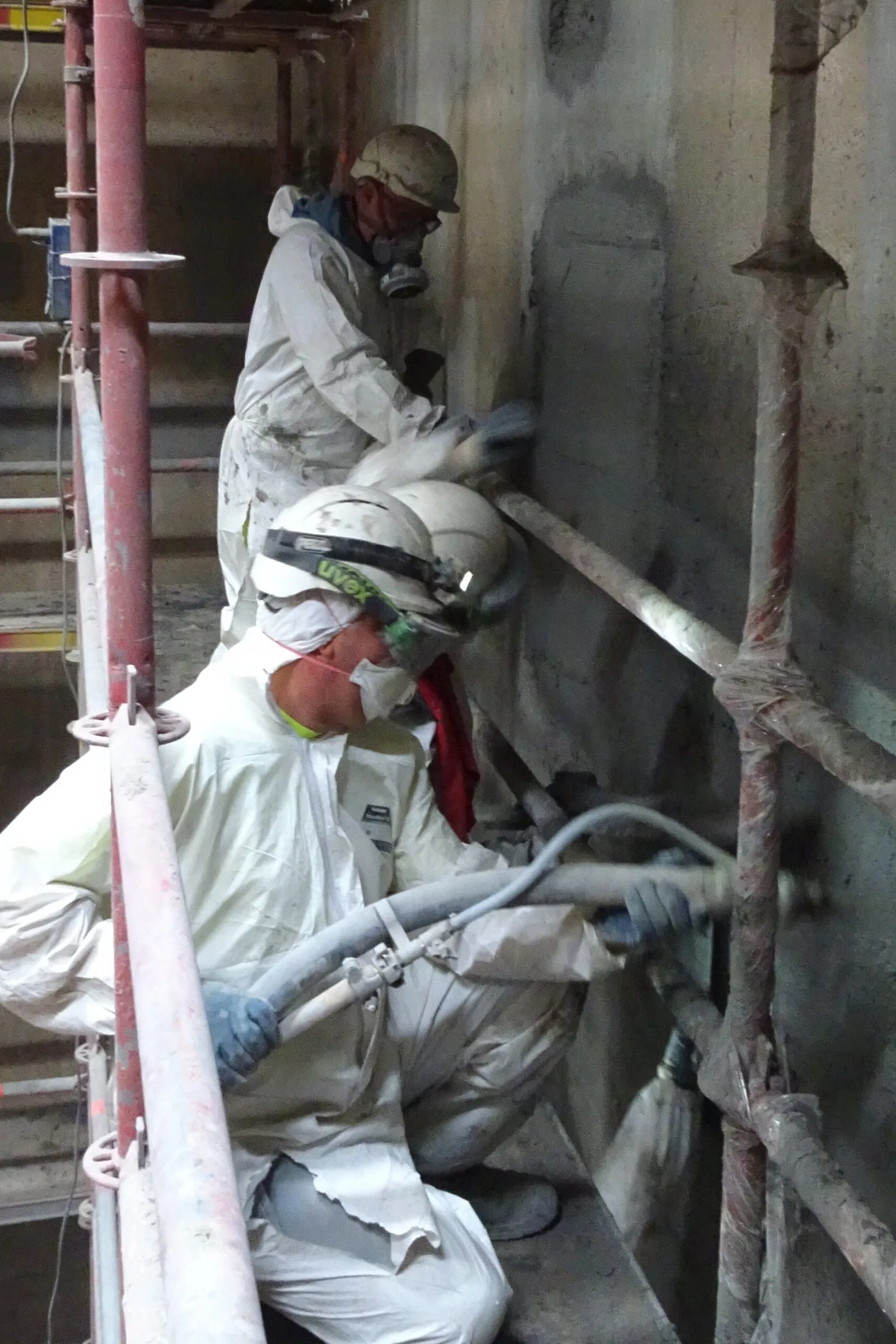
Careful preparation and application of the repair mortar are key to the result. As well as applying repair mortar by hand, sprayed mortar can also be used on larger projects.
Applying a protective, aesthetic finish is beneficial for a durable result. Depending on external factors, this finish may be a waterproof, carbonation-inhibiting, chemically resistant, fire-resistant or abrasion-resistant coating. Cathodic protection is often used where chloride attack has occurred.
Inspection
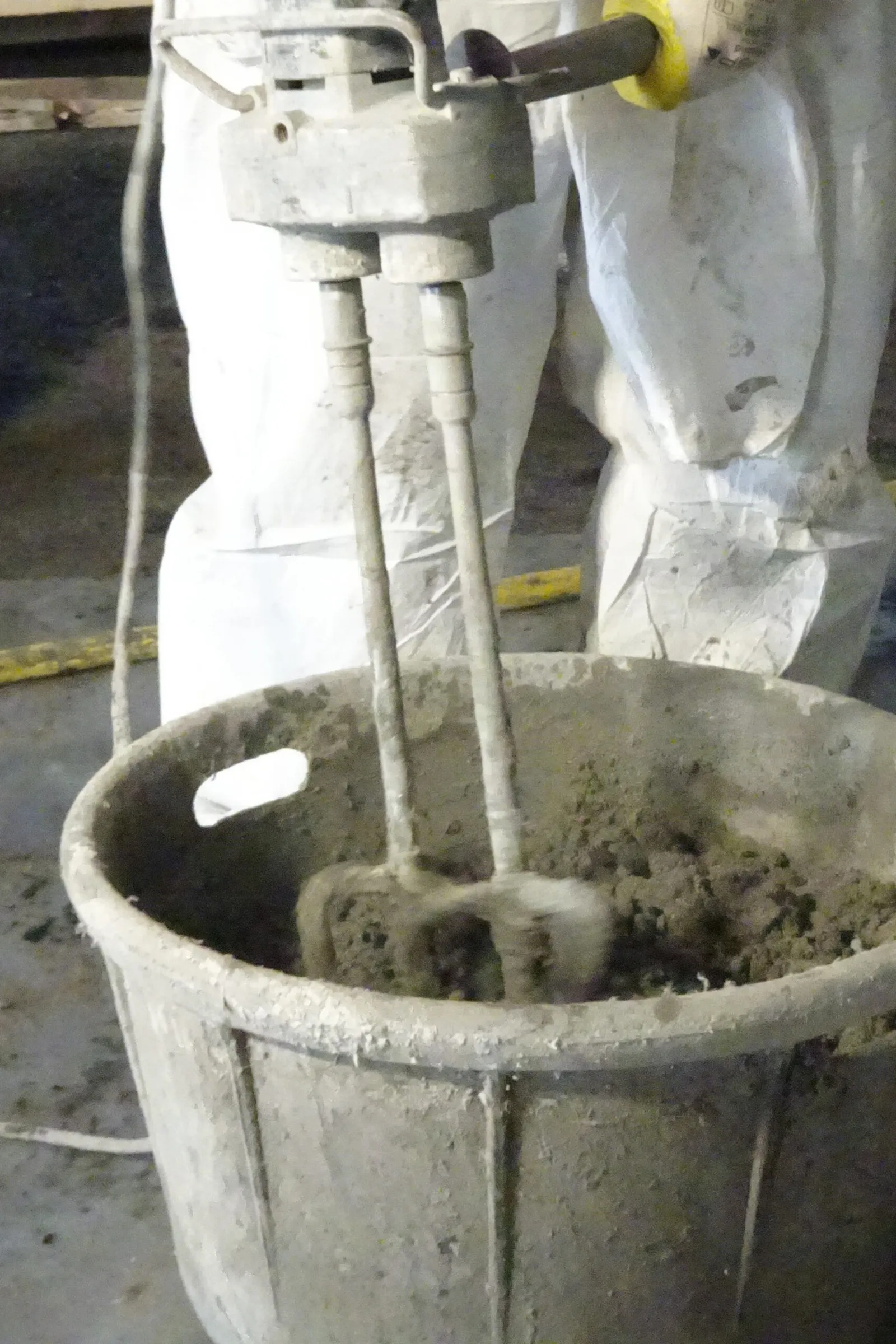
The client will agree the inspection procedures with the expert who prepared the diagnostic report. They can be carried out by a specialist, or the client can choose the contractor’s self-inspection system, or preferably opt for the ‘BENOR-certified contractor’ system. Whatever procedure is chosen, bond tests must be carried out at several representative locations. These bond tests are key to the durability of the concrete repair.
For more information on sustainable concrete repair and FEREB members: www.fereb.be, www.duurzaam-betonherstel.be
Advice requests: https://fereb.be/nl/betonherstellingsadvies
A business enquiry for FEREB vzw? Get in touch
Companies in this story
Keep following this
Get an email when a new story is published. No account needed.
- ThemeExtending the life of bridges and tunnels
- SubjectYearbook
- CompanyFEREB vzw