“A resilient water system, smart infrastructure and an organisation that continually innovates and works together”
Text Niels Rouvrois Beeld De Vlaamse Waterweg
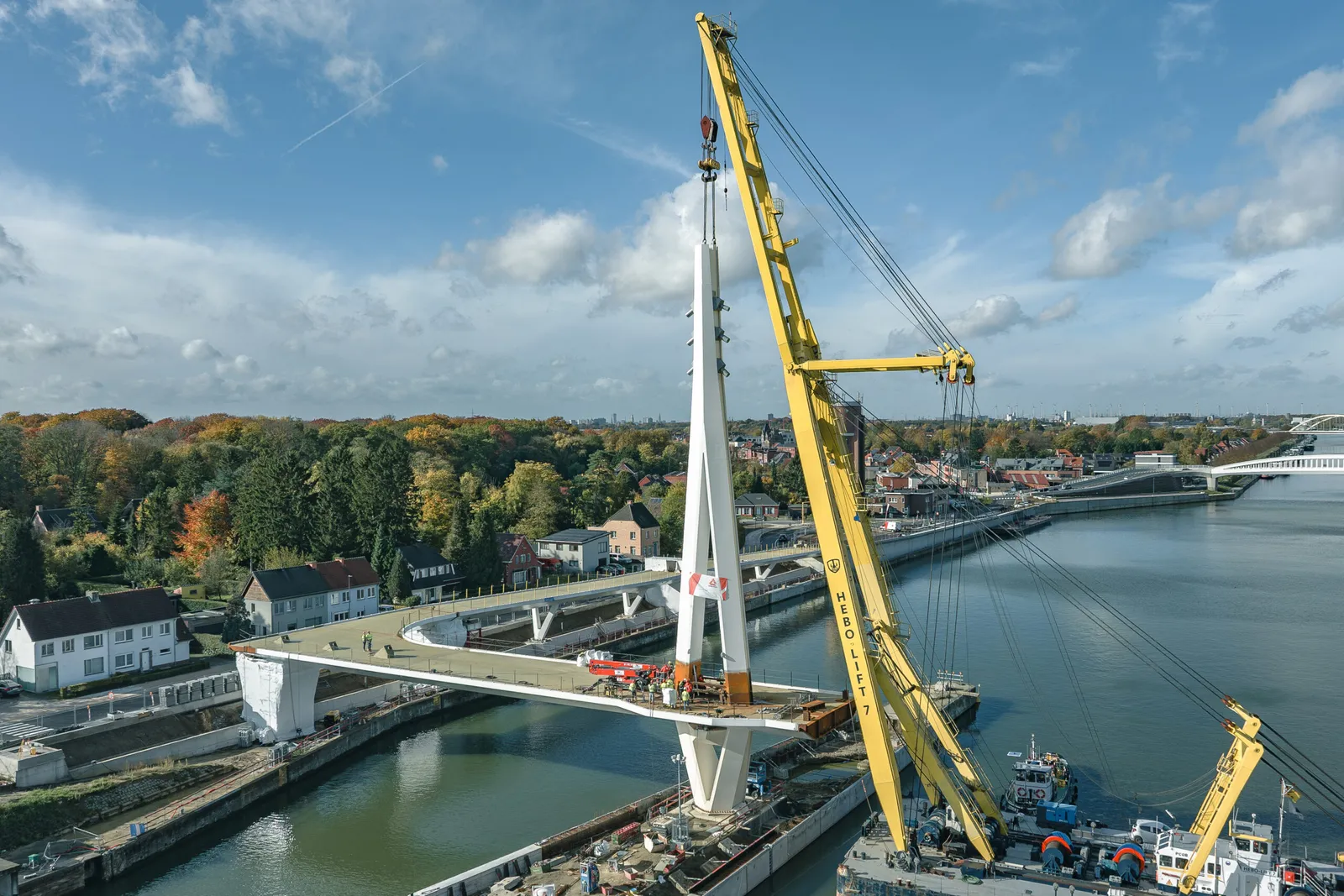
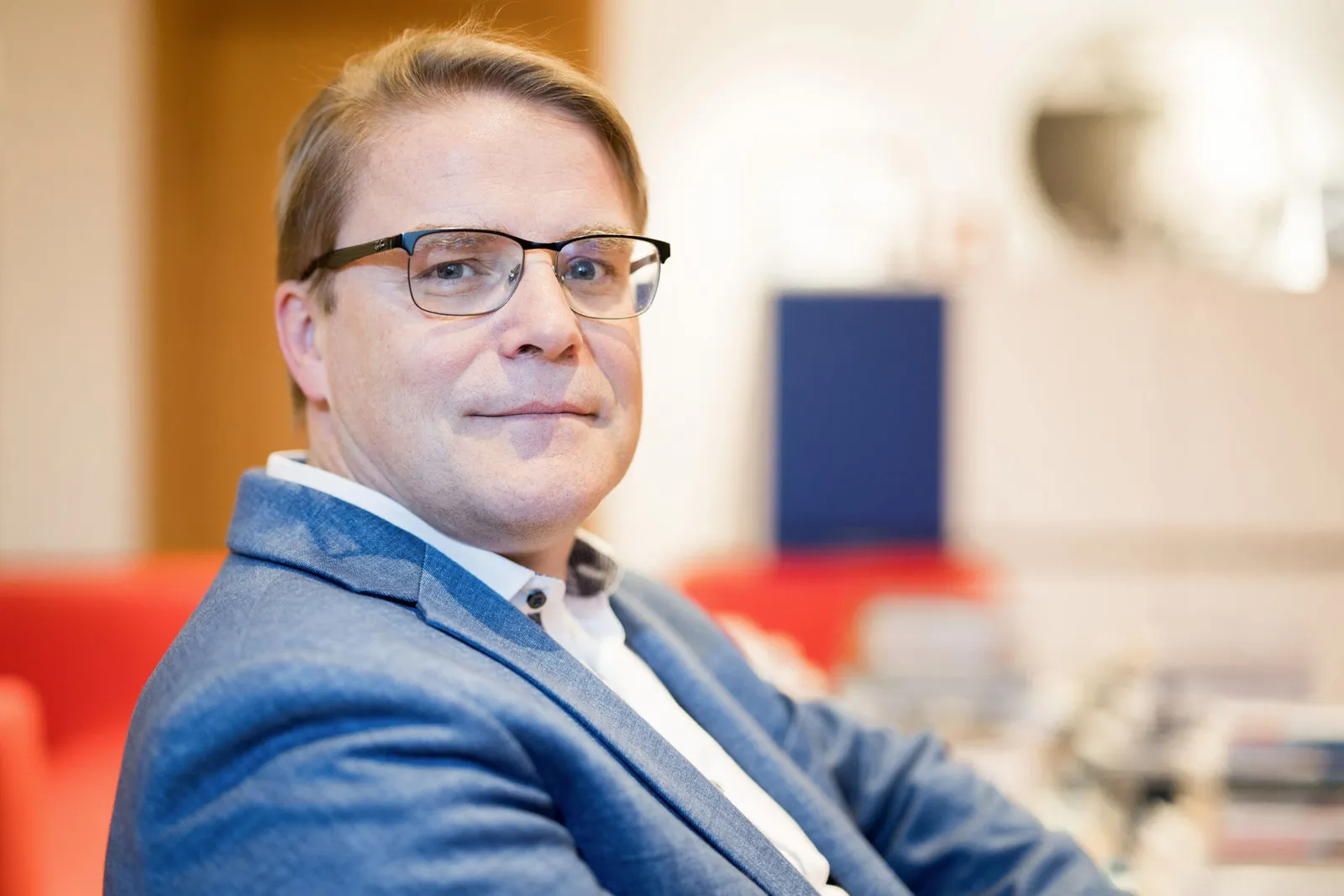
On 1 December 2025, ir. Filip Boelaert took up his role as the new managing director of De Vlaamse Waterweg nv. Boelaert, who has worked as Secretary-General of the Department of Mobility and Public Works since 2014, is brimming with enthusiasm and wants to establish himself in the short term as a unifying leader focused on cooperation, social and economic added value, and innovation. GWW spoke to the newly appointed captain at the helm of De Vlaamse Waterweg nv.
What does this new role mean for you?
Filip Boelaert: “De Vlaamse Waterweg has a unique and highly relevant mission in the service of society and the economy. We are present in more than half of all Flemish municipalities, and 80 % of our businesses are located within 10 kilometres of a waterway. We also play a crucial role in water management, and much of our infrastructure has an important recreational function. Being able to help shape this, together with all the employees of De Vlaamse Waterweg, is a challenge I am keen to take on.”
What priorities do you want to set for De Vlaamse Waterweg’s medium- and long-term strategy?
“In the medium term, the focus is on delivering a robust multimodal network, greening inland shipping and strengthening international cooperation. In the long term, we want a resilient water system, smart infrastructure and an organisation that continually innovates and works with all its partners. Digitalisation, automation and knowledge-sharing are crucial to this.”
Where do you see the greatest opportunities to accelerate the modal shift?
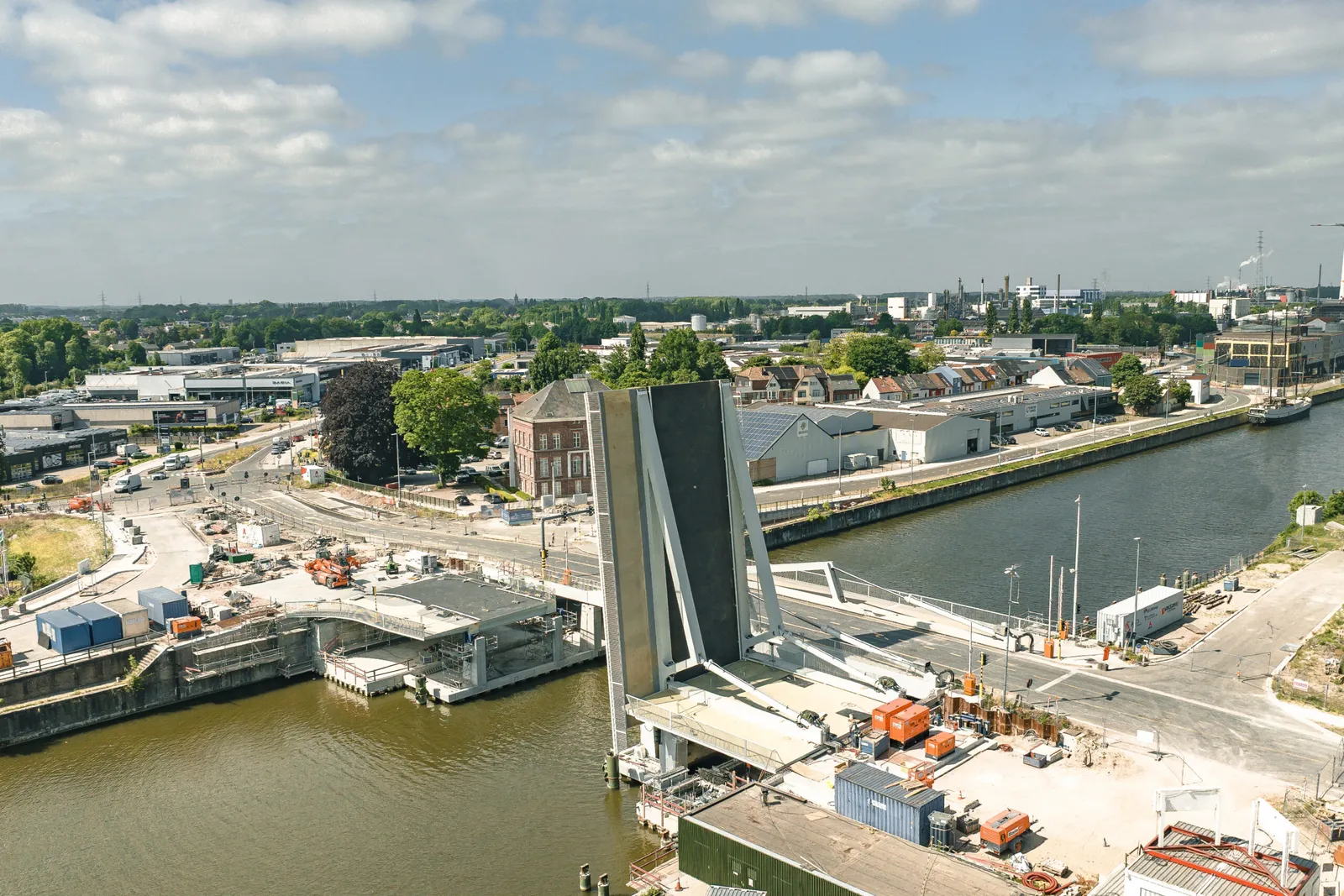
“It is important to make targeted investments in infrastructure. Expanding and modernising waterways, as with the Seine-Scheldeproject, will enable larger vessels and more freight to be moved efficiently by water. Digitalisation and automation also offer further opportunities, for example through the remote operation of bridges and locks, which can make operating hours more efficient and journey planning smoother.”
“Greening inland shipping also remains a priority, with initiatives such as the Vlaamse Green Deal Binnenvaart and European programmes such as NAIADES III encouraging investment in sustainable technologies and alternative fuels. Cooperation and public-private partnerships also offer opportunities. Local authorities and businesses, for example, can invest together in waterside business parks, while major international projects such as Seine-Schelde strengthen connections with other countries.”
“Innovation is also important. Pilot projects involving urban distribution by water, pallet transport and waste flows show that inland shipping can provide solutions for new markets and niche sectors too. Finally, a shift in mindset is needed among businesses themselves. Targeted communication, guidance and the sharing of success stories can help convince companies of the added value of waterborne transport. The modal shift is therefore not an end in itself, but an essential step towards a more sustainable, efficient and resilient Flanders”
What role do you see for De Vlaamse Waterweg in climate adaptation and integrated water management?
“To manage the impact of climate change, we want to make the water system more resilient and better protect Flanders from extreme weather. De Vlaamse Waterweg has already achieved a great deal, including the installation of fixed and mobile pumping stations to tackle water scarcity. In the case of flooding, the Sigmaplan, with its raised dykes and floodplains, and the Ruimte voor de Maas project, in collaboration with Rijkswaterstaat, have proved their value. Thanks to these projects, the impact of events such as the Waterbom of July 2021 and north-westerly storms coinciding with spring tides was kept manageable.”
“But major investment is also under way in new projects. Through the taskforce Weerbare Westhoek and the long-term programme in the IJzervallei, we are implementing rapid, structural measures to prevent flooding like that seen in 2023. In the Dendervallei, the strategic plan Ruimte voor Water Dendervallei addresses both groundwater flooding and water scarcity by optimising drainage, renewing weirs and restoring nature.”
“Looking ahead and being prepared are essential. Flanders has leading tools and models to predict and manage floods and drought. International cooperation is another pillar of our policy.
De Vlaamse Waterweg is active in river commissions for the Schelde and Maas, and works closely with water managers in neighbouring countries and regions. Knowledge is exchanged and Flemish expertise shared at international forums too, such as the UN Water Conference. Foreign delegations are often impressed by the Flemish approach to water management.”
Flemish waterways require considerable investment and maintenance. What is your view on funding major projects?
“A great deal of infrastructure, including bridges, tunnels and locks, dates from the 1960s and 1970s and urgently needs renovation or maintenance to continue meeting today’s safety and functional requirements. Incidents or failures can have a major economic and social impact. The Flemish Government is therefore placing a strong emphasis on renovation and maintenance in its investment policy. This is being done through an integrated, coordinated asset management approach that addresses the maintenance backlog while ensuring routine maintenance and renewal. Smart renovation is central: investing in infrastructure that is fit for the future ensures reliability, smooth traffic flows and greater safety.”
Digitalisation and data analysis are becoming increasingly important. Which technological innovations do you see as gamechangers for De Vlaamse Waterweg?
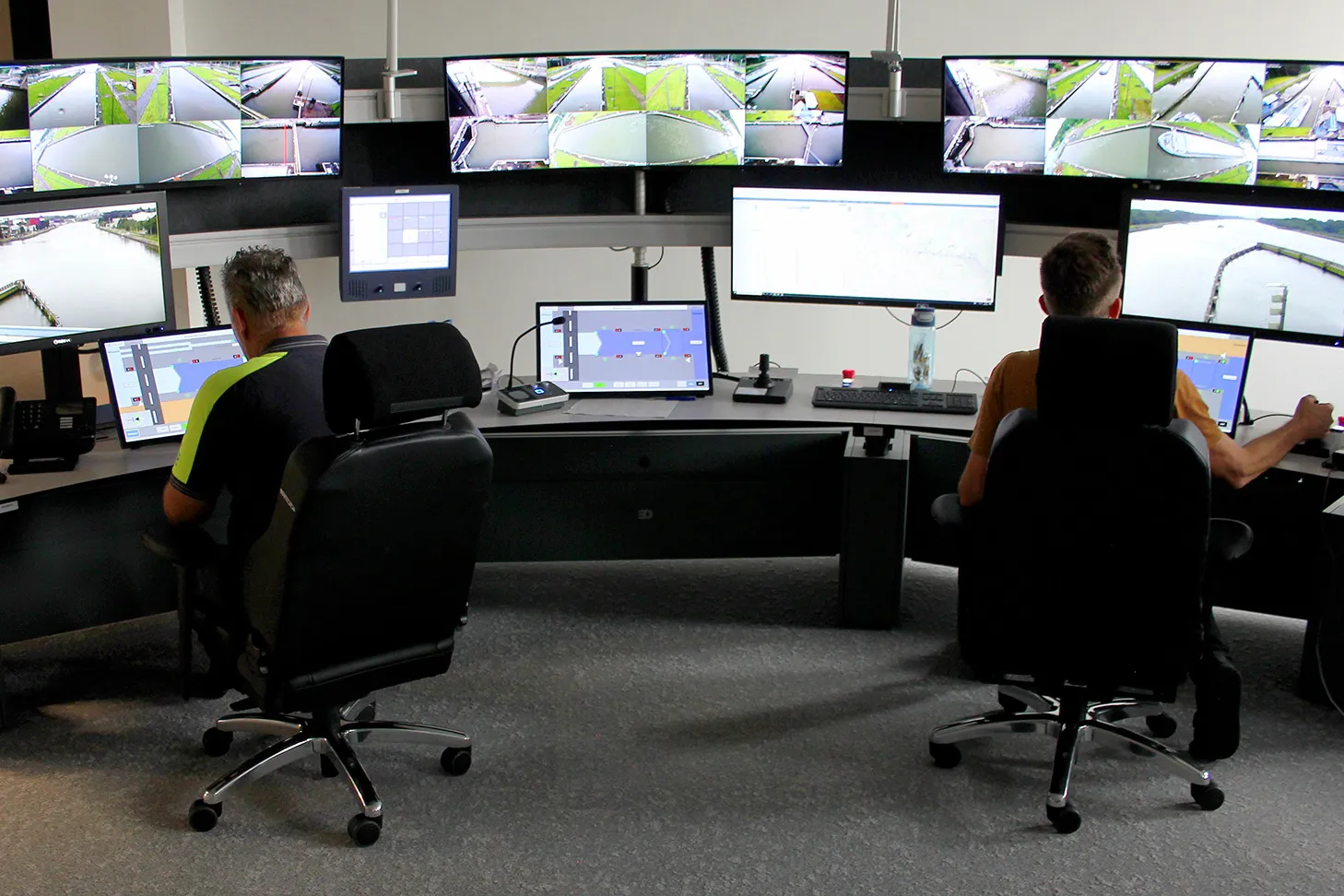
“We deliberately look beyond infrastructure alone: trends such as automated navigation, remote operation and centralised traffic management are already making a difference, both locally and at network level. Systems thinking is central to this: using data and technology to deploy staff and resources smartly and efficiently. Accelerated digitalisation and automation are key priorities in our policy. For example, we are working to operate our locks and weirs remotely, and continue to pioneer Smart Shipping together with the inland shipping sector. The programme has four pillars: smart vessels, infrastructure, data and regulation. Our ambition is to have all movable structures, such as locks and bridges, fully remotely operated from three central control centres in Hasselt, Evergem and Willebroek by 2032.”
De Vlaamse Waterweg works closely with local authorities, businesses and citizens. How do you intend to strengthen this cooperation further?
“Cooperation is the key to success, and De Vlaamse Waterweg wants to strengthen and broaden its partnerships with local authorities, businesses, sector organisations, transport region councils and citizens. This means deepening dialogue with all stakeholders, organising regular consultations and communicating transparently. Partners are actively involved in projects, with knowledge and experience shared to develop solutions together that have broad support. Examples include advice and support for businesses looking to use inland shipping as a transport solution, and public-private partnerships to build quay walls and develop waterside business parks. In a complex country such as Belgium, particularly in the field of water management, it is essential to build these connections so that projects run more smoothly and have broad support. Investing in waterways means investing in the liveability and prosperity of tomorrow: every lorry replaced by a vessel means less congestion, lower CO2 emissions and more space for a healthy and safe living environment.”
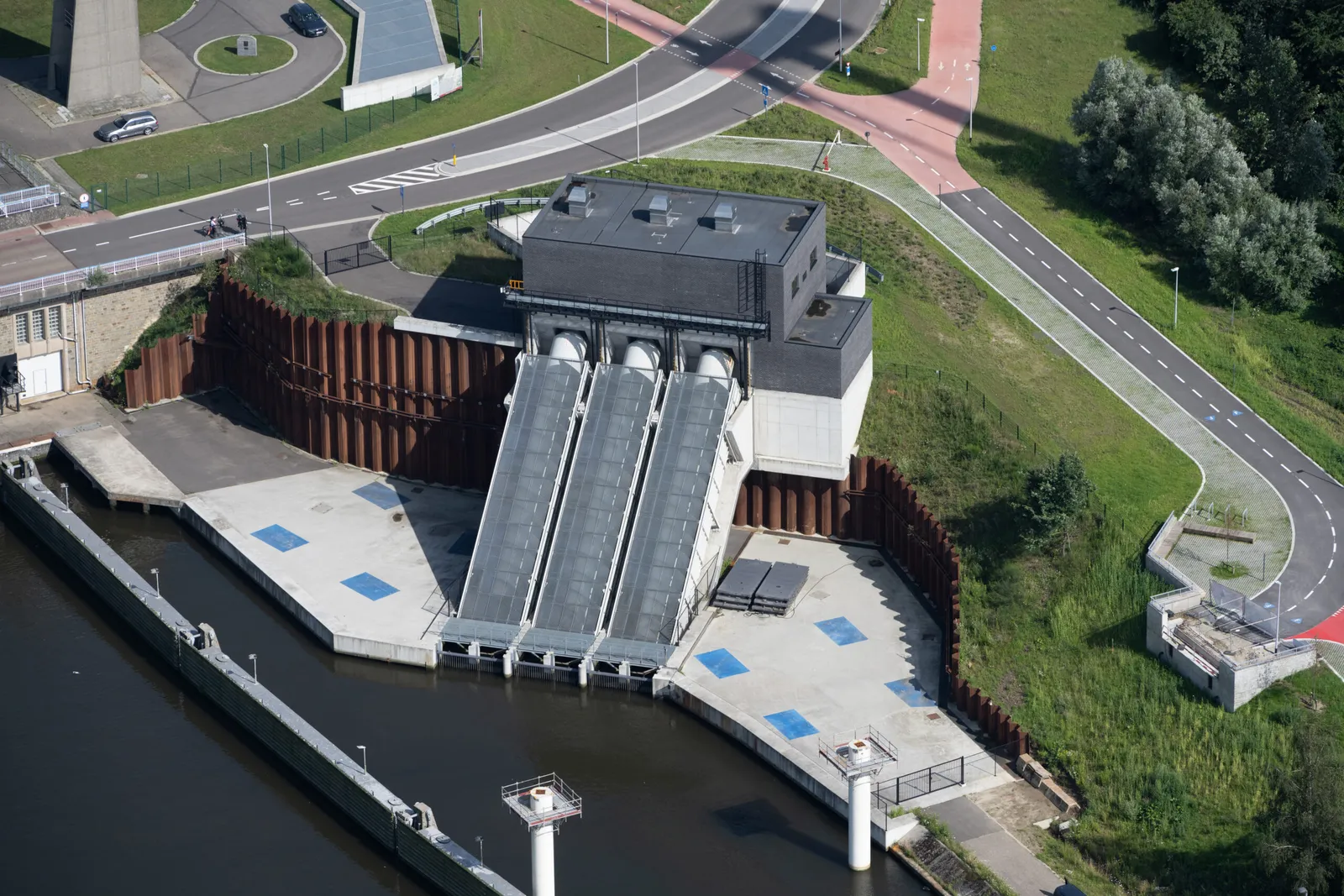
Citizens sometimes feel that infrastructure projects have a major impact on their living environment. How can communication help build greater support and involvement?
“Clear and transparent communication is key to building support and involvement. While avoiding all disruption is not possible, our mission remains to keep the impact on everyone as short-lived and limited as possible. For every project, we carefully coordinate and phase the work, supported by measures to minimise disruption that are a standard part of our approach. We hold extensive consultations with those affected and other stakeholders to ensure these measures are appropriately tailored. This enables us to coordinate works intelligently and minimise traffic disruption, including between the different entities within the policy domain of Mobility and Public Works.”
Finally, what would you like De Vlaamse Waterweg to represent in a few years’ time, both internally and externally?
“Given that I have only recently taken up the role of managing director, I want to shape that vision for the future over the coming months, together with our partners, on and along the waterways. Cooperation and De Vlaamse Waterweg’s role as a reliable, forward-looking partner for all its stakeholders are important starting points. Asset management and maintenance, the commercial opportunities offered by waterways, and water resilience will certainly all feature in that vision. In this way, we are building an organisation that makes a difference for Flanders not only today, but tomorrow and the day after.”
Question about this story? Ask your question
Keep following this
Get an email when a new story is published. No account needed.
- ThemeStrengthening waterways and coastlines
- SubjectYearbook