









Trial sections for sustainable asphalt using rejuvenators
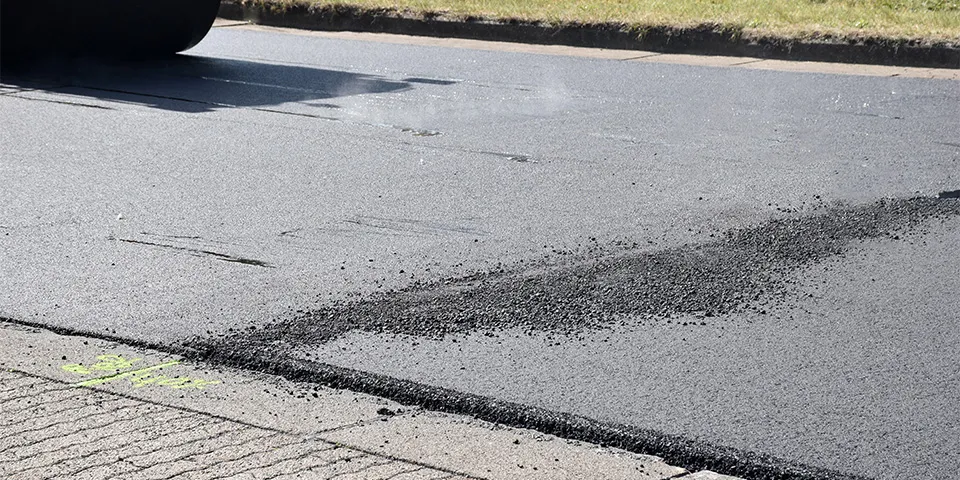
In spring 2019, the first-ever trial sections using asphalt rejuvenators were laid on public roads. The so-called REjuveBIT project is coordinated by Universiteit Antwerpen (Onderzoeksgroep Energy and Materials in Infrastructure and Buildings), in partnership with the Opzoekingscentrum voor de Wegenbouw (OCW). “This new technology makes it possible to use more recycled material in new asphalt mixes. This could lead to more sustainable road construction,” says doctoral student Geert Jacobs.
The REjuveBIT project focuses on sustainable asphalt through the use of rejuvenators. It is largely funded by VLAIO’s TETRA fund and supported by around ten contractors, asphalt producers, suppliers and industry organisations, working with key road authorities in Flanders: Stad Antwerpen, Havenbedrijf Antwerpen, Stad Gent and Agentschap Wegen en Verkeer. The research team led by Prof. Wim Van den bergh at Universiteit Antwerpen (Onderzoeksgroep Energy and Materials in Infrastructure and Buildings) coordinates the project, in partnership with the Opzoekingscentrum voor de Wegenbouw.
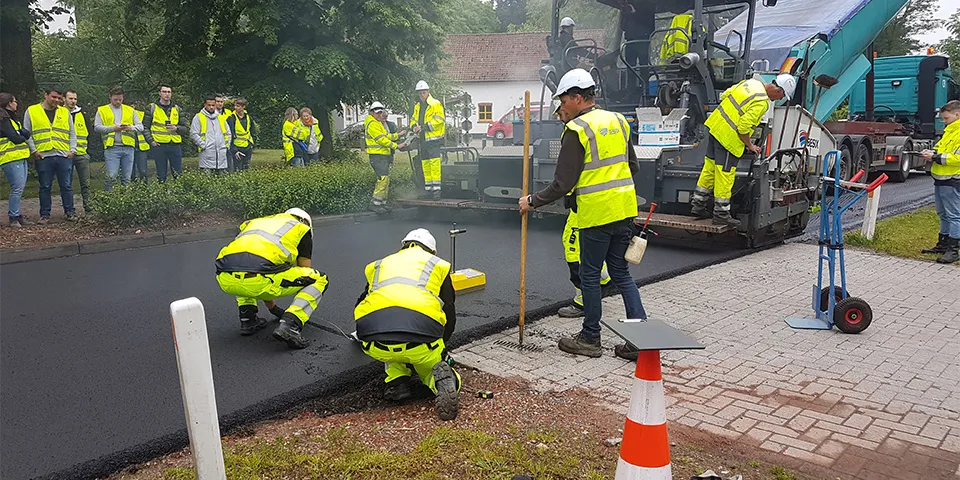
The REjuveBIT project focuses on sustainable asphalt through the use of rejuvenators.
Sustainable road construction
“Agentschap Wegen en Verkeer and Havenbedrijf Antwerpen laid the first-ever trial sections, the first in Retie and the second in the port of Antwerp,” explains doctoral student Geert Jacobs. “A total of five trial sections will be laid in Flanders, each constructed by a different contractor and using a range of rejuvenators. This will allow these new materials, which are also being trialled in our neighbouring countries, to be thoroughly assessed for the Flemish industry. The assessment will look at factors including the required quality and environmental benefits.”
“A rejuvenator helps the aged bitumen in milled asphalt perform more sustainably during recycling. At least, that is what suppliers claim, and previous laboratory research has borne this out,” says Geert Jacobs. “If the results on the road are also positive, meaning sustainable, high-quality asphalt mixes, this will enable Flanders to make greater and more efficient use of reclaimed asphalt. This will reduce the environmental footprint of asphalt mixes and help the industry move towards more sustainable road construction.”
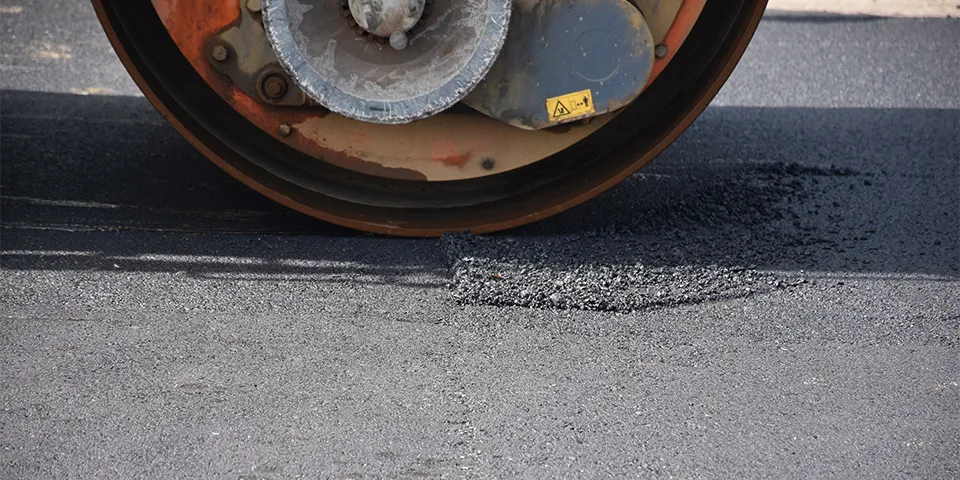
A total of five trial sections will be laid in Flanders, each constructed by a different contractor and using a range of rejuvenators.
Five trial sections
The use of reclaimed asphalt in the binder course is already permitted. This project will also assess its potential use in the surface course. Five demonstration trial sections in Flanders will be used to evaluate the technical impact of rejuvenators in surface and binder courses, looking at mix design, mechanical properties and traceability. From 20 May, Agentschap Wegen en Verkeer spent two weeks resurfacing the N123 between Retie and Kasterlee. The work zone covered around 7 kilometres between the two village centres. The old road surface was milled off and replaced with new asphalt. Three days later, Havenbedrijf Antwerpen started similar works on Steenlandlaan in Beveren.
In Retie, three sections of around 150 m were laid as trial sections: one with no reclaimed asphalt and no rejuvenator, one with 20 % reclaimed asphalt and no rejuvenator, and one with 40 % reclaimed asphalt and a rejuvenator. “Time will tell how the different sections compare in terms of durability, but given the laboratory test results, we are confident that the asphalt containing rejuvenating additives will perform well,” says Geert Jacobs.
This project calculates the direct economic impact for the target group across the five trial sections. The wider societal benefits include better preservation of road infrastructure and a lower environmental footprint at higher production volumes. These benefits are demonstrated in the project through comparative LCA studies of the 5 trial sections against a reference construction, using Global Warming Potential, Depletion of resources and Waste Management, Air pollution, Toxicity, Recyclability, Performance and Service life as the key parameters.
Question about this story? Ask your question
Keep following this
Get an email when a new story is published. No account needed.
- ThemeFuture-proofing roads and railways
- SubjectGeneral







