









Solar Panels: An Energy Source for the Future of Civil Engineering and Infrastructure
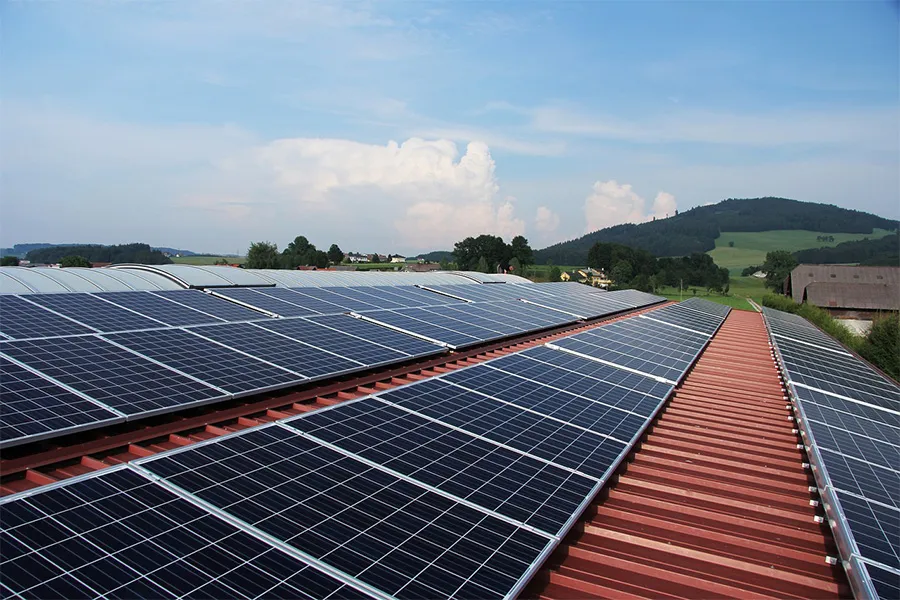
In the ever-evolving civil engineering and infrastructure sector, the need for sustainable energy sources is becoming increasingly important. One such source that civil engineering and infrastructure companies are increasingly considering is solar energy. By investing in solar panels, these companies can not only contribute to the environment, but also reduce their energy costs.
The civil engineering and infrastructure sector, which encompasses a wide range of projects, from the construction of roads and bridges to water management and urban development, is vital to the Belgian economy and infrastructure. However, the sector also consumes a considerable amount of energy, which has a negative impact on the environment. Solar energy can offer a solution here.
Buying solar panels can be a sustainable and cost-effective investment for these companies. Solar panels can be installed on the roofs of offices and storage facilities, as well as directly on construction machinery or temporary construction sites. The energy generated can be used for lighting, machinery and other energy needs on site.
A recent report by the Belgian Federal Public Service Economy shows that an average civil engineering and infrastructure company can offset up to 60% of its energy consumption by investing in solar energy. In addition, companies that produce surplus energy can sell it back to the grid, providing an additional source of income.
However, the initial investment can be off-putting for many companies. Depending on the size of the installation, costs can range from a few thousand to hundreds of thousands of euros. It is therefore crucial for companies to carry out a thorough cost-benefit analysis before investing in solar panels.
Solar panels are also dependent on weather conditions and can be less efficient on cloudy or rainy days, which can pose a challenge in the Belgian climate. In addition, solar panels have a limited lifespan and their performance can decline as they age. This means that, over time, companies may face additional costs for replacement or maintenance.
Integrating solar energy into business operations also requires thorough planning and infrastructure adjustments, which can be a complex and time-consuming process in some cases.
However, the Belgian government has recognised that the transition to renewable energy sources such as solar energy is essential for the future of the civil engineering and infrastructure sector. Various subsidies and financial support measures have therefore been made available to encourage companies to invest in solar energy.
Despite the challenges, the benefits of solar energy for the civil engineering and infrastructure sector cannot be ignored. Reducing dependence on fossil fuels, lowering energy costs and contributing to national climate change targets are just some of the benefits solar energy offers.
In conclusion, buying solar panels is an investment in the future for civil engineering and infrastructure companies. With the right planning and support, solar energy can play a key role in making the sector greener. It is an opportunity for companies to reduce their energy consumption and environmental footprint, while contributing to Belgium’s sustainability objectives. Solar panels are no panacea, but they are an important tool in the toolbox for a more sustainable future in civil engineering and infrastructure.
Question about this story? Ask your question
Keep following this
Get an email when a new story is published. No account needed.
- ThemeStrengthening waterways and coastlines
- SubjectGeneral







