Infrabel makes overhead lines greener with major contract for Antwerp-based company
Text and images Infrabel
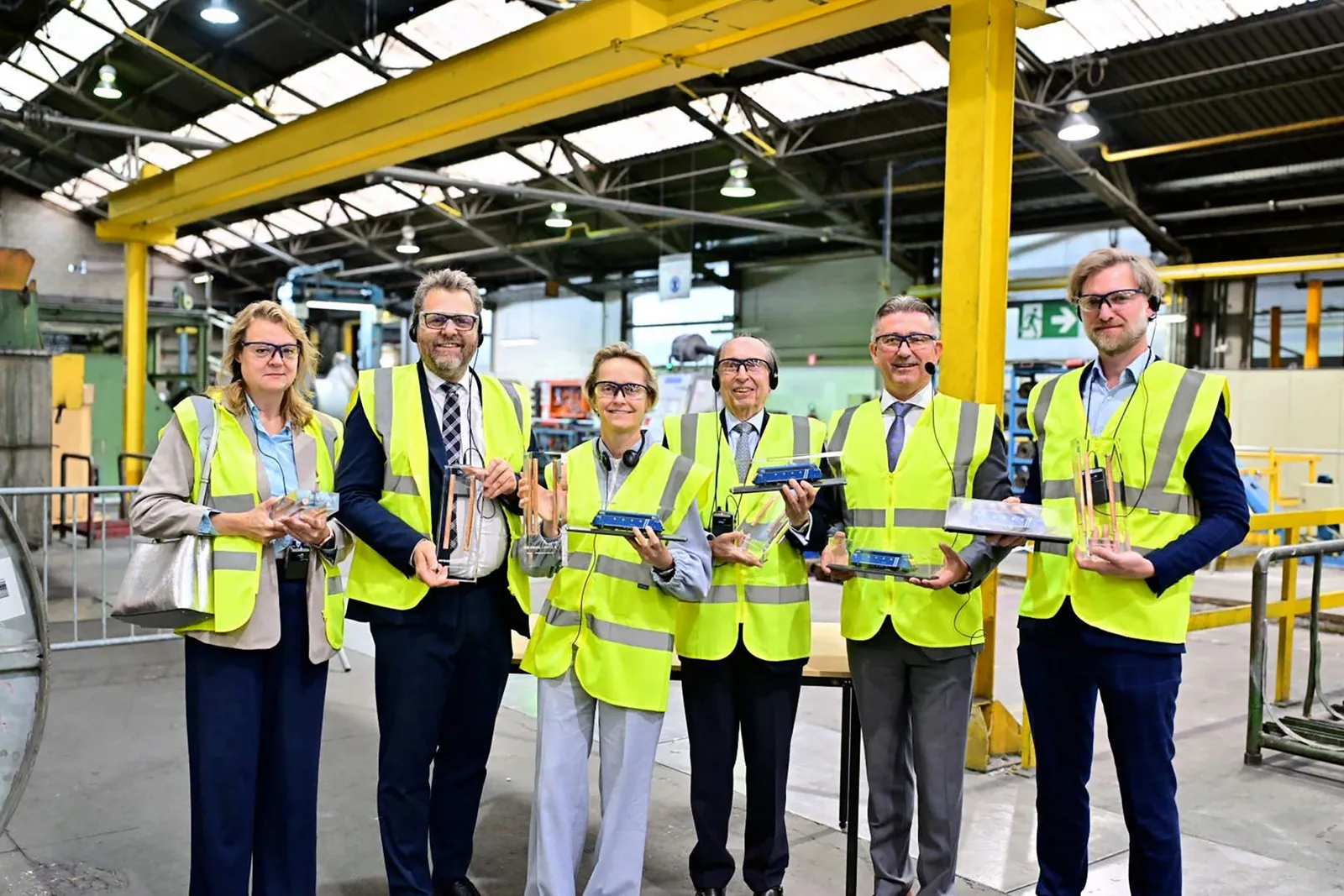
Infrabel is continually renewing its overhead lines at multiple locations. The rail infrastructure manager recently signed a new strategic contract with Lamifil for the supply of copper wires and cables. With an innovation grant from the Flemish Government, the cable manufacturer from Hemiksem developed a more environmentally friendly and cost-effective way to produce its cables. As a result, the new overhead lines are not only better for people and the environment, they also conduct electricity more efficiently, saving more energy.
Belgium’s rail network is highly electrified. More than 90% of its main lines have overhead wires (around 6,000 km). Put simply, the wires and cables that make up the overhead line fall into two categories: the contact wire and the supporting wires. The pantograph on the roof of an electric train makes contact with the contact wire, supplying the train with power. The supporting wires, which are attached to the overhead line masts, hold the contact wire up and also conduct electricity.
The overhead line is a crucial part of the rail infrastructure, supplying trains with power at 3,000 or 25,000 volts. It is therefore essential that the wires and cables are of high quality. Damage to the overhead line, for example due to incidents involving the pantograph and overhead line or breaks at level crossings caused by over-height lorries, always has a direct impact on the punctuality and regularity of train services. The overhead line is therefore not something remote from everyday concerns.
The overhead line is a critical link in the rail infrastructure as a whole. It therefore needs regular maintenance and must be renewed at the end of its service life. To ensure security of supply, Infrabel signed a three-year framework contract, which can be extended twice by one year each time, covering maintenance of its existing network, the annual renewal of around 90 km of overhead line and the expansion of the electrified network.
Cost-saving, greener overhead lines
Following the statutory procurement procedure, the contract was awarded to Lamifil.
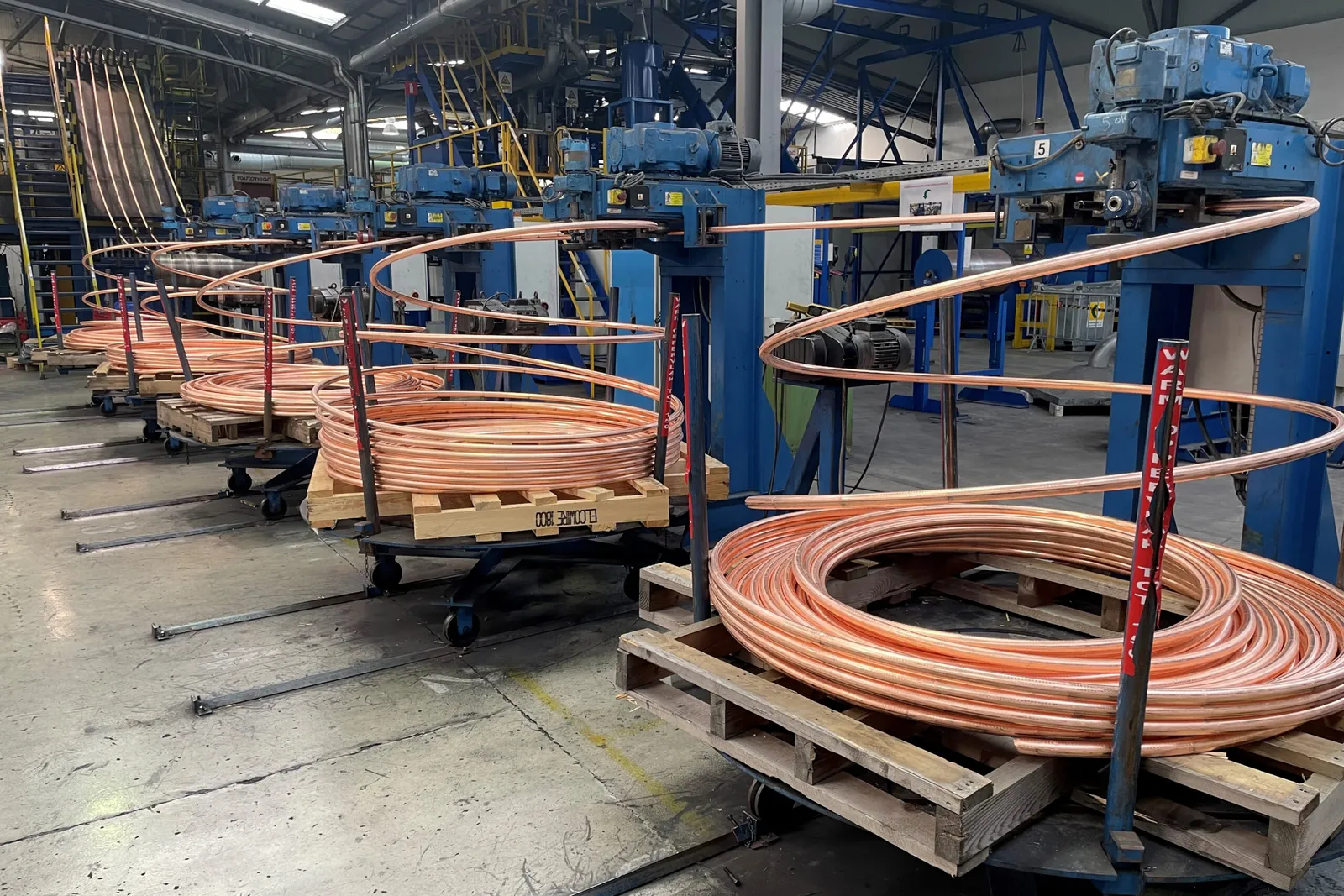
The cable manufacturer from Hemiksem developed a new alloy, a mixture of metals, without cadmium, an element that until now was needed to give the cables the right mechanical and electrical properties. This heavy metal is harmful to the environment and has not been used in the infrastructure manager’s contact wires for some time, but it is still used in the supporting wires. In time, overhead lines will therefore contain no cadmium. Better for people and the environment.
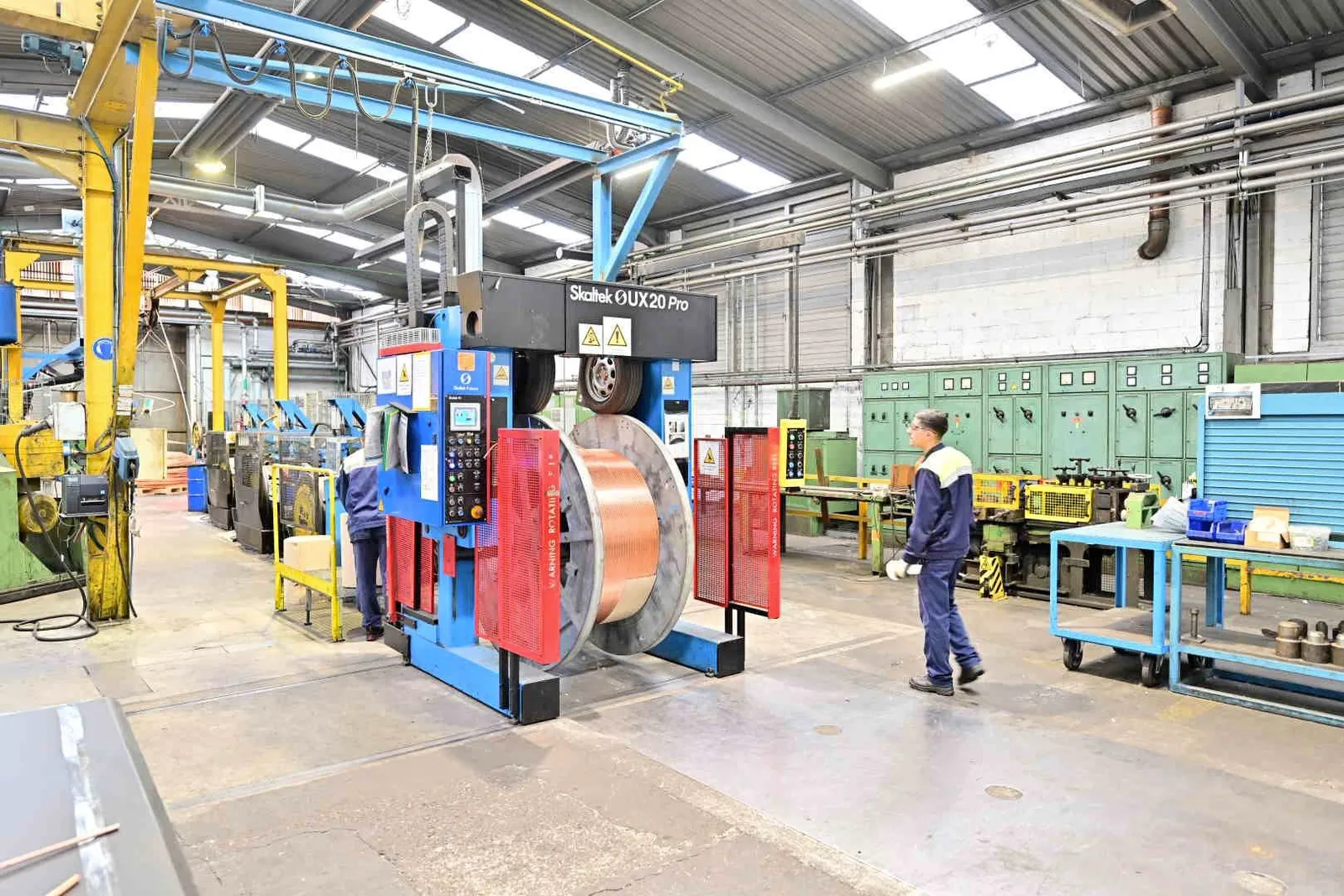
Through extensive research and development, the Antwerp-based wire and cable manufacturer succeeded in producing a new alloy, Powerfil®, that makes the new wires and cables as mechanically strong as the existing version while also conducting electricity more efficiently. This is good news, because the new, greener wires and cables use less energy. The higher a cable’s conductivity, the less energy is needed.
Innovation grant
Innovation takes time and resources. The process from concept to finished, tested product takes as long as seven years. Lamifil received an innovation grant of €826,274 from the Flemish Government to develop the new alloy. This substantial support covered a significant proportion of Lamifil’s costs. The funding not only enabled the company to research industrially viable alternatives to cadmium-containing copper cable, it also showed that the Flemish Government believed in the innovation.
In addition to the Flemish Government, Infrabel was an important and reliable partner in this project. The infrastructure manager placed its trust in the cable manufacturer and also made its infrastructure available for testing the new copper wires and cables for 1 year in Bilzen and between Mol and Hamont.
Powerfil® was initially developed for railway applications, but the new alloy is now also used, in adapted form, in the aerospace and medical sectors.
Important for the economic fabric
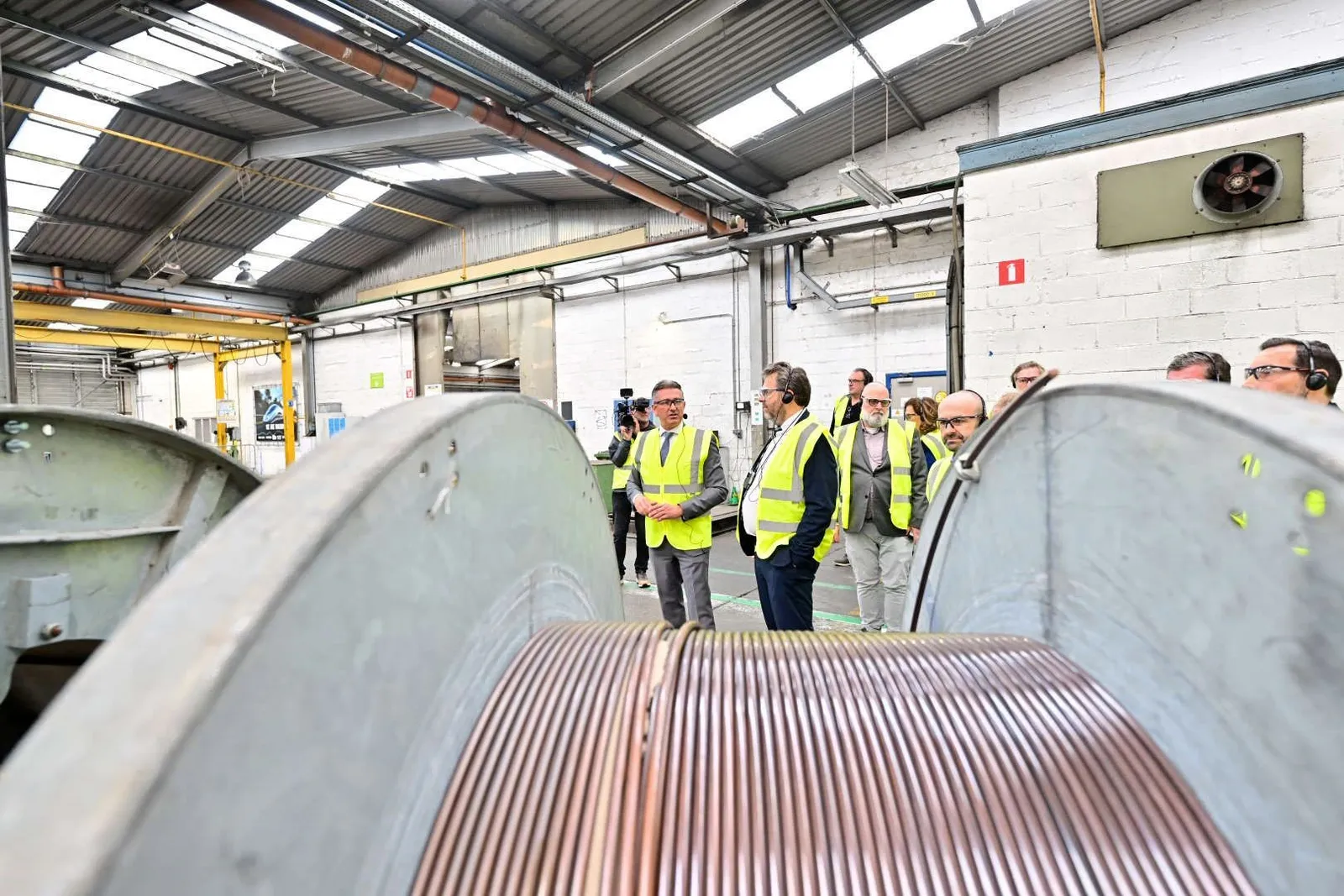
The €45 million multi-year contract is important in several respects. It ensures security of supply and enables the infrastructure manager to carry out its core task. It also represents a significant capital injection into the Belgian economy. Infrabel receives almost one billion euros in annual funding from the federal government. A substantial proportion of this is reinvested in the Belgian economy. The contract with Lamifil is a good example.
Question about this story? Ask your question
Keep following this
Get an email when a new story is published. No account needed.
- ThemeFuture-proofing roads and railways
- SubjectRail engineering