









Flanders shares Smart Shipping expertise with (stakeholders in) Europe
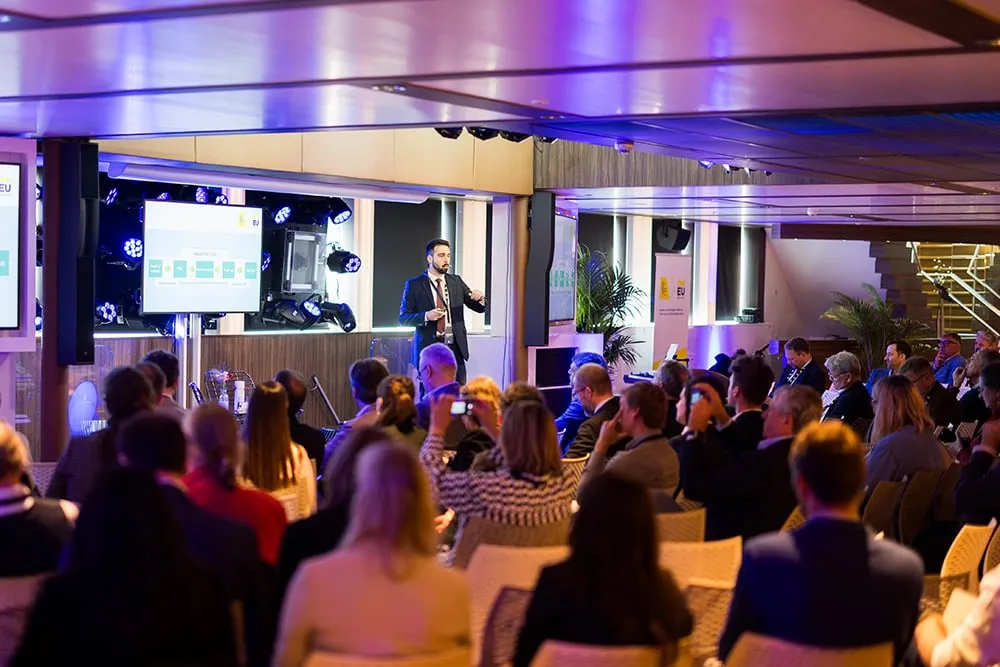
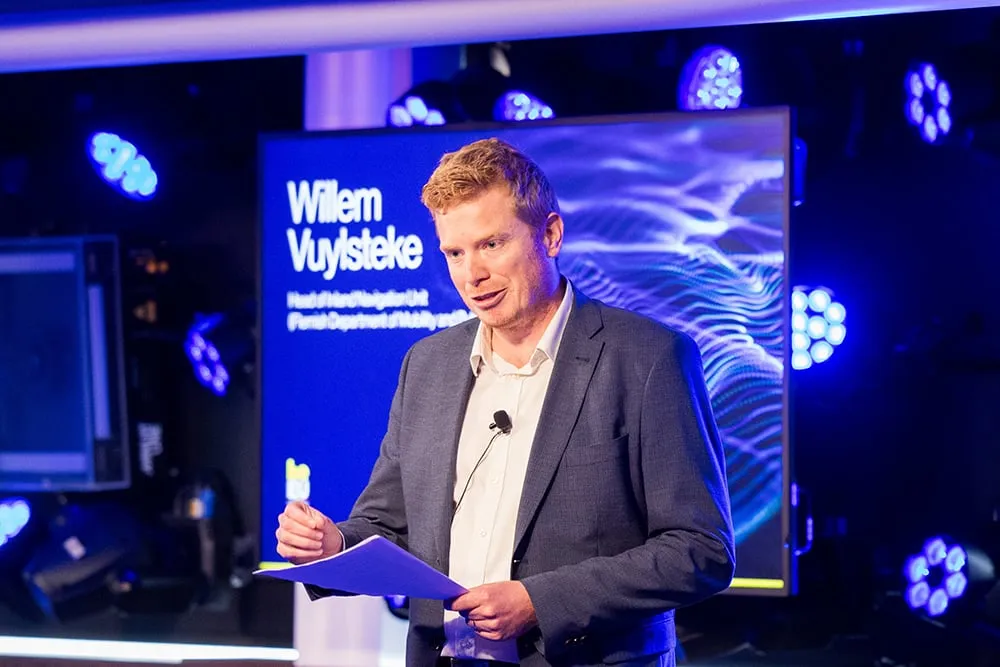
Antwerp, 16 May 2024: The Smart Shipping Conference took place aboard the ship Blue Rhapsody. Flanders showcased Flemish technology and policy on Smart Shipping as part of its Presidency of the Council of the European Union. The aim was to mobilise and inspire the European network. The focus was specifically on the challenges facing the inland shipping sector and how Smart Shipping can offer solutions. The Smart Shipping Conference was organised by the Department of Mobility and Public Works and De Vlaamse Waterweg nv.
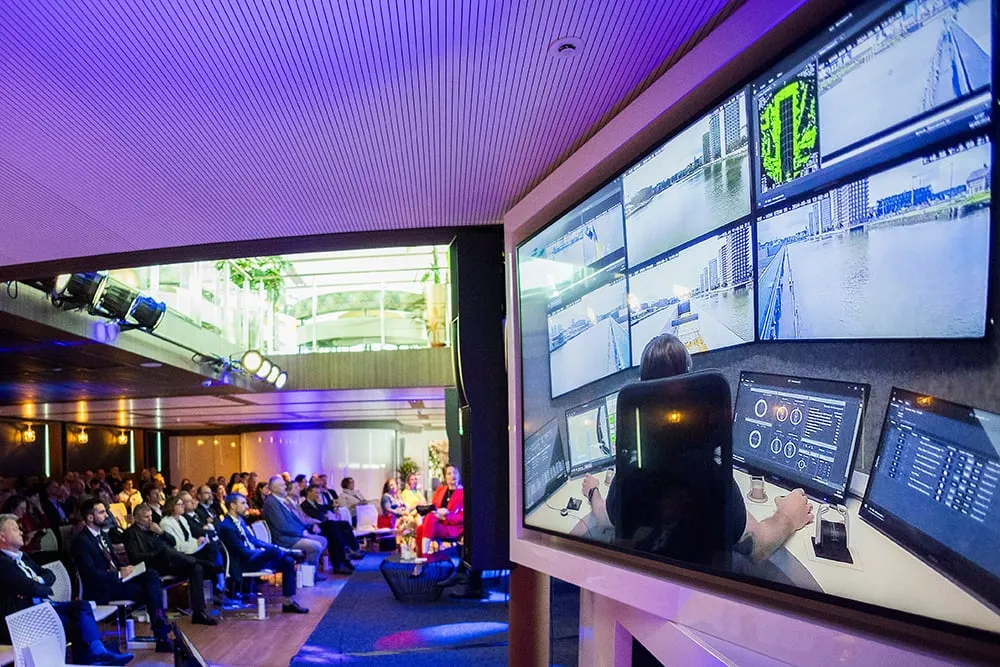
As well as a series of inspiring keynote speeches, the conference featured two engaging panel discussions. The first panel explored innovative technologies already in use and the challenges Smart Shipping could help solve, while the second focused on regulation and safety. A live demonstration from the remote control centre, including a connection to a remotely controlled vessel, impressively illustrated the range of possibilities.
Smart Shipping: challenges and opportunities
The inland shipping sector faces numerous challenges in a world that is becoming increasingly digital and continues to change. But these challenges also bring opportunities. Smart Shipping, an emerging technological revolution, offers innovative solutions that can transform the sector and strengthen its sustainability, efficiency and competitiveness.
With growing concerns about climate change and environmental protection, clean transport solutions are becoming increasingly important. Inland shipping has a key role to play in achieving the European Green Deal’s policy objectives. A significant shift in freight transport to inland waterways is essential if we are to reach a zero-emission society by 2050. Smart Shipping can play a crucial role by enabling vessels to operate more efficiently, reduce fuel consumption and minimise harmful emissions. Automated vessels are often designed to run on batteries or other, greener energy sources.
Alongside decarbonisation, inland shipping faces challenges in safety and efficiency. Smart technologies such as advanced sensors, automated systems and artificial intelligence can improve vessel monitoring and management. This not only reduces the risk of accidents, but also improves overall operational efficiency.
Another major challenge for the inland shipping sector is the growing shortage of qualified and skilled personnel. Smart Shipping can help address this problem by automating tasks and shifting the role of human crew from operational to strategic. This could not only alleviate the staff shortage, but also improve working conditions on board vessels, making the profession more attractive to younger generations.
Automation and decarbonisation go hand in hand. Smart Shipping can contribute to the development of new types of vessel, including smaller ones. The use of smaller vessels and waterways is declining because there is a shortage of new skippers. Deploying automated vessels creates new business cases and new freight flows on inland waterways. This in turn strengthens the position of inland shipping in the logistics chain. It also encourages a shift from congested, busy roads to waterways.
“To tackle these challenges and seize the opportunities offered by Smart Shipping, it is essential for the inland shipping sector to work with technology companies, policymakers and other stakeholders,” said the Flemish Minister for Mobility and Public Works. “By investing together in the research, development and implementation of smart technologies, we can future-proof the inland shipping sector and strengthen its position as a sustainable and efficient mode of transport. Harmonising regulations across Europe is crucial to unlocking the full potential of cross-border automated shipping. Above all, it provides a stable framework in which companies can test and implement innovative technologies.”
The closing remarks reflected a shared ambition to address the challenges facing the inland shipping sector in an era of change, with innovation and new technologies at its heart. By working together across borders and jurisdictions, we hope this Smart Shipping Conference will inspire action and help shape an approach that enables a more resilient and sustainable future for inland shipping.
Presidency of the Council of the European Union
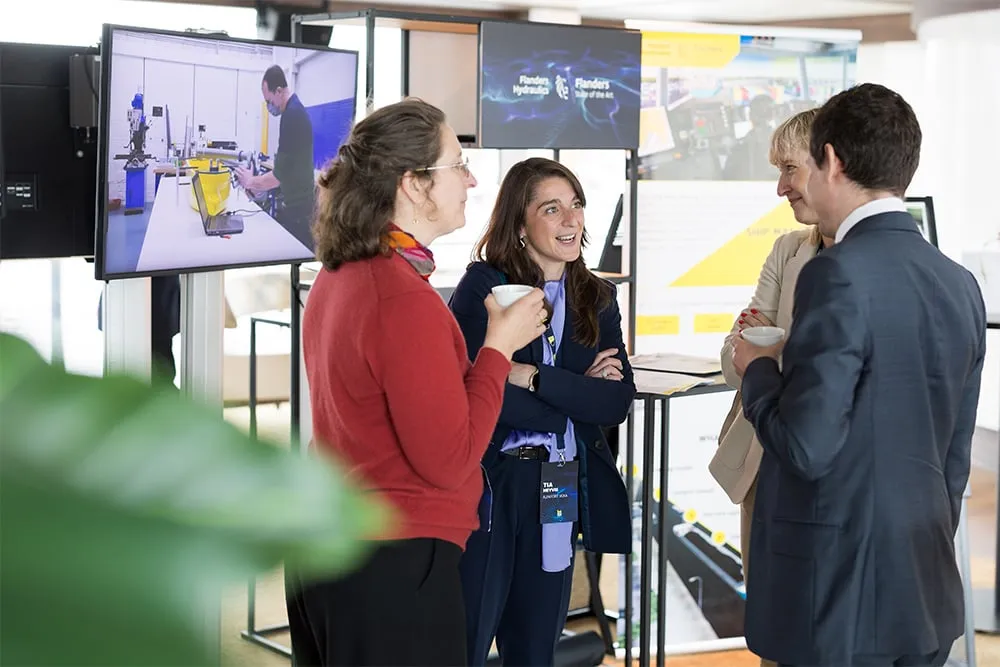
The Smart Shipping Conference was organised by the Department of Mobility and Public Works and De Vlaamse Waterweg nv. It was part of a series of networking events held during Belgium’s Presidency of the Council of the European Union. Attendees included representatives of the European Commission, industry organisations, the industry and international experts from other member states.
Question about this story? Ask your question
Keep following this
Get an email when a new story is published. No account needed.
- ThemeStrengthening waterways and coastlines
- SubjectGeneral







