









The new role of concrete
Text Joris Hendrickx Beeld COPRO, PROCERTUS, Webeco, Martens Beton, Stradus
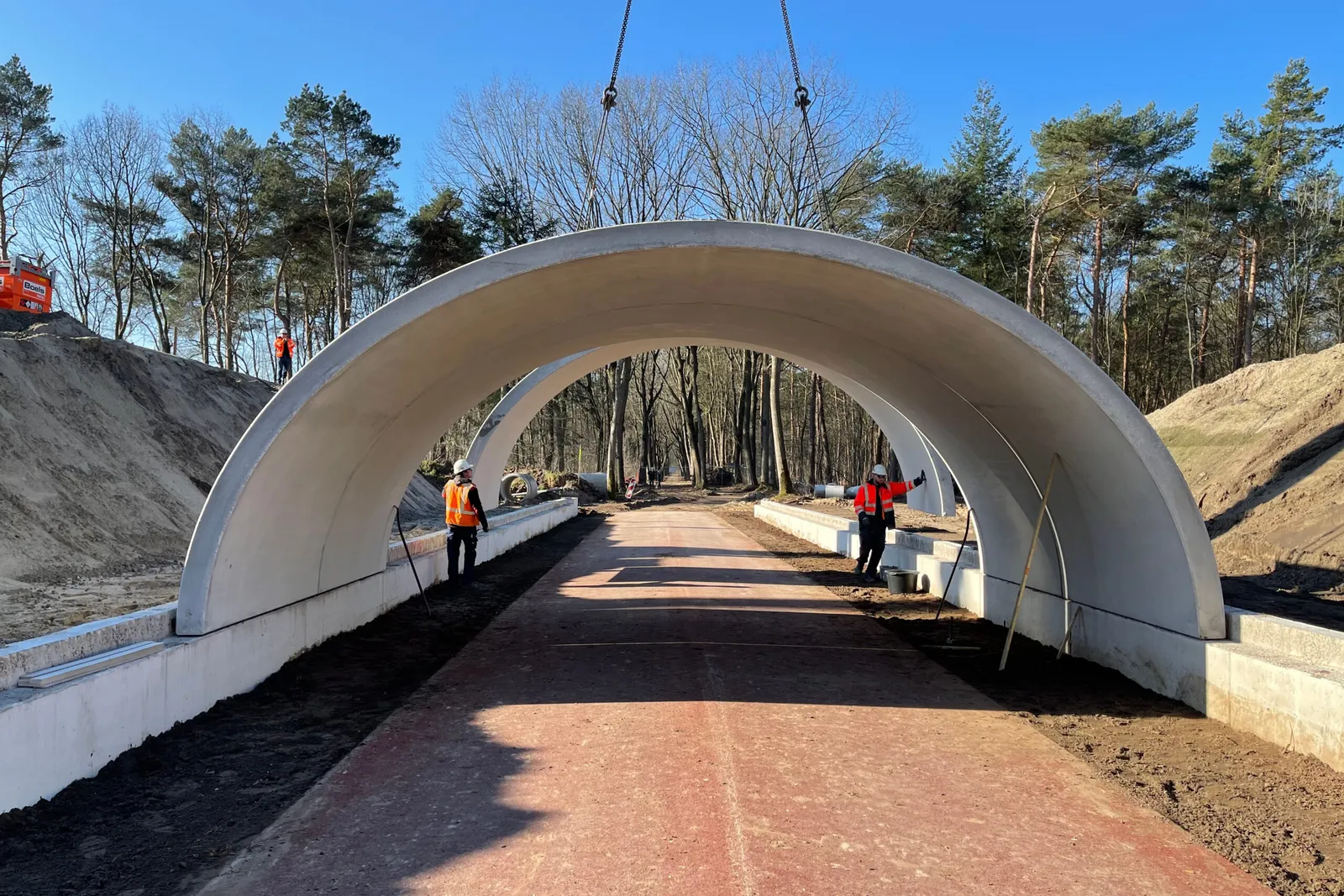
Concrete remains an essential material in civil engineering. Bridges, tunnels, quays and sewerage works still rely on concrete structures. Yet the sector is changing rapidly. Flanders is stepping up its focus on circular construction, lower CO₂ emissions and stricter environmental standards. As a result, concrete is taking on a new role. Strength and cost are no longer the only considerations. Environmental performance is also carrying increasing weight.
Flemish Concrete Agreement sets the agenda
At the end of 2022, dozens of Flemish companies and organisations signed the Flemish Concrete Agreement. The sector is thereby committing to reducing CO2 emissions from concrete production and increasing the use of circular materials. The agreement is aligned with the European Green Deal and the Flemish Energy and Climate Plan.
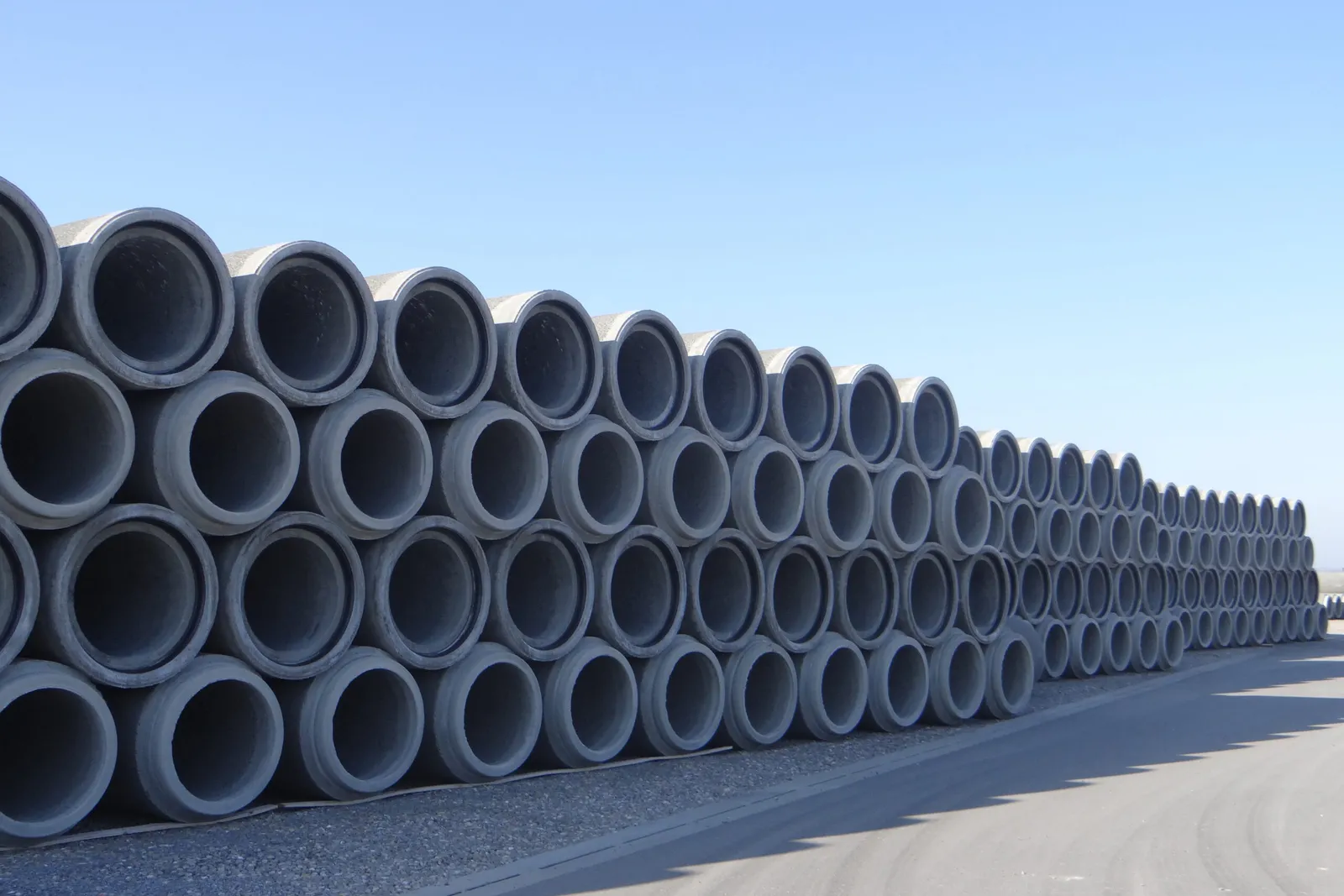
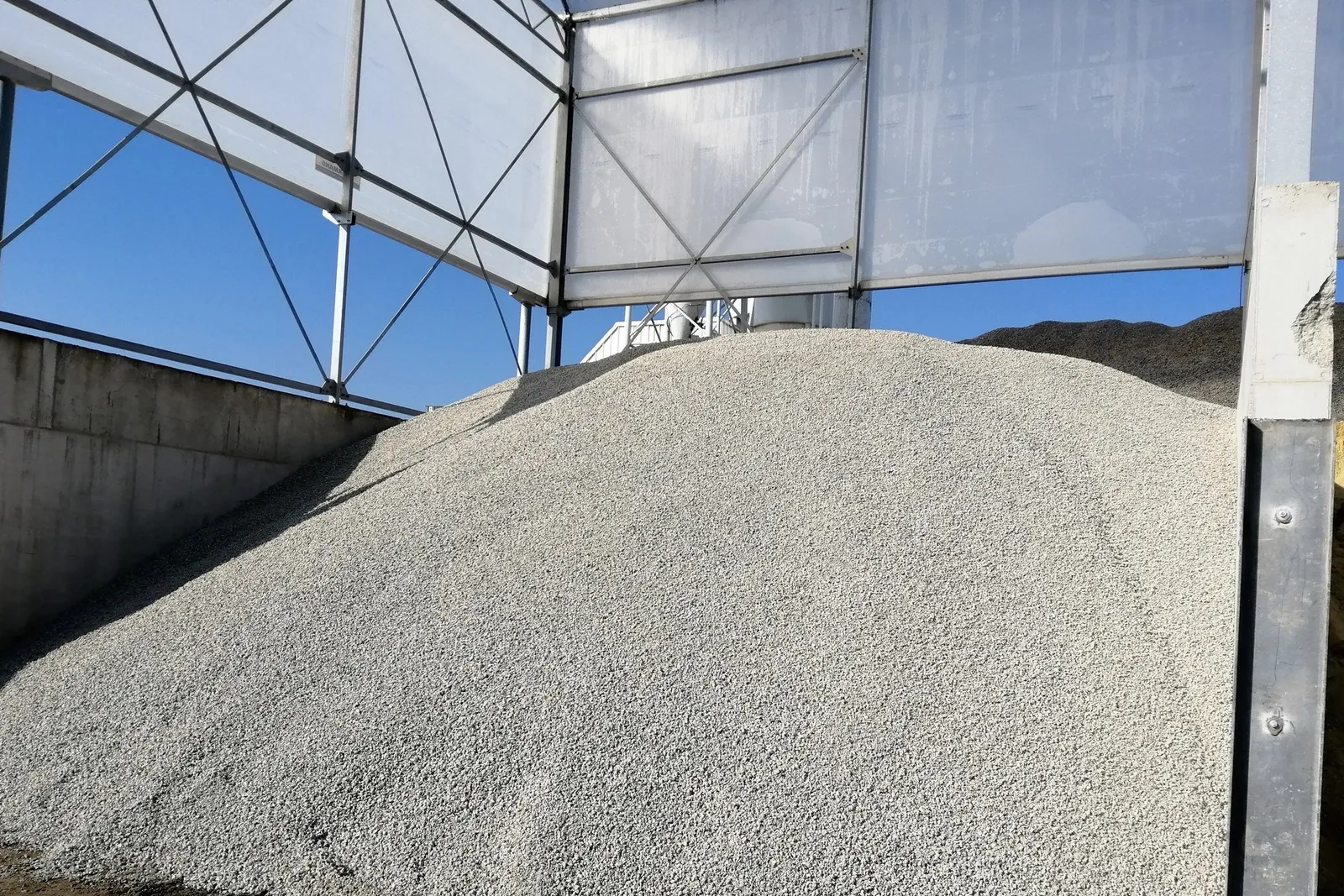
In the civil engineering sector, there is growing interest in recycled materials in particular. Concrete rubble is increasingly being given a second life as high-quality aggregate in new applications. This reduces the use of primary raw materials. According to sector organisations, there is still considerable potential here. Today, some recycled concrete still ends up in lower-grade applications. In time, high-quality recycling must become the new standard.
Low-CO2 concrete is becoming increasingly important
Cement production causes substantial emissions worldwide. Producers are therefore looking for alternatives. In Flanders, the use of blast furnace slag, alternative binders and circular aggregates is growing. This enables the sector to significantly reduce concrete’s climate impact. Smarter design also plays an important role. Engineers are increasingly reducing the volume of concrete without compromising safety or service life.
New concrete mixes with much lower environmental cost indicator (MKI) scores are also coming onto the market. The Environmental Cost Indicator measures the environmental impact of materials over their entire life cycle. The lower the score, the more sustainable the material.
New environmental regulations are changing tendering
Environmental performance is increasingly helping determine which contractor wins a project. Low emissions and the use of circular materials are therefore becoming just as important as price and delivery time. This is increasing pressure on concrete producers to make their mix designs and production processes more sustainable. Standards are expected to become even stricter in the future. Several sector organisations are therefore calling for clear measurement methods and realistic transition periods.

Digitalisation accelerates innovation
New technology is helping the sector become more sustainable faster. Digital monitoring tools now provide an accurate picture of the environmental performance of concrete mixes. This gives contractors and clients a clearer view of the actual impact of materials.
Artificial intelligence is also gaining ground. AI systems optimise concrete mix designs and predict long-term performance. This is leading to mixes with less cement but the same technical quality.
Precast concrete is also continuing to gain importance in the civil engineering sector. Precast elements shorten construction times, reduce transport and minimise material waste on site.
Circularity is becoming the new standard
The Flemish concrete sector is facing a major transformation. Circularity, CO2 reduction and measurable environmental performance are playing an increasingly decisive role in infrastructure projects. For contractors and producers, this means investing in innovation, recycling and new production techniques. At the same time, opportunities are emerging. Companies that act now will strengthen their position in a market where sustainability carries increasing weight.
Question about this story? Ask your question
Keep following this
Get an email when a new story is published. No account needed.
- ThemeMaterials with a lower environmental impact
- SubjectConcrete







