









The environment at the heart of the cement sector’s strategy
Text and images FEBELCEM
FEBELCEM has recently published its 2022 environmental report. It is a representative compilation of the concrete steps taken by the cement industry on environmental matters. The aim is to explain initiatives that are still too little known, both among the general public and our construction partners. The report is not only a snapshot of current good practice, but also offers perspectives on how to address societal challenges, particularly the climate challenge.
Cement is the indispensable ingredient in construction. It is the binder that brings aggregates together to form a strong, durable and readily available material: concrete. Concrete is and remains an essential material for transport infrastructure, active mobility, renewable energy and sustainable housing. Concrete offers many well-known advantages not only in its primary use, but also in the context of circular construction: both the reuse of concrete structures and the recycling of concrete aggregate from demolition and dismantling are being accelerated and applied more widely.
The cement industry’s role in the circular economy is also reflected in the cement production process. Over recent decades, cement companies have gradually become an essential link in the functioning of a wider industrial network: they are central to what is known as industrial symbiosis. Cement companies make it possible to recover and recycle waste from other industries through their production processes, at several stages of cement production. Today, almost 60% of the fuel needed to operate cement kilns comes from alternative fuels. Examples include contaminated sludge from water treatment plants, sawdust from impregnated wood and various types of waste from recycling activities. This approach, known as co-processing, enables the recycling of mineral resources while recovering energy from the combustible fraction of waste. The solution our sector provides for waste management is crucial to developing the circular economy, recycling and reducing greenhouse gas emissions.
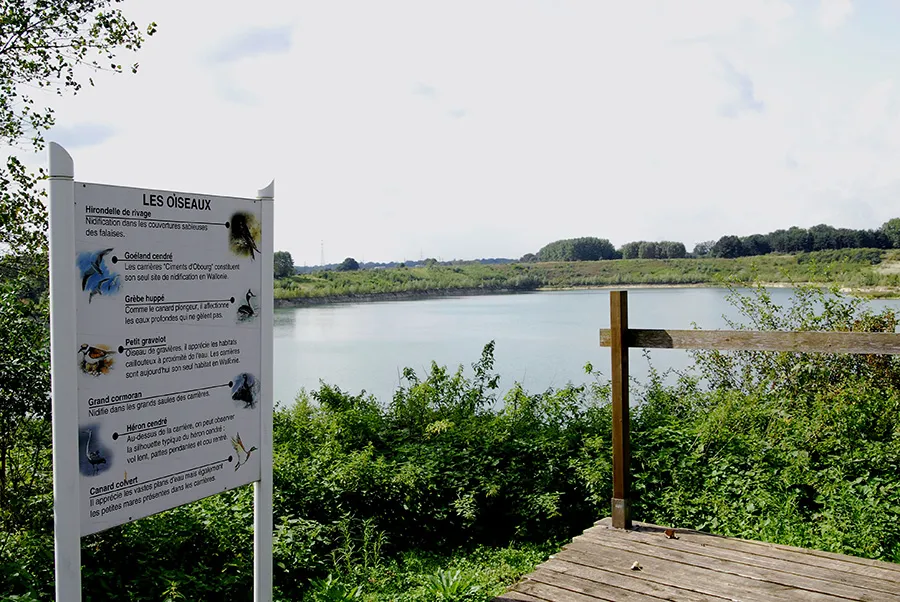
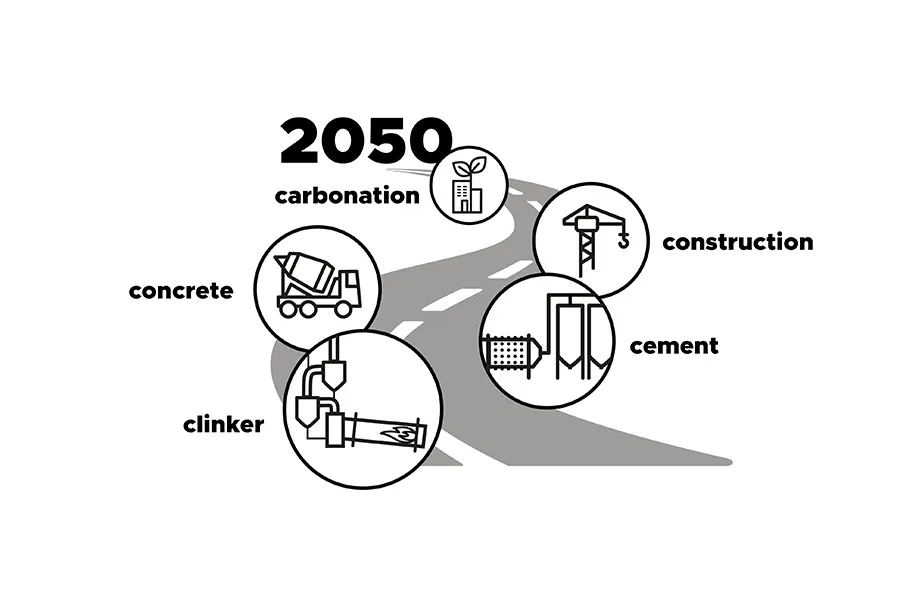
The 2022 Environmental Report is designed to be read in full or by selecting any of its various chapters. It is aimed at anyone who wants to discover or learn more about us. The central element is, of course, the ‘Cement & Concrete Roadmap 2050’, built around the ‘5 C’s’ and the various levers that will make cement carbon-neutral. One chapter is devoted to the circular economy and the rational use of raw materials. And when we talk about raw materials, we also think of quarrying and the preservation of biodiversity at these sites during and after extraction.
The 2022 Environmental Report is available on the FEBELCEM website.
Question about this story? Ask your question
Keep following this
Get an email when a new story is published. No account needed.
- ThemeMaterials with a lower environmental impact
- SubjectConcrete







