









The cement industry is becoming more sustainable: a technological, economic and societal revolution
Text Björn Crul Beeld Febelcem
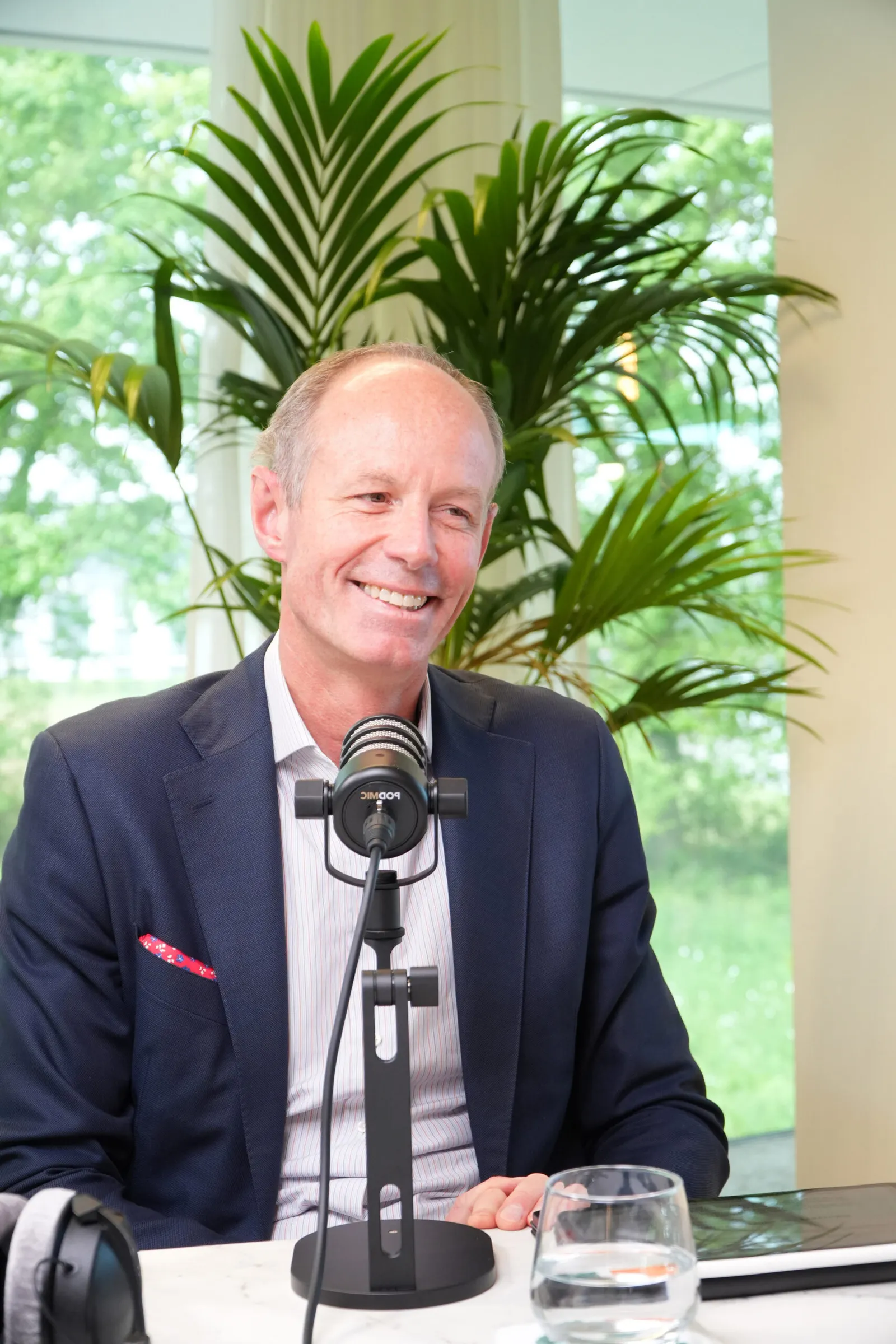
The cement sector is often criticised for lagging behind on sustainability. Yet behind the image of this heavy industry lies a very different reality. Belgium’s cement sector is currently undergoing a far-reaching transformation. Hervé Camerlynck, director of industry federation Febelcem, explains more about this technological, economic and societal revolution.
Cement is the binder in concrete, “the artificial stone that you can cast into any shape you like”, as Hervé Camerlynck describes it. Concrete has helped shape modern architecture. The sector accounts for 3% of Belgium’s CO2 emissions, but Camerlynck says these figures need to be seen in the right context: “People often focus on CO2 emissions, while forgetting how important cement and concrete are to our society. Without these materials, you simply cannot put up buildings or develop new infrastructure.”
Cement is also a product that contributes directly to our strategic autonomy. It is distinctly local, with its aggregates sourced directly from our quarries. Ecological alternatives are being developed, but none are yet available on a large scale. Camerlynck emphasises the sheer volumes involved: “In Belgium, we use around 40 million tonnes of concrete. A solution for a few hundred tonnes or a few cubic metres does not really help. We need solutions that can be deployed on a large scale.”
Cement production is also a highly energy-intensive process. Limestone is heated to 1,400 °C, inevitably releasing CO2 through the chemical reaction of decarbonation. Neutralising these emissions is the challenge set out in Febelcem’s Net Zero Roadmap. Belgium is already setting a good example. “While the European average is 650 kg of CO2 per tonne of cement, Belgium is already down to 520 kg. That is a 30% reduction since 1990.”
The three pillars of sustainability
To achieve net zero emissions, the sector’s roadmap relies on three major industrial levers. The first is energy optimisation. “Belgian cement plants are replacing fossil fuels with sorted, non-recyclable waste. These alternative fuels already supply more than 60% of the energy used in the kilns. The aim is to increase this share to 90%,” says Hervé Camerlynck.
The second lever is changing the composition of cement. “Clinker, the active component of cement and the main source of CO2 emissions, has been partially replaced for decades by equivalent materials such as blast-furnace slag, an industrial by-product of pig iron production. Other alternative materials are now also possible, such as calcined clay. It is heated to much lower temperatures, so less energy is needed.”
The third lever is carbon capture and storage (CCS). “After it is captured and purified, the CO2 is compressed and transported through pipelines. The aim is to inject and store it in former gas reservoirs in the North Sea.” Hervé Camerlynck wants to dispel scepticism about this approach: “It may seem like a revolutionary technology, but it is not. CO2 has been captured in other sectors for 50 years.”
A new lease of life for Belgian industry
The infrastructure for transporting and storing CO2 is expected to be operational in Belgium by 2030-2031. “Developing the CO2 transport network is truly comparable to building the canal network in the late 19th and early 20th centuries. We are on the brink of an industrial revival.”
The investment required is immense: hundreds of millions of euros for each site where CO2 is captured. The cement sector will therefore have to make crucial investment decisions in the coming months. “We are at a critical point, when cement producers must decide whether they are willing to dig deep again and invest in their future,” warns Hervé Camerlynck.
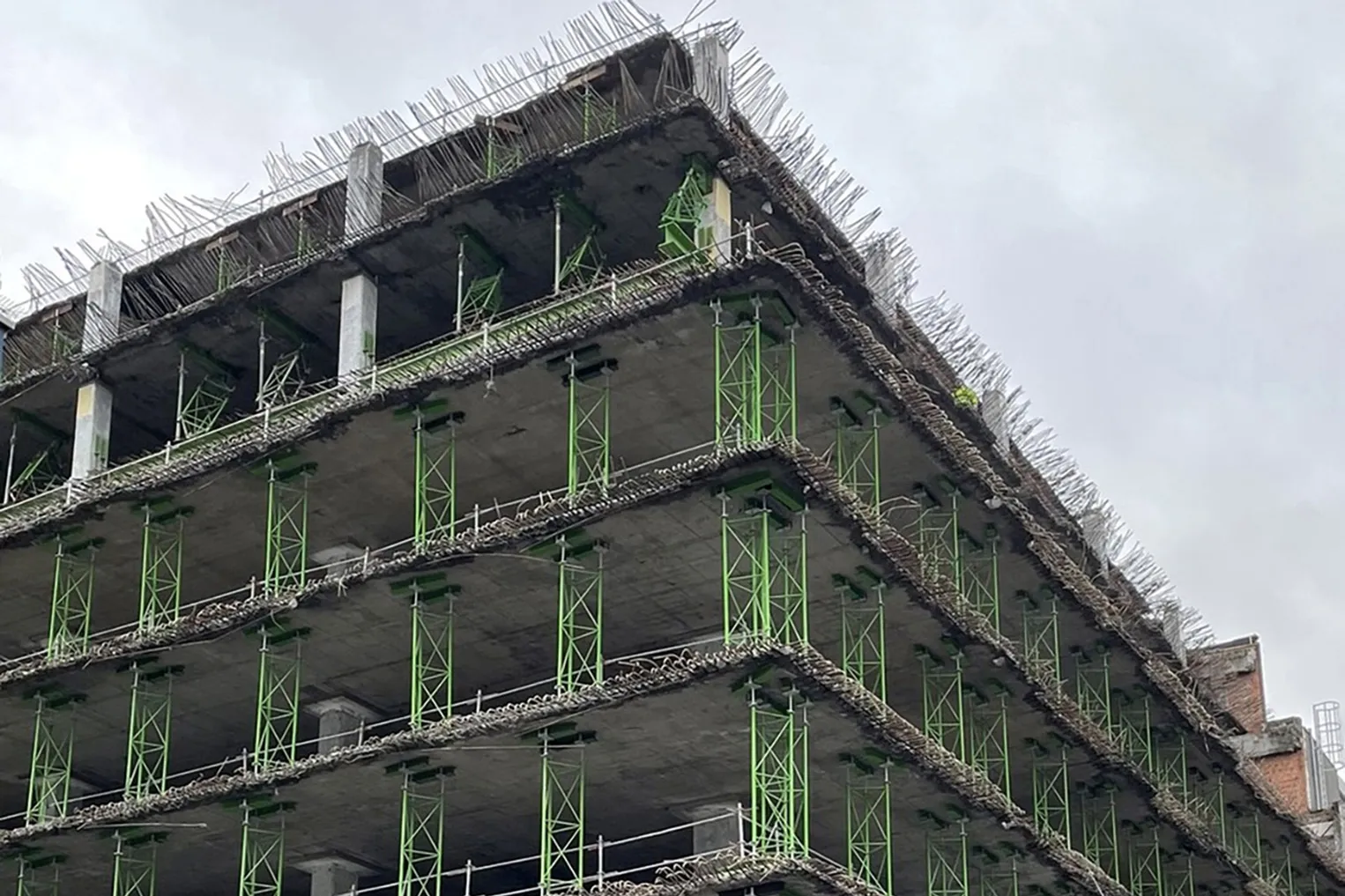
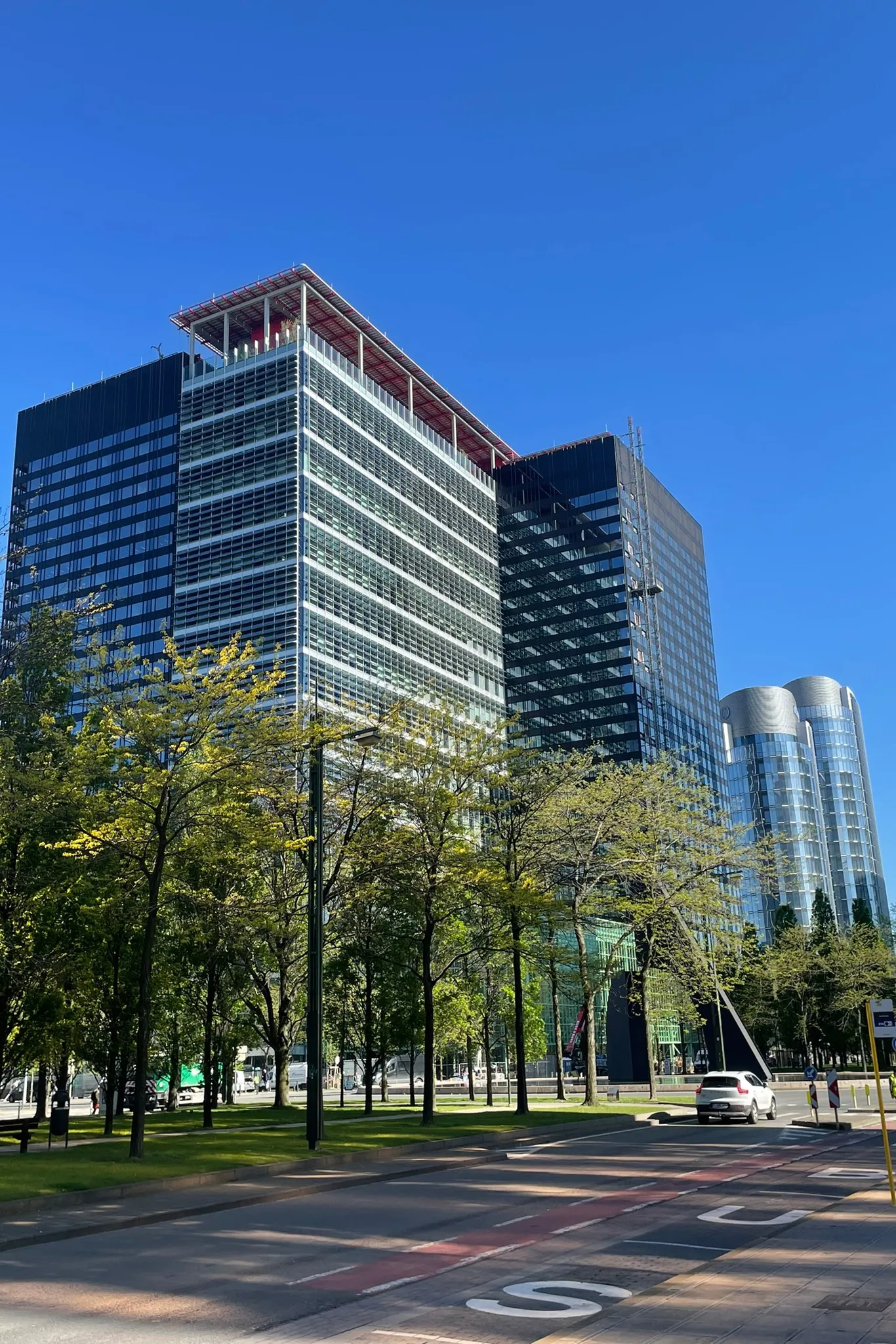
At the same time, circular construction is gaining ground, driven by a new generation of engineers and architects: young people who want to take action on climate change. “Leading projects such as the renovation of the ZIN tower in Brussels show that it is now possible to preserve and reuse existing concrete structures. Concrete is a material designed to last for hundreds of years. Sustainability does not mean giving up traditional materials, but rather giving them a new future,” concludes the director of Febelcem.
Question about this story? Ask your question
Keep following this
Get an email when a new story is published. No account needed.
- ThemeMaterials with a lower environmental impact
- SubjectConcrete







