









Science and data as levers for extending the service life of reinforced concrete structures
Text Joris Hendrickx Beeld Sanacon
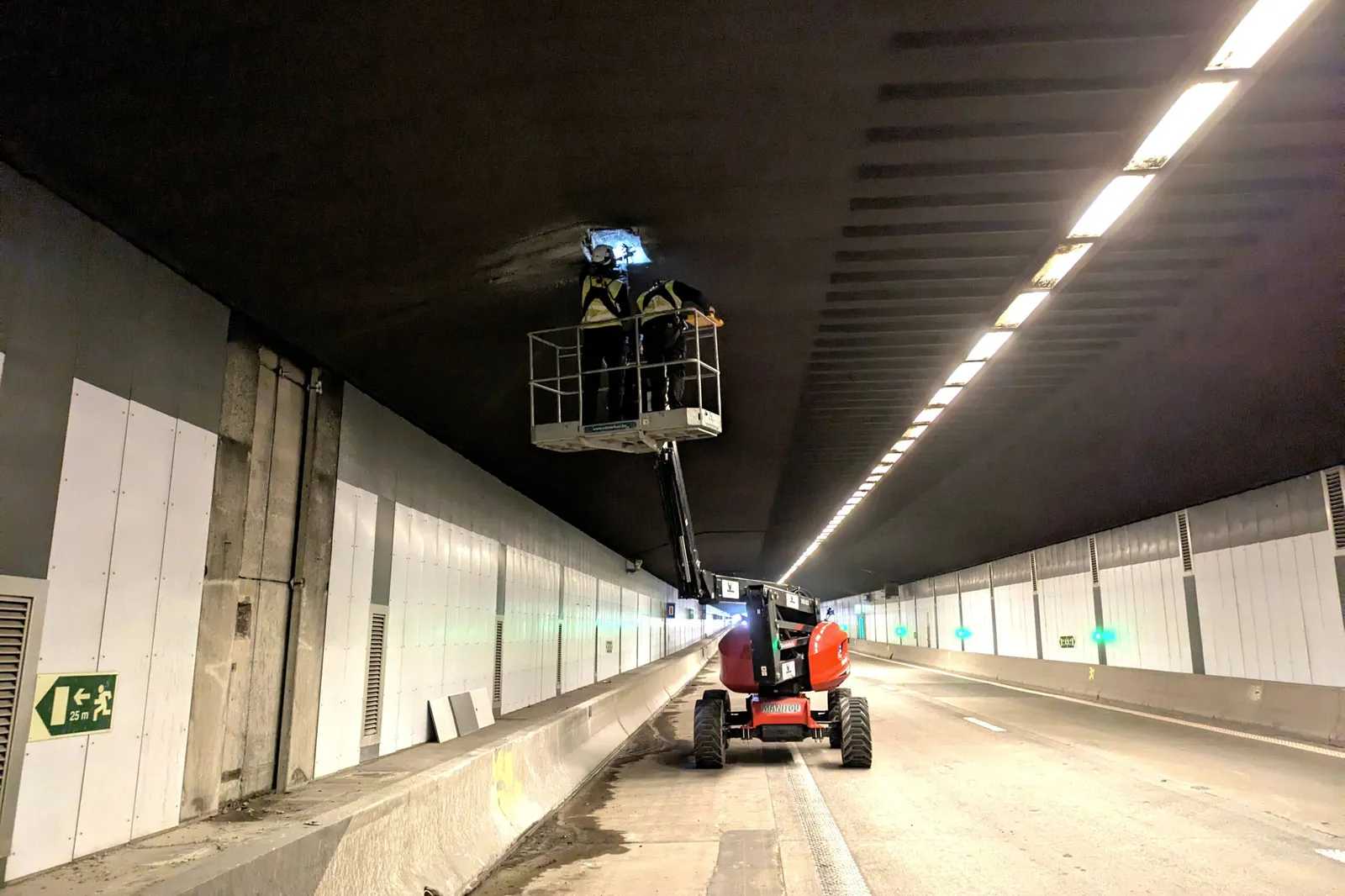
Concrete structures may look indestructible, but ageing, loads and environmental conditions all leave their mark. Managing risks and keeping costs under control takes more than a visual inspection. SANACON combines measurements, laboratory testing and data analysis to provide targeted advice. Managing director Tim Soetens and project manager Annelies De Wit explain how this approach keeps concrete structures safe and in service for longer.
From university spin-off to specialist group
“My co-managing director Mathias Maes and I set up SANACON as a spin-off from UGent. Initially, we focused on providing advice on concrete damage, but our scope has since broadened to extending the service life of all structures,” says Soetens. “We have since grown into a group of three companies that complement one another: SANACON (engineering & consultancy), BETON+ (sampling and laboratory testing) and DIMCOST (data platform, service-life extension calculation tool and asset management).”
“SANACON now has 13 engineers who investigate existing buildings and infrastructure structures every day using scientifically validated methods. We assess their current condition and turn our findings into practical advice on how to protect, repair or strengthen them to extend their service life.”
Beverentunnel: better data, better advice
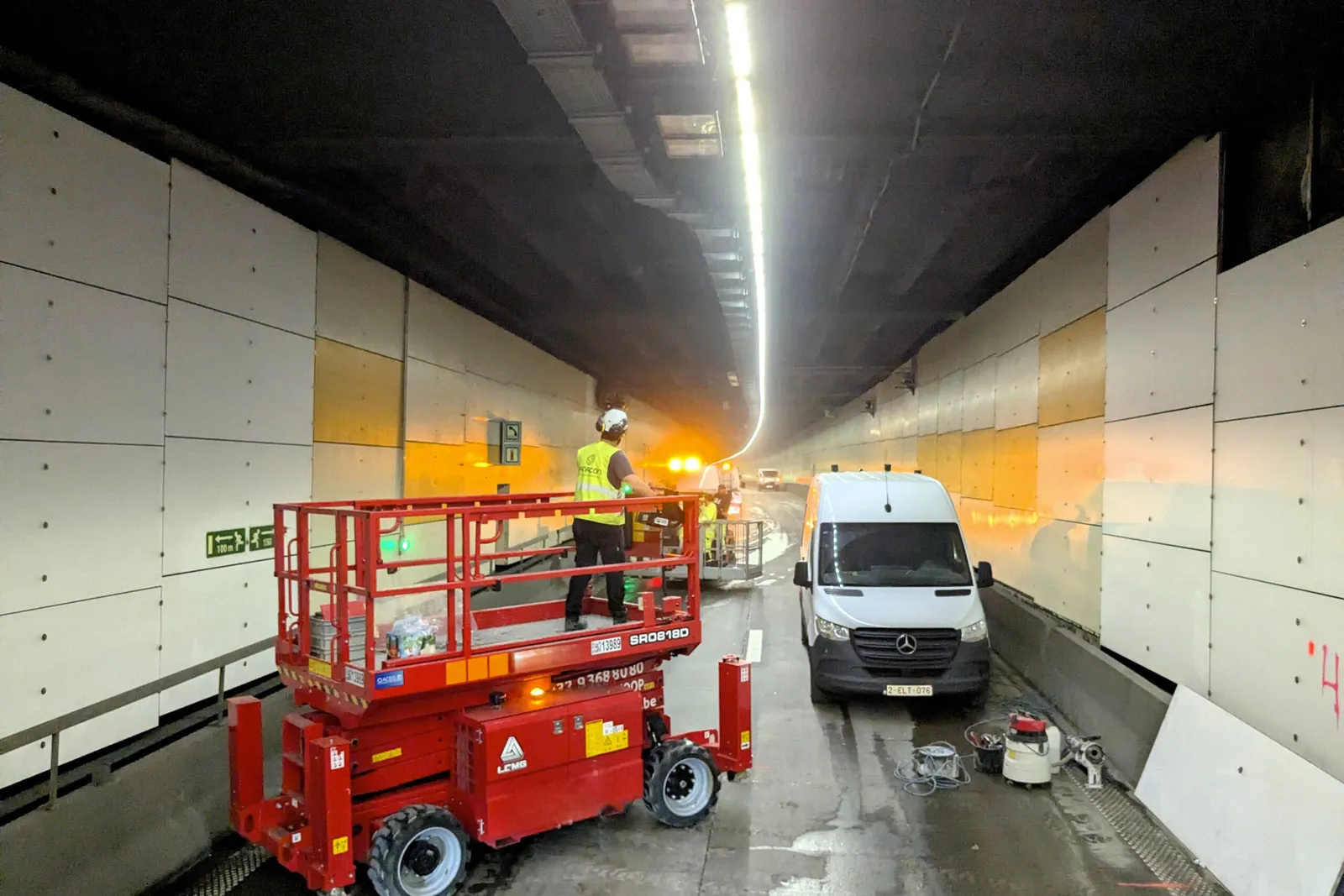
During the renovation of Antwerp’s Beverentunnel, it became clear that previous site findings did not fully correspond with the analysis reports available. “The conclusions were too simplistic and based on too limited a dataset,” explains Annelies De Wit. “That is why the Agentschap Wegen en Verkeer commissioned us to provide a second opinion.”
Additional sampling provided clarity. “We identified two different types of concrete, each requiring a different approach,” says De Wit. “The additional data also allowed us to clearly distinguish between areas where a general approach was sufficient and areas with local problems caused by leaks.”
For these high-risk locations, SANACON immediately recommended specific repair and maintenance measures. Other areas still required monitoring, but no immediate action. “We are now looking into using sensors there,” says De Wit.

Making the invisible visible with sensors
Visual inspections often reveal only a fraction of the problem. “Concrete damage is like the tip of an iceberg,” says Soetens. “Rust stains or cracks often point to an underlying process that has been under way for a long time. New technological developments allow us to expand our investigation techniques by installing sensors, enabling us to monitor the condition of concrete structures in real time.”
“This allows us to detect damage hidden behind cladding and avoid repeated tunnel closures for inspections or costly preventive measures across the entire project. We then analyse all the data in DIMCOST to identify failure probabilities and priorities.”
Jan De Vostunnel: assessing the roof’s service life and load-bearing capacity
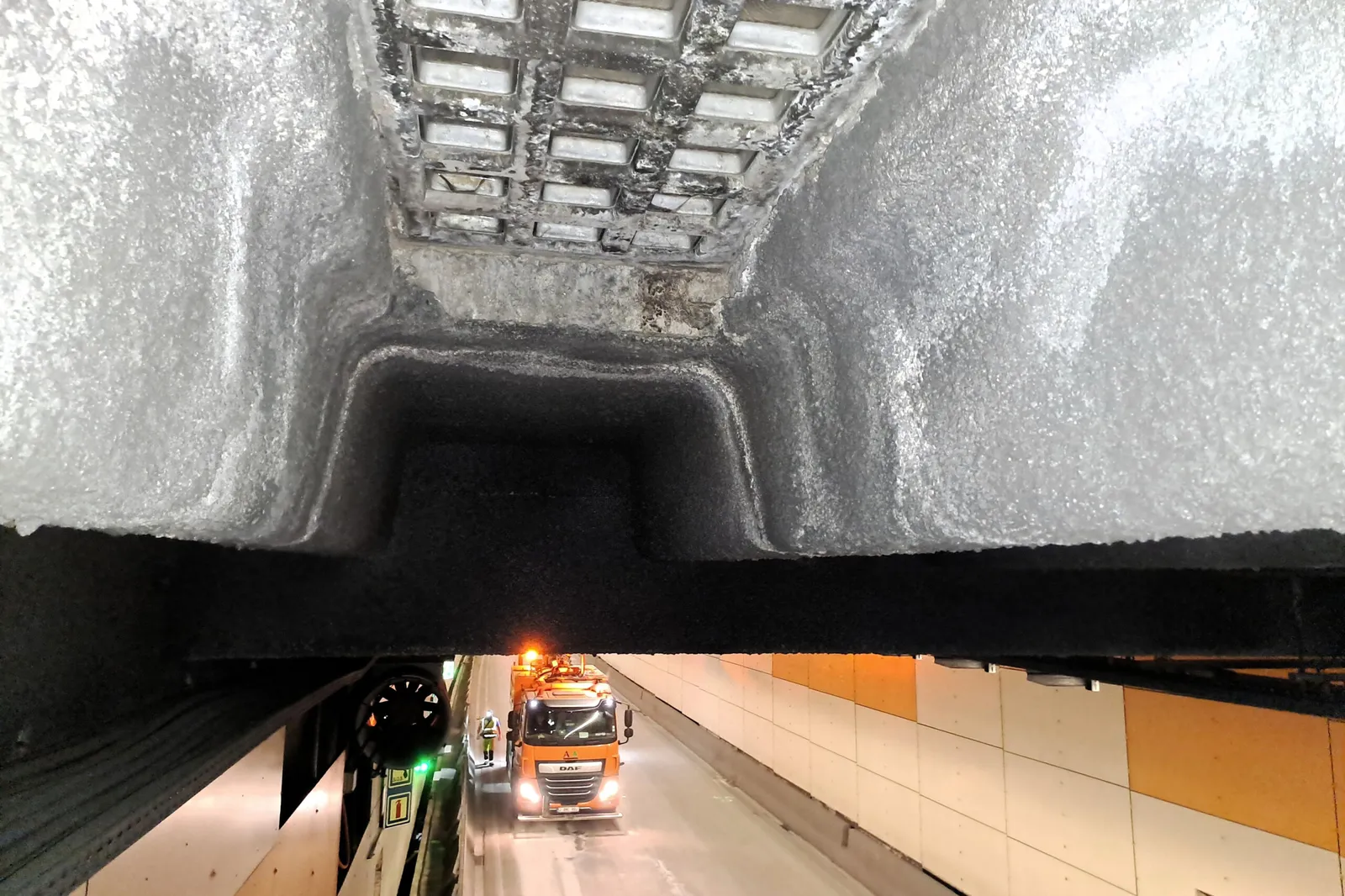
As part of the ‘Ringpark Zuid’ project, a section of the A112 will be covered. The section being placed underground will connect to the existing Jan De Vostunnel. Commissioned by AWV and Stad Antwerpen, SANACON is carrying out an in-depth investigation into the condition of the existing structure.
De Wit: “Our approach makes it possible to propose and design durable repair techniques. Sanacon is therefore not only helping to extend the service life of existing infrastructure, but also actively supporting the future of smooth, sustainable mobility in and around Antwerp.”
Europahaven quay wall: integrate rather than replace
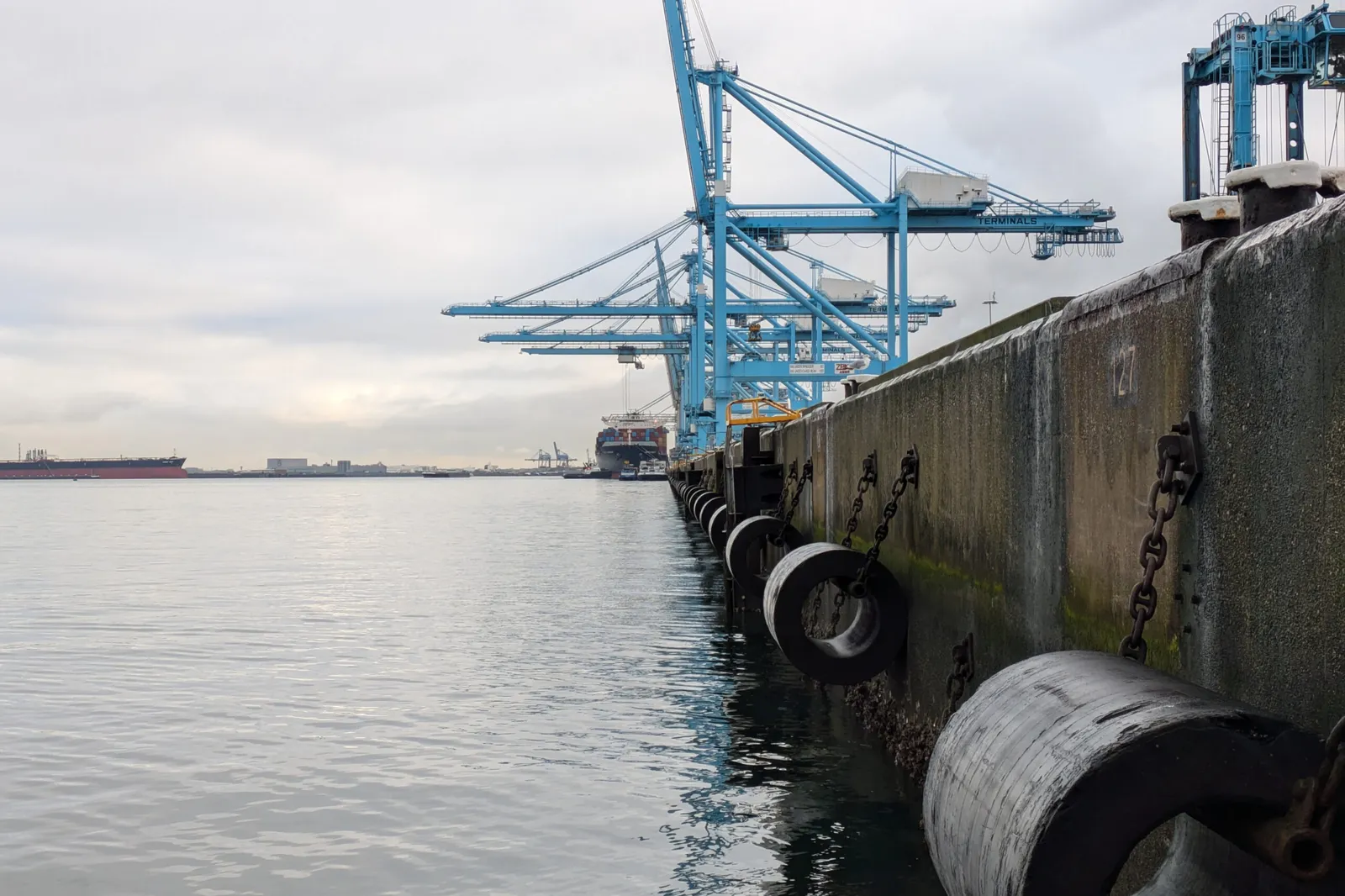
In Rotterdam, SANACON is investigating whether an existing quay wall can be incorporated into a new quay in a deepened harbour channel where larger vessels can berth. “Full replacement is not always necessary,” says De Wit. “Integrating the existing quay into a new design saves time, money and materials, and therefore reduces the project’s environmental footprint.”
However, the quay was nearing the end of its design service life, and seawater accelerates wear. “Our measurements and models show the potential for extending its service life and integrating it, alongside a number of targeted measures. This insight enables sustainable choices without compromising safety,” concludes De Wit.
Een zakelijke vraag aan Sanacon bv? Get in touch
Companies in this story
Keep following this
Get an email when a new story is published. No account needed.
- ThemeMaterials with a lower environmental impact
- SubjectConcrete
- CompanySanacon bv







