









PROCERTUS: a multisectoral, future-focused certification body
Text Joaquim Dupont Beeld Procertus
At the end of March 2024, the former certification bodies BE-CERT, PROBETON and OCAB-OCBS officially merged to form a new, accredited entity, named PROCERTUS. The new non-profit certification organisation aims to make the best use of the strengths and expertise of the three former bodies to harmonise certification procedures and promote the development of innovative, sustainable solutions for the entire construction sector.
A logical merger in the interests of the sector
The coming together of BE-CERT and PROBETON began in 2021, and came about quite naturally, explains Caroline Ladang, PROCERTUS’s first managing director: “As BENOR sectoral bodies for similar products, we had already been working closely together for some time. By coincidence, we both had to leave our premises at the same time. We seized the opportunity to share an office in Evere, further strengthening our collaboration. During the same period, I also took over the day-to-day management of PROBETON, and synergies between our organisations became increasingly important. There are indeed many similarities between mortar, ready-mixed concrete and precast concrete products. Certification of concrete constituents, previously organised by BE-CERT, plays an important role in the design and quality control of precast concrete products, which traditionally fell under PROBETON’s responsibility.”
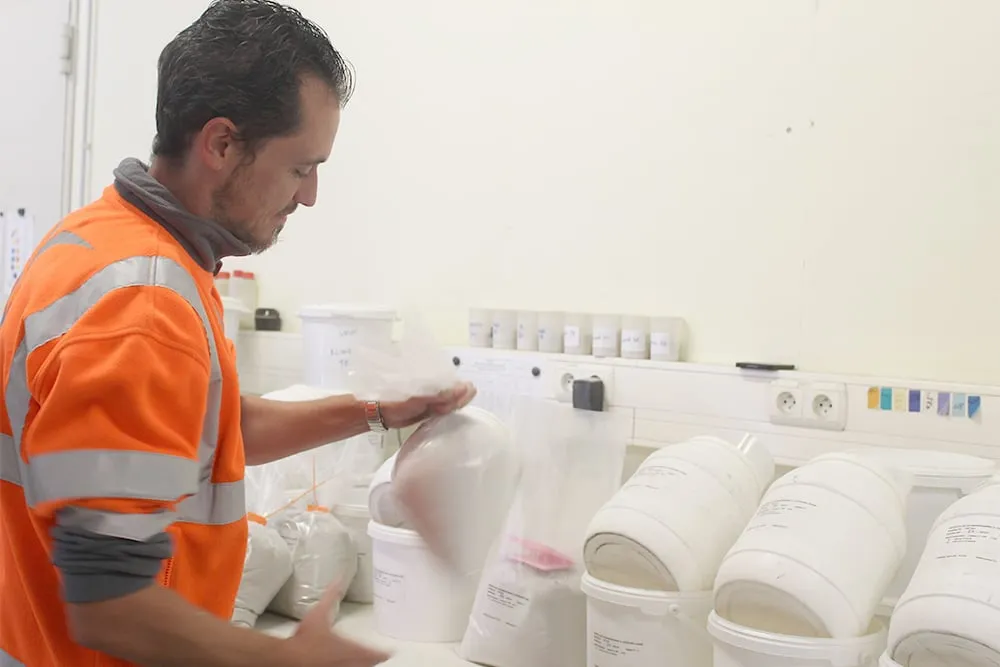
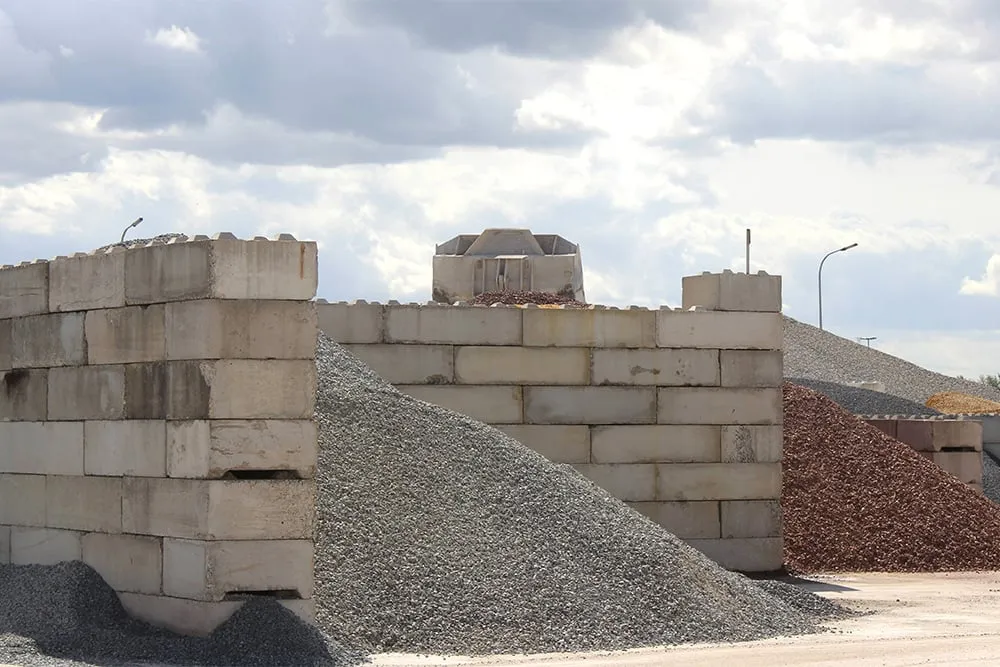
A little later, the two entities also joined forces with OCAB-OCBS, a certification body for structural steel: “The interests of all three bodies aligned, so the creation of a single entity seemed the obvious choice,” she adds. PROCERTUS now has three clusters: Materials (1), Mortar and Concrete (2), and Steel (3), reflecting the specialist areas of the three former organisations.
Under this new banner, PROCERTUS aims to make the most of synergies between these different areas to create new opportunities, particularly in innovation and circularity.
Numerous exciting challenges
As a result of this structural change, Caroline Ladang sees many challenges ahead for the newly unified organisation, particularly in streamlining procedures, always with the aim of making certification a clear, logical and transparent process. She also points to a persistent obstacle: finding suitable staff. “This is certainly not a new problem, but given PROCERTUS’s wide range of activities, it is clear that we need to maintain and even expand our workforce, focusing on continuous training and broadening expertise in specific sectors.”
The new managing director also highlights another key priority relating to the green BENOR label: “BENOR vzw wants to develop the environmental aspects so that they can be specified in tender documents and by public and private clients. It is time to accelerate the transition to a circular economy and climate-friendly construction. Through this initiative, we can help roll out a Belgian system that provides for this through sectoral consultation.”
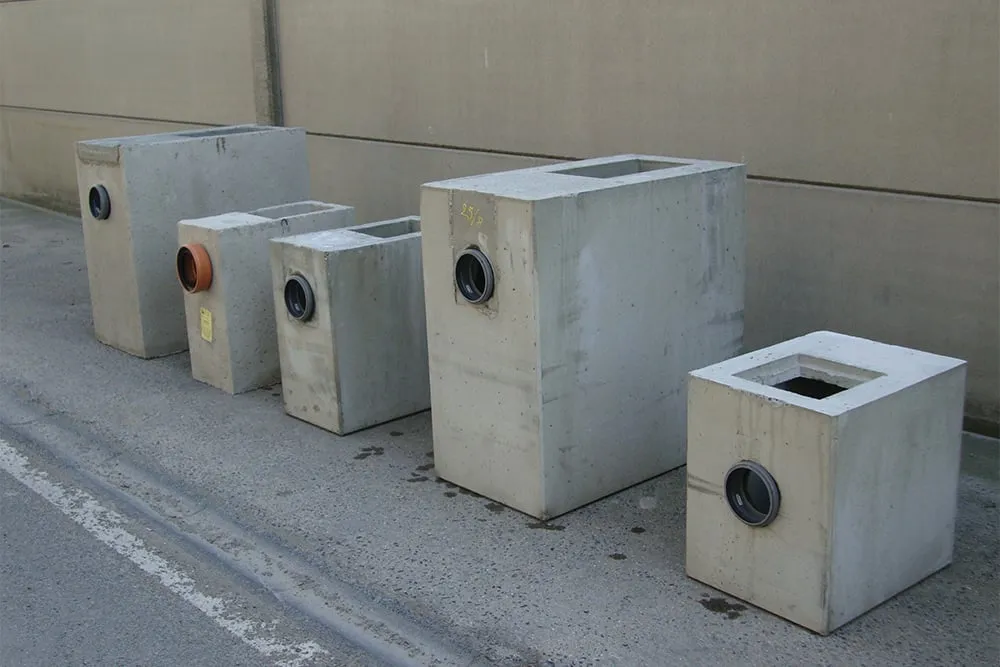
With the same aim of stimulating innovation, PROCERTUS is focusing on updating regulations and standards, which can sometimes be too restrictive or outdated for recently developed solutions or products. “Our role is not only to ensure that the applicable standards and regulations are followed rigorously, but also that they keep pace with our members’ innovations, while maintaining the inherent quality of products and, consequently, the safety of end users,” says Caroline Ladang.
PROCERTUS therefore positions itself not only as a response to the needs of the construction industry, but also as a catalyst. “By responding to our members’ requirements, we open up new possibilities for them, which in turn inspire further innovation. This cyclical process plays a key role in the sustainable transition of the construction sector,” she concludes.
Een zakelijke vraag aan PROCERTUS? Get in touch
Companies in this story
Keep following this
Get an email when a new story is published. No account needed.
- ThemeMaterials with a lower environmental impact
- SubjectConcrete
- CompanyPROCERTUS







