









Innovation for a greener precast concrete sector
Text Niels Rouvrois Beeld Martens Beton
Sustainability and innovation are not empty words at Martens beton, but a priority across the entire business. “The concrete sector is still one of the most polluting industries, mainly because of its use of cement. It is only logical that we, as a company, and organisations such as FEBE, which represents the sector as a whole, should make efforts to reduce our impact on the planet,” says director John Martens.
FEBE is the recognised trade association for manufacturers of precast concrete products and represents the sector’s interests. The Belgian concrete industry produces a wide range of precast elements for construction, from simple, unreinforced products such as masonry blocks and paving stones to large structural elements such as bridge beams. Within FEBE, FEBELCO brings together manufacturers of concrete pipes and accessories. The trade association represents all manufacturers of the concrete products needed for water collection, transport, treatment, buffering and infiltration.
Everyday practice
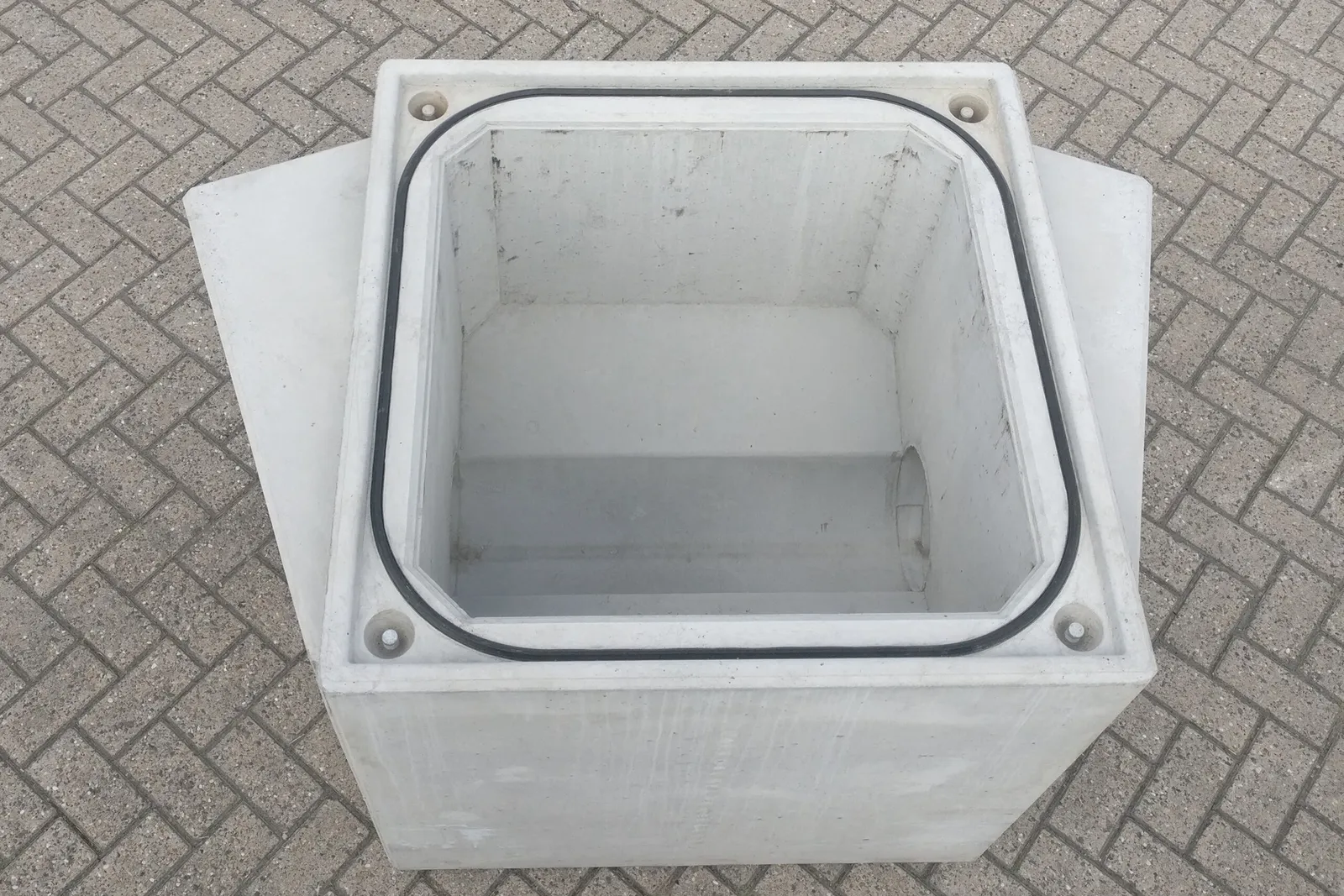
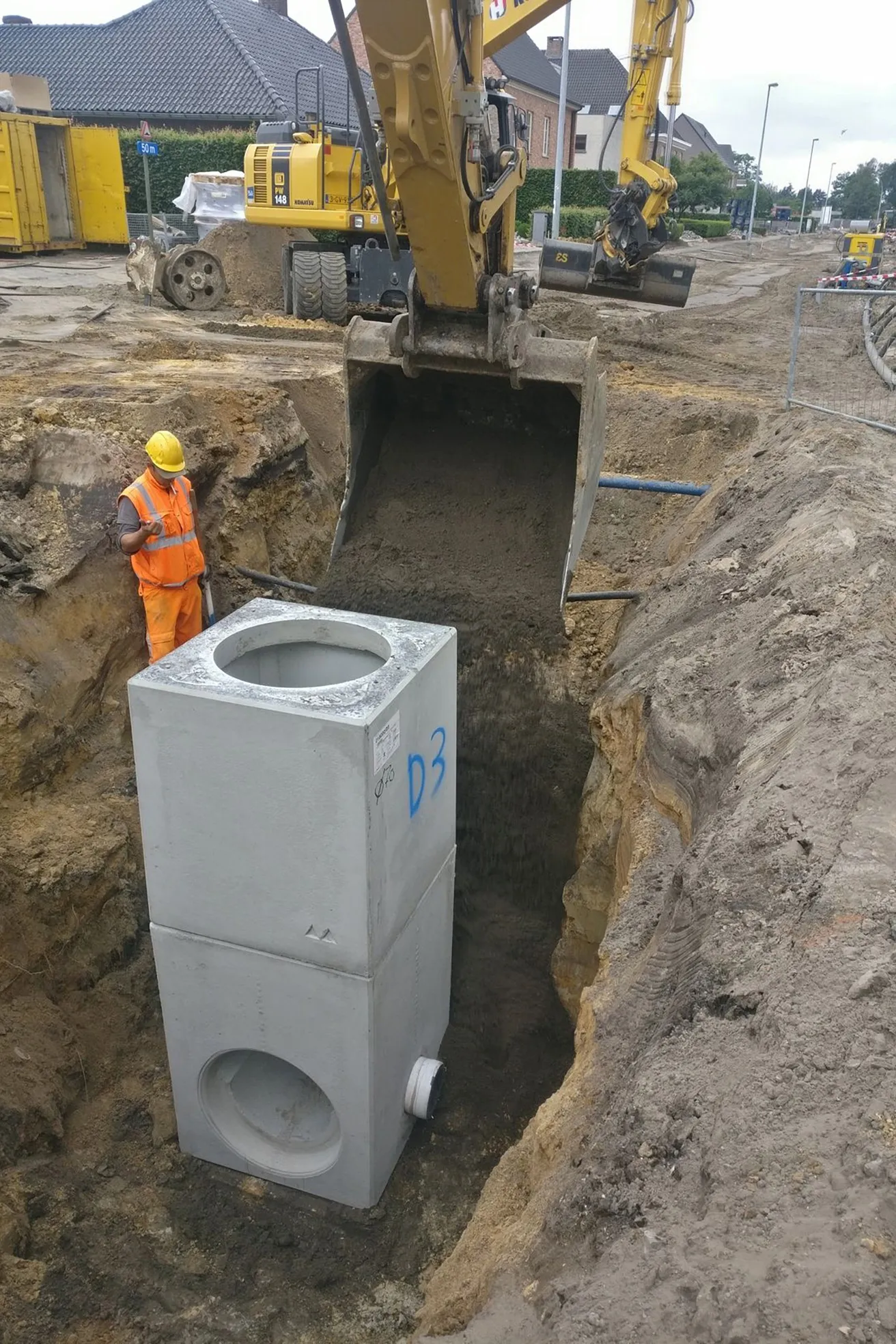
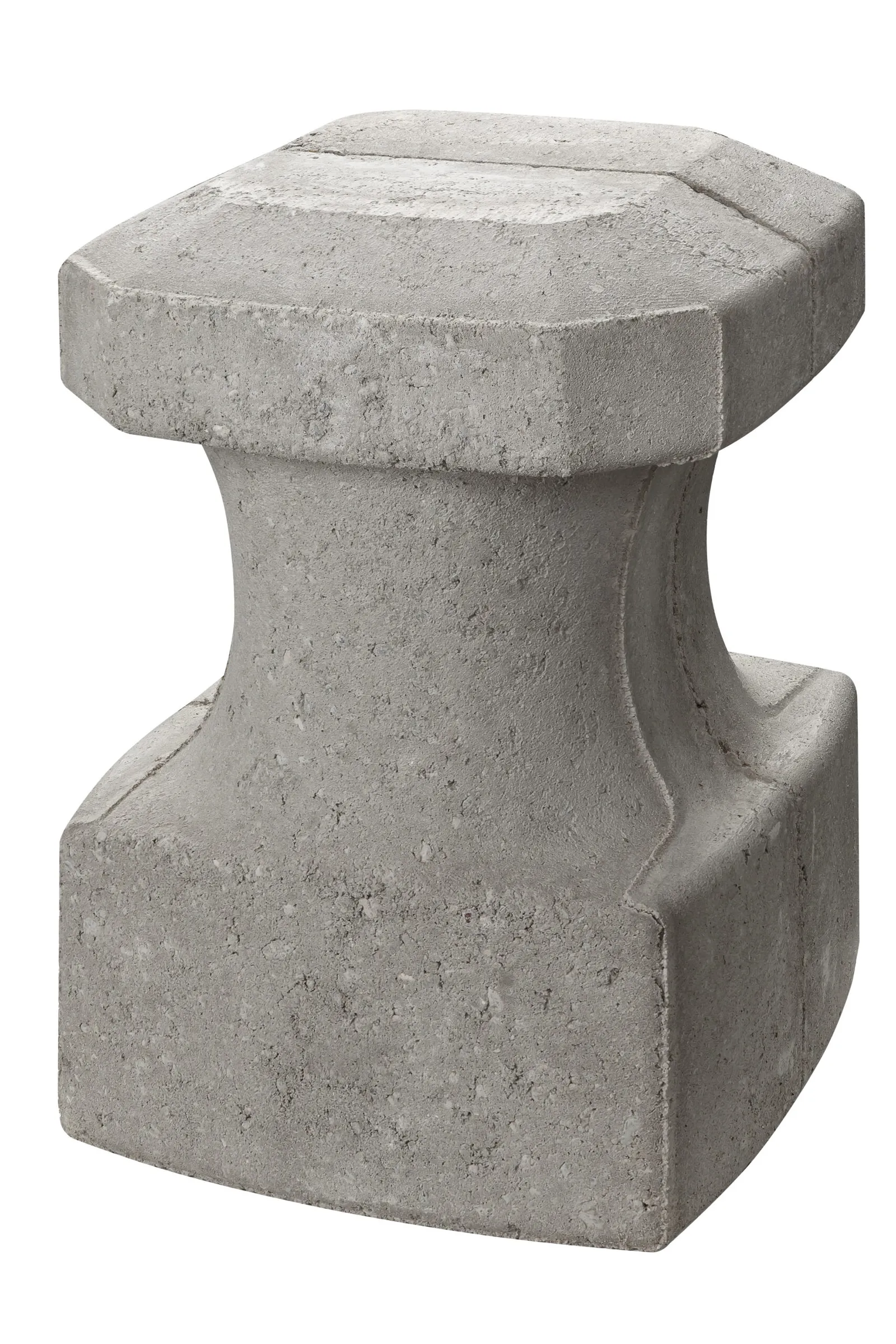
Within the family-owned Martens business, Martens beton has long been known for sustainable and innovative sewerage solutions. For Martens, sustainability is not about fine words, but about everyday practice. Wherever possible, the most sustainable option is always chosen, and supply-chain partners are encouraged to follow suit. In addition to solar panels, its own wind turbines and energy generation that makes use of waste heat, Martens also looks across its entire product range for the most sustainable and environmentally friendly ways to design and manufacture. There is a strong focus on increasingly scarce raw materials. Martens beton’s tapered dike blocks, slimmer square manholes and unreinforced yet equally strong concrete pipes are good practical examples.
Belgium is different from the Netherlands
Martens beton targets both the Dutch and Belgian markets, which is not always straightforward. “In the Netherlands, sustainability and environmental criteria still carry more weight than in Belgium, but that is starting to change,” says Peter-Paul Ooms, director at Martens beton. “One obstacle we often encounter in Belgium is the tangle of regulations and very strict specifications. In the Netherlands, there is more freedom to innovate, and projects regularly require the use of more sustainable materials. In Belgium, people too often stick to what they know. That holds back innovation and development.”
The many stakeholders who regularly sit around the table in Belgium do not make things any easier either. Peter-Paul Ooms says: “The various sewer network managers, certification bodies and umbrella organisations such as Vlario … they all certainly have their value, but reaching consensus is not easy, let alone bringing about change.”
John Martens agrees: “In the Netherlands, there is much more scope to decide how you will meet particular requirements. In addition, environmental pressure is only increasing, and productivity for the contractor on site is becoming increasingly important too. So flexibility is certainly called for. In the Netherlands, we often submit two tenders: one based on cost and one based on environmental impact. It is then up to the client to add the two together and make a decision. There have been cases where we were not the cheapest, but still won the contract because we scored so well on environmental performance and sustainability.”
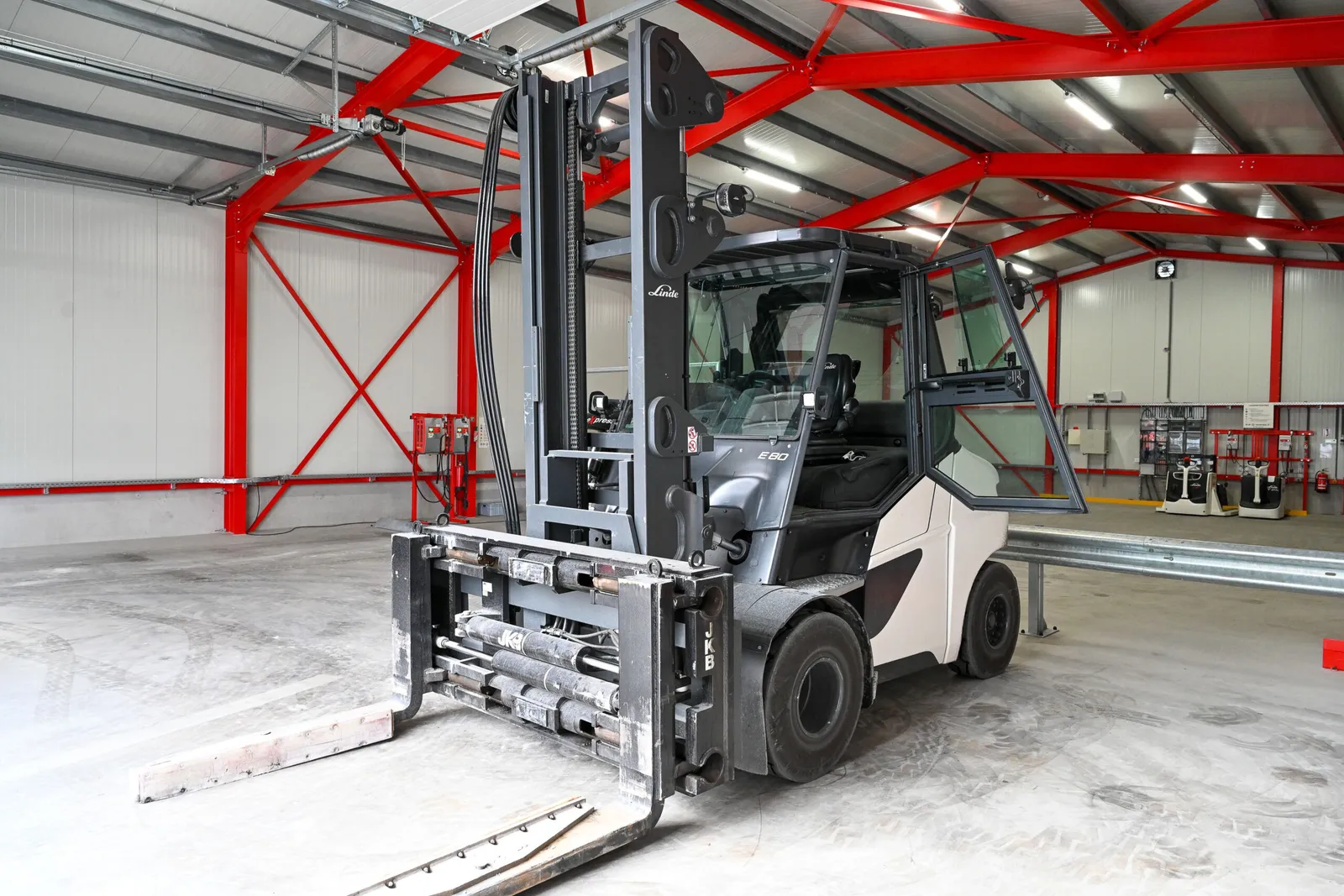
In this respect, the Environmental Cost Indicator (MKI) is an excellent tool. John Martens says: “It gives you a good insight into how the environmental impact of your products and business is made up, and it motivates you to take targeted action. For example, we are fully electrifying our forklift fleet, and have also significantly reduced our gas consumption by opting for a larger outdoor area and more storage space instead of a heated indoor space. We are also looking closely at secondary raw materials, circular processes and recycling opportunities … Another example is heating our factories. Rather than heating the entire hall for three employees, we opted for infrared panels where those employees actually work. This has cut our gas consumption by 75 per cent.”
A wide range of initiatives
“The first steps towards a system comparable to MKI have now been taken in Belgium,” Peter-Paul adds. “But experience tells us it takes a lot of time before such a system is more or less fully developed. In any case, we are strongly committed to sustainability and innovation, including at product level. For example, we are trying to reduce the volume of concrete substantially. If you can use less concrete without compromising on quality, that is of course a major environmental gain. We also look closely at the type of cement we use. In Belgium, the focus is still very much on Portland cement, while blast furnace cement is much less polluting.”
“In the sewerage sector, we are also looking at ways to improve efficiency and productivity for contractors on site. That, too, is innovation. A few years ago, for example, we opted for a different pipe geometry, and we are now optimising its rubber joint. Previously, lubricant was needed to install the ring, but now it can be done without it. These are small developments, but they have a big impact. The feedback we are getting from contractors is very positive,” John Martens concludes.
Question about this story? Ask your question
Keep following this
Get an email when a new story is published. No account needed.
- ThemeMaterials with a lower environmental impact
- SubjectConcrete







