









Concrete roads offer greater resilience to climate change and extreme weather events
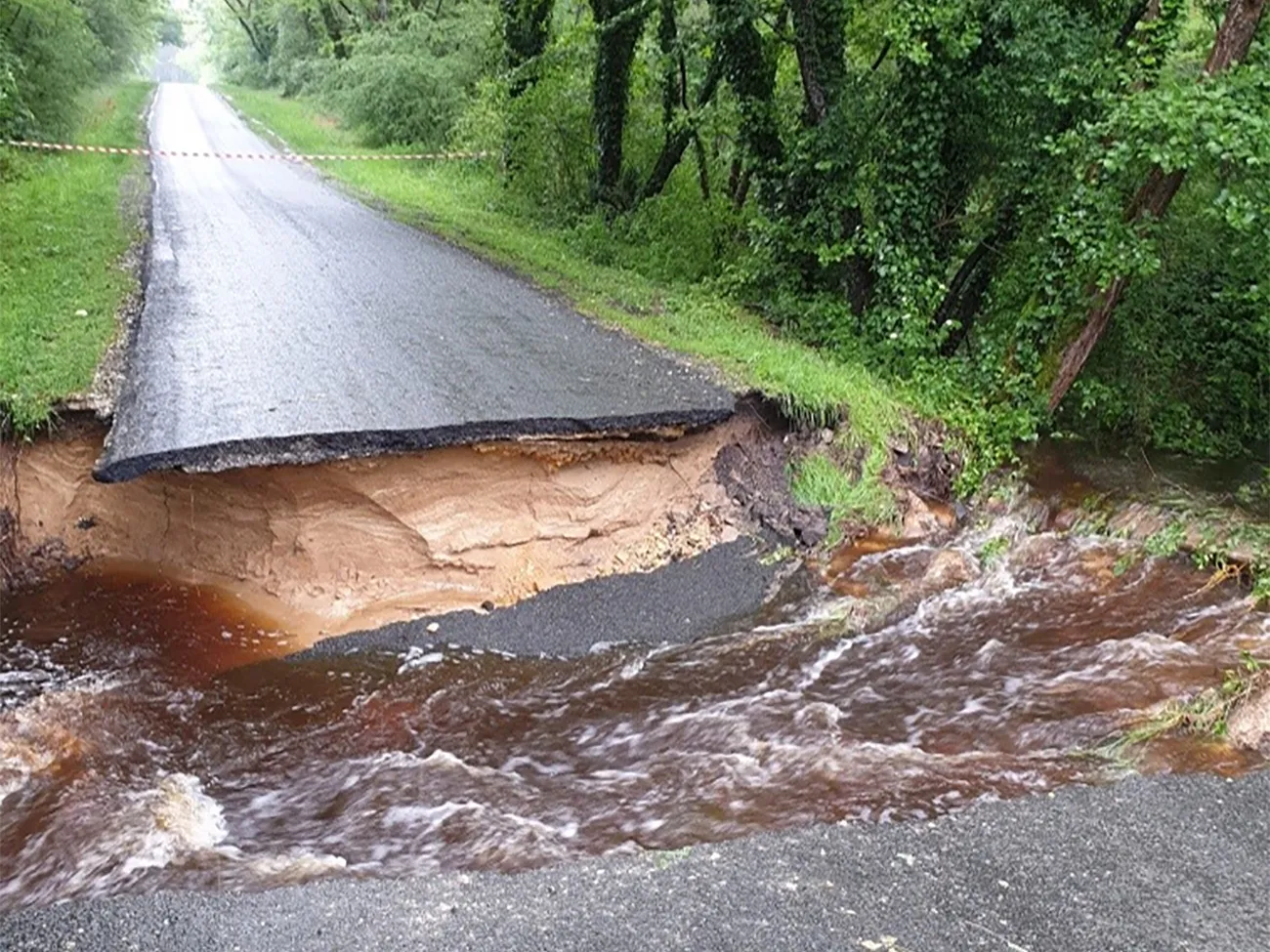
The two main effects of climate change on roads are rising temperatures and an increase in heavy rainfall. A suitable adaptation strategy and a long-term approach are therefore needed to deliver robust solutions that can stand the test of time.
Alongside the observed rise in average temperatures, models predict an increase in the frequency and duration of extreme temperatures, and not only in Southern Europe. More hot summer days will lead to increased rutting in asphalt pavements. In winter, freeze-thaw cycles will become more severe, potentially accelerating deterioration of the road structure.
As was painfully clear in July last year, climate change is leading to a significant increase in rainfall. More frequent storms and flooding will affect road pavements, foundations and sub-bases if drainage systems are not designed to take this into account.
Better able to withstand extreme conditions
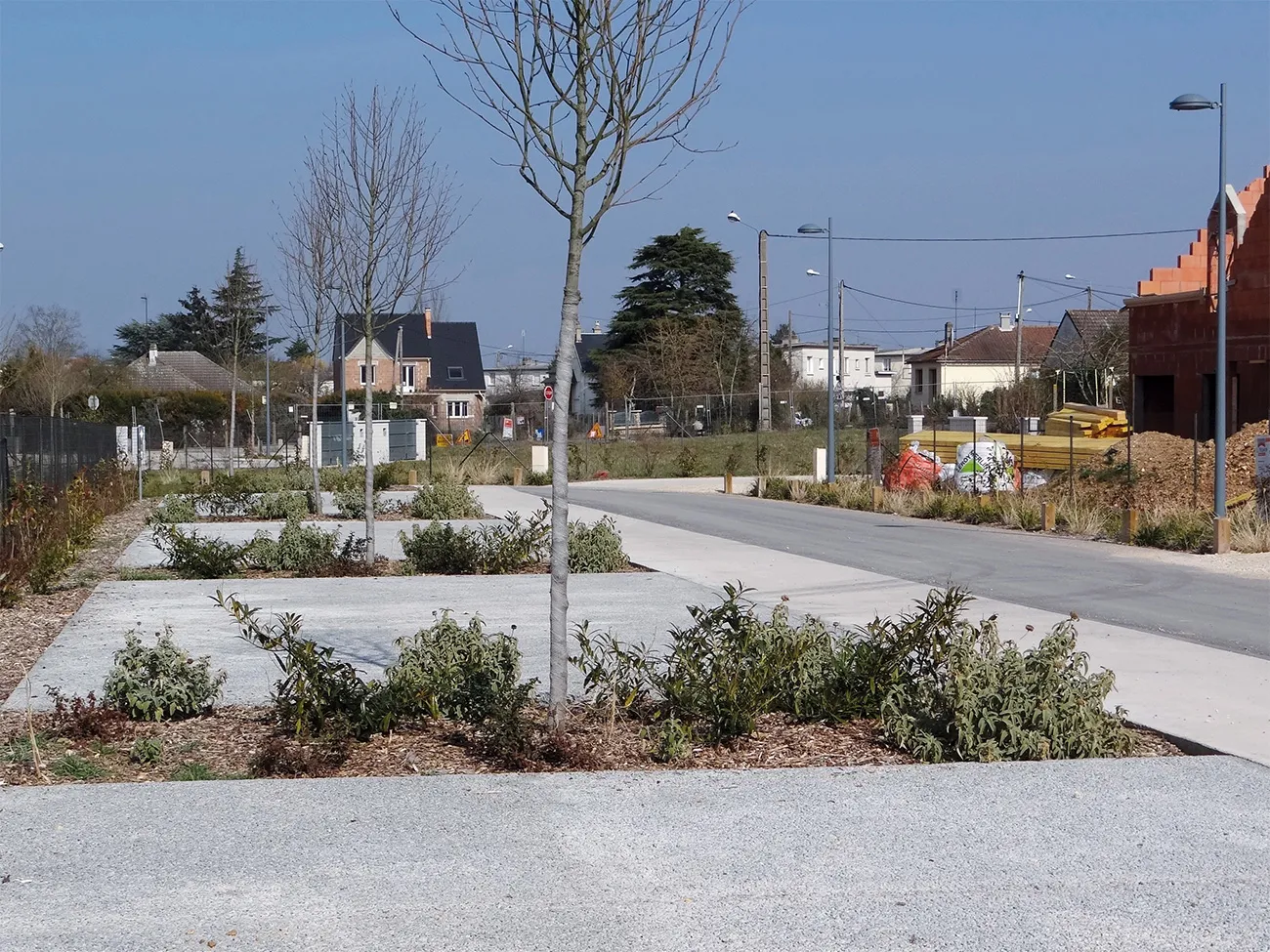
In the event of flooding, concrete roads are less susceptible to swelling or shrinkage of the subgrade than asphalt pavements. They are therefore the best option for cohesive soils such as clay. Delamination is also not an issue, as they are laid as a monolithic slab. This also applies to two-layer concrete roads.
Of the different types of concrete road, continuously reinforced concrete pavement (CRCP) is the most robust: the continuous reinforcement creates a bridging effect by distributing the load, allowing the pavement to accommodate localised settlement. Hydraulically bound bases have also been shown to be robust solutions, better able to withstand the effects of flooding than unbound crushed-stone bases.
Concrete pavements withstand fluctuations in temperature and humidity, and have proven their durability and long service life in a wide range of climatic conditions around the world. Concrete retains its stiffness across the full range of ambient temperatures, without softening or rutting. In addition, well-designed joints and reinforcement can accommodate large temperature fluctuations.
Reducing the impact
As well as being resilient, concrete roads and pavements also have a number of positive effects on climate change: slowing global warming thanks to their high albedo, reducing lorry fuel consumption thanks to their stiffness, recarbonation of recycled aggregates, and reducing flood risk with permeable concrete pavements … For more information on all these benefits, visit https://www.febelcem.be/nl/publicaties/factsheets/
What policy?
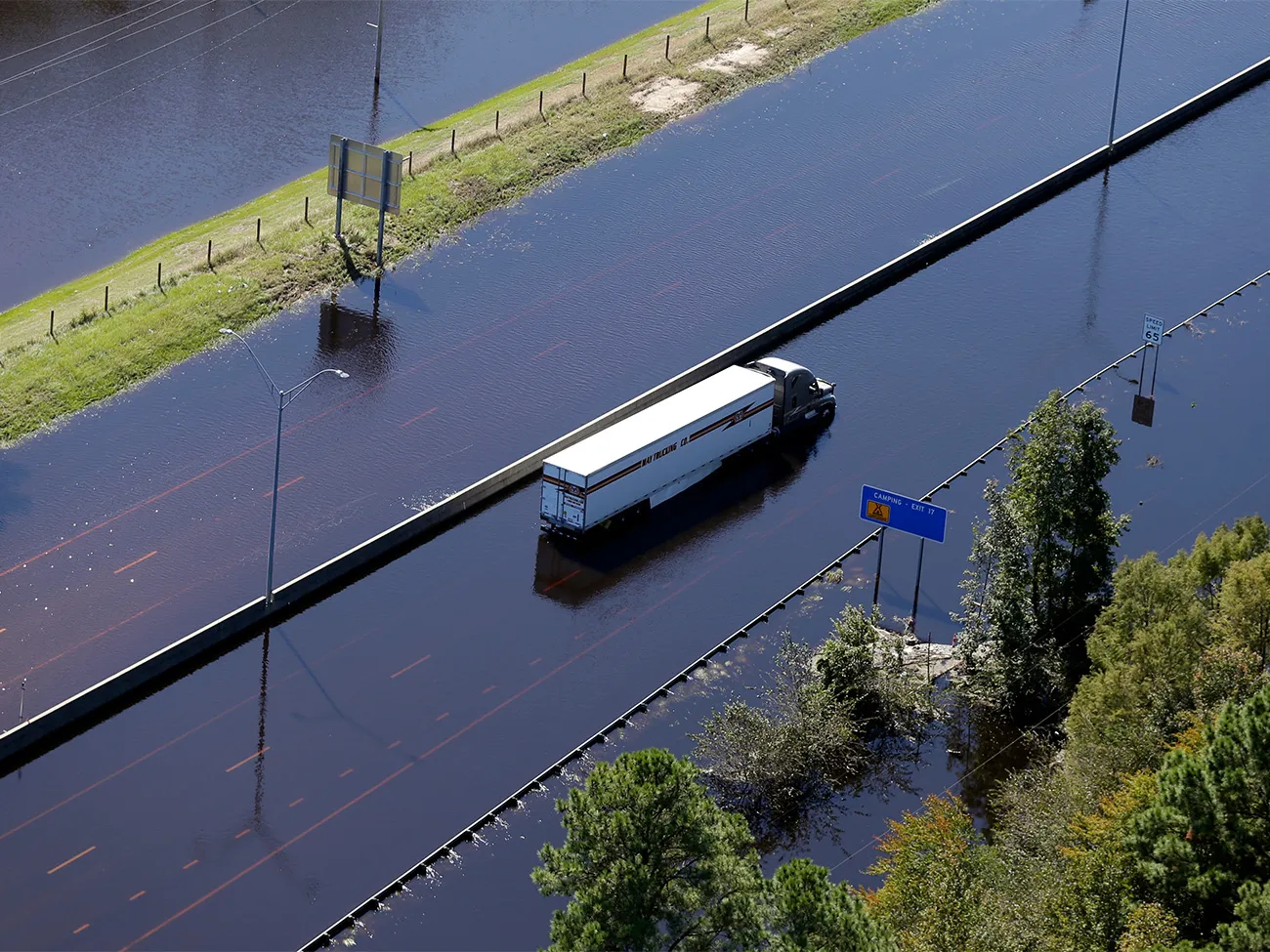
The societal benefits of a robust and resilient road network are numerous. First, during extreme events, lives can be saved by ensuring safety and keeping emergency services moving (ambulances, fire engines …). Second, keeping infrastructure operational reduces the impact on the economy during and after extreme events. Repair costs are also, of course, much lower.
Choosing resilience means taking a long-term approach to procuring and building transport infrastructure. Concrete pavements are the solution, whether for newly built roads where needed or as overlays on existing road pavements. They offer not only greater strength and better performance, but also a long service life with minimal maintenance, low life-cycle costs and a safe, durable, light-coloured surface.
Een zakelijke vraag aan Concrete x? Get in touch
Companies in this story
Keep following this
Get an email when a new story is published. No account needed.
- ThemeMaterials with a lower environmental impact
- SubjectConcrete
- CompanyConcrete x







