









Betolar and Belgium’s Tubobel sign commercial agreement for Geoprime®, an alternative to cement
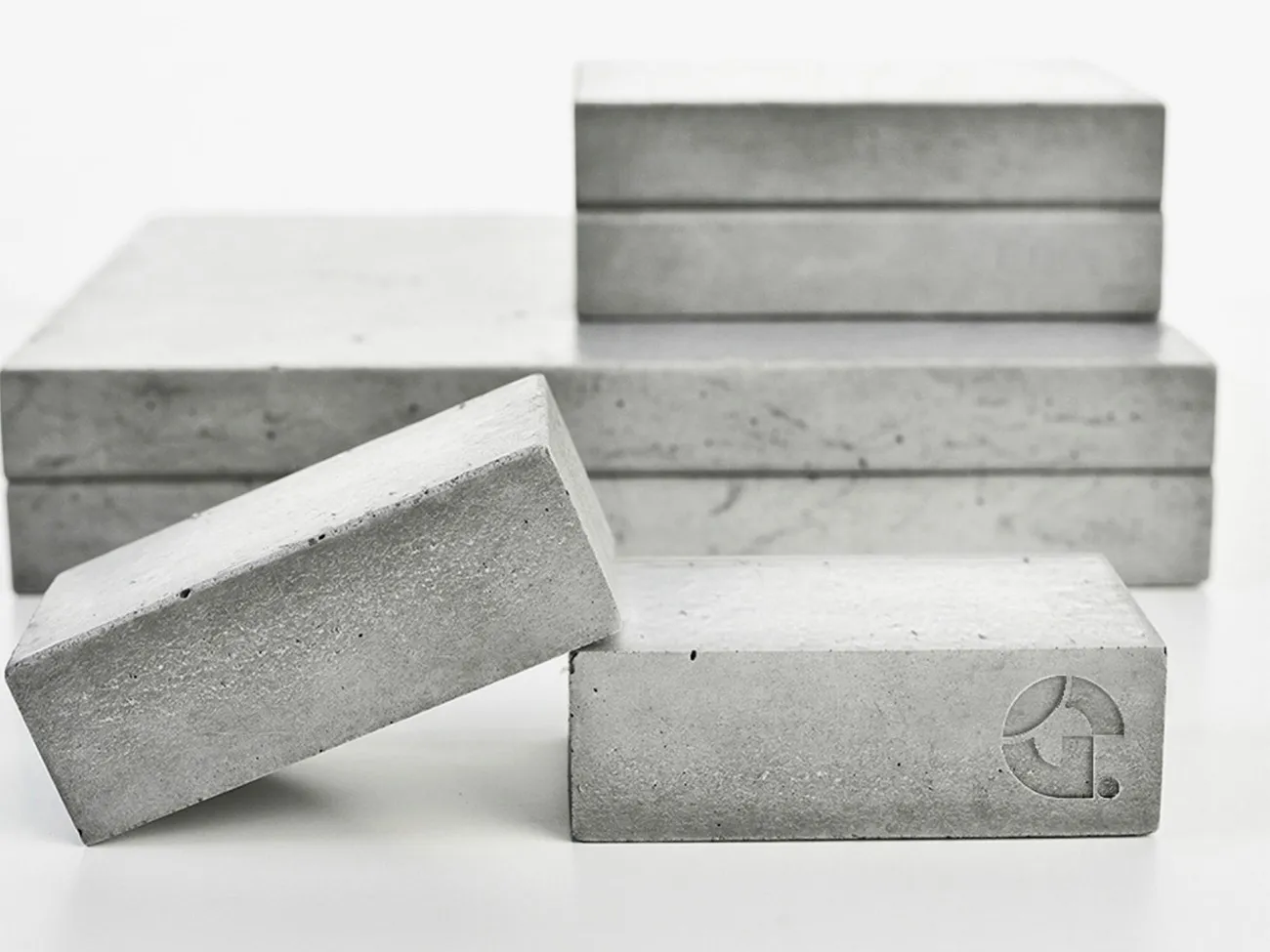
Betolar Plc and Belgian concrete producer Tubobel Group are joining forces to produce low-CO2 concrete products. The agreement with Betolar runs until 2030. Tubobel, which manufactures concrete products for industry and road construction, will begin producing concrete pipes using Betolar’s Geoprime® concept. Tubobel is Belgium’s market leader in sewer pipe production.
Production of sewer pipes, the first product group to enter production, has already been tested at industrial scale. The products have undergone extensive quality checks. During the first years of the agreement, Tubobel will have the exclusive right to use the Geoprime concept and chemicals to produce pipes for the Belgian market. Production will gradually expand to other product groups, such as paving stones and other infrastructure products.
“With the European Green Deal and tighter regulations on CO2 emissions, the concrete industry is looking for sustainable alternatives to its current products. Tubobel is a pioneer in sustainable development in the Belgian concrete industry and the first to bring Geoprime to market in Belgium. For Betolar, this is an important way to strengthen our international commercial position,” says Matti Löppönen, CEO of Betolar.
As part of the collaboration, Tubobel will benefit from Betolar’s ongoing product development, professional services and data support for concrete product manufacturing. Tubobel may also use the registered Betolar and Geoprime trademarks on all products it manufactures using the Geoprime concept.
“We are seeing growing demand for low-carbon construction materials in Belgium and want to strengthen our position as market leader. The concrete products we will begin manufacturing this year using the Geoprime concept will enable us to offer our customers a low-carbon solution that helps them meet their CO2 targets,” says Evert Lemmens, CEO of Tubobel Group.
Betolar has developed the Geoprime solution for producing technically durable, low-carbon concrete. The solution makes it possible to use industrial by-products to create an alternative to cement as a concrete binder. In this way, Betolar enables the green transition across several sectors and turns concrete into a sustainable construction material.
“Betolar has invested heavily in developing a low-carbon alternative to cement using industrial by-products. Our solution directly reduces CO2 emissions without requiring major changes to the production process,” says Löppönen.
According to McKinsey*, the cement and construction value chain is responsible for 25 per cent of global CO2 emissions. Low-carbon concrete can play an important role in the global fight against climate change.
“Tubobel Group aims to cut CO2 emissions by 50 per cent by 2030. That is why we are working to increase production volumes of low-CO2 products as quickly as technical capabilities allow. Geoprime is an ideal solution for us. We promote the circular economy by using waste and by-products from local industrial companies as raw materials,” says Lemmens.
For competitive reasons, the parties are not disclosing the commercial value or terms of the licensing and supply agreements.
Question about this story? Ask your question
Keep following this
Get an email when a new story is published. No account needed.
- ThemeMaterials with a lower environmental impact
- SubjectConcrete







