Sustainable substrates from production to a second life
Text Niels Rouvrois Beeld Acterra
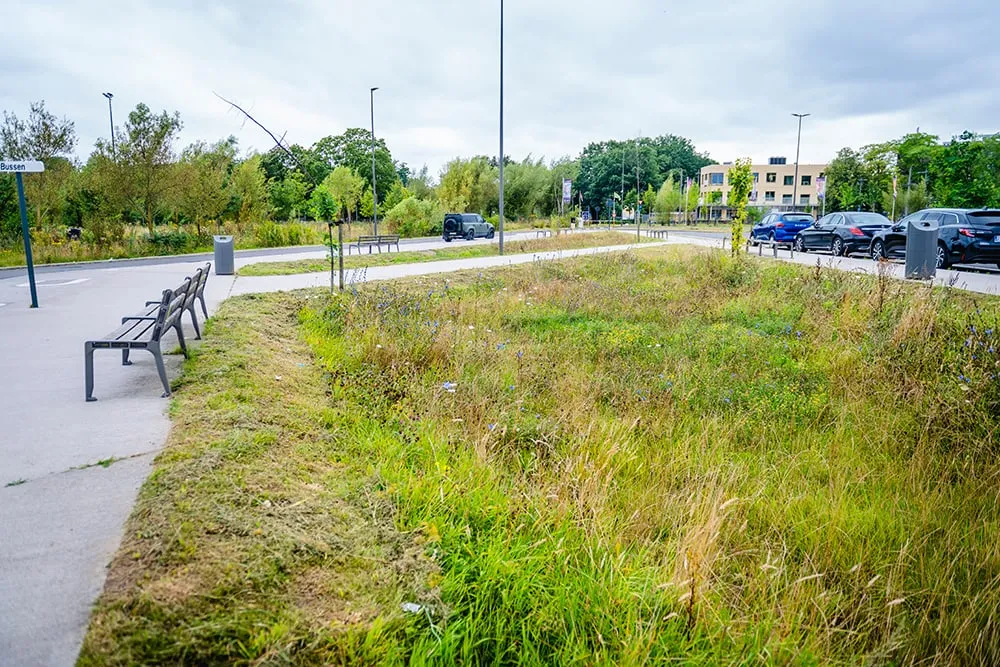
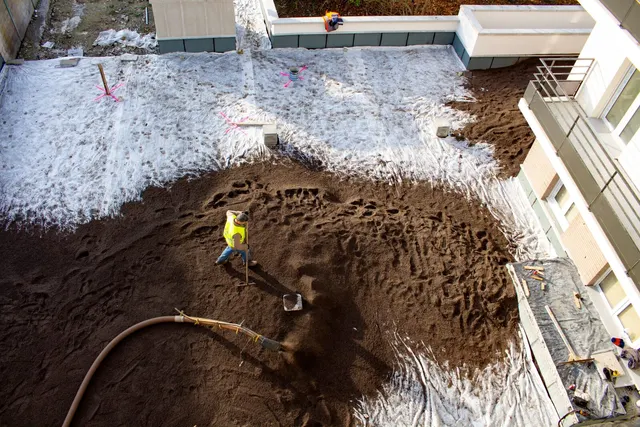
Production, delivery and reuse. These are the three pillars on which Acterra builds its sustainability policy. The substrates produced by the Nazareth-based specialist are made sustainably, delivered as efficiently as possible and, wherever possible, given a second life. “Thanks to our take-back guarantee, customers can be sure that we will take back the substrates after 20 years and reuse them for another application,” says Bart Geerts, managing director of Acterra, which produces, among other products, RevivA® Grindklavergazon and TerraViva® substrates.
Whether it is a major construction project, landscaping work or the redevelopment of public spaces, sustainability is now an essential consideration that can be approached in various ways. As a developer and producer of soil substrates, Acterra is acutely aware of its impact on the planet, animals and people.
“I think sustainability is easy to link to the South African word ‘volhoudbaarheid’, meaning the ability to keep going. How long can you keep something going or continue doing it without harming the planet, animals and people? What we put into the ground today can have a negative impact on future generations, and that is something I do not want Acterra to contribute to,” says Bart Geerts. “That is why sustainability, in the broadest sense of the word, is at the top of our list of priorities. And that applies at three levels: production, delivery and use.”
Optimising
“In production, we use 100 per cent of the ingredients we source,” Bart Geerts continues. “Even if they seem difficult to use. We also use sustainable production techniques. We optimise our energy consumption and produce as efficiently as possible, making as much volume as we can in a form that places the least possible burden on the environment. We exclude polluting granulates from our production. This is crucial, as biological, chemical or physical erosion can cause rock to crumble, potentially contaminating precious drinking water. That must, of course, be avoided.”
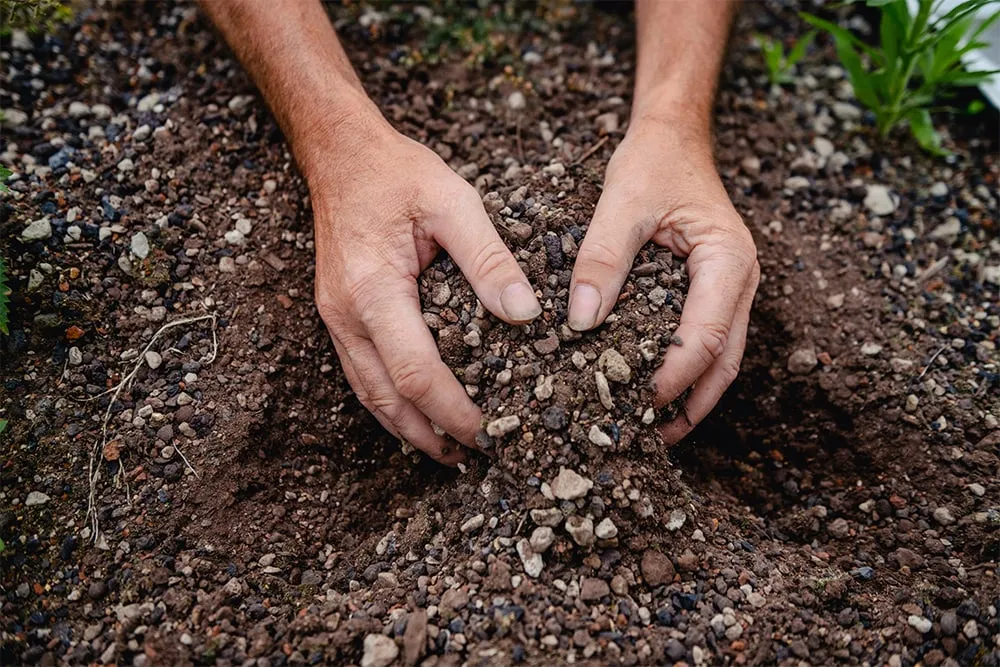
Acterra has four production sites spread across Belgium. Bart Geerts says: “This was a deliberate choice, allowing us to keep delivery routes short and serve our customers as effectively as possible. We are constantly working to improve these processes. You cannot buy back lost time. Keeping that to a minimum is also a form of sustainability.”
Reuse
Through initiatives such as the RevivA® programme, Acterra aims to encourage local authorities, landscapers and horticultural growers to make sustainable raw materials available for reuse. Bart Geerts says: “We reinforce that incentive with our take-back guarantee. If we supply a tree planting substrate, it can be returned, and 99 per cent of it will be reused for another application. In this way, we are trying to make the entire chain in which Acterra is involved as sustainable as possible.”
Sustainability is clearly part of Acterra’s DNA, but it does require considerable effort. “The biggest challenge today is recovering the minerals from the substrates. To do that, the carbon component has to be removed from the substrate so that we are left with pure minerals. New humus is then added for reuse. This is a major undertaking not only technically but also legally, because it involves turning waste back into raw materials. There is a lot to it, but we feel it is our duty to take a leading role in the sustainability story,” concludes Bart Geerts.
Question about this story? Ask your question
Keep following this
Get an email when a new story is published. No account needed.
- SubjectPublic space