Sustainable public spaces
Text and images wienerberger
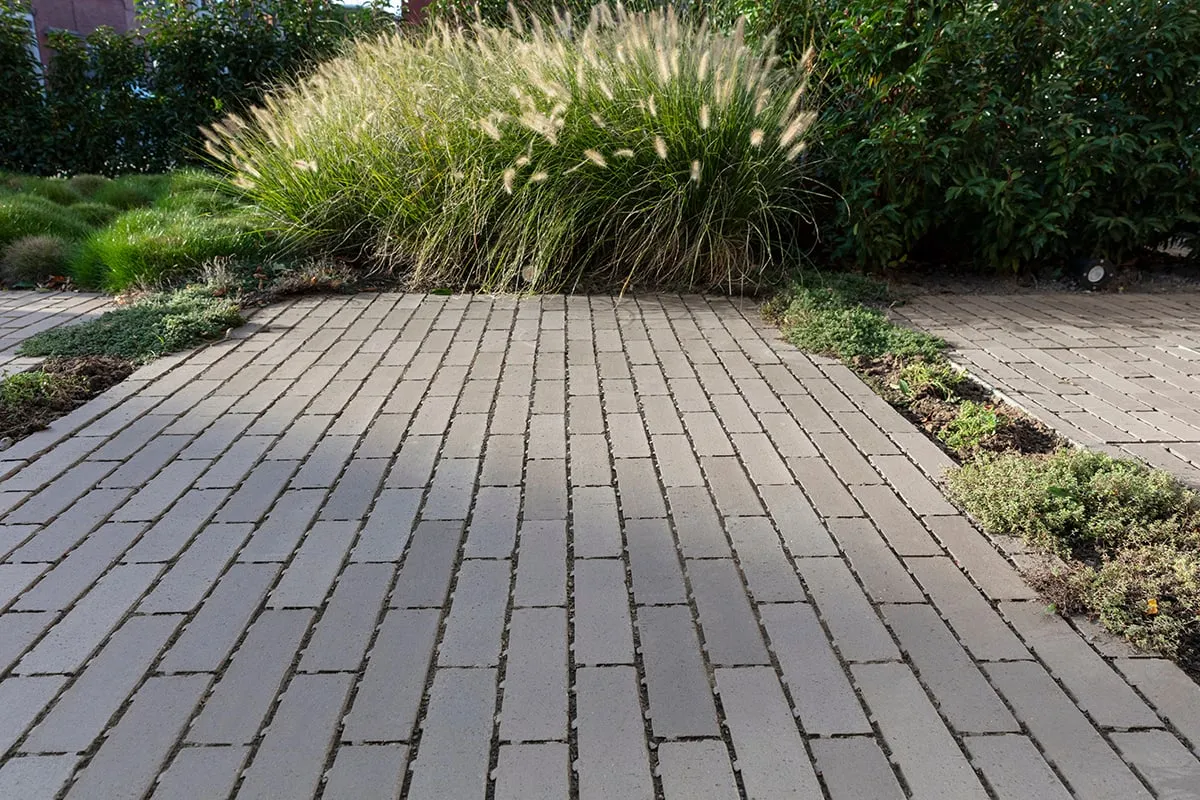
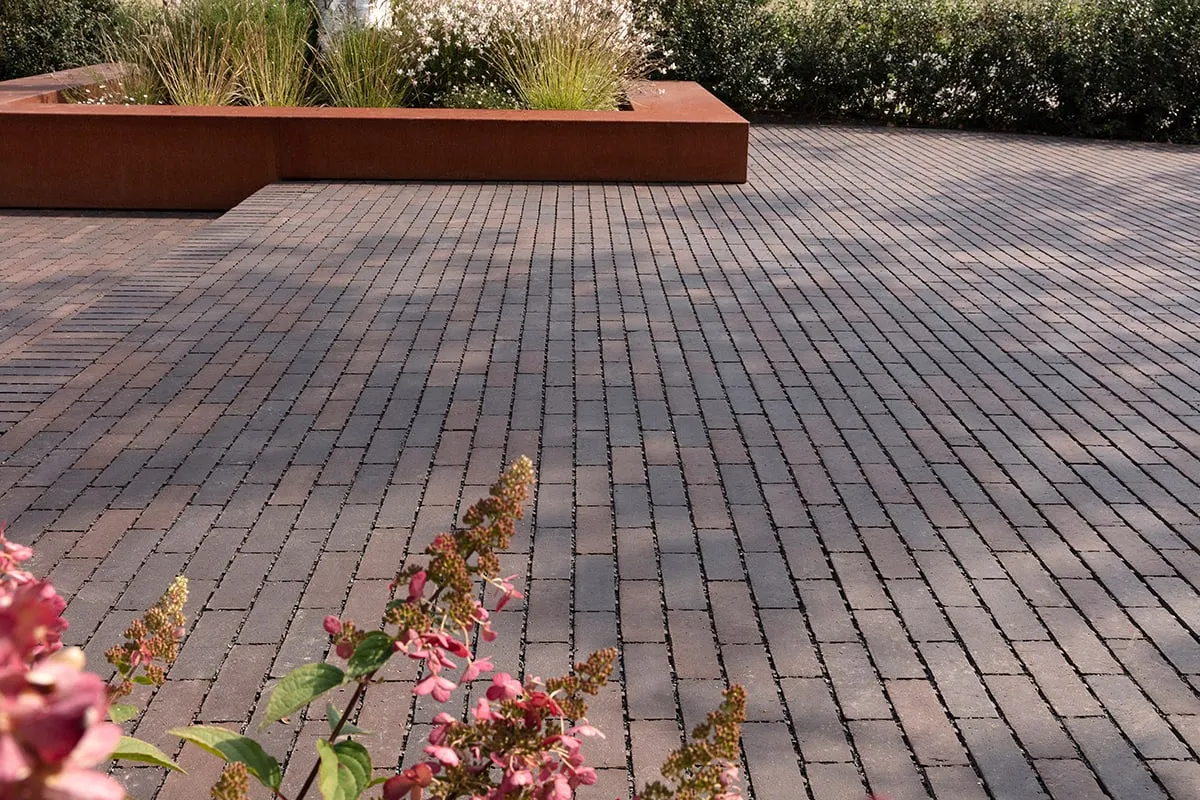
Clay pavers are the ideal solution for public paving. They are frost-resistant, safe in wet weather and able to withstand traffic loads. The natural material has a smooth surface that helps prevent dirt from building up. Clay pavers also require little maintenance. Thanks to their aesthetic qualities, colourfast clay pavers that retain their shape blend seamlessly into the streetscape.
A sustainable choice for public paving
Sustainable. Attractive. Easy to maintain. Clay pavers offer numerous advantages for public paving. Ceramic materials ensure the necessary harmony in public spaces. They contribute to a cohesive look in terms of colour, style and appearance that is much harder to achieve with other materials. In this way, clay pavers provide an almost natural link between aesthetics and functionality, as well as between the modern and the traditional. wienerberger colours its clay pavers throughout the body. They are 100% colourfast and retain their appearance, regardless of weather conditions or traffic loads.
Built to last
Once fired, clay pavers retain their shape and dimensions. Installing and maintaining a modular paved surface causes no disruption or damage. Mechanised installation, making the process faster and less labour-intensive, is also an option. Pavers can be laid in all possible patterns. Their colourfastness, attractive ageing, high wear resistance and ease of lifting make clay pavers ideal for reuse. They can be readily lifted and relaid.
This reusability also comes in handy when work is needed beneath the paving, for example to modify the sewer system or extend the electricity network. The clay pavers can simply be lifted, the work carried out and the pavers relaid. If necessary, they can be supplemented with additional pavers that are visually indistinguishable from the original paving.
Quiet and safe
Herringbone paving reduces noise by several decibels, depending on the permitted speed. In addition, vehicles automatically travel more slowly on roads paved with clay pavers than on monolithic surfaces. This traffic-calming effect makes roads safer and further reduces noise pollution.
Where functionality meets appearance
The laying pattern helps determine the appearance of the paving. Clay pavers work just as well in a clean, contemporary design as in a colourful, rustic square. The wide range of colours, finishes and sizes offers an endless source of creative possibilities.
Passaqua, the water-permeable clay paver
Passaqua is an un sanded wire-cut clay paver with spacers that create joints 6 mm wide. The paver itself does not let water through, but allows it to “pass through” via the wider joints. With Passaqua, the joints account for approximately 10% of the total paved area. This is the minimum required for permeable paving.
Passaqua is good for you and the environment
Regional and urban planning regulations require rainwater to be collected and used, or allowed to infiltrate into the ground. For example, Flemish regulations require water infiltration provision on plots larger than 120 m². Choosing Passaqua clay pavers is the simplest solution. The water-permeable pavers allow rainwater to infiltrate naturally into the ground. This helps maintain groundwater levels and reduces the risk of flooding.
Passaqua is particularly suitable for paved fire brigade access routes and for public spaces such as school playgrounds and play areas …
Passaqua clay pavers are available in 18 colours
As well as its environmental benefits, Passaqua also offers greater aesthetic possibilities. wienerberger has expanded its range with a new all-round collection of solid colours.
Passaqua is available in 9 colours: Alba (beige), Barago (brown), Doris (variegated brown),
Eros (black), Lotis (variegated grey), Magma (red), Ruta (red), Selda (grey) and Vulka (black).
Each colour is available in both an untumbled and a tumbled (Retro) version.
More consideration for vulnerable road users
By creating the shopping route between Grote Markt and Stationsplein in Sint-Niklaas, the mobility department aims to make the city centre more attractive to residents, vulnerable road users and visitors, in line with the Masterplan Publieke Ruimte. The streets will become greener, lighter and more attractive. The route will also bring the neighbourhood’s fine Art Nouveau and Art Deco buildings, as well as its parks, into better view.
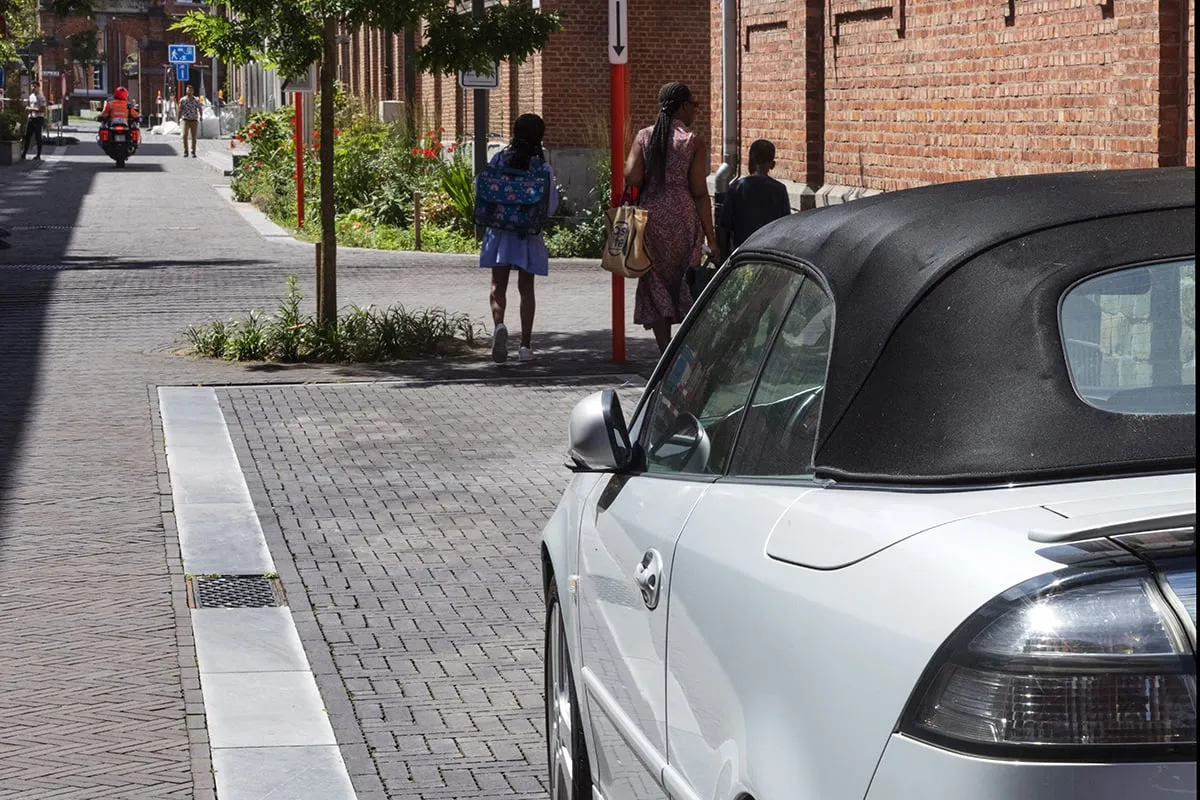
The area is also home to two large schools, surrounded by streets that were not safe for cycling. The shopping route project opted decisively for a complete redesign from façade to façade, greening the streets with large planting beds and installing suitable street furniture.
Paving in harmony with Grote Markt
Since Grote Markt is paved with clay pavers, the same material was chosen for this project. Two types of clay pavers were installed: Authentica Dakota for carriageways and footways, and water-permeable Passaqua Eros for parking bays.
Question about this story? Ask your question
Keep following this
Get an email when a new story is published. No account needed.
- ThemeSpace for water and green infrastructure
- SubjectPublic space