Strategic Green Plan for Leuven: Nature-based Solutions for a Climate-resilient City
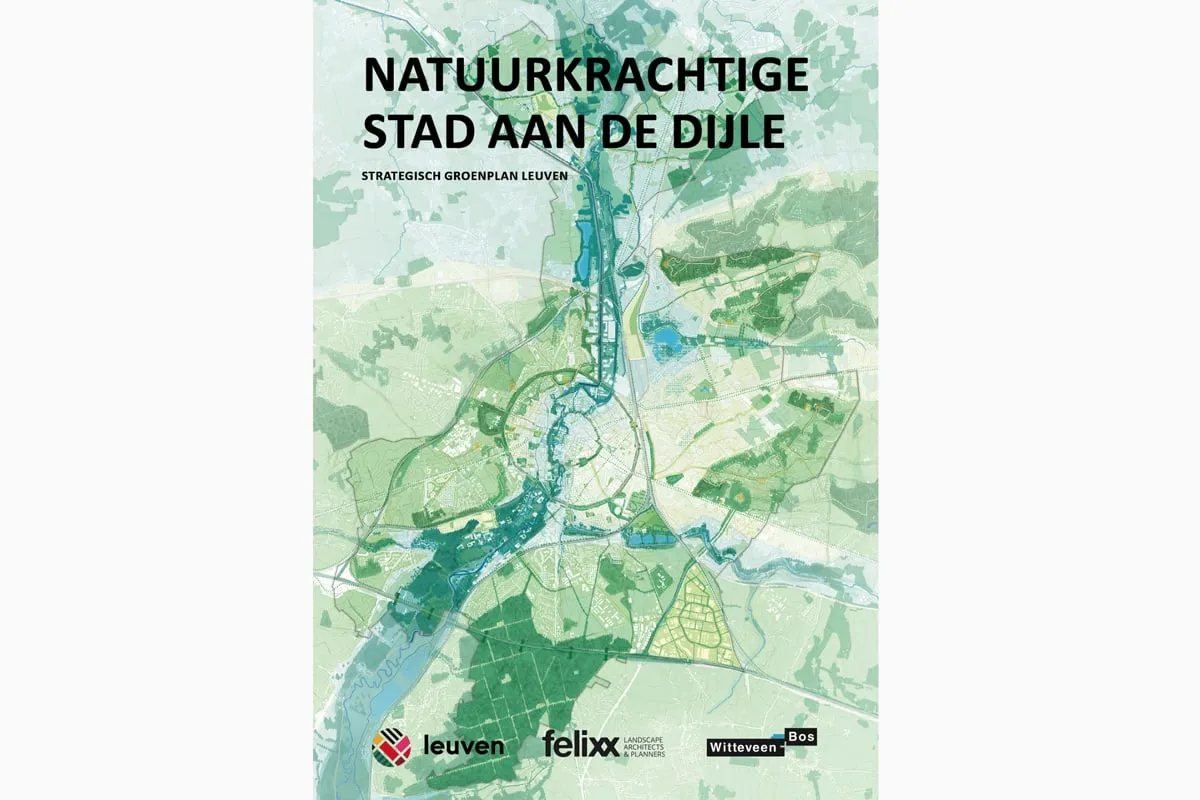
Felixx, in collaboration with Witteveen+Bos, has developed the Strategic Green Plan for the city of Leuven. The plan is a powerful tool to make the city greener, healthier and more climate-resilient in the years ahead. The Green Plan was unanimously approved this month by both the executive board and the city council.
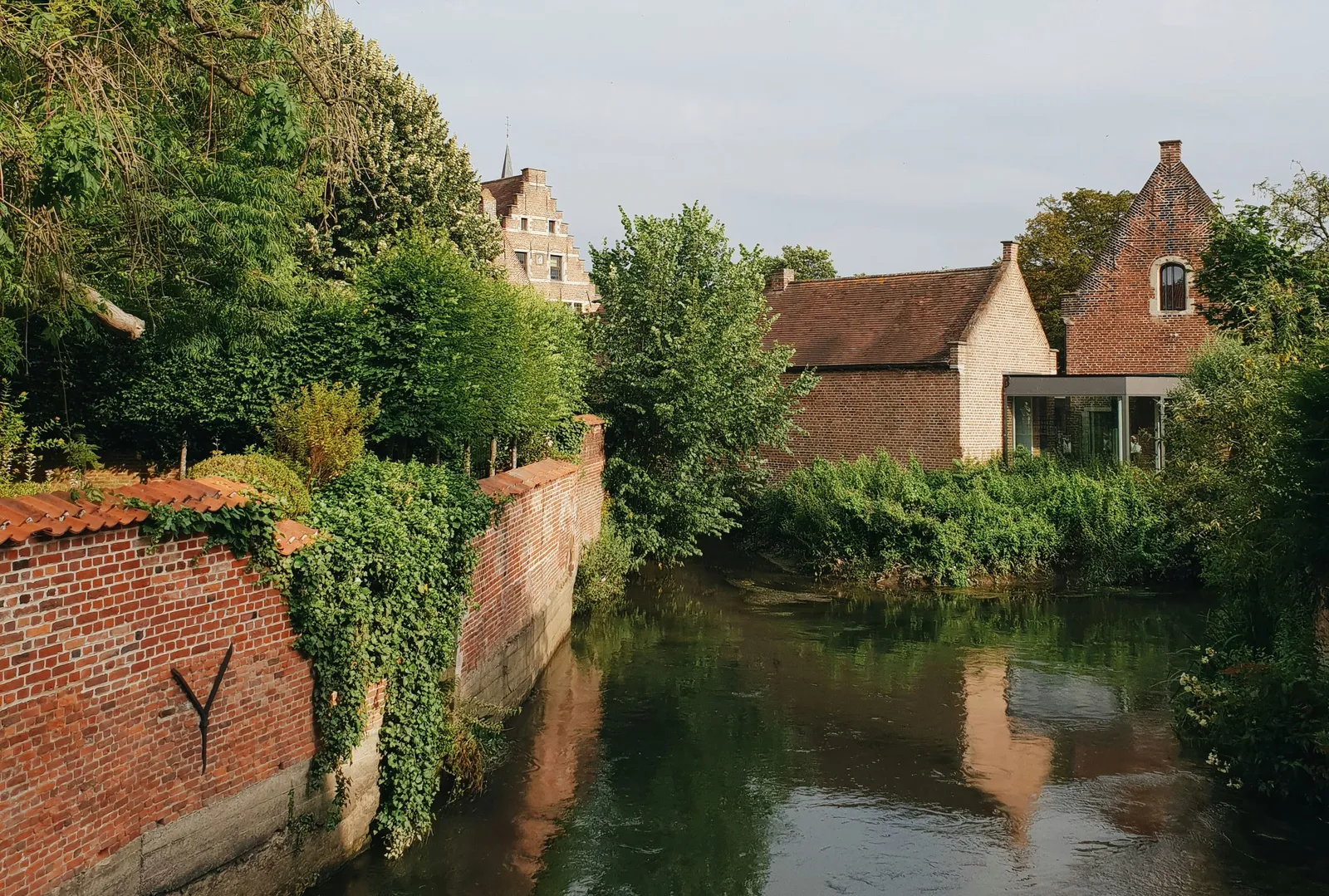
Leuven on the Dijle
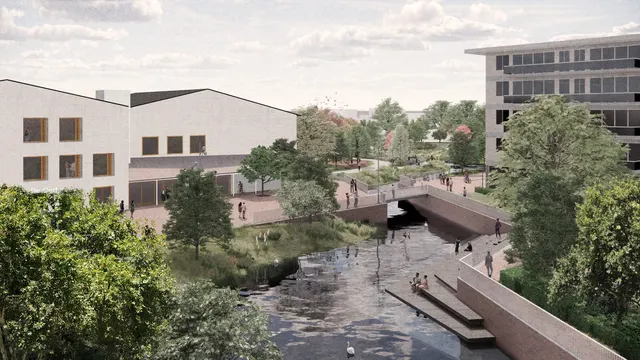
Leuven faces major challenges: a growing population and the impacts of climate change are putting increasing pressure on the city. At the same time, Leuven’s unique landscape provides a strong foundation for a green, resilient future. The city is rich in natural features such as the Dijle and its tributaries, the witness hills and the Brabant Plateau. The Green Plan focuses on creating a high-quality green-blue network, ensuring coherence and continuity across these landscapes. These features are essential to maintaining liveability and offer ecological, economic and social opportunities for Leuven’s development.
Nature-based Solutions
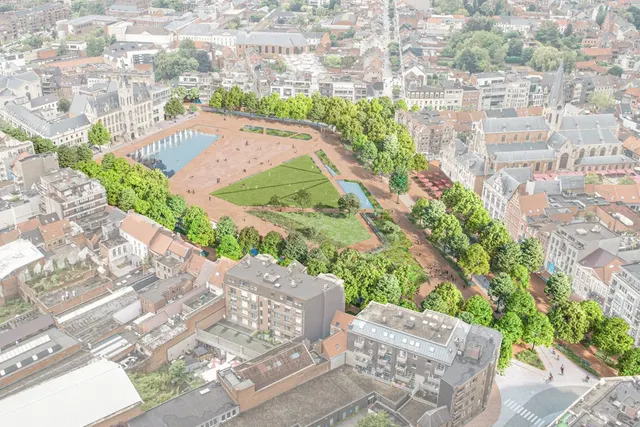
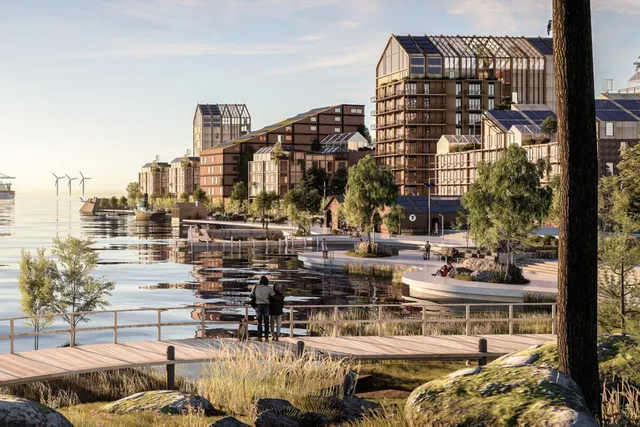
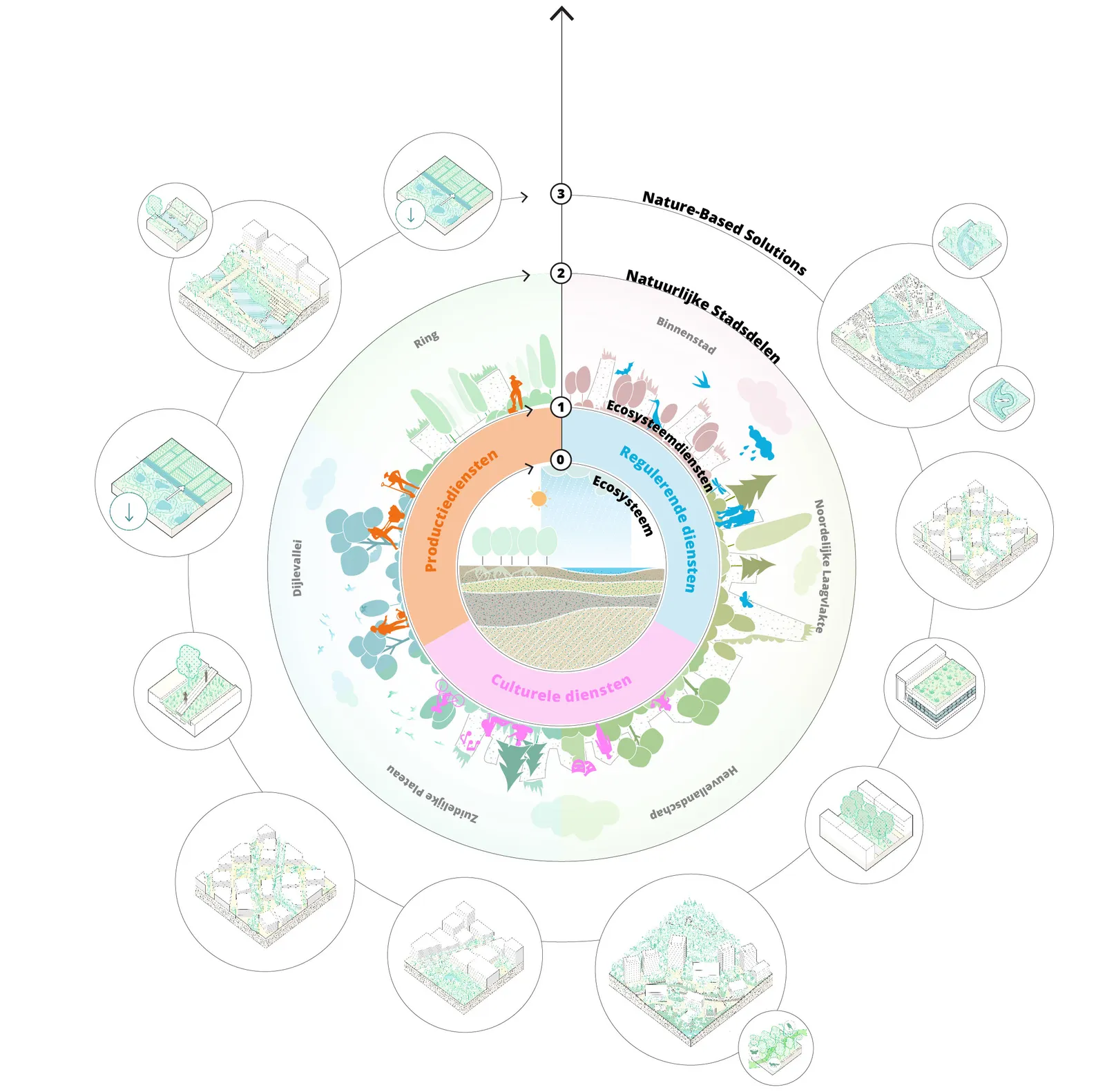
The Green Plan brings together analysis, vision and spatial policy to create a strong green-blue network. Nature-based Solutions (NBS) are central to this: designs and measures that harness natural principles to make cities sustainable and resilient. With NBS as its guiding principle, Leuven is transforming into a city that lives in balance with nature rather than seeking to protect itself from it. Streets, squares and parks are woven into a coherent urban landscape that connects seamlessly with the surrounding green areas and links built-up and open spaces. The landscape framework combines urban ambitions with nature values, strengthening both climate resilience and Leuven’s unique identity.
Ecosystem services
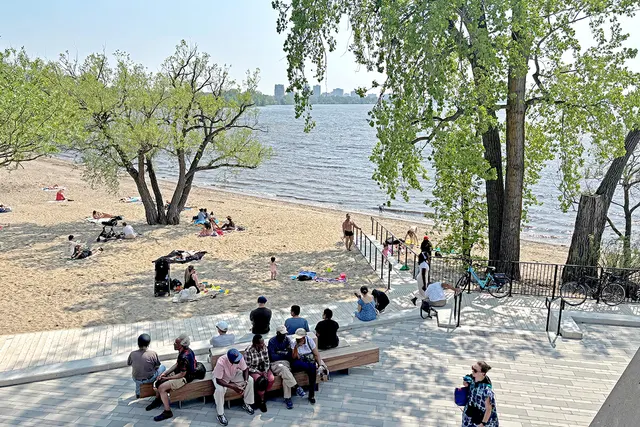
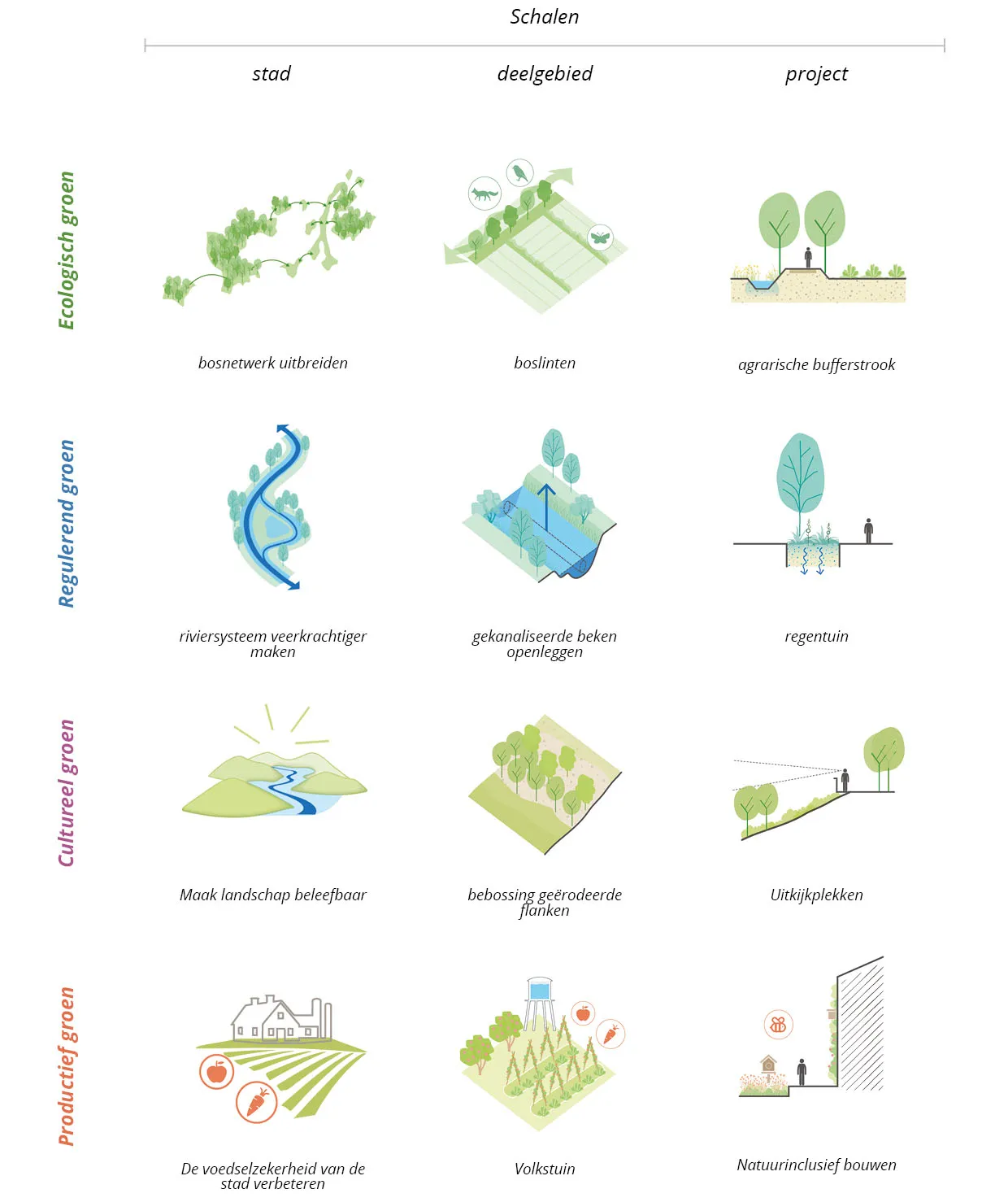
To illustrate the value of green space, the Green Plan uses the concept of ecosystem services. Services such as air purification, water management and recreation show how natural systems contribute to human and societal wellbeing. This approach strategically integrates urban objectives, such as health, mobility, heritage and ecology, with the green agenda. The ecosystem services approach also provides practical guidance for identifying smart combinations and making well-informed choices. In the city centre, for example, the emphasis is on cooling and recreation, while the outlying areas give greater priority to food production, nature development and water management. This ensures that green space is tailored to the specific challenges and needs of each district.
Four Natural Urban Landscapes
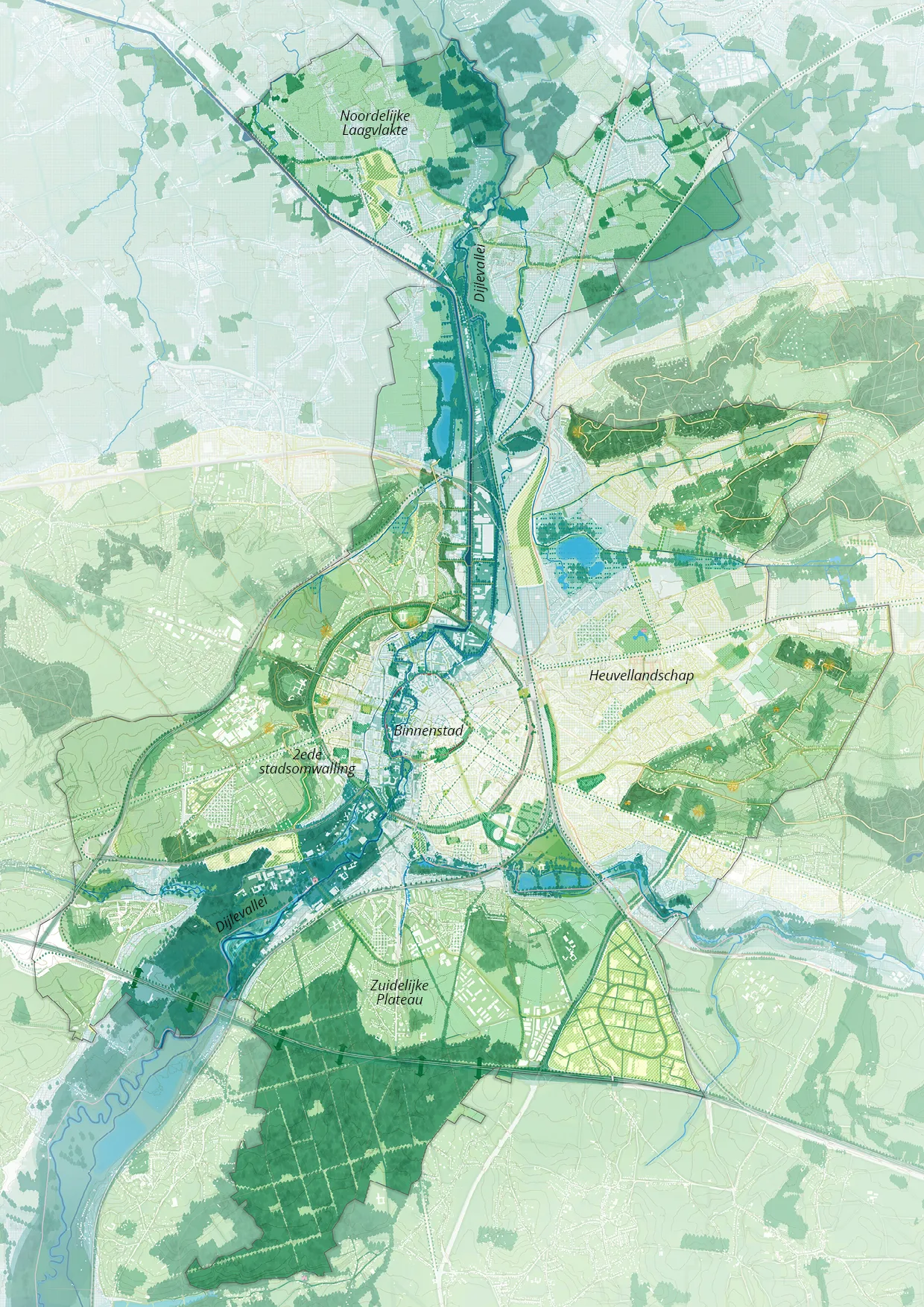
The Green Plan aims to create an urban landscape that functions as an ecosystem, with rich biodiversity and maximum ecosystem services. Leuven is divided into four natural urban landscapes: the City Centre, the Northern Lowland, the Southern Plateau and the Hill Landscape. The specific challenges, desired ecosystem services and potential solutions have been mapped for each area. The Dijle Valley plays a key role as a green backbone linking the different parts of the city. The valley strengthens ecological connectivity, reduces the risk of flooding and provides valuable space for recreation.
An ambitious mission for the future
Leuven is positioning itself as an innovative, green city as part of the European mission ‘100 climate-neutral and smart cities by 2030’. The Green Plan is the result of an intensive participatory process, in which a range of stakeholders worked together to develop a shared vision. The plan links the climate challenge with urban agendas and serves as a crucial tool for achieving the ambitious goals of the European Climate Contract Leuven 2030.
or more information about the Green Plan and plans for the future of Leuven, visit leuven.be/groenplan or our website.
Question about this story? Ask your question
Keep following this
Get an email when a new story is published. No account needed.
- SubjectPublic space