Passaqua: the water-permeable clay paver as an alternative to permeable paving
Text and images wienerberger
Climate change is putting Flanders under pressure: more intense rainfall is causing flooding in cities, while longer dry periods are affecting groundwater levels. The Flemish government is responding with the Flemish Rainwater Ordinance. It requires individuals, businesses and public authorities to take structural measures for sustainable water management in new-build and renovation projects. Maximising local infiltration is one of the requirements. With a water-permeable clay paver such as Passaqua from wienerberger, you can meet this requirement while creating a durable, attractive paved surface.
Flemish Rainwater Ordinance
Since October 2023, the Flemish Rainwater Ordinance has brought about a major overhaul of rainwater management. The new guidelines aim to promote sustainable water management. The ordinance focuses on three key principles: maximising rainwater infiltration, limiting runoff to the sewer network and providing storage capacity. The aim of the first principle is to slow down and limit the flow of rainwater into the sewer system as much as possible. This calls for innovative solutions that retain rainwater locally and allow it to infiltrate into the ground.
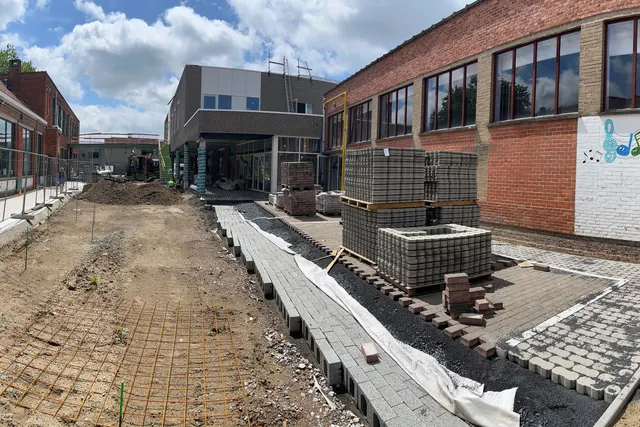
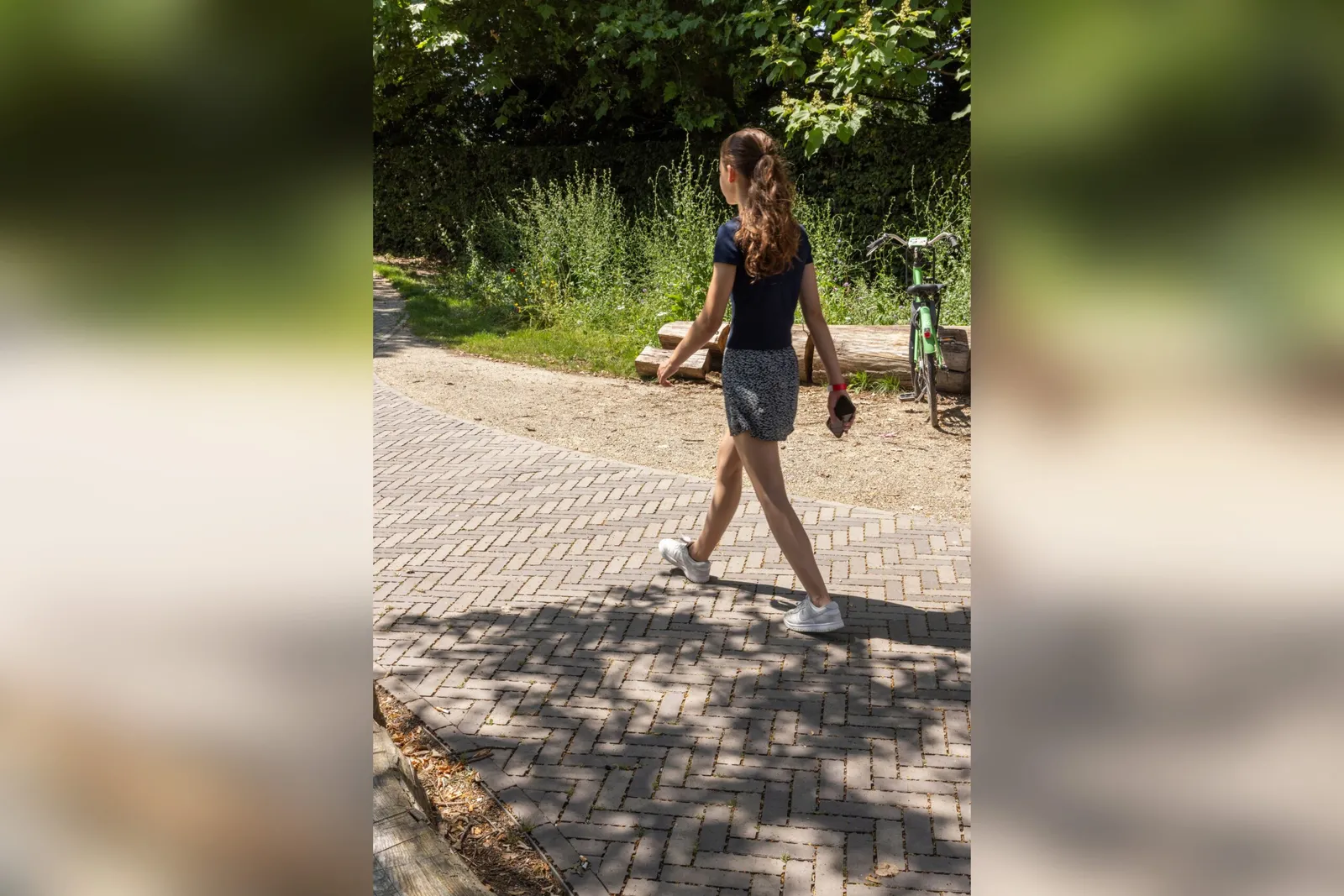
wienerberger’s Passaqua water-permeable clay paver is a paving solution that fits perfectly with the new regulations. Its spacer lugs create a 6 mm-wide joint when the pavers are laid, allowing water to pass through. The joints therefore account for 10% of the total paved area. This is the minimum requirement for paving to be classed as permeable. Passaqua is currently the only Belgian clay paver to meet this requirement.
Paving with a green touch
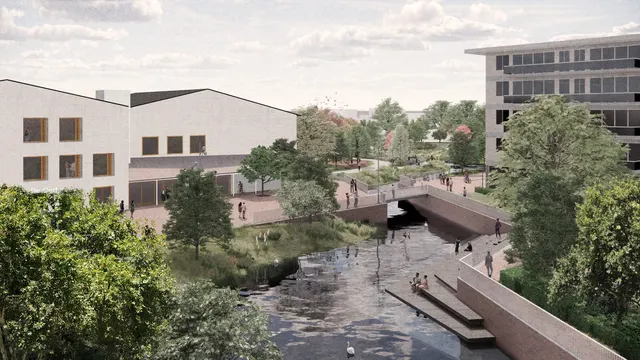
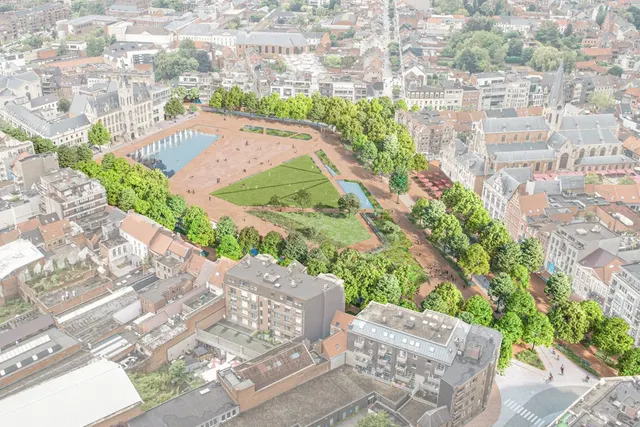
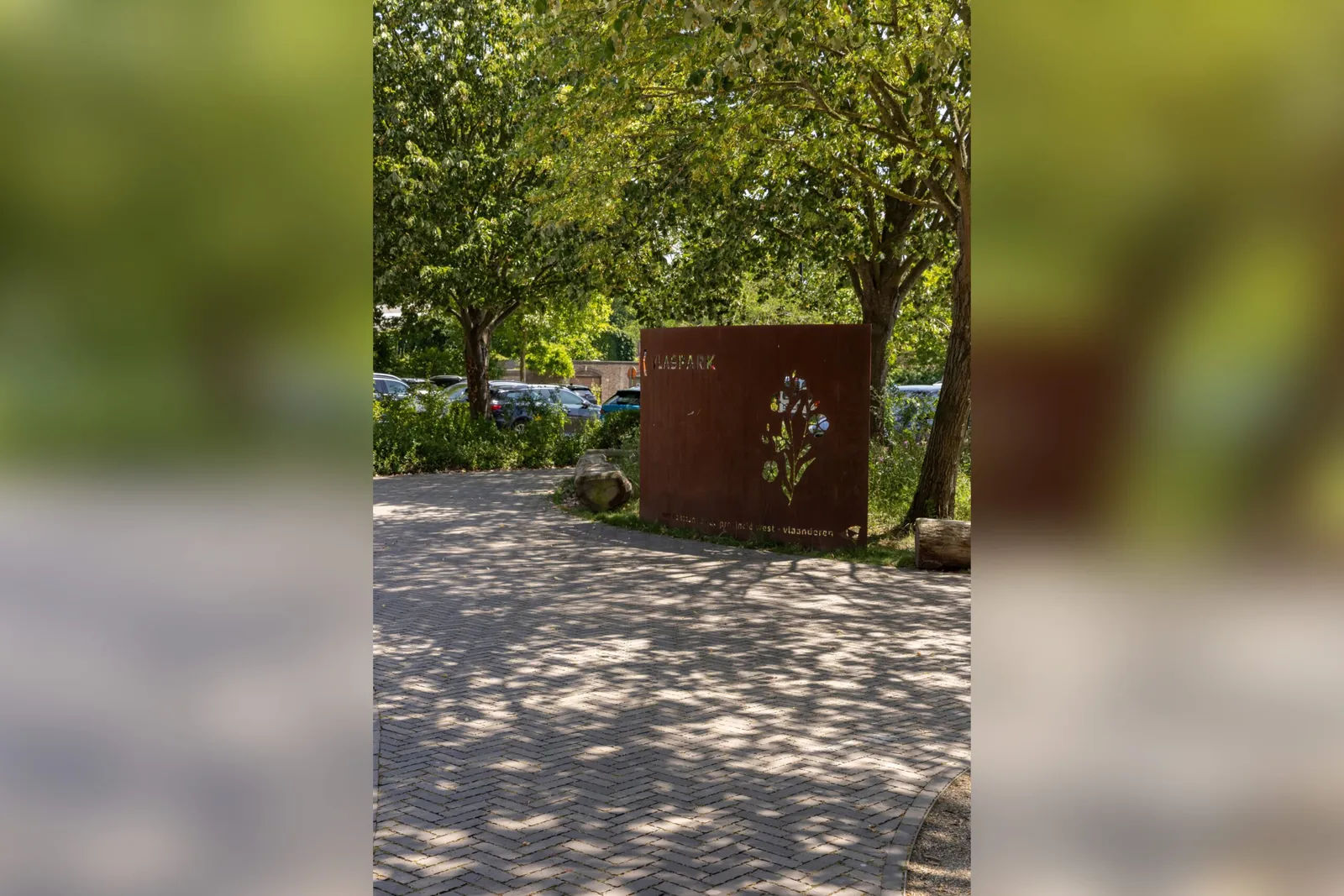
The requirement to remove hard surfacing plays a crucial role in the redesign of Flemish streets and squares. By 2050, Flanders aims to halt any net increase in paved surfaces and, in fact, reduce them by one fifth. When redesigning urban squares or paths, Passaqua clay pavers can be used as part of an integrated water management plan. The ordinance creates opportunities to replace existing paved surfaces with these innovative clay pavers. This allows a design to kill two birds with one stone: it meets statutory requirements and helps accelerate the transition to climate-resilient infrastructure. Thanks to its water-permeable properties, Passaqua combines functionality with preservation of the natural water cycle. The clay pavers can also be combined with greenery, for example, car parks with integrated green spaces or footpaths bordered or interspersed with vegetation. This hybrid approach not only enhances the aesthetics, but also increases biodiversity and thermal comfort in cities. A better balance between paved surfaces and greenery helps reduce the urban heat island effect.
Circular paving
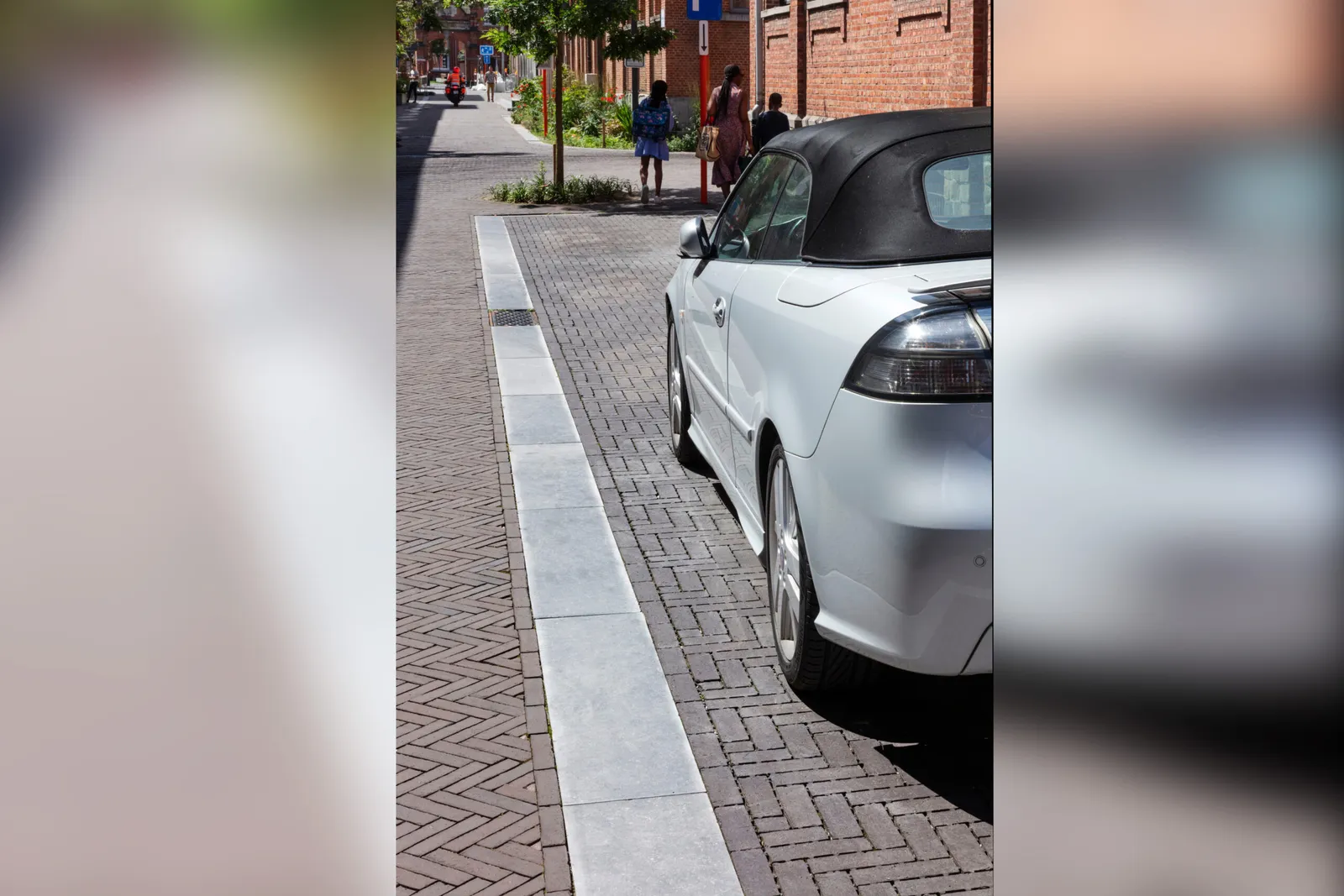
Passaqua clay pavers also reflect the growing focus on sustainability and the circular economy in Flanders. Clay pavers are known for their long service life and durability, meaning they need replacing less often than other materials. They are also fully reusable and can therefore be used several times during their service life.
Design freedom
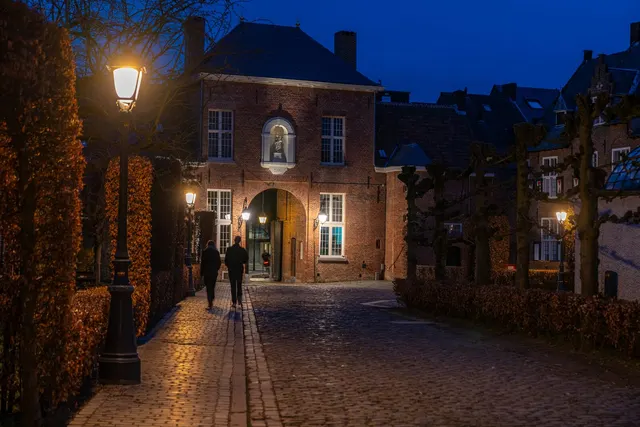
Permeable solutions need not compromise on design. Passaqua pavers show that functionality and beauty go hand in hand. Available in a range of colours and sizes, they offer the freedom to create paved surfaces that complement their surroundings. In historic town centres, clay pavers can contribute to a harmonious streetscape, while in modern projects they emphasise clean, contemporary lines.
Question about this story? Ask your question
Keep following this
Get an email when a new story is published. No account needed.
- ThemeSpace for water and green infrastructure
- SubjectPublic space