Climate-resilient water features to limit disruption
Text Niels RouvroisImage Aquafontal
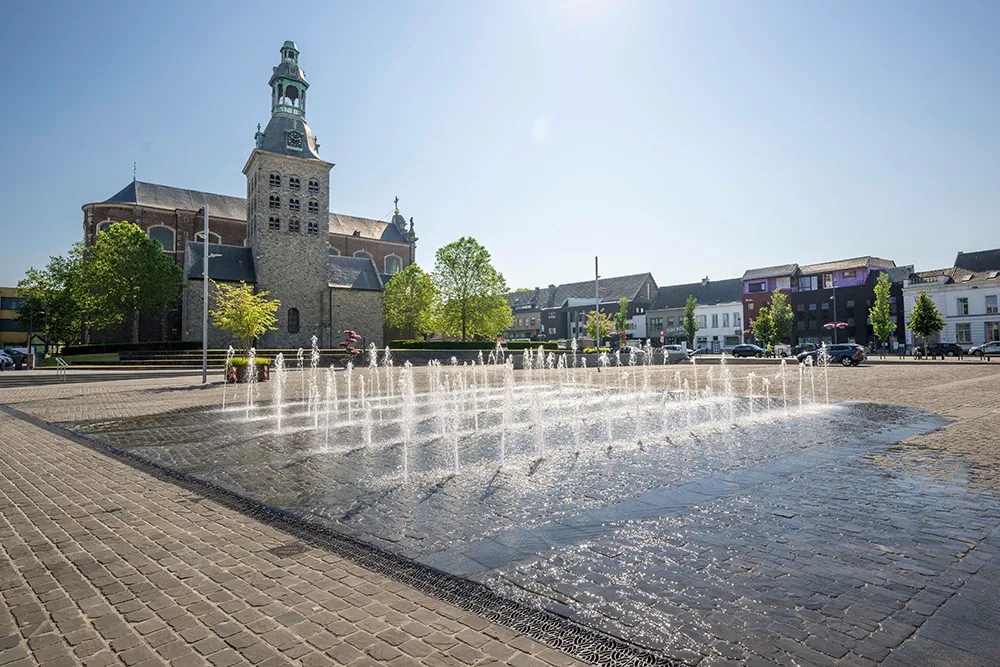
Water scarcity and prolonged periods of heat and drought on the one hand, torrential rain and the risk of flooding on the other. Weather conditions are increasingly being felt in more extreme forms. A climate-resilient public realm is therefore no longer a luxury, but a necessity. Aquafontal’s water features are climate-resilient and therefore ideally suited to the challenges posed by climate change.
Aquafontal designs, builds and maintains smart public water features that offer an immersive experience. It provides everything from design and construction to the maintenance of high-quality water installations. Aquafontal’s water features use smart technology to optimise the water experience and treatment. When designing fountains, Aquafontal takes account of the changing climate, helping to mitigate the negative effects of climate change, such as heat, drought and flooding.
Limiting disruption
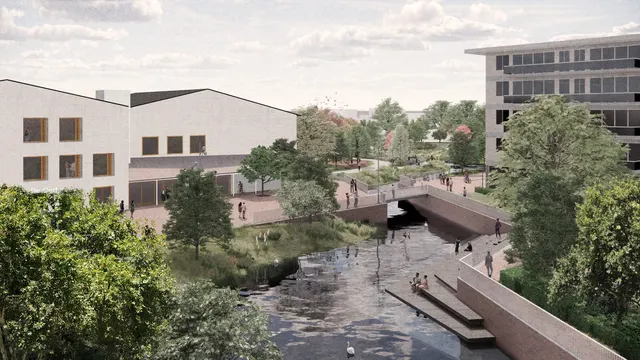
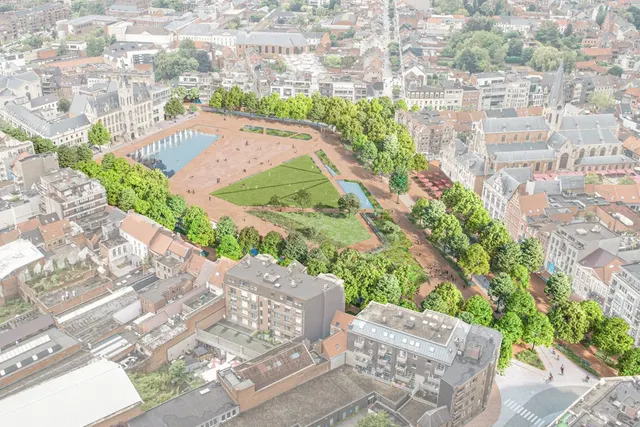
“Public water features are usually located in heavily paved environments, such as squares, streets and around buildings, where they can be used to limit disruption,” says Sam Storme, owner of Aquafontal. “In hot weather, they act as micro-cool islands, particularly when people walk or play in them and the water comes into contact with their skin. During periods of waterlogging, the large reservoirs built for the water features can be used to store water and ease the burden on the public sewer network during these critical periods.”
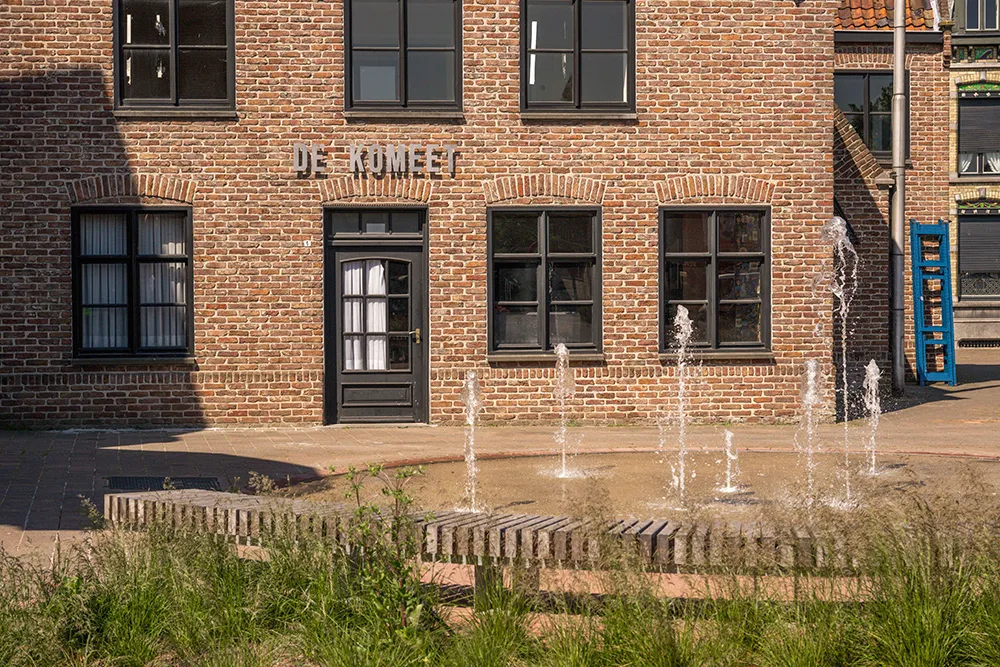
The extensive pumping system can be used to infiltrate stored rainwater into green spaces or swales. Sam Storme explains: “This keeps rainwater local and replenishes the soil, and in turn the green spaces, which provide cooling through shade and evapotranspiration. Our aim is to store water during periods of extreme flooding, then filter it and use it during heatwaves.”
Experience
There is also another kind of changing ‘climate’: the growing demand for entertainment and experiences in public spaces. “Public spaces are increasingly being designed with care as places to meet, with eye-catching features and recreational opportunities. A water feature acts as a magnet, particularly for children, who in turn attract other people. Water features add another dimension to public spaces and give designers the opportunity to get creative. Water is the icing on the cake,” concludes Sam Storme.
Question about this story? Ask your question
Keep following this
Get an email when a new story is published. No account needed.
- ThemeSpace for water and green infrastructure
- SubjectPublic space