Brussels: less concrete, more green
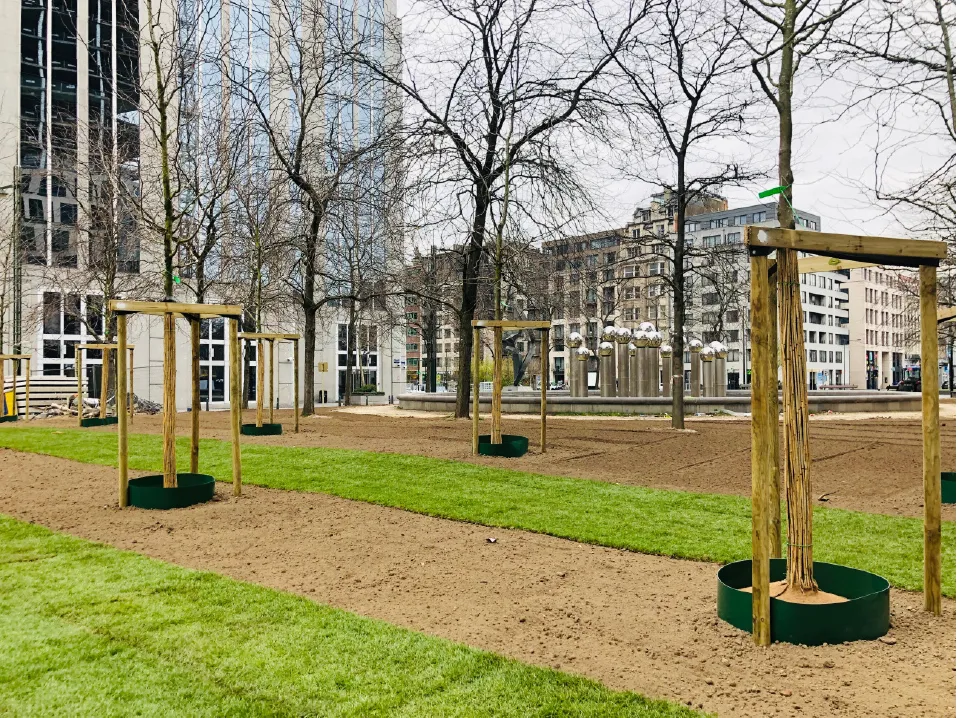
Greening and depaving public spaces are essential to the fight against global warming and improve quality of life in the city. “We are greening and depaving to increase the benefits for the ecosystem,” says Dimitri Strobbe, Director and Head of the Maintain Department at Brussels Mobility.
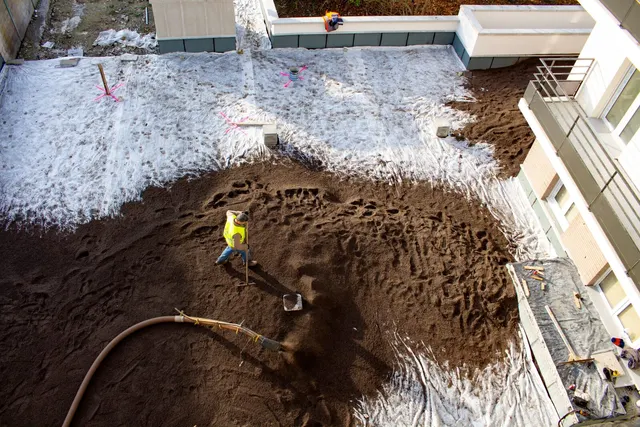
In 2020, Brussels Mobility made a priority of a number of small-scale local projects to improve soil permeability and better manage rainwater runoff. In recent months, work has been carried out in Koning Albert II-laan, steenweg op Bergen, Jules Cockxlaan, Veeartsenstraat, de Frélaan and steenweg op Alsemberg, among other places. More than one million euros was allocated to these smaller projects last year. This ambition was stepped up further for 2021, with dozens of additional projects under consideration.
The wellbeing of Brussels residents
“Wherever possible, Brussels Mobility chooses to green and depave the city to increase the benefits for the ecosystem,” says Dimitri Strobbe. “The aim is not only to enhance the landscape, but also to promote biodiversity and better manage rainwater runoff, reducing the risk of flooding. At the same time, more green space improves quality of life by absorbing air pollution and noise, and combating heat. All these factors help make the city more pleasant for its residents and visitors.”
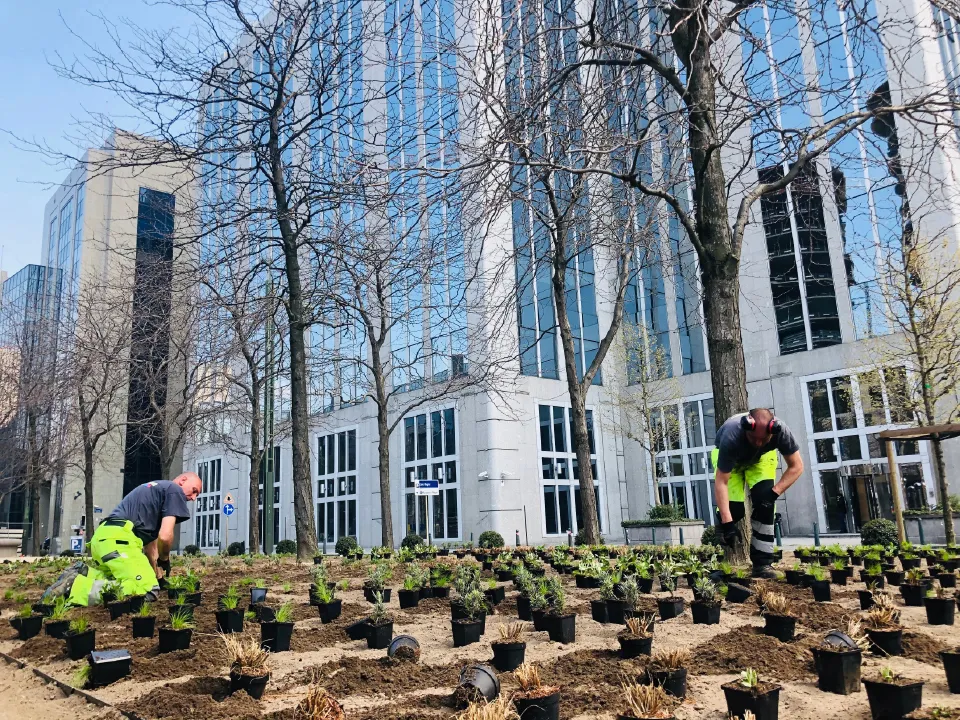
For Elke Van den Brandt, Brussels Minister for Mobility, Public Works and Road Safety, more green space not only helps keep the city cool in summer and clean the air, but also promotes the physical and mental wellbeing of the population: “Green makes people happy. Everyone in Brussels should be able to come into direct contact with nature. To make that possible, we need to green and depave our city. We will do so wherever possible.”
Undeniable impact
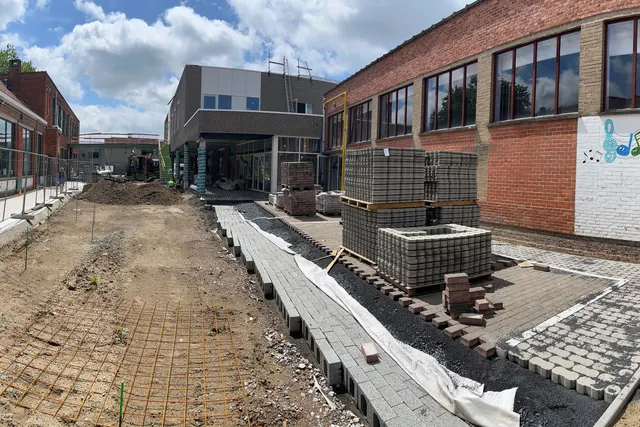
Depaving public spaces can be as simple as turning areas of dolomite or asphalt into planted areas. Even just enlarging the planting pits around trees has an undeniable impact. These projects also enable Brussels Mobility to improve biodiversity. Good examples of projects under way include the so-called Menhir roundabout in Brussels, where the cobblestones in the central island were replaced with grass and low-growing plants, and Vorsterielaan in Watermaal-Bosvoorde, where the stones in the central island beneath Staccioli’s artwork were likewise replaced with grass and low-growing plants.
At Jamblinne de Meux-plein in Schaarbeek, a prominent tree is being protected and given greater prominence, pedestrian routes around it are being reorganised, and the permeable surface area is being increased with new planting. Brussels Mobility is responsible not only for the 30,000 trees lining the roads, but also for the thousands of kilometres of lawns and planting beds in the regional public space. “In 2020, we increased the number of our small local projects, focusing on demineralising public spaces, improving soil permeability and managing runoff more effectively. This is an essential tool in the fight against global warming,” they say enthusiastically.
Question about this story? Ask your question
Keep following this
Get an email when a new story is published. No account needed.
- ThemeSpace for water and green infrastructure
- SubjectPublic space