Brick manufacturer contributes to climate-resilient public spaces
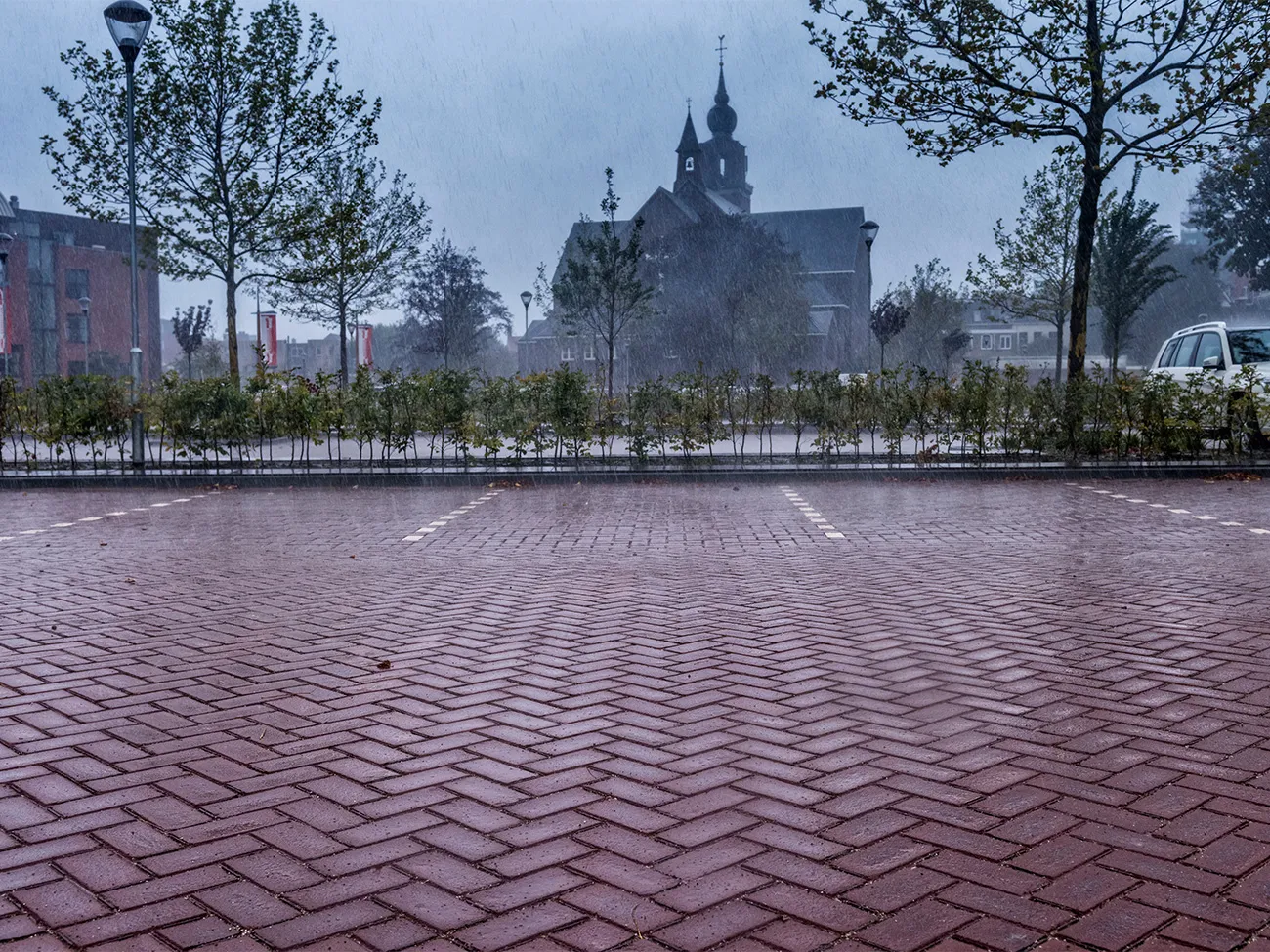
Adapting our public spaces to climate change is one of the biggest challenges facing the Belgian government and construction sector. Vandersanden is taking the lead on climate adaptation, developing solutions to address heavy rainfall and soil drought. “As a family business, Vandersanden naturally cares about the wellbeing of future generations. That is why we want to play a pioneering role in the sector when it comes to climate-adaptive solutions,” says Kris Van Duyse, Commercial Director Pavers at Vandersanden.
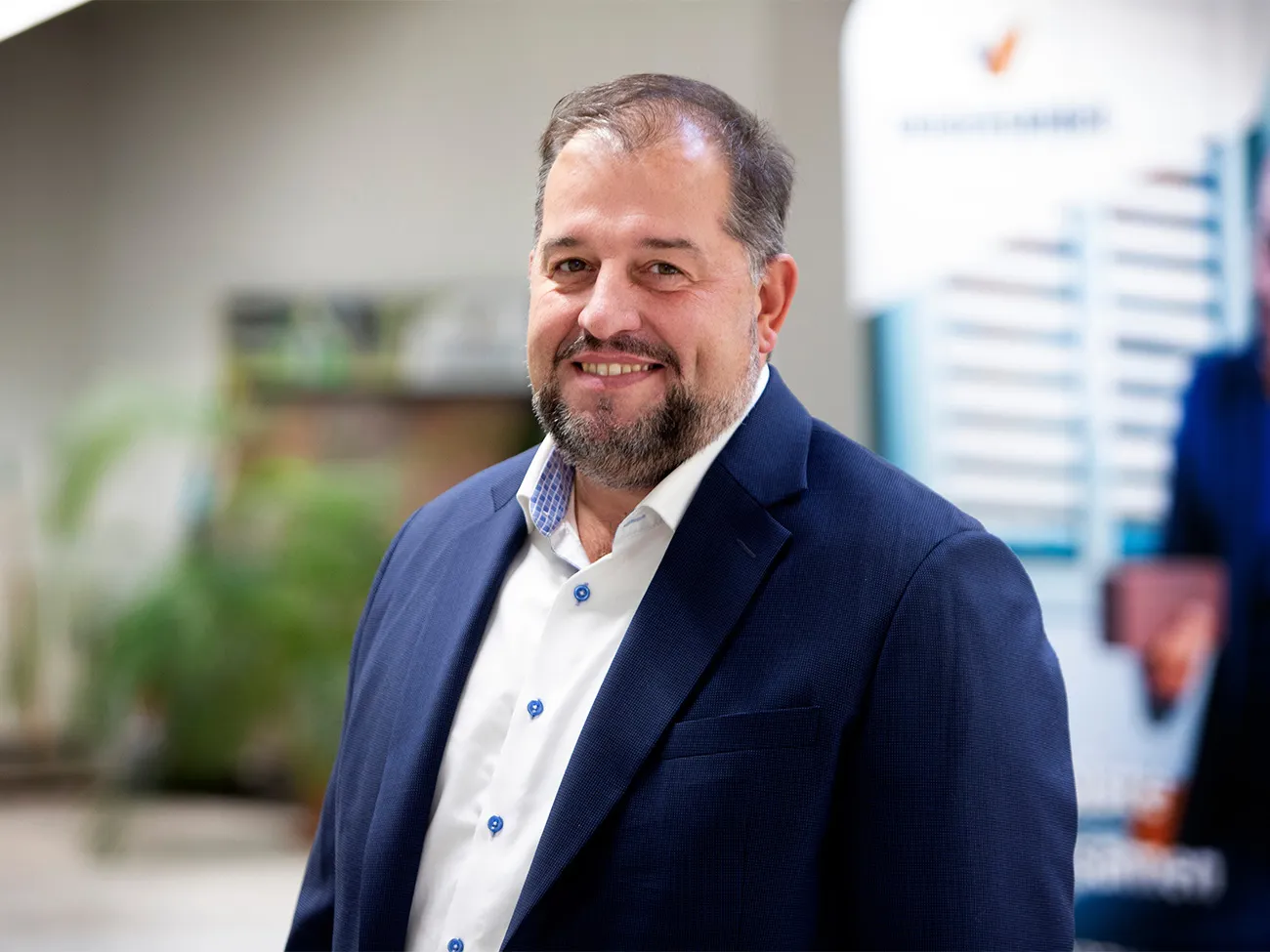
As a family business, Vandersanden asks itself every day how it can help create a pleasant living environment that anticipates the ecological challenges of today and tomorrow. Kris Van Duyse says: “We think in generations, not years. That is why we are keen to help create public spaces that will remain sustainable, climate-resilient, attractive and high-quality not only today, but also in 10, 50 or 100 years. As a manufacturer of paving and facing bricks, among other products, we can both enhance the appearance of our living environment and add value through the climate-adaptive properties of our products. A win-win situation, then. Vandersanden is certainly a pioneer in this respect in the construction sector. With clay as a natural and inexhaustible raw material, we have long had a highly circular and sustainable product. By also bringing climate-adaptive products to market, we can make an even greater contribution to sustainability.”
Three pillars
In developing climate-adaptive solutions, Vandersanden focuses on three pillars: simplicity and accessibility, attractiveness and quality, and bespoke solutions. Kris Van Duyse says: “When it comes to bespoke solutions, we want to take as much of the burden as possible off engineering consultancies and local authorities, and support them with our own experts. Every urban neighbourhood and village centre is different. Anyone investing in sustainability must develop system solutions tailored to (hyper)local challenges. These include underground water flows, the type of subsoil, changes in elevation that affect water flows, paved and built-up areas, groundwater levels, the intensity of downpours and local annual rainfall.”
Climate adaptation must also be simple and accessible. “At Vandersanden, we aim to offer climate-adaptive solutions that meet contractors’ needs, so they need to make little or no changes to the way they work,” explains Kris Van Duyse. “We believe these solutions should be straightforward and not too complex, and should be available at the lowest possible cost. Finally, quality and attractiveness must always go hand in hand. Local authorities should not have to compromise between attractiveness and sustainability when designing their public spaces. Climate-adaptive solutions must meet the same quality standards as conventional products, and look just as attractive and high-quality.”
Drainflow
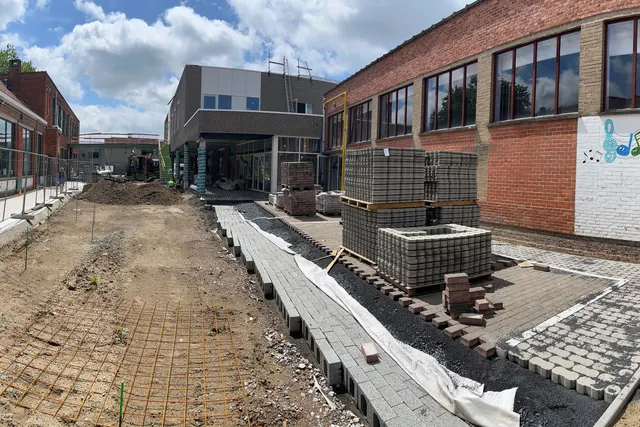
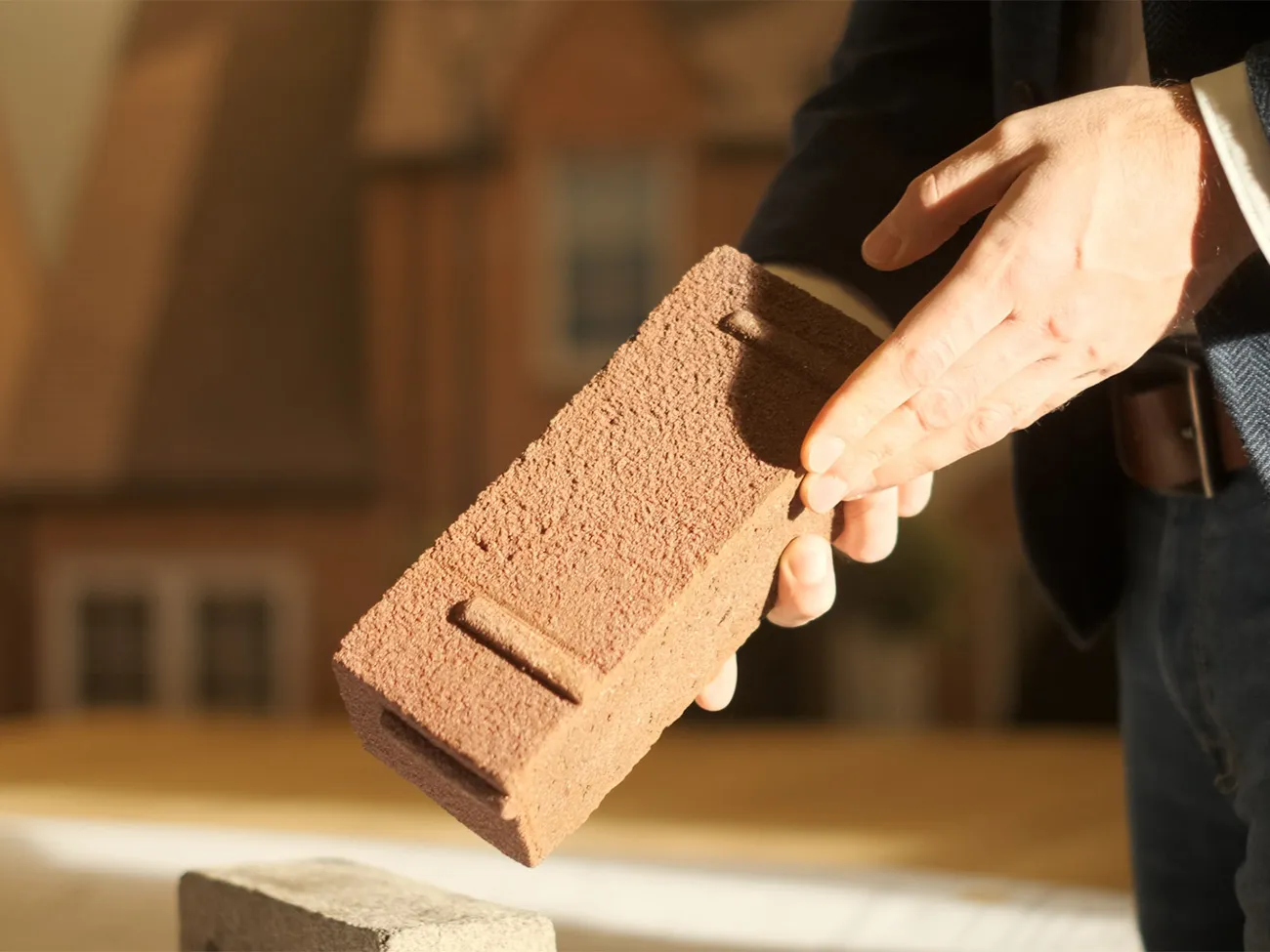
Vandersanden believes in the benefits of permeable paving, which allows rainwater to infiltrate where it falls. That is why the company developed Drainflow®: permeable clay pavers with the quality of conventional clay pavers and water-infiltrating properties. Kris Van Duyse says: “The pavers can be installed mechanically, and their use avoids other complex and costly measures, such as installing separate sewers for rainwater. They are practical and easy to incorporate into existing built-up areas. Combined with the right subsoil, permeable clay pavers are therefore a simple, attractive and sustainable solution that helps protect our public spaces against the impacts of climate change.”
CO2-negative bricks
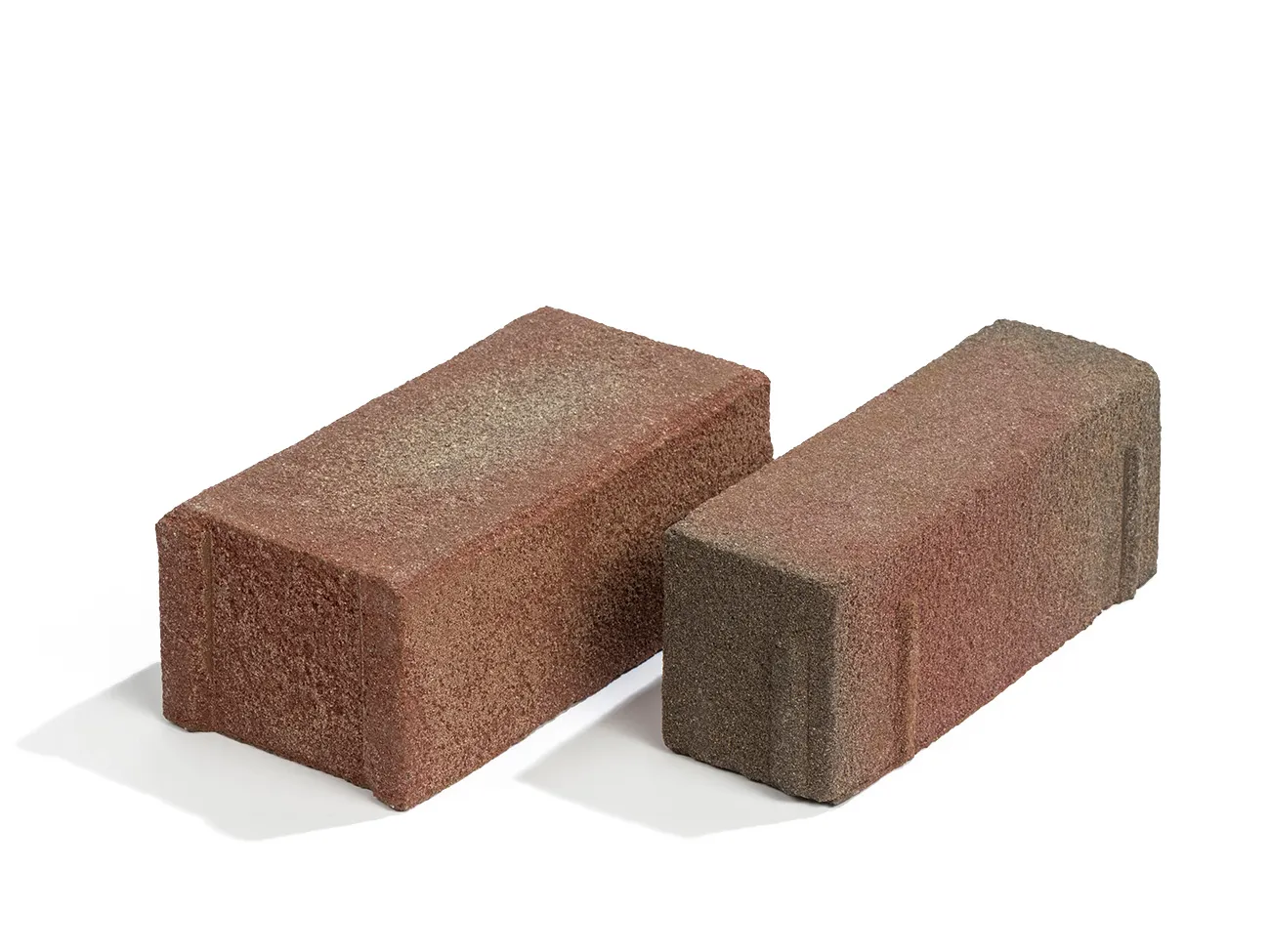
Climate adaptation is a priority for Vandersanden today. Kris Van Duyse says: “But we are also looking ahead. The current focus is on 2050, but climate change will remain a major challenge for decades and centuries beyond that. That is why, among other things, we are working on developing CO2-neutral and even CO2-negative bricks. Our aim is to minimise the CO2 impact of our bricks, resulting in a favourable life cycle assessment (LCA) and environmental cost indicator (MKI). Our energy-efficient brick kiln in Tolkamer is already helping us reduce CO2 emissions from our production processes. We are also looking at ways to dematerialise our products, which are naturally very strong. For example, a thickness of 6 cm may be sufficient without compromising strength, quality or durability.”
Finally, Vandersanden as a company will continue to evolve. In an increasingly complex world and climate, Vandersanden is growing from a manufacturer of facing bricks and clay pavers into a partner for public authorities seeking to shape their public spaces sustainably and in a climate-resilient way. “By joining forces with our partners and local authorities, we can take a step forward together in making public spaces in Belgium and beyond more sustainable. We are ready to meet the challenges, and will do everything we can to bring the various authorities on board with this sustainable journey,” concludes Kris Van Duyse.
Een zakelijke vraag aan Vandersanden? Get in touch
Companies in this story
Keep following this
Get an email when a new story is published. No account needed.
- ThemeSpace for water and green infrastructure
- SubjectPublic space
- CompanyVandersanden