Vacuum excavation: an efficient and safe alternative
Text Niels Rouvrois Beeld Prima-Clean
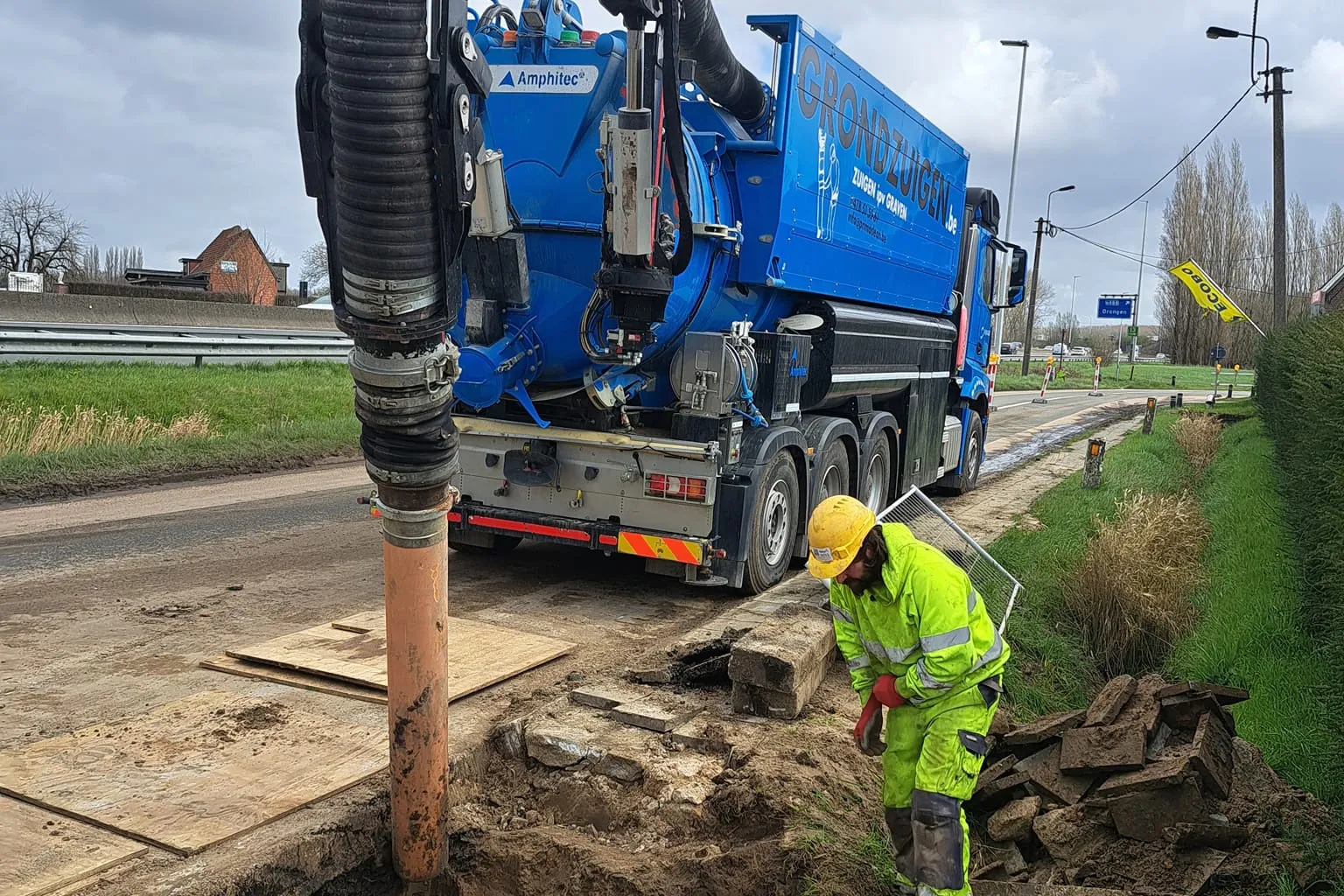
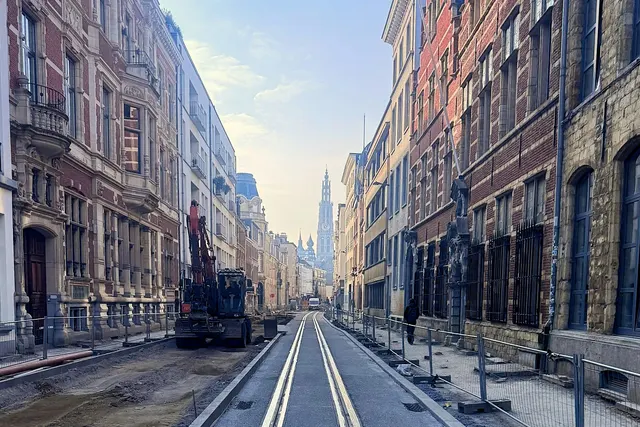
Vacuum excavation has gained significant momentum in the civil engineering sector in recent years. The increasing complexity of underground infrastructure, combined with a growing focus on safety and the importance of efficiency, means that contractors and clients are increasingly recognising the advantages of vacuum excavation over conventional digging methods. Cris Van Durme, managing director of vacuum excavation specialist Prima-Clean, has noticed this too.
Cables, pipes and service connections often form an almost impossible-to-untangle ‘spaghetti’, making manual or mechanical excavation a high-risk operation. Vacuum excavation offers an efficient alternative: pipes and cables remain intact and the surrounding area is minimally disturbed. In short, the risk of damage is kept to an absolute minimum. Cris Van Durme: “Safety is also crucial. Accidents still happen with conventional excavation methods, often involving workers in the trench. That risk does not exist with vacuum excavation because no one is in the trench.”
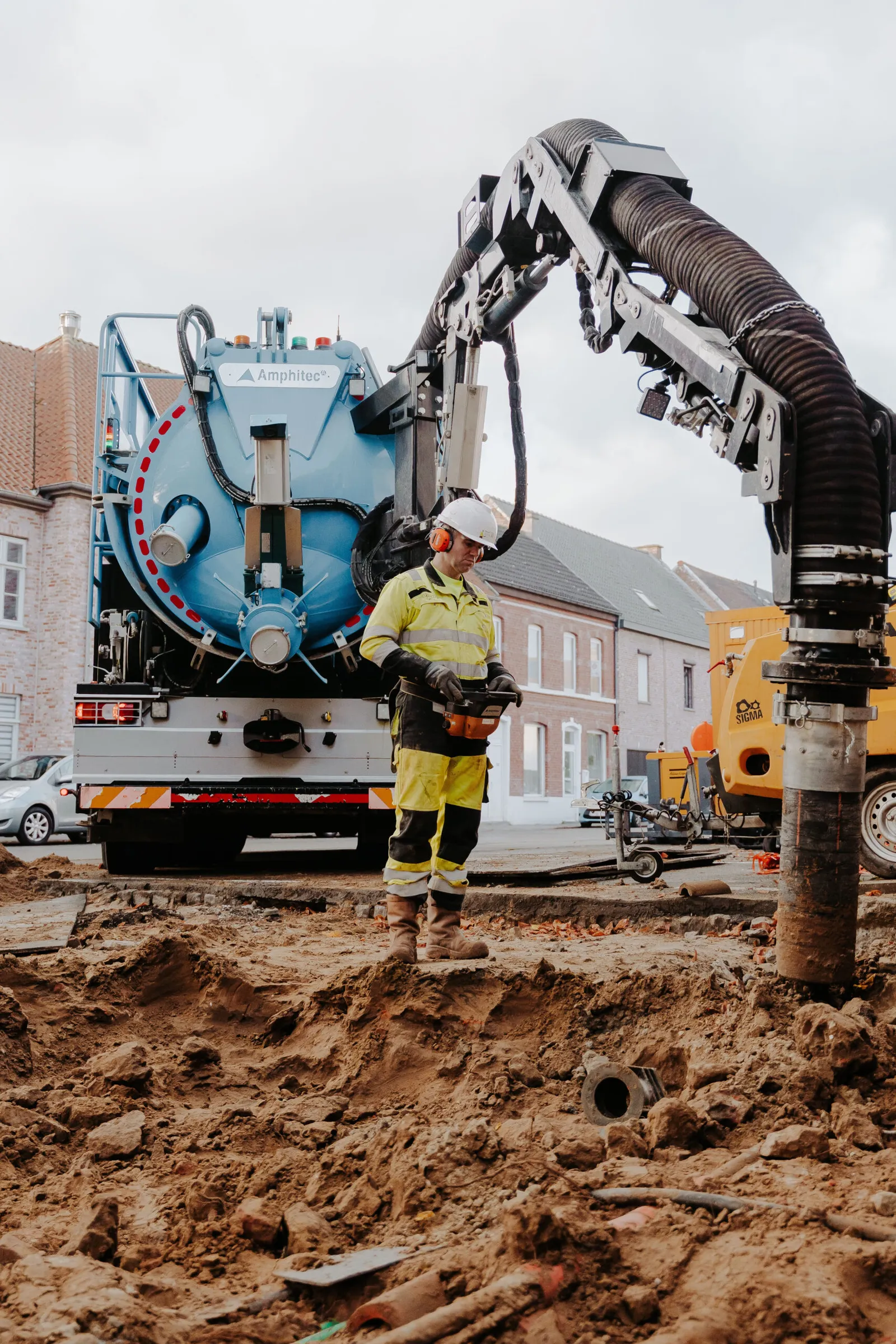
The impact on nature also plays a part. Vacuum excavation is increasingly used for work around trees and other vulnerable structures. Root zones can be cleared without causing damage.
Investing
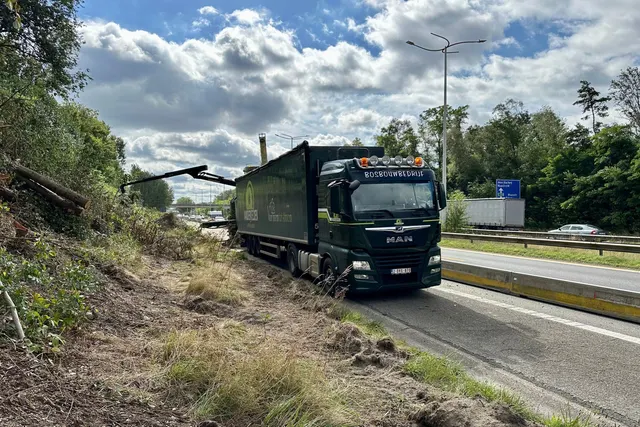
To meet rising demand, Prima-Clean is steadily expanding its fleet. This year, it put two new machines into service: a vacuum excavator with three vacuum pumps and another with three fans. “The machine with vacuum pumps maintains powerful suction, even in deep trenches and wet ground. The triple-fan machine, by contrast, moves larger volumes of air, but at a lower vacuum.” So says René Herlaar, operations manager at Pols, a Dutch distributor of vacuum excavators. At this year’s MATEXPO, one of Prima-Clean’s vacuum excavators was on display at the Pols stand.
Cris Van Durme: “It is very important for us to be present at a trade fair like this. I have, of course, long been convinced of the considerable benefits of vacuum excavation for infrastructure works, but I still often find that contractors, including larger ones, are not always fully aware of its advantages. At the same time, we continue to invest and plan ahead. We now have the right vacuum excavator for every type of work. We can be deployed for virtually all kinds of infrastructure projects, from the most complex to the largest. Thanks to these investments, we can carry out almost any type of job. Deep excavation, high-level excavation, long-distance excavation … anything is possible, even when the ground is very hard.”
Building for the future
Where there is little room to manoeuvre, such as between and beneath cables and pipes, or around valves, vacuum excavation is the way to excavate without causing damage, efficiently, safely and ergonomically. Cris Van Durme: “And at a pace no spade can match. Vacuum excavation is also ideal for digging trial trenches to investigate planned works. This gives the contractor a clearer picture of the underground infrastructure. As excavation work increases, we are also seeing a rise in damage incidents. That is, to say the least, worrying, given the consequences such damage can have. Insurers are keeping a close eye on this too and are increasing contractors’ excesses, leaving many damage claims uncovered.”
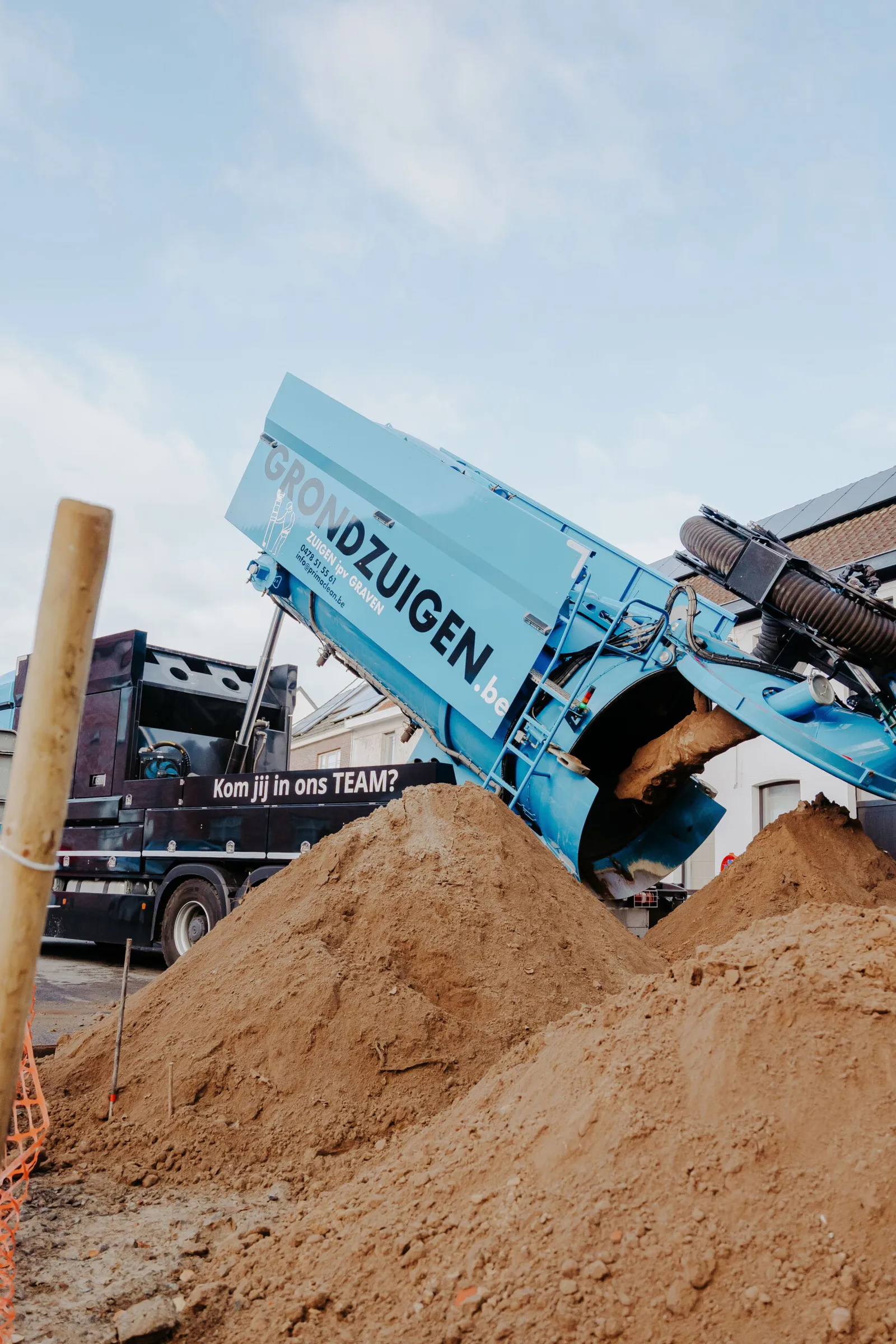
Grondzuigen.be
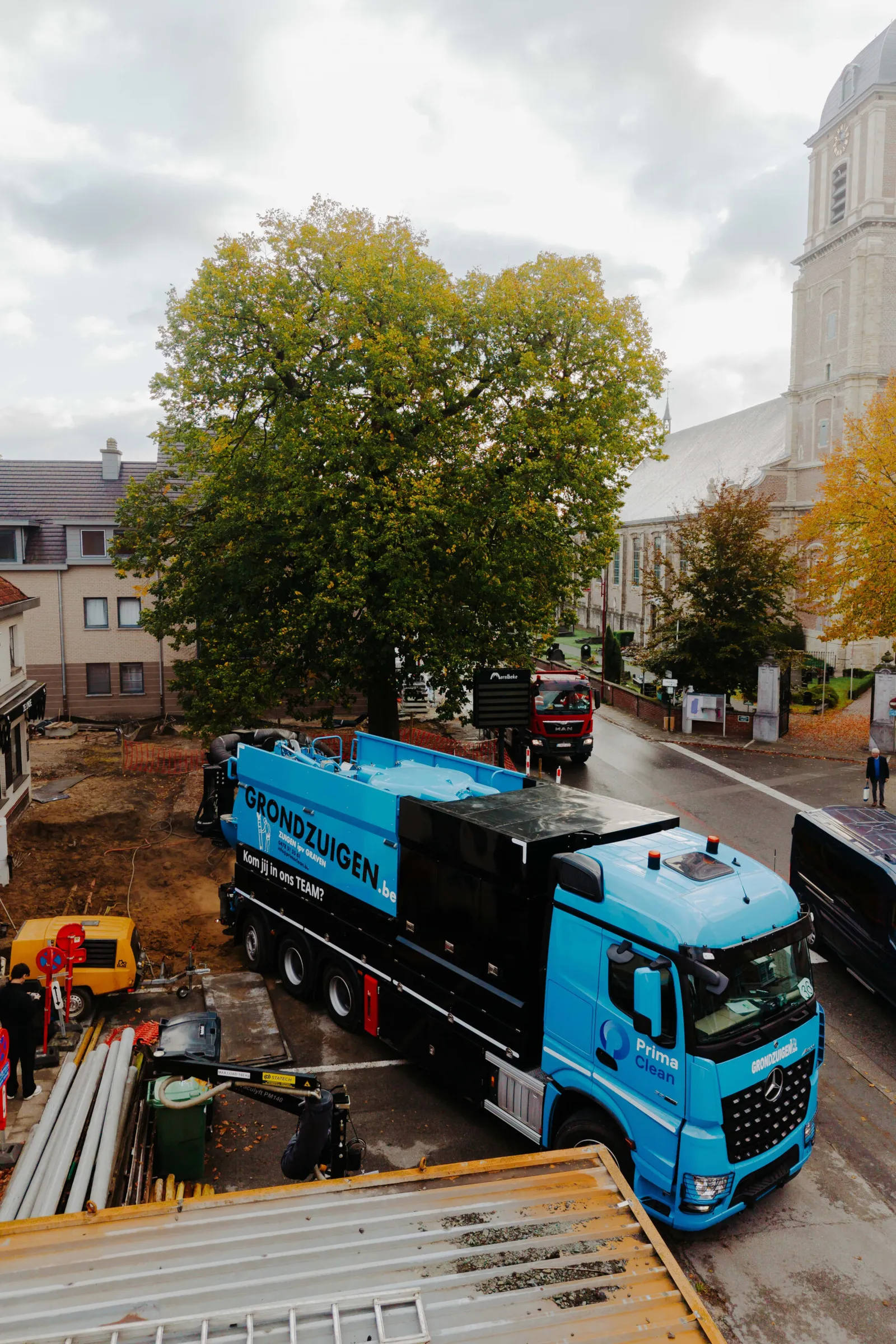
Prima-Clean does more than vacuum excavation, operating under the name grondzuigen.be. As an experienced specialist in emptying and cleaning pits, tanks, ponds … the company also serves private and industrial customers. Its 2021 acquisition of De Seranno Cleaning strengthened its market position and enabled it to work more flexibly. Professional staff ensure that clear agreements are made and kept to the letter. “We aim to keep our customers satisfied and provide a fast, sustainable solution at a fair and transparent price,” concludes Cris Van Durme.
Question about this story? Ask your question
Keep following this
Get an email when a new story is published. No account needed.
- ThemeUsing and protecting the subsurface
- SubjectYearbook