The right approach to sustainable concrete repair
Text and images FEREB
FEREB is the Belgian Federation of specialists in concrete repair, strengthening and protection. Together with its members, contractors, manufacturers and service providers, FEREB promotes sustainable concrete repair.
Concrete damage
Concrete damage can have various causes. In reinforced concrete, damage is often caused by corrosion of the reinforcement. The reinforcement expands and the concrete cover begins to crack and spall. In most cases, concrete damage is caused by carbonation. This is a natural process in which CO2 penetrates the concrete. Once the carbonation front reaches the reinforcement, it begins to corrode, causing cracks and fissures. This type of concrete damage is most common in older concrete structures.
Another common problem is chloride ingress. This often occurs as a result of de-icing salts and in environments with high salt levels, such as coastal areas. Chlorides penetrate the concrete, causing the reinforcement to corrode. In the past, chlorides were sometimes added to the concrete mix to speed up work in cold temperatures.
Other causes of concrete damage include water ingress, cracking due to mechanical influences such as vibrations from heavy traffic, and chemical influences in industrial environments. Design and construction defects can also lead to premature damage. Finally, there is ASR (alkali-silica reaction), which causes the concrete itself to leach. A distinction is also made between aesthetic and structural damage. FEREB has developed a step-by-step plan with its members to ensure sustainable concrete repair.
Diagnosis or preliminary investigation
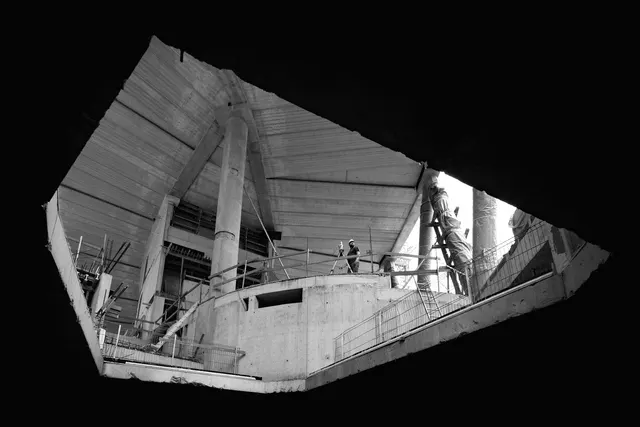
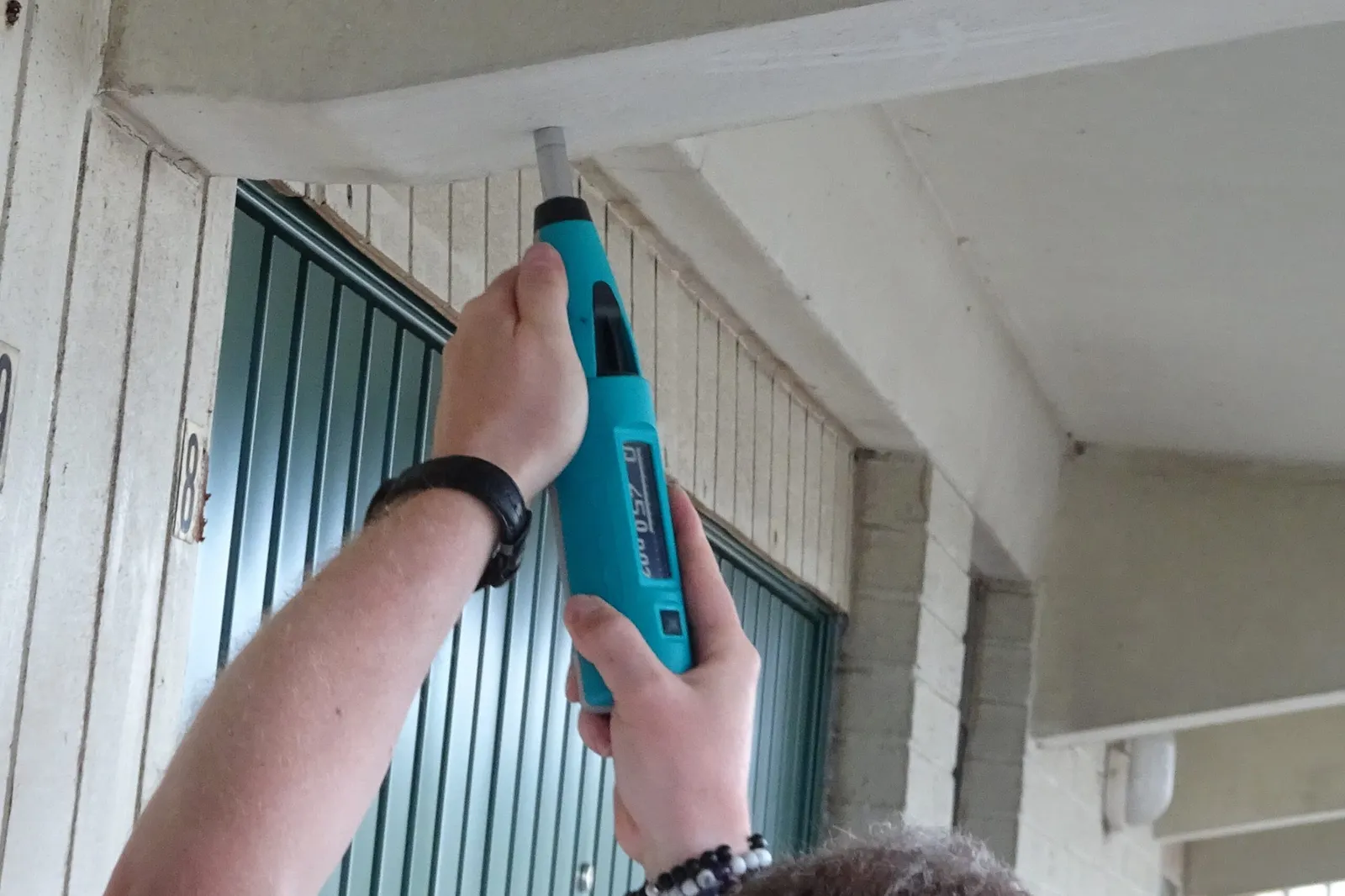
Diagnosis or preliminary investigation is the basis of every sustainable concrete repair. This diagnosis must always be carried out before the repair and must be conducted by a specialist architect or engineering consultancy. They have the necessary equipment to take measurements and determine the cause and extent of the damage. In some cases, an in-depth investigation involving core drilling and analysis by a specialist laboratory is necessary. The preliminary investigation provides the basis for preparing a specification and cost estimate.
Choosing an experienced contractor
Choosing the contractor is very important. Opt for an experienced contractor who is a FEREB member, has the necessary expertise and preferably employs Benor-certified operatives.
Choosing the right products
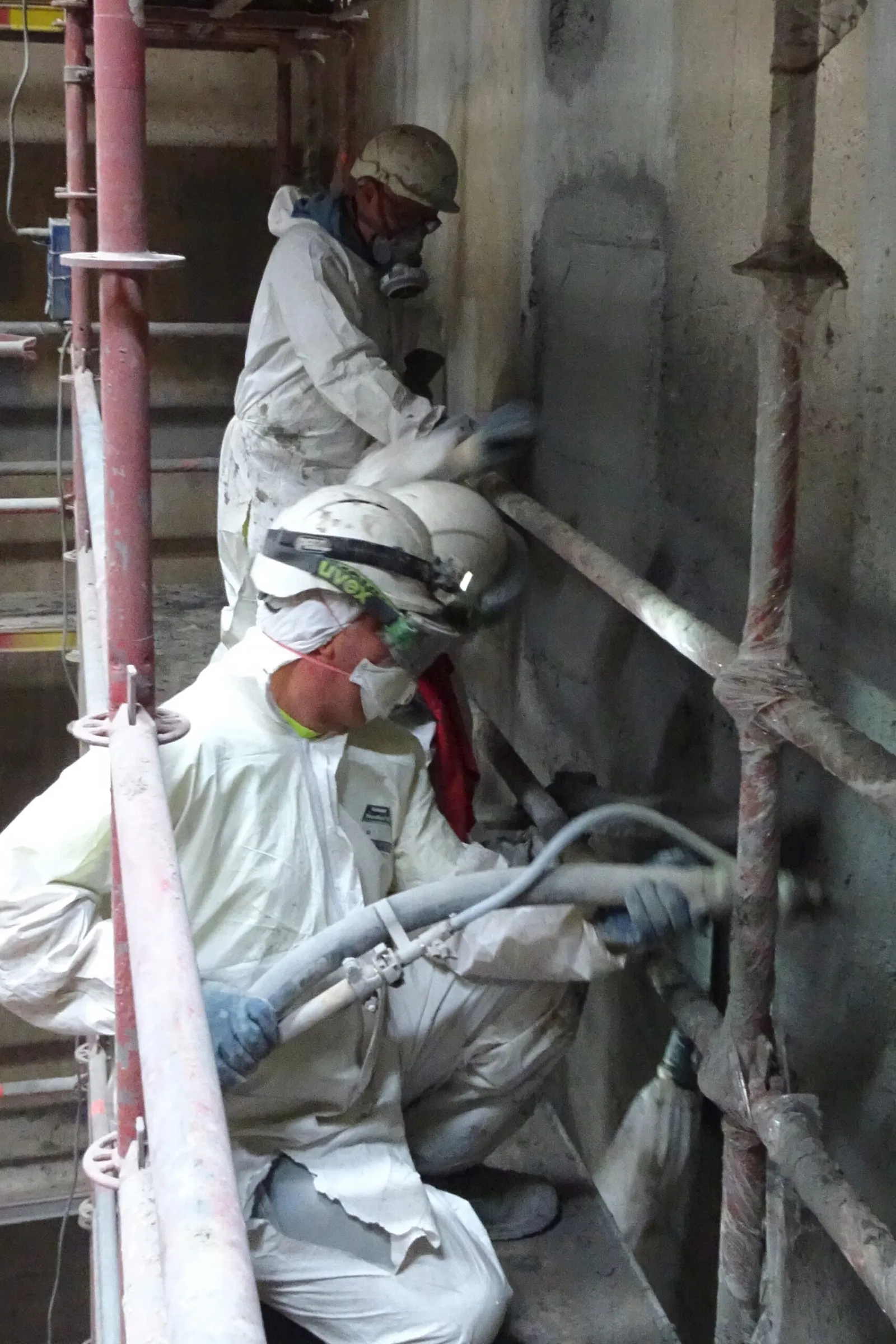
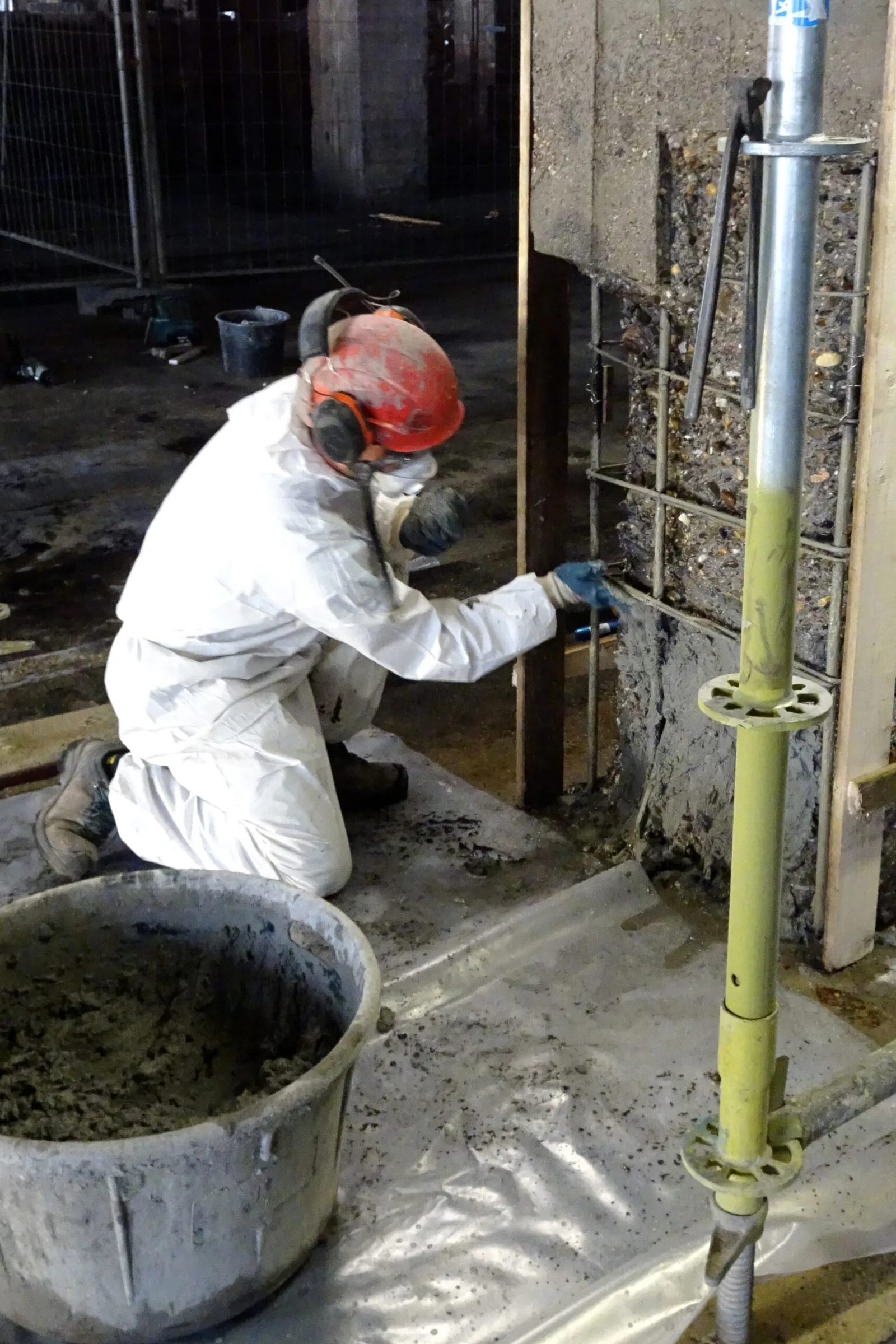
Products must also be selected carefully. There are various repair mortars: mortars for hand application, sprayed mortars, and mortars for repairing structural or aesthetic damage. Repair mortars must carry the CE mark and should preferably also be Benor-certified. In some cases, new products and techniques can repair or prevent concrete damage.
Inspections during and after the work
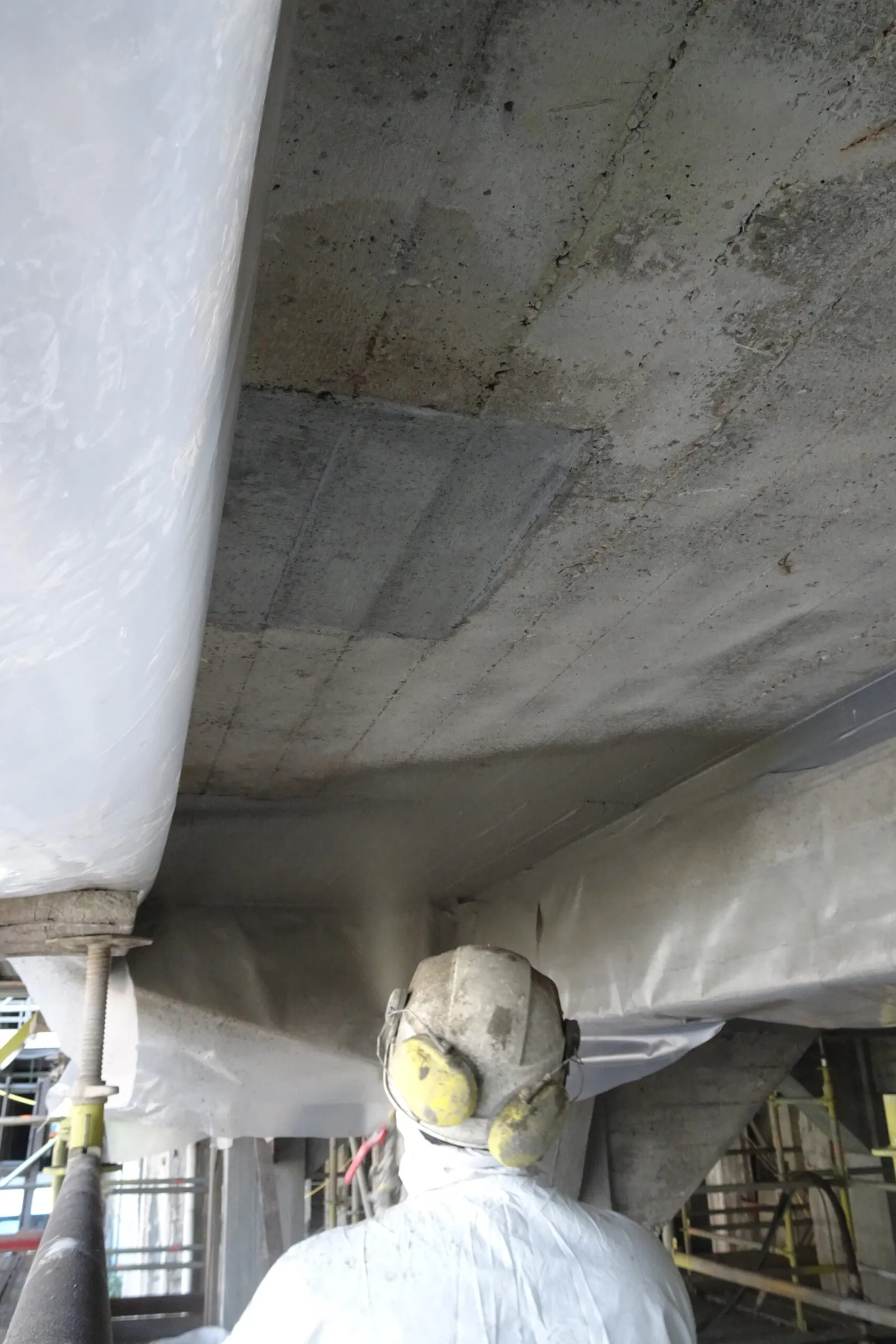
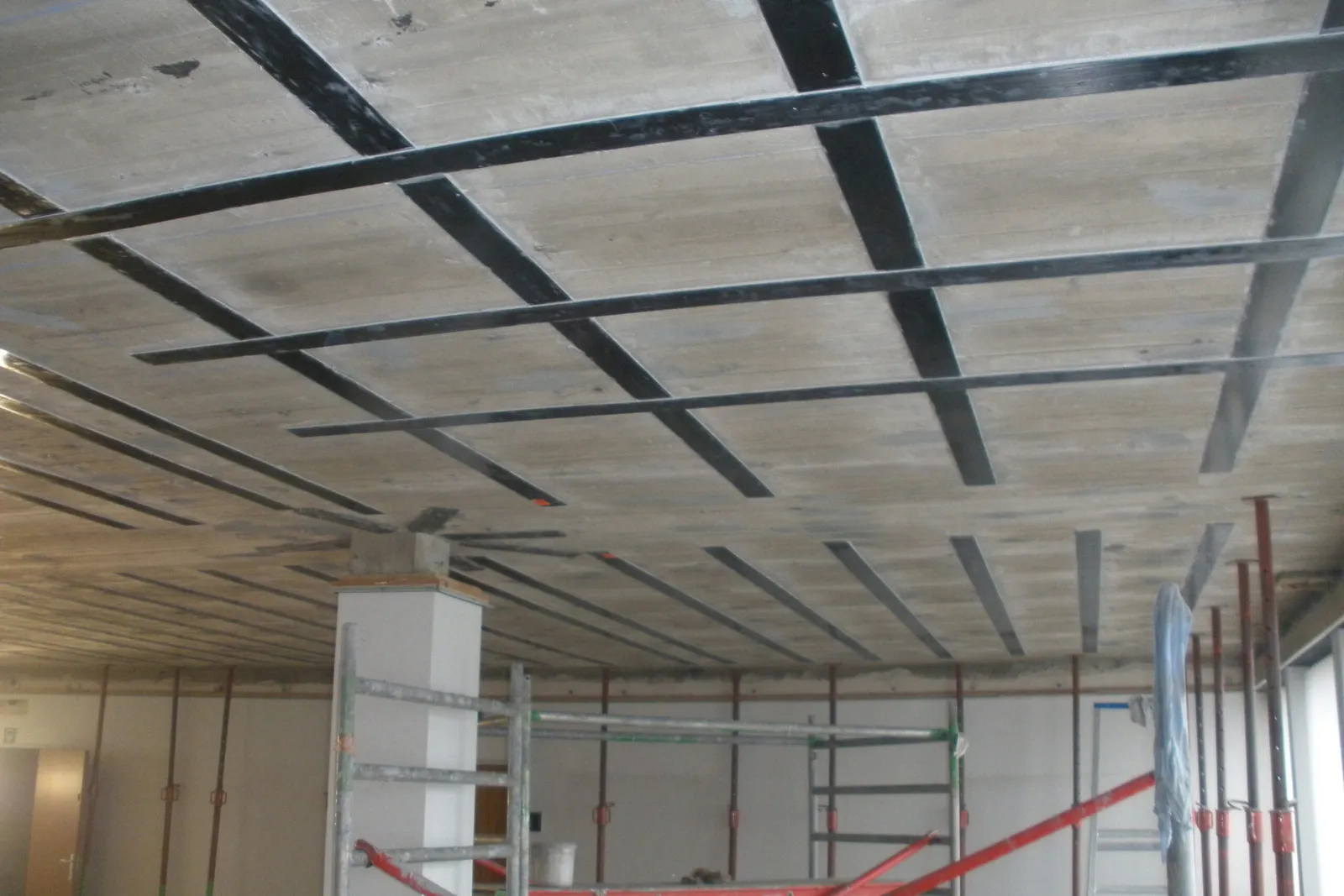
Inspection is one of the most important aspects of concrete repair. During the work, the contractor will carry out a number of checks. For example, they carefully record all product batch numbers and the conditions in which it was applied. Bond tests are also carried out regularly. For Benor-certified contractors, BCCA may conduct inspections during and after the work.
Protecting concrete structures to extend their service life
To extend the service life of concrete structures, it is best to protect them once the repair has been completed. Depending on the situation, this can be done using waterproofing products, carbonation-inhibiting coatings, chemically resistant coatings or cathodic protection.
Further information on sustainable concrete repair
For further information on sustainable concrete repair, contact FEREB members or complete an advice request form on the website www.fereb.be
A business enquiry for FEREB vzw? Get in touch
Companies in this story
Keep following this
Get an email when a new story is published. No account needed.
- ThemeExtending the life of bridges and tunnels
- SubjectYearbook
- CompanyFEREB vzw
- CompanyBCCA