BE-CERT champions certification for ‘greener’ ready-mixed concrete
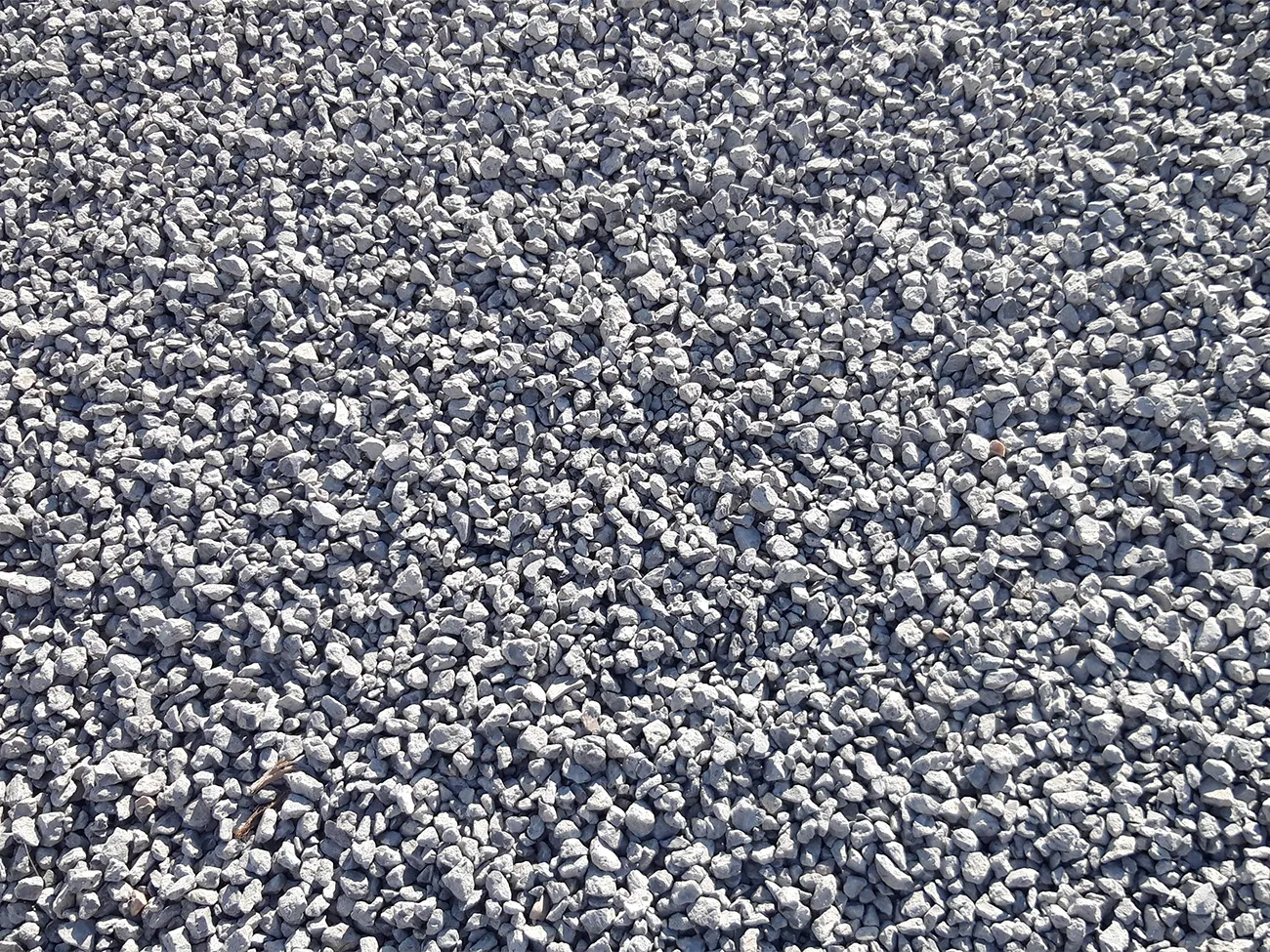
Recycled aggregates made from crushed concrete and brick rubble are already widely used in a range of applications, many of them low-grade. The latest edition of the application regulations, TRA 550, published in late 2018, therefore introduced two new concrete categories: RS (standard) and RD (durable), for ready-mixed concrete produced using A+ recycled concrete aggregate or B+ mixed recycled aggregate. Yet certification body BE-CERT is sounding the alarm: even today, only a handful of producers hold a certificate for concrete containing recycled aggregates. Moreover, cement producers are currently unable to have new, more environmentally friendly products covered by the cement standard.
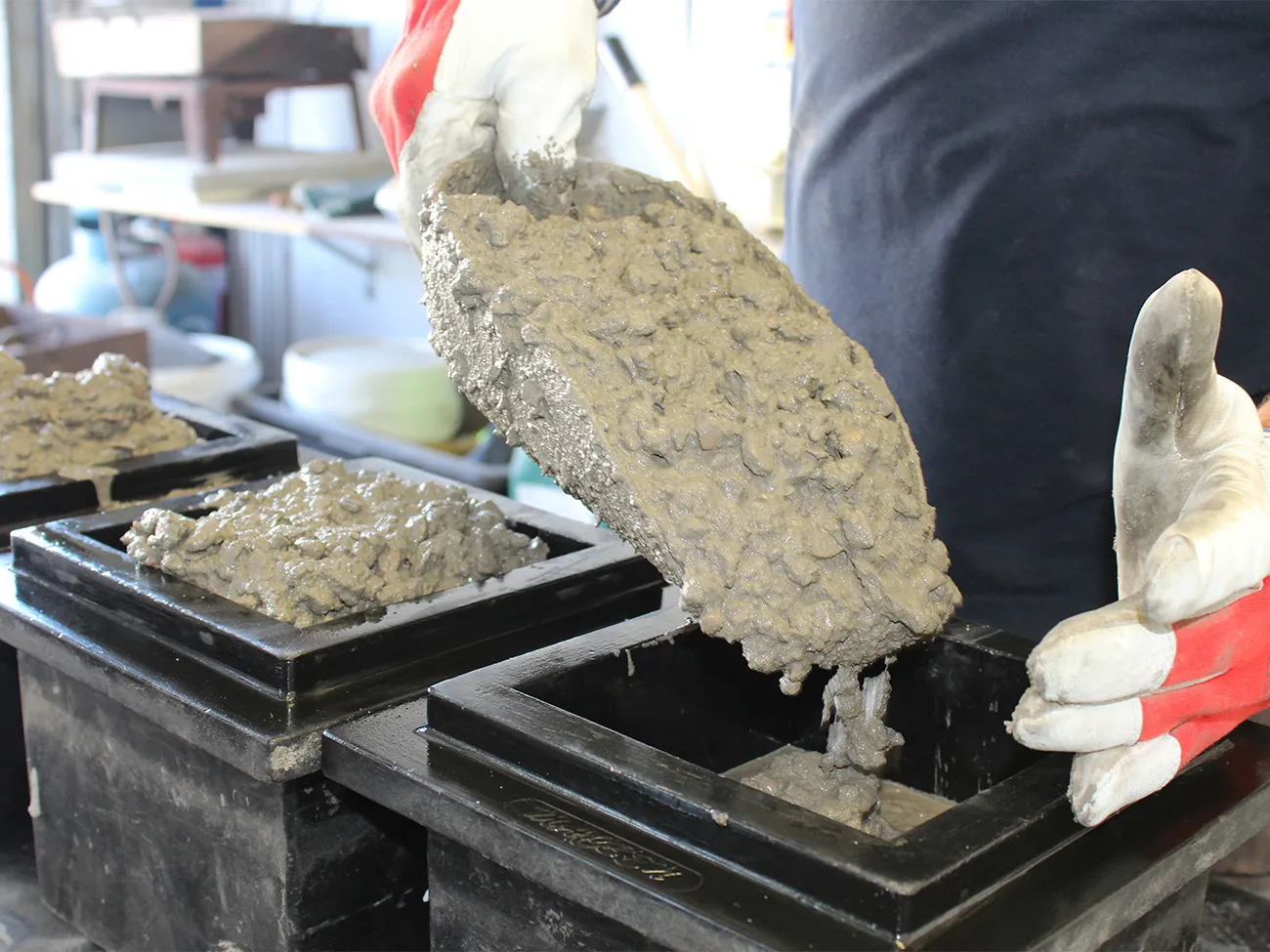
At the sector’s request, BE-CERT began intensive work several years ago to establish certification for concrete containing recycled aggregates. So far, however, the response has been limited to a few frontrunners, despite the fact that the list of producers certified for ready-mixed concrete is quite long. BE-CERT has raised the issue several times, including with Groen Beton Vert, the federation representing companies that produce concrete in an environmentally responsible way. “We have spoken to producers regularly, and there is certainly a willingness to act,” says Caroline Ladang, Director of BE-CERT. “I think the limited response is due to the availability of high-grade aggregates. The material and its origin need to be well understood. It also has to be stored separately so that high- and lower-grade aggregates are not mixed. In my view, that remains a stumbling block for many producers.”
Environmental benefits
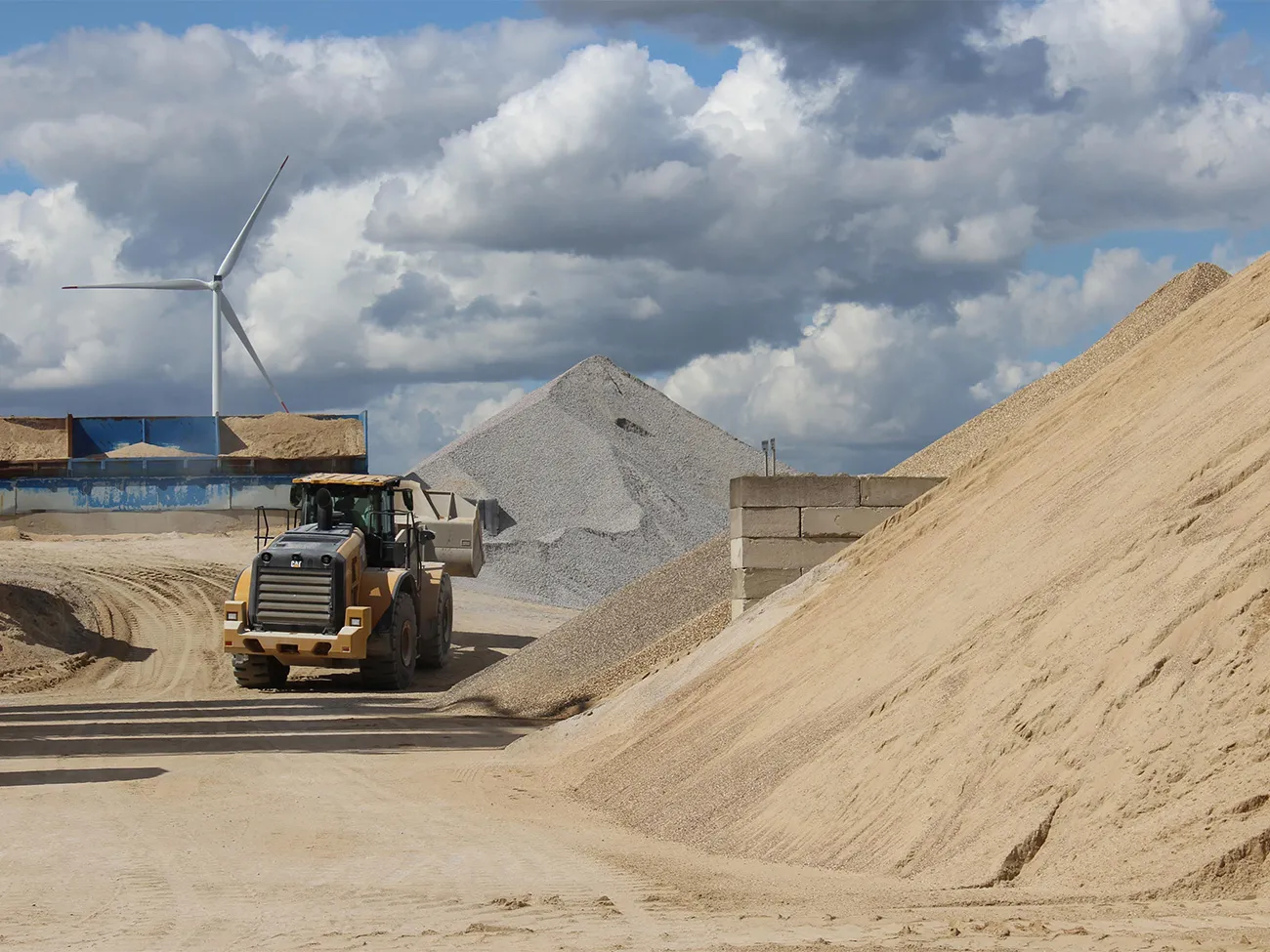
In concrete containing recycled aggregates, some of the natural aggregate is replaced with high-grade recycled concrete aggregate. The recycled concrete aggregate must meet very stringent quality requirements and cannot be used everywhere. The strength, and particularly the durability, of the ready-mixed concrete must be guaranteed. The main benefit is that less natural aggregate needs to be extracted.
From an environmental perspective, however, it is important to increase the use of these raw materials, both in terms of quality and quantity. “Using a material in line with its properties makes the best use of it,” explains Caroline Ladang. “That is why available alternative raw materials should be used in applications where their mechanical and chemical properties can be put to best use. Recycled aggregates can of course be used as fill, but there are many other materials available for this purpose that have much lower technical specifications. Using concrete rubble in new concrete is therefore a far more efficient application. BE-CERT is actively involved in this work through standardisation, the development of the BENOR scheme and regional projects (end-of-waste, Circulair betonakkoord Vlaanderen).”
Greener cements
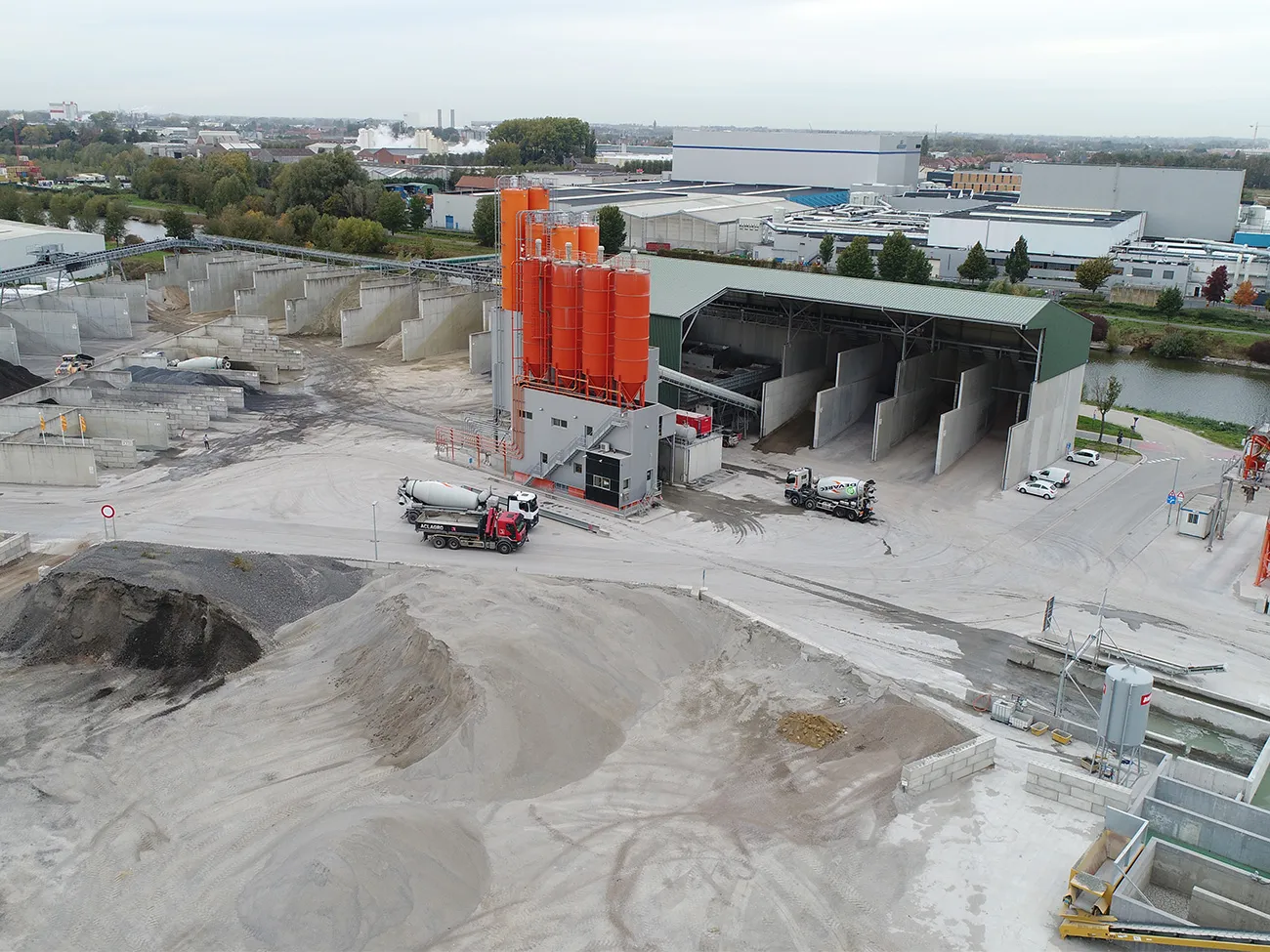
BE-CERT is also working to promote ‘greener’ cement, as well as ready-mixed concrete containing recycled aggregates. However, with the publication of harmonised standards currently at a standstill, cement producers are unable to bring new, more environmentally friendly products under the harmonised cement standard. “To guarantee the same level of quality as for CE-marked cements, BE-CERT is developing a scheme for these products under the BENOR mark,” says Caroline Ladang. “In the cement sector, the TC51 committee decided to draw up a non-harmonised standard, EN 197-5, to enable producers to develop products in line with the ‘green’ transition. As a result, it is not possible to apply the CE marking to these new products.”
BE-CERT is also actively helping to establish a framework for using cements that do carry CE marking but for which there is little experience on the Belgian market, such as pozzolanic cements, in concrete for structural applications. This work covers both technical approval through ATG and the BENOR mark. Many by-products, whether or not specifically treated, have hydraulic or pozzolanic properties that make them suitable for replacing cement, including natural or artificial pozzolans, slags and treated sludge. Through BUtgb, BE-CERT is actively involved in drawing up approval guidelines to enable such products to be used as additions in concrete and mortar. “We are therefore currently making great efforts to get greener products certified and onto the market, and despite the many hurdles, we will continue to do so,”
Een zakelijke vraag aan PROCERTUS? Get in touch
Companies in this story
Keep following this
Get an email when a new story is published. No account needed.
- ThemeMaterials with a lower environmental impact
- SubjectYearbook
- CompanyPROCERTUS