Adfil macrosynthetic reinforcement fibres: “Product of the future”
Text Niels Rouvrois Beeld Adfil
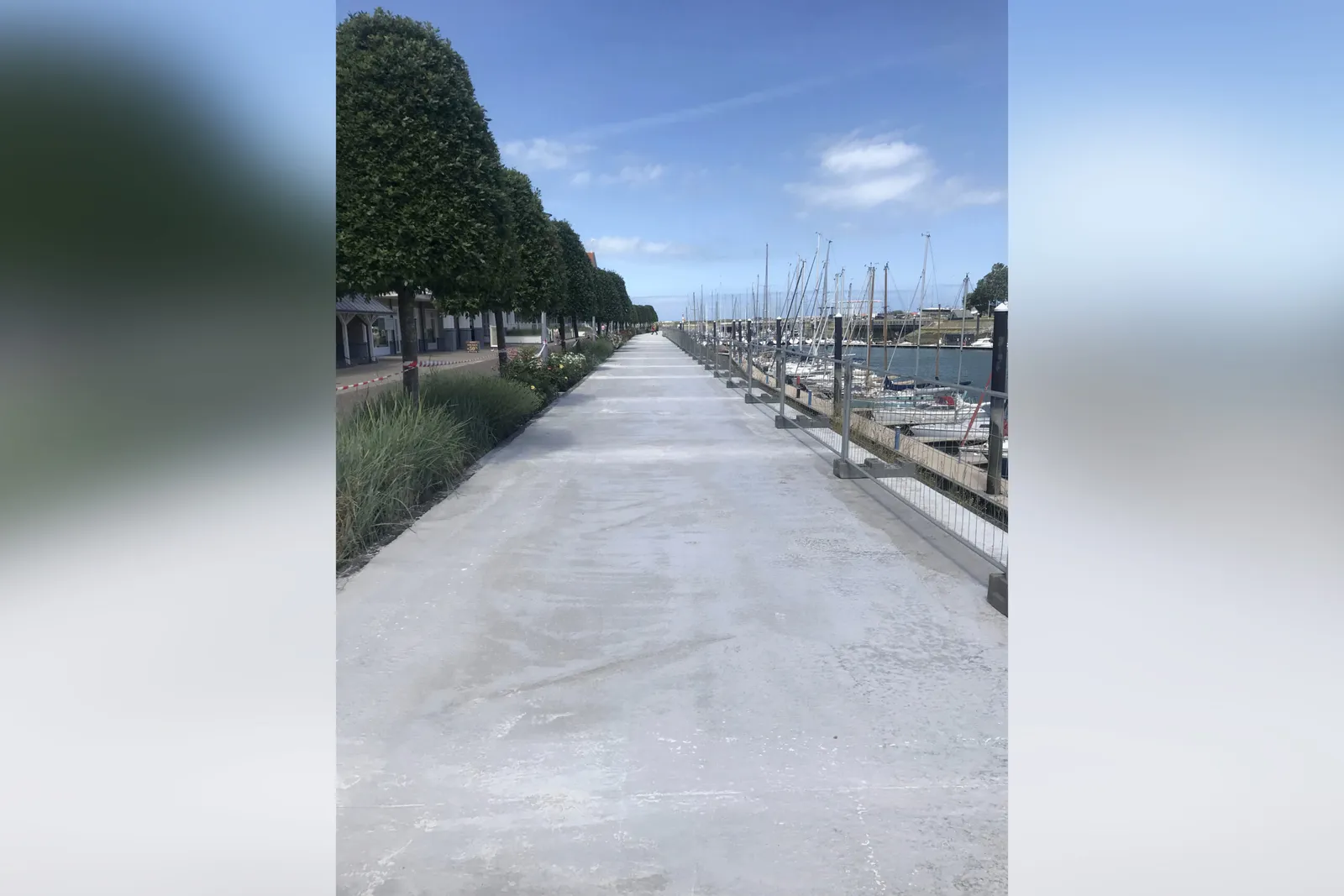
Driven by a commitment to sustainability, more and more construction companies are climbing the CO2 Performance Ladder. The construction sector is responsible for around 30% of Belgium’s total CO2 emissions, and an increasing number of stakeholders are determined to change that. With its micro- and macrofibres for reinforcing concrete structures, Adfil offers a particularly effective CO2-reducing alternative to traditional steel reinforcement. “The benefits are substantial, both in terms of emissions and cost and time savings,” says Steven Anseeuw, technical sales manager at Adfil.
It is now widely known that the construction sector accounts for the largest share of global CO2 emissions. This plays a significant role in the search for alternative materials, particularly as cement and steel production are among the biggest sources of pollution. In this respect, Adfil’s fibres offer a fully fledged and sustainable alternative to steel reinforcement. And, importantly, they also extend service life because they are not susceptible to corrosion. Steven Anseeuw says: “The issue of CO2 will only become more important. Around 110 million tonnes of CO2 are emitted in Belgium every year. The construction sector accounts for 30% of that total, or around 33 million tonnes. Those figures have to come down.”
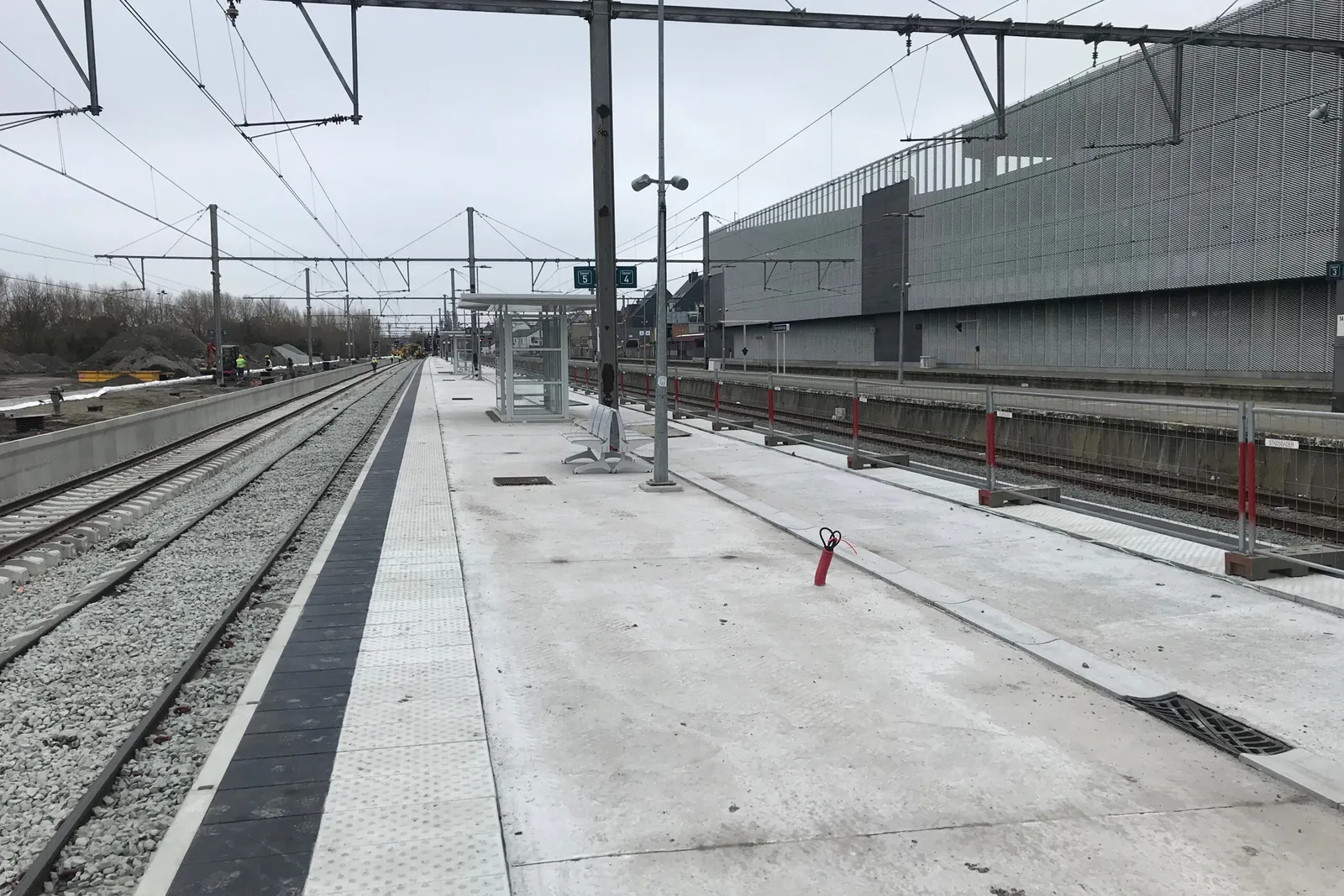
80% less CO2
“The CO2 emissions from our fibres are more than 80% lower than those from traditional steel reinforcement,” Steven Anseeuw continues. “For a 100 m² floor slab that is 20 cm thick and has standard steel reinforcement, you need around 12 kg of steel per square metre. That equates to emissions of 14.88 kg of CO2 per square metre of floor slab, from the steel reinforcement alone. For the entire 100 m² slab, which would form the foundation of an average home, that means emissions of 1,488 kg of CO2. Our Durus Easy Finish fibres reduce emissions to just 0.975 kg per square metre for the same application.”
The following comparison shows just how crucial reducing emissions from the construction sector is to achieving global environmental targets. Steven Anseeuw says: “If you assume that a car emits 100 grams of CO2 per kilometre, you would have to drive 14,880 km to emit as much as the foundation of your home if it were reinforced with steel in the traditional way. Clearly, there is still considerable scope for reducing CO2 emissions in the construction sector.”
More benefits
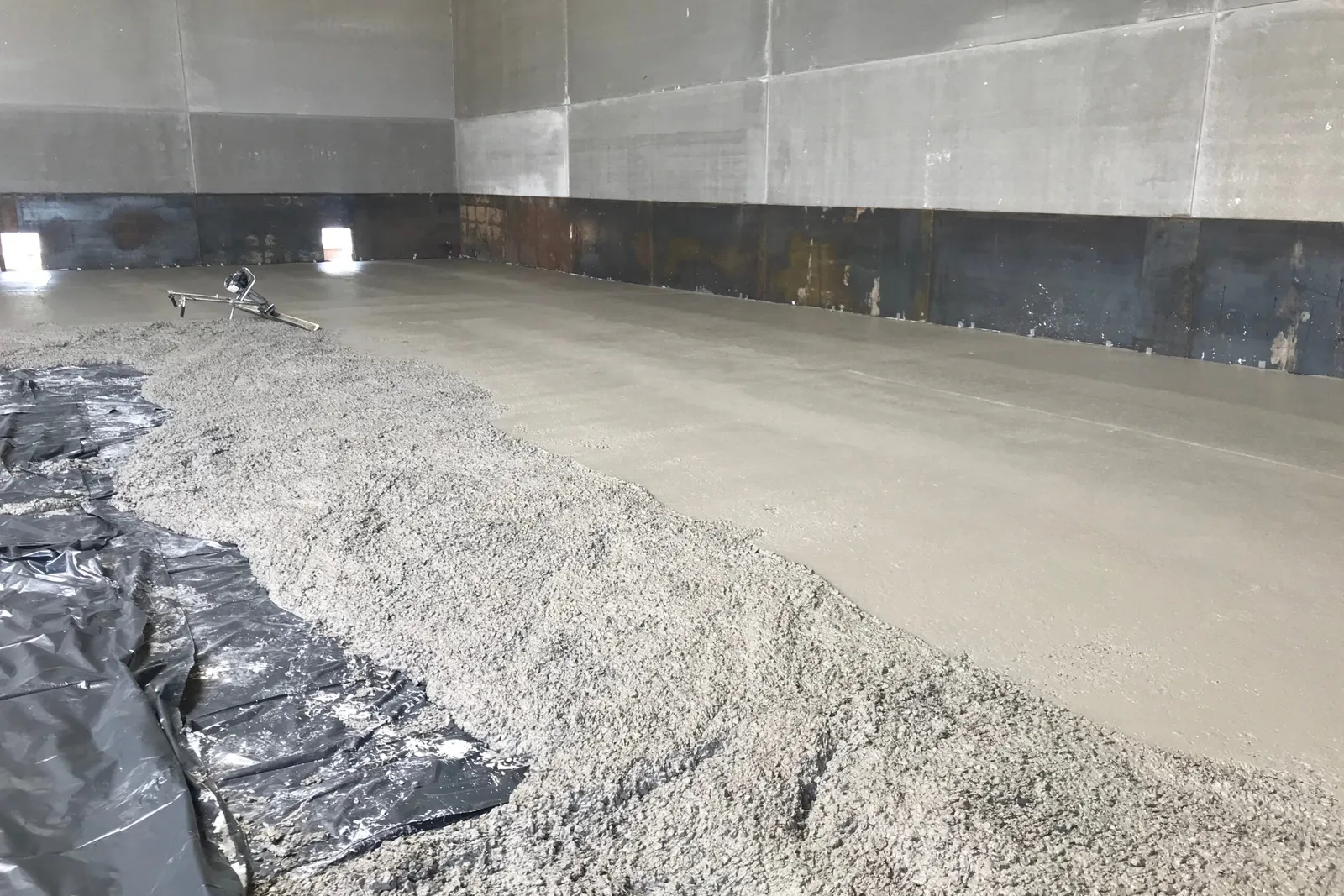
Adfil’s fibres offer benefits beyond reducing CO2 emissions. They are mixed into the concrete at the batching plant, saving a great deal of time because no steel reinforcement needs to be installed on site. They are also much safer than handling steel on site. In addition, the fibres are lighter and retard the spread of fire. Steven Anseeuw says: “We tested it. Comparing two similar floor slabs, one with steel reinforcement and the other with our fibre reinforcement, we found a time saving of no less than 50%. At a time of labour shortages and efforts to optimise production and installation processes, that is a huge benefit. The price difference is also substantial, reaching up to 60%. And that’s without even mentioning the costs, time and CO2 emissions saved by avoiding the transport of steel reinforcement.”
Product of the future
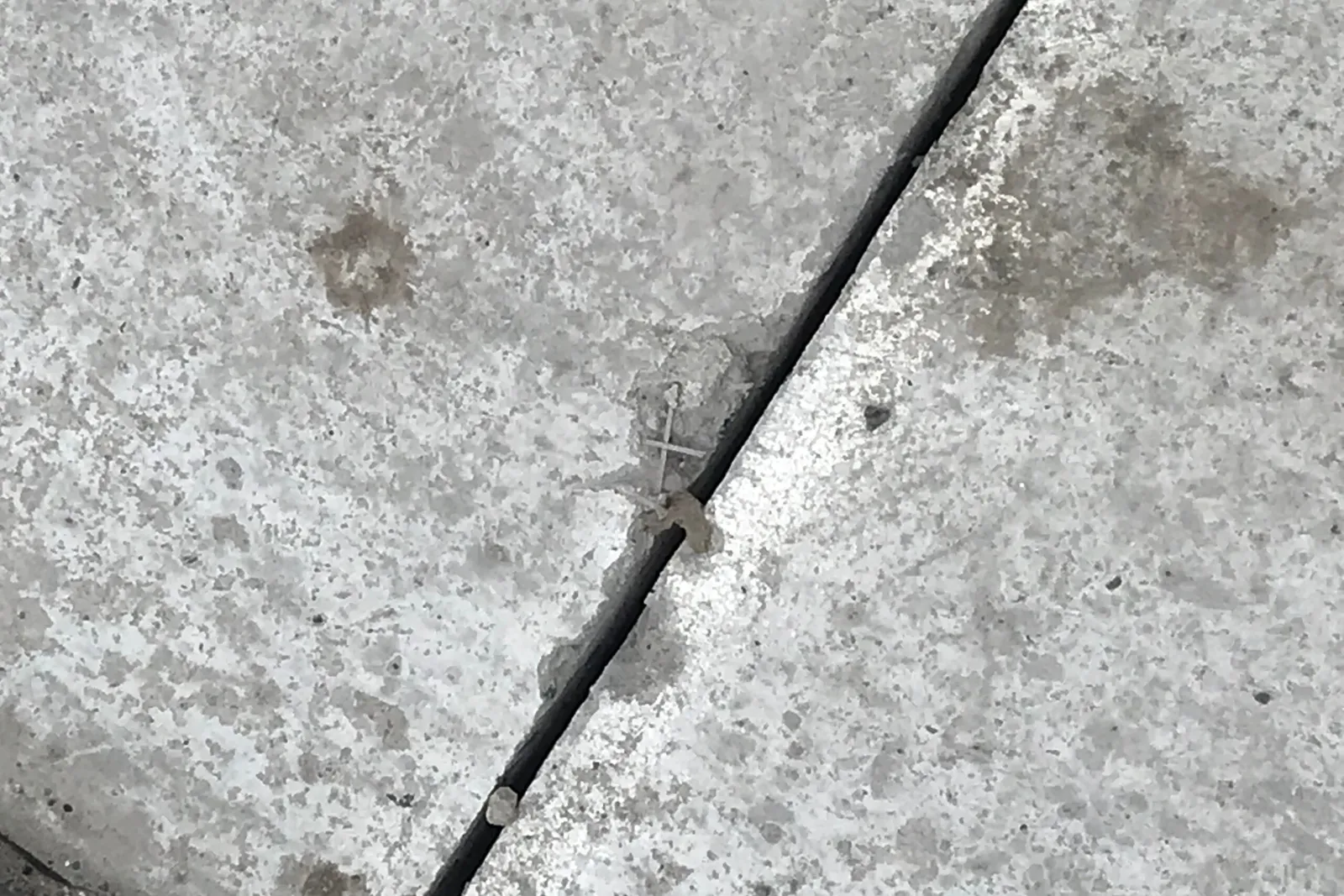
Steven Anseeuw is convinced: “Our fibres are the product of the future when it comes to concrete reinforcement. Steel will obviously never disappear entirely, but concrete structures can be optimised with our fibres wherever possible. This includes vaults, floor slabs and other foundations, which can be reinforced with our fibres to the greatest extent possible, either entirely or in a hybrid system. Across an entire home, the CO2 reduction can be substantial. Adfil’s acquisition by Saint-Gobain Group underlines the potential of our product. More and more companies are actively seeking ways and materials to reduce their carbon footprint, and Adfil has an outstanding product on the market. It is also the most efficient, as our CE value of 2.5 kilos is the lowest in the sector. It is a unique product that we are extremely proud of.”
Question about this story? Ask your question
Keep following this
Get an email when a new story is published. No account needed.
- ThemeMaterials with a lower environmental impact
- SubjectYearbook