









What are we waiting for?
The droughts of recent years and the floods of July 2021 exposed a fundamental challenge in the way we manage water. For decades, water management focused on draining rainwater away as quickly as possible. The opposite is now needed. Creative green-blue solutions in our built environment and new technologies can turn the tide, but they need to be scaled up to keep pace with climate change.
Too much and too little rain: the new normal?
Our climate is changing: winters are becoming wetter, summers drier and downpours more extreme. In July 2021, we even faced the worst flooding in Wallonia in centuries. The other end of the spectrum is also becoming more extreme: five of the last six summers were exceptionally dry. These trends will continue over the coming decades.
With its high level of paved surfaces and population density, numerous (small) watercourses and fragmented spatial planning, Flanders is particularly vulnerable to these changes. The revamped Climate Portal Flanders (klimaat.vmm.be) maps the effects of drought, flooding and heat if we carry on as we are today. The need for action is clear.
A change in mindset
Our water management has not yet adapted to our changing climate. In recent decades, every effort was made to drain rainwater towards the sea as quickly as possible. Rivers were straightened, land was drained and sewers were built to carry rainwater away from paved surfaces. We will have to live with this legacy for a long time to come. Today, it is clear that the opposite is needed. Retaining rainwater and allowing it to infiltrate must become the rule, with drainage the exception.
KU Leuven calculated that we discharge around 60% of our rainwater into the sea. To cope with climate change, this figure needs to fall by 20%. While challenging, this is achievable. If we allow half the rainwater that currently runs into the sewers to infiltrate, we will have met almost a third of the climate challenge. We can achieve the remaining reduction by, for example, reducing drainage, using more rainwater instead of drinking water, and giving water more space in our landscape. We need an ‘all-of-the-above’ approach, in which our built environment has a prominent role to play.
Towards a climate-resilient built environment
Solutions to these challenges are available. Creative design in the built environment is crucial. Smart depaving, which diverts rainwater to unpaved areas where it can infiltrate, is effective and often feasible. The same goes for diverting water to green spaces instead of the sewer. The new Regional Urban Planning Regulation on Rainwater encourages designers to adopt such green-blue solutions.
But we must also be willing to make dual use of our space: during heavy downpours, water should be allowed to flow in a controlled manner onto streets and car parks instead of being drained away immediately. We must recognise that if we are unwilling to take this approach, water will emerge elsewhere in an uncontrolled way, causing more damage.
In Flanders, we have the expertise and tools needed to produce such designs. The recently revamped Groenblauwpeil (groenblauwpeil.be) allows citizens and experts to develop their own climate-resilient designs, from individual homes to streets. More specialised software such as Sirio enables in-depth analyses, while cities and municipalities can develop strategies on a larger scale using the Climate Portal Flanders.
As well as creative design in the built environment, new technologies are another important part of creating climate-resilient water management. There is still significant potential in digitalising water management. At Sumaqua, we are fully committed to this: we monitor water systems using sensors, forecast flooding and drought, and manage water intelligently. In this way, we can help make anything from an individual building to an entire city climate-proof.
The time is now
Now is the time to act. Policymakers recognise this too. With the Blue Deal, the Flemish Government has launched an ambitious programme investing in solutions, collaboration and knowledge development. Upcoming regulations will also encourage and require more measures. But it is clear that we need to act faster, and above all, do more. We need to scale up our efforts if we are to catch up with climate change. The knowledge and technologies are there. Now we need to apply them on a large scale. What are we waiting for?
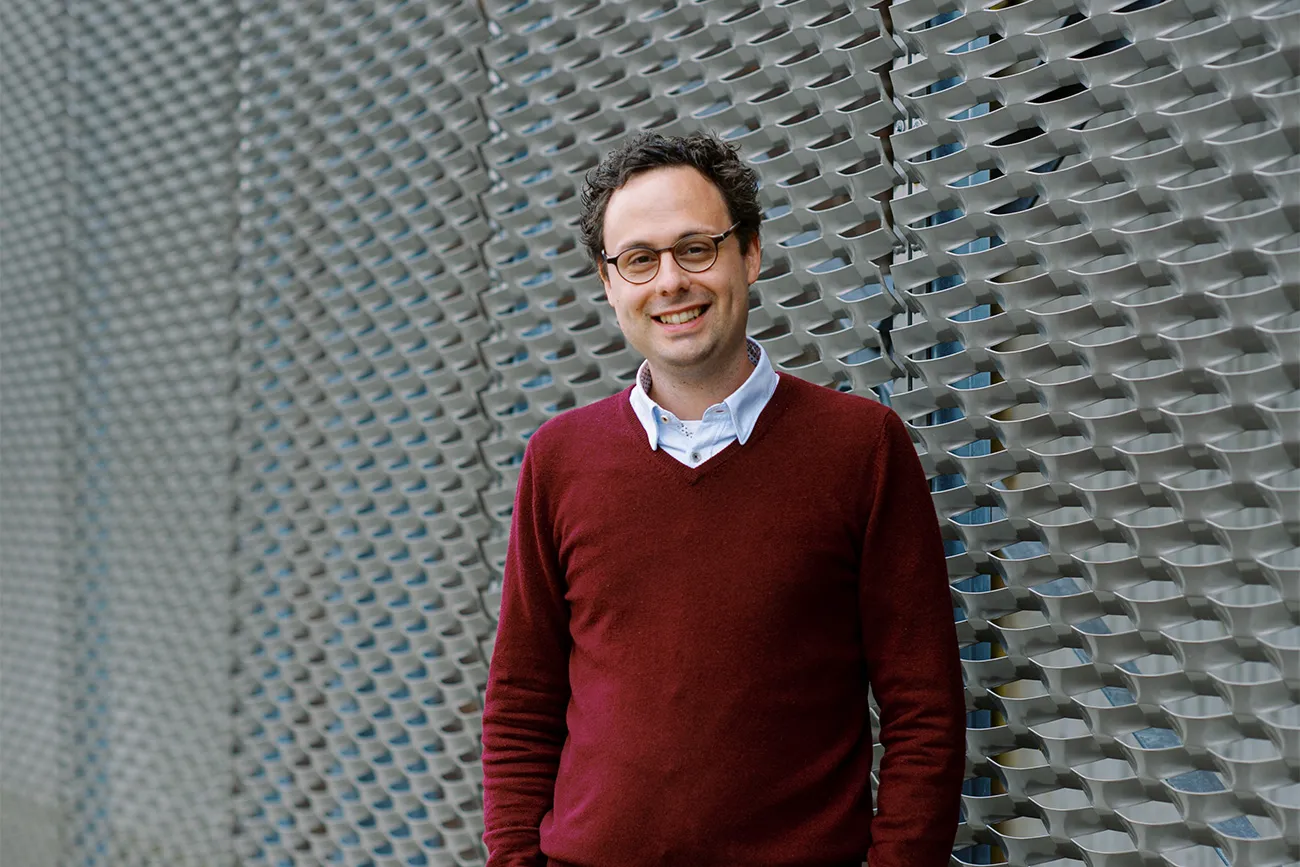
dr. ir. Vincent Wolfs
Director, Sumaqua
Chair, VLARIO working group on design and calculations
Question about this story? Ask your question
Keep following this
Get an email when a new story is published. No account needed.
- SubjectGeneral







