









The construction sector and major infrastructure projects in the spotlight
Text Joris Hendrickx Beeld Embuild
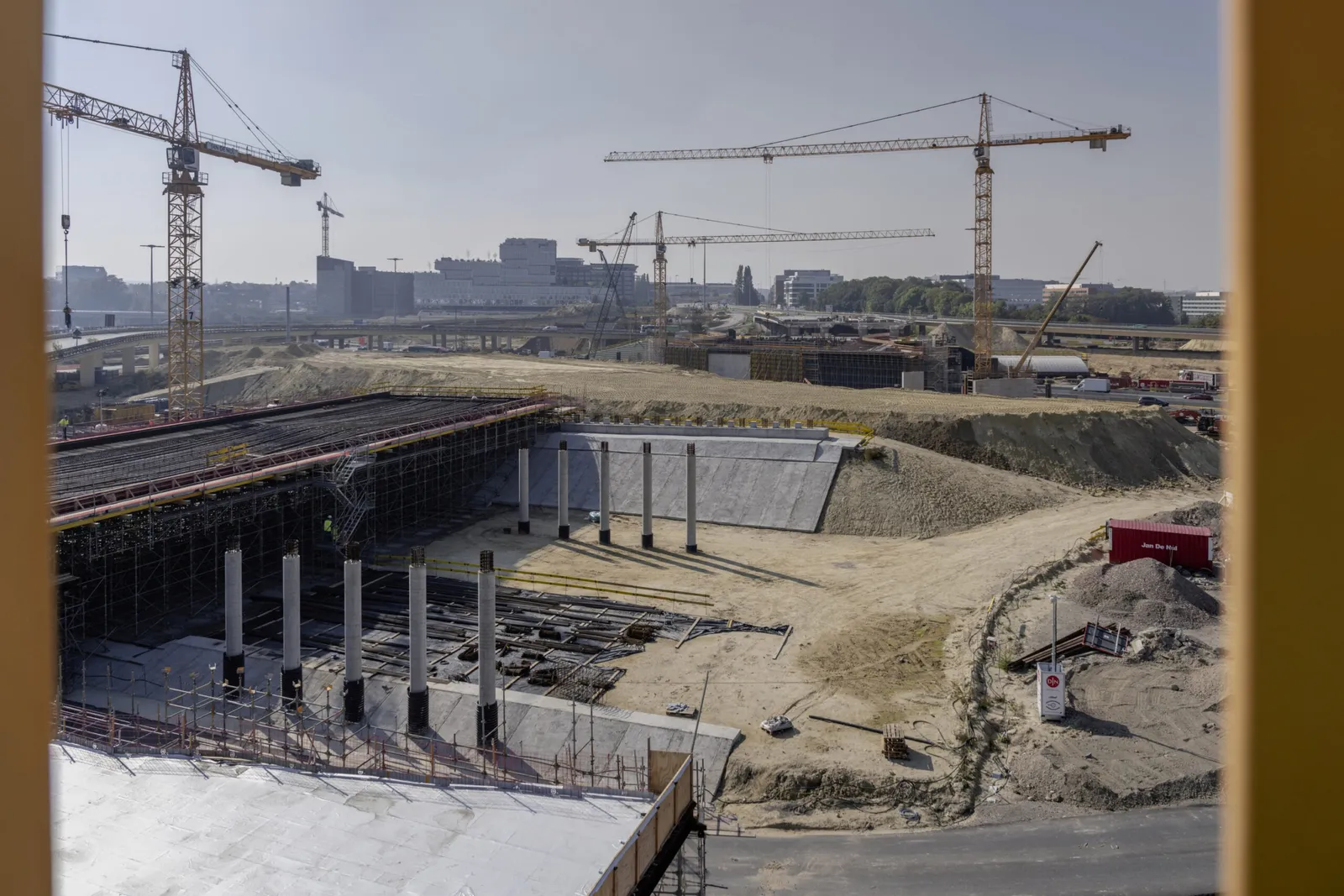
Open Wervendag once again confirmed its status as the biggest public open day in Belgium’s construction and building services sector in 2026. The nineteenth edition of the initiative by Embuild attracted no fewer than 361,000 visitors on Sunday 31 May. Of these, 73,000 visited a construction site in person, while a further 288,000 interested visitors went behind the scenes digitally. This far exceeded last year’s figures, when 65,000 people attended in person and 250,000 visited virtually.
More than 120 construction sites across the country opened their doors. Visitors were given access to housing developments, schools, sports complexes, public buildings, restoration projects and infrastructure works that are not normally accessible to the public. Many projects will also remain available for virtual visits for several weeks after Open Wervendag.
But the day was about more than impressive machinery and spectacular construction sites. Above all, Open Wervendag showed how the construction and building services sector is working on solutions to major societal challenges. Climate change, mobility, water safety, ageing infrastructure, sustainable energy and the need for additional housing all call for well-considered investment. It was these investments that took centre stage at this year’s event.
The construction sector as a driver of societal change
According to Embuild, Open Wervendag shows year after year just how far-reaching the sector’s impact is. Construction companies play a key role in the climate transition, renewing our infrastructure and developing sustainable places to live and work. The sector also creates thousands of jobs and contributes directly to the country’s economic development.
That contribution did not go unnoticed. Several senior politicians visited construction sites to learn about the sector’s challenges and innovations. Visitors, meanwhile, had a unique opportunity to discover projects that will have a major impact on their surroundings in the years ahead.
Viaduct of Vilvoorde: renovating a Belgian icon
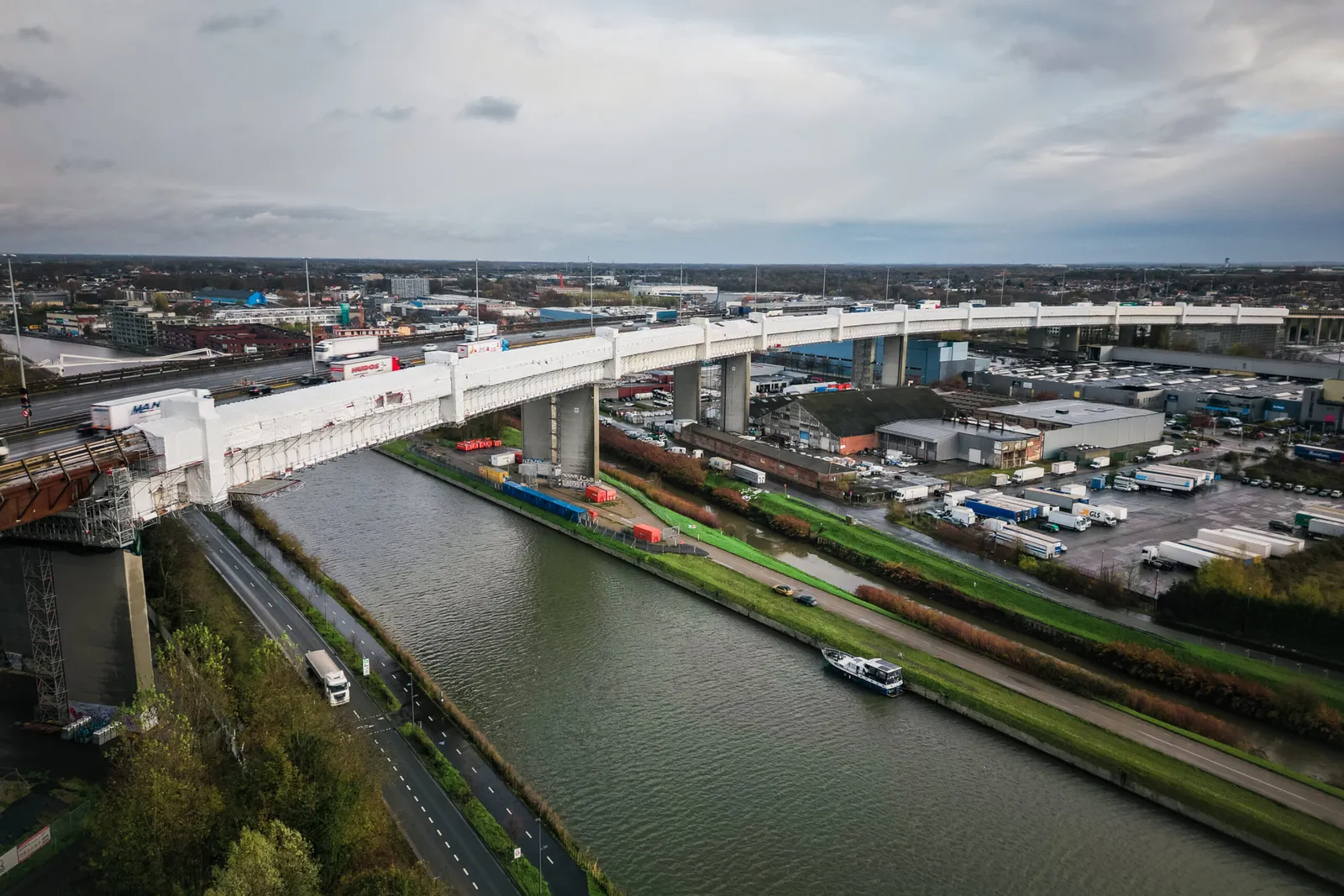
One of the most striking sites was undoubtedly the Viaduct of Vilvoorde. For decades, this impressive bridge has been a crucial link on the Brussels Ring. As the viaduct carries hundreds of thousands of vehicles every day, a major renovation is essential.
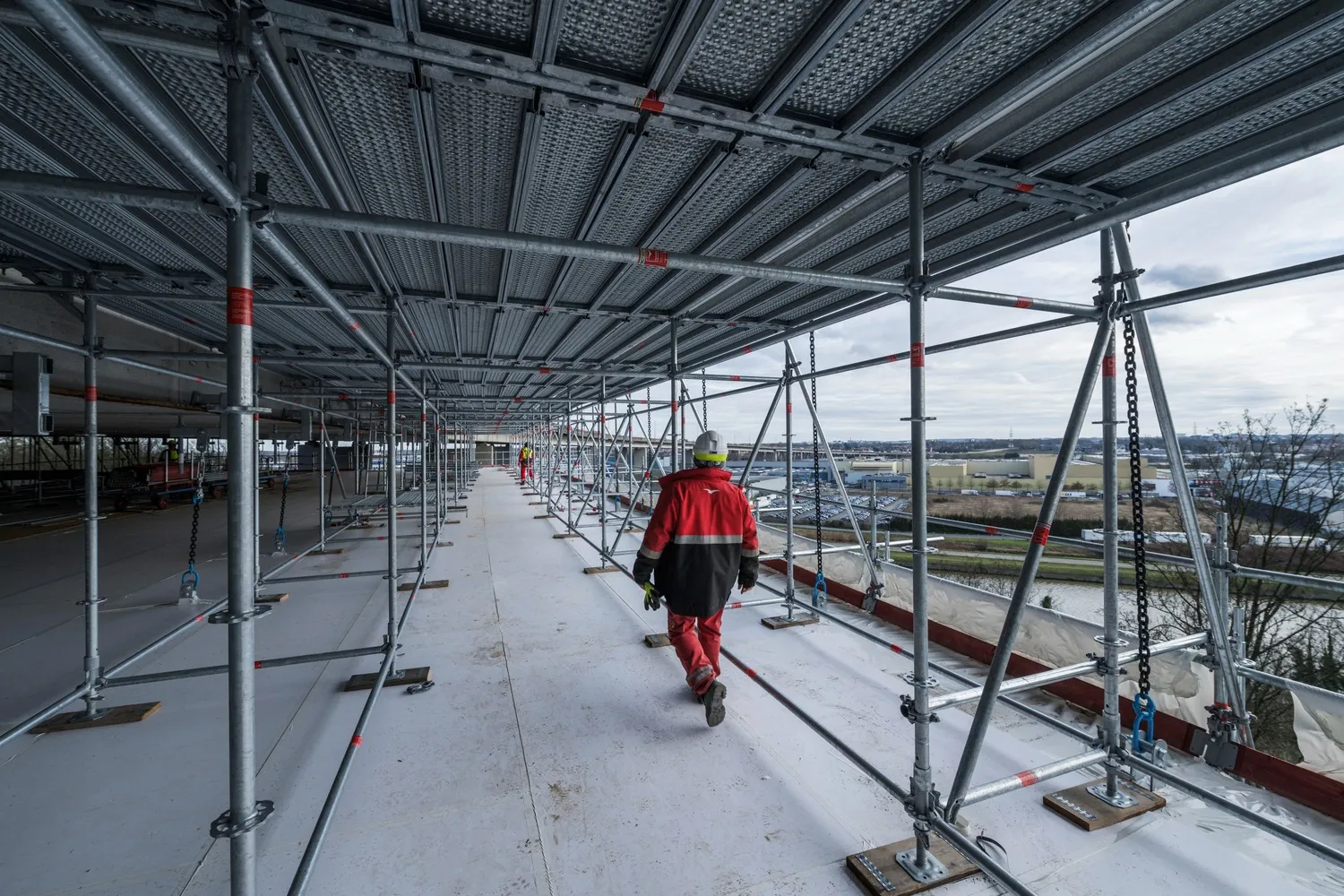
During Open Wervendag, visitors saw how engineers, welders, painters and other specialists are working together to strengthen the structure. The site is part of the Werken aan de Ring programme, which aims to improve mobility around Brussels. Some visitors were even given access to sections of the viaduct that are normally off limits. It offered a unique perspective on one of Belgium’s best-known infrastructure projects.
SPI.R0 aims to make the Brussels Ring safer
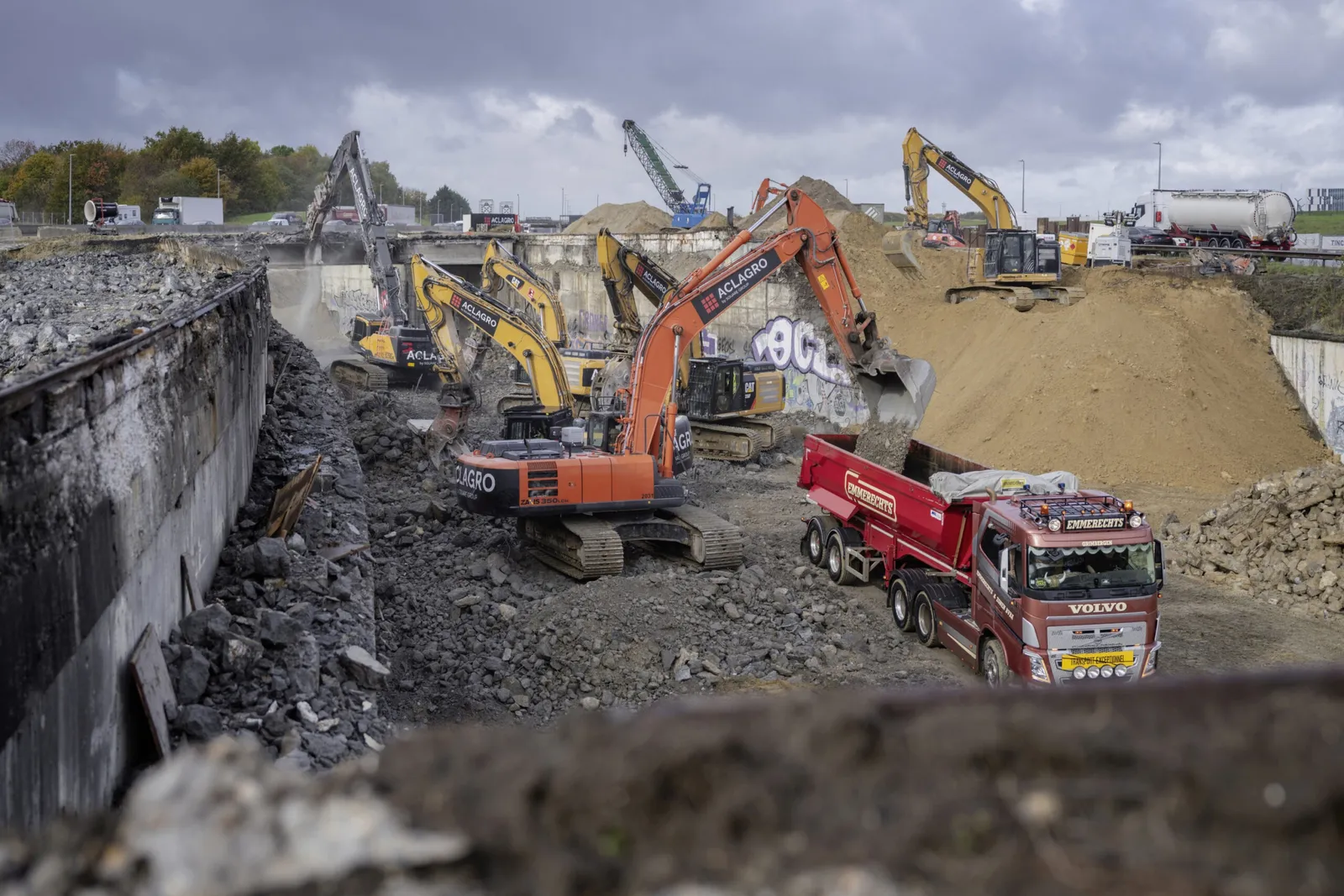
The R0 x A201 interchange, better known as SPI.R0, also attracted considerable interest. Belgium’s first Single Point Interchange (SPI) is an important link in the redevelopment of the Brussels Ring and is intended to improve the connection between the Ring and Brussels Airport. The works will not only improve traffic flow. They will also make the roads safer and create more space for sustainable modes of transport. In addition, two kilometres of the Woluwe will be opened up and a large neighbourhood park created. For many visitors, this was their first chance to appreciate the scale of investment needed to tackle the mobility bottleneck around Brussels.
Major sewer works with limited disruption in Balansstraat, Antwerp
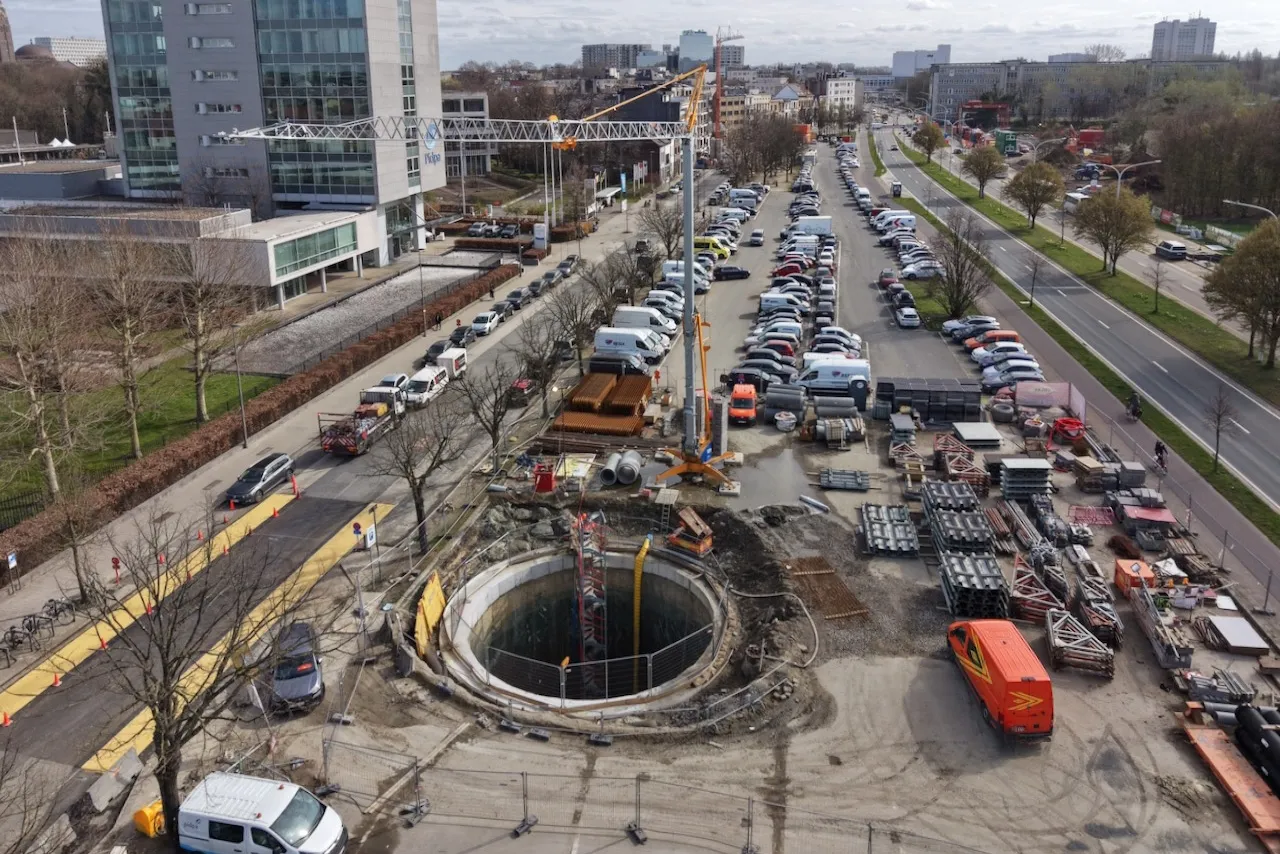
In Antwerp, visitors were given a behind-the-scenes look at the site in Balansstraat, where a separate sewer system for rainwater and wastewater is being installed at a depth of ten metres. The use of underground boring technology is helping to minimise disruption. Visitors saw the deep jacking pits and tunnel structures, and learned about the focus on sustainable water management and the protection of valuable trees in the area. The project shows how infrastructure works, water management and a more pleasant living environment are increasingly going hand in hand.
Kanaalzone tunnels: an engineering feat within the Oosterweelverbinding
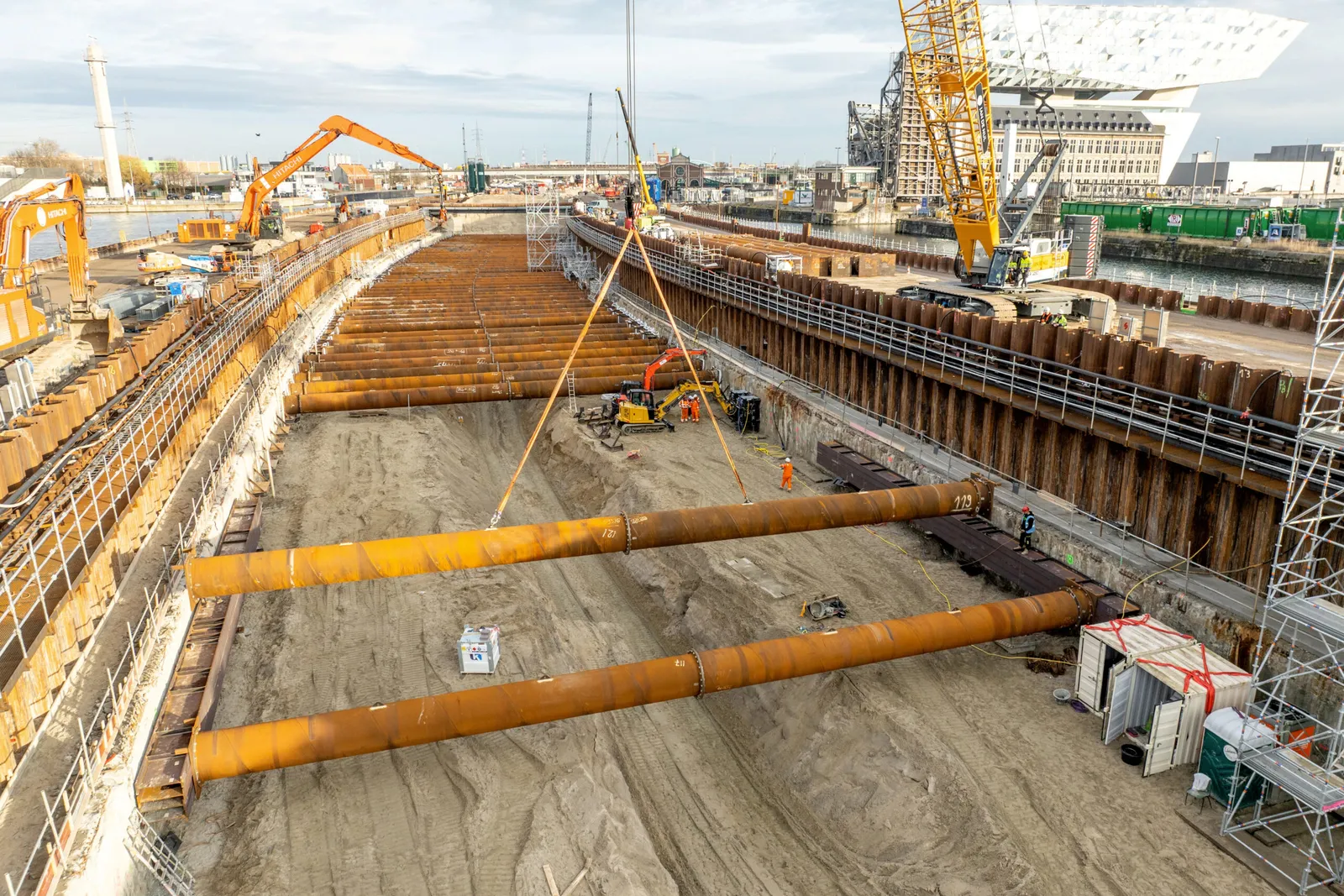
The Kanaalzone tunnels of the Oosterweelverbinding were a major crowd-puller. This project is one of the largest infrastructure schemes in Flanders and is set to make a significant contribution to smoother traffic around Antwerp. Visitors were given an exceptional insight into the construction of the tunnels beneath the Albertkanaal. The vast excavation, massive concrete structures and technical installations brought home the complexity of projects on this scale. Once operational, the tunnels will play a crucial role in completing the Antwerp Ring.
NETwerkwerf: safe, tidy and considerate of the neighbourhood
In Veltem-Beisem, Aquafin opened the doors of its NETwerkwerf. Alongside the installation of a separate sewer system, several streets are being renewed. Visitors learned how a focus on safety, tidiness, minimising disruption and clear communication helps keep village life pleasant during the works. The NETwerkwerf aims to keep the neighbourhood well informed and ensure the local authorities are involved, making it a model project for future Aquafin sites.
New arch bridge over the E40: a technical and visual standout
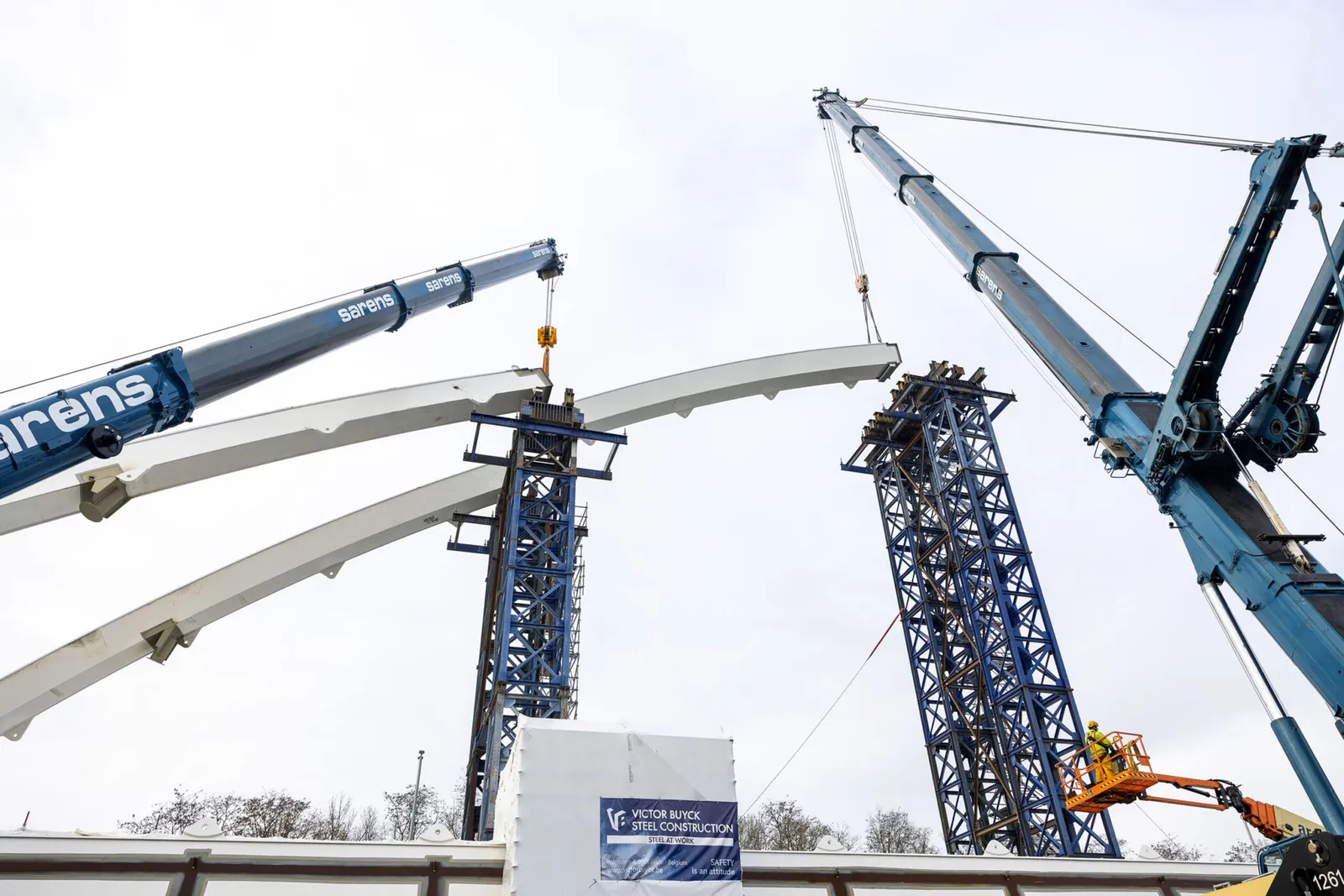
In Bertem, the Agentschap Wegen en Verkeer is building a completely new steel arch bridge over the E40, weighing around 3,600 tonnes and measuring 130 metres in length. Visitors were able to admire the modern structure up close, with its striking technical and visual qualities. The Tervuursesteenweg (N3) road surface is also being renewed as part of the works.
Sigmaproject Demervallei makes room for water
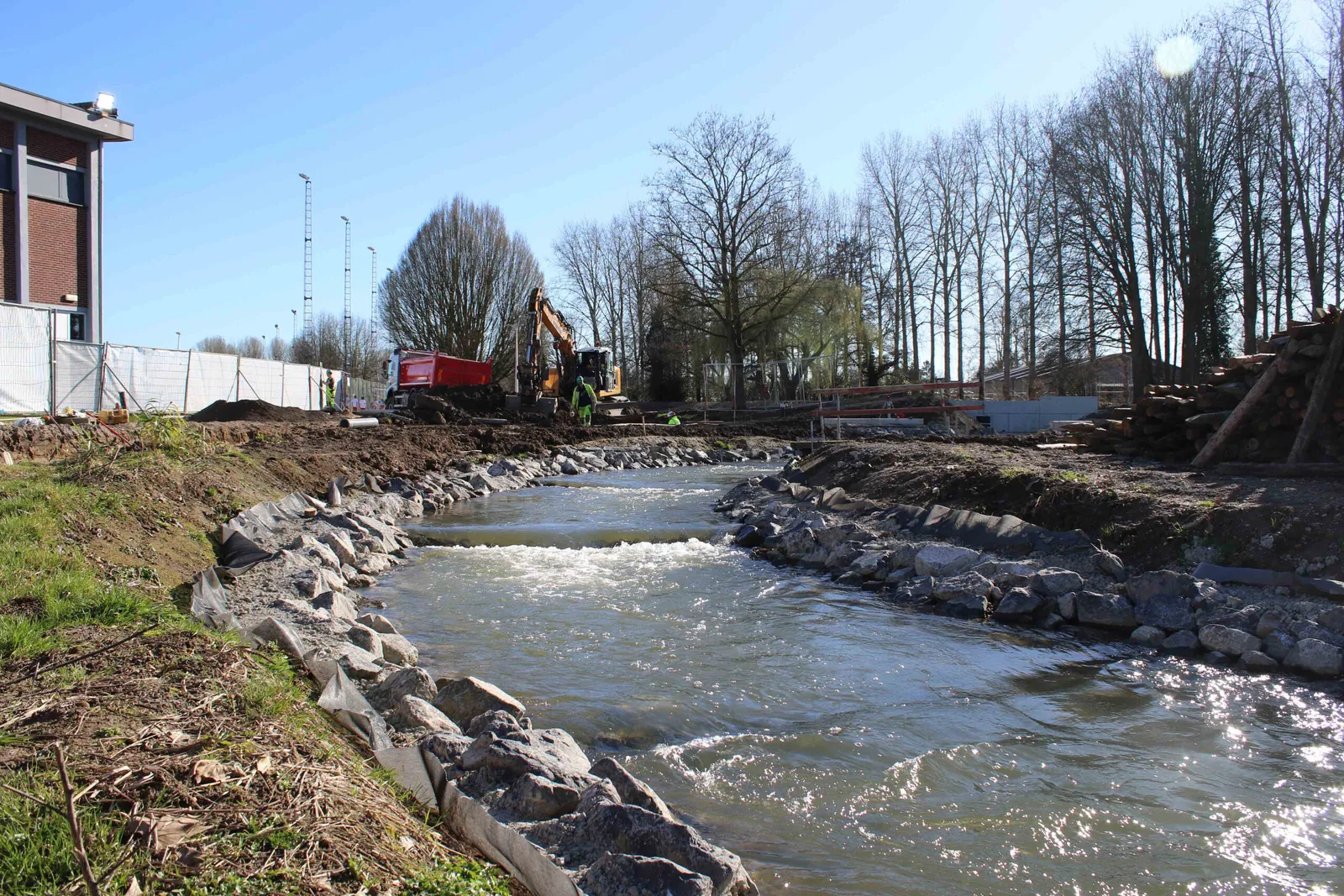
Climate adaptation is at the heart of the Sigmaproject in the Demervallei, downstream of Aarschot. The works form part of a wider programme to better protect Flanders from flooding. Creating extra space for water reduces the risk of flooding during periods of heavy rainfall. At the same time, new nature areas are being created to strengthen biodiversity. The project shows how water safety, nature development and climate adaptation can go hand in hand.
Alken Vallei brings together green space, recreation and water management
Alken Vallei also showed how spatial development is evolving. Visitors saw how the De Alk recreation area is being transformed into a green, climate-resilient landscape. The project combines green space, recreation and water management within a single integrated vision. Walking around the site, visitors discovered the new water features, paths, nature areas and play areas that will soon make this area the beating heart of Alken. The historic mill is being restored, and a modern complex with a foyer, meeting rooms, brasserie and space for Alken’s young people is being built beside it.
Building solutions for tomorrow
The nineteenth edition of Open Wervendag made clear that every construction site offers a response to a societal challenge. Whether the focus is better mobility, climate adaptation, water safety, urban renewal or sustainable places to live, construction professionals everywhere are working on solutions that will prepare Flanders for the future. With 361,000 visitors, Open Wervendag 2026 confirmed the growing societal importance of a sector that is building tomorrow, both literally and figuratively.
Question about this story? Ask your question
Keep following this
Get an email when a new story is published. No account needed.
- SubjectGeneral







