









Special gabion technique adds aesthetic value to F417
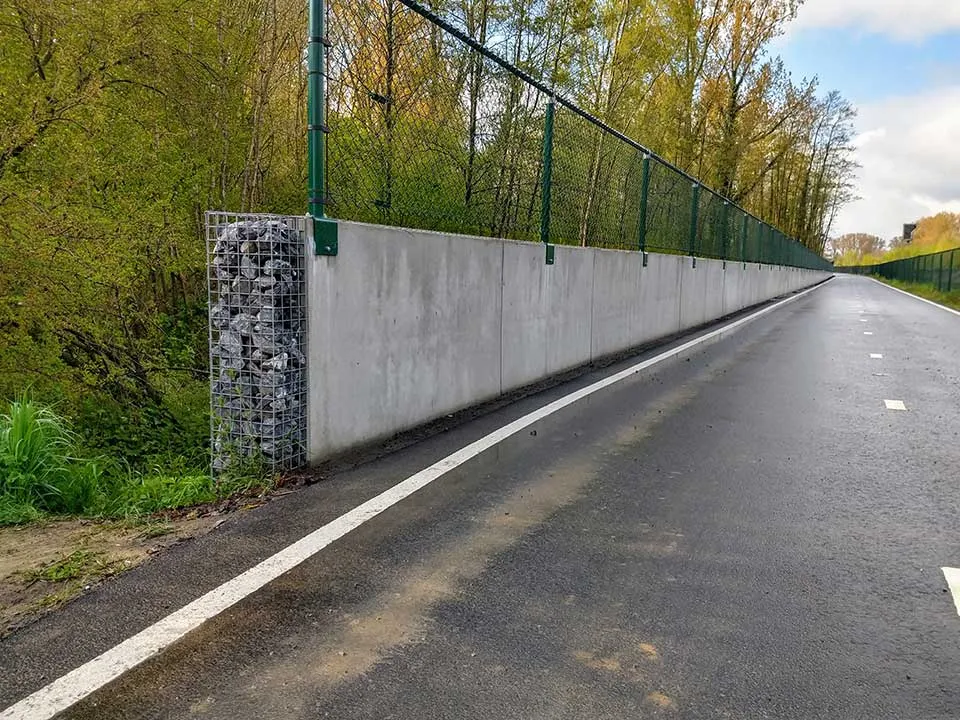
The F417 Melle to Zottegem cycle highway (16 km) runs for a total of 9.3 km through the municipality of Oosterzele.
It will serve as the main cycle link between the villages of Oosterzele municipality, as well as connecting them to Melle and Zottegem. Grondwerken De Mol of Lochristi was brought in to carry out a route of around 2 kilometres between Moortsele and Scheldewindeke, in two phases. “Our experience and flexibility proved useful on these complex projects,” says Frederik Bauwens, Operations Director at Grondwerken De Mol.
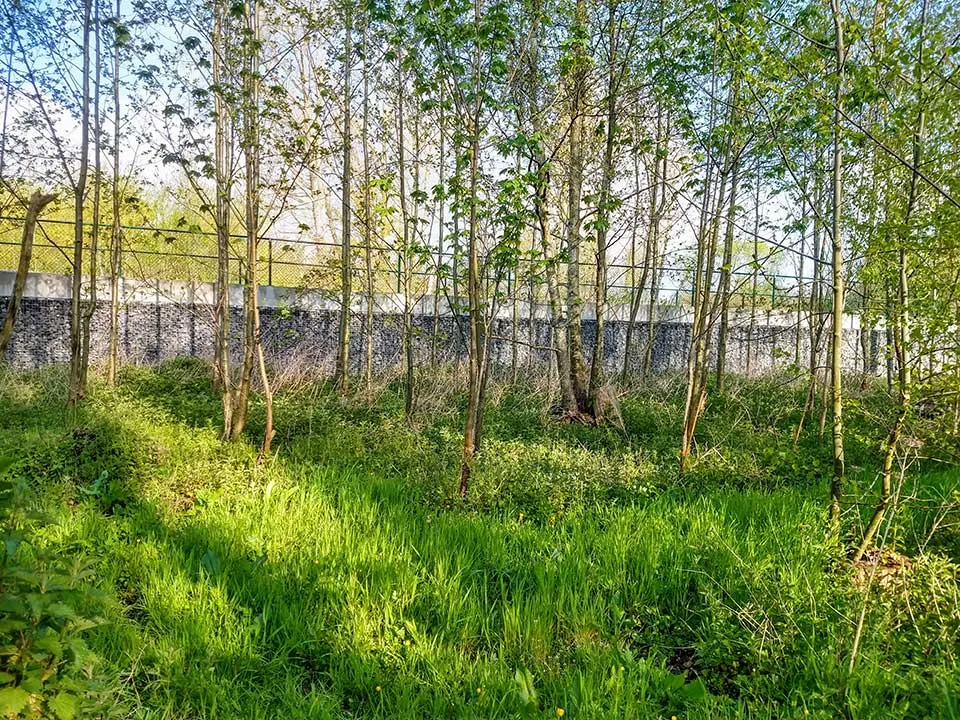
The section of the cycle highway between Van Thorenburglaan and Schellaertweg (around 500 m) in Moortsele was completed in 2019. In 2020, East Flanders Province added a further 1.4 km, completing the section between Van Thorenburglaan and Roosbroekstraat in Scheldewindeke. This links Moortsele and Scheldewindeke, and connects the south of Balegem with Balegem village.
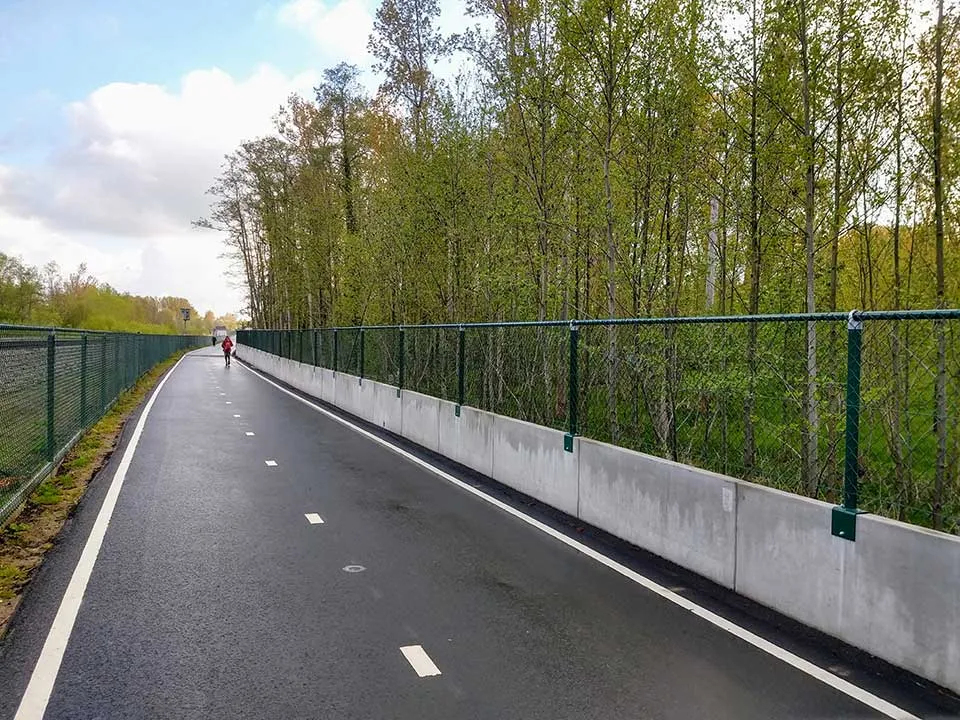
All sections of the cycle highway have an asphalt surface, are 3 m wide and have sufficiently wide, partly paved verges where lighting is installed. Central islands have been provided at junctions to prevent misuse of the cycle route and ensure cyclist safety. Woodland is replanted where necessary. Public lighting is also being installed along the route to improve personal security, allowing the cycle path to be used for longer during the dark winter months.
Timber sheet piling
Both sections of the cycle highway are being built by Grondwerken De Mol. Frederik Bauwens: “Most of the work follows the familiar approach: stabilising the ground, laying the foundations and then installing retaining walls or gabions. Each route, however, had its own particular challenges. On the shorter section, between Van Thorenburglaan and Schellaertweg, we had to cross a pond. Once it had been filled in, there was no firm ground on which to install retaining walls. We therefore opted for timber sheet piling. This gave us enough support to place gabions on top.”
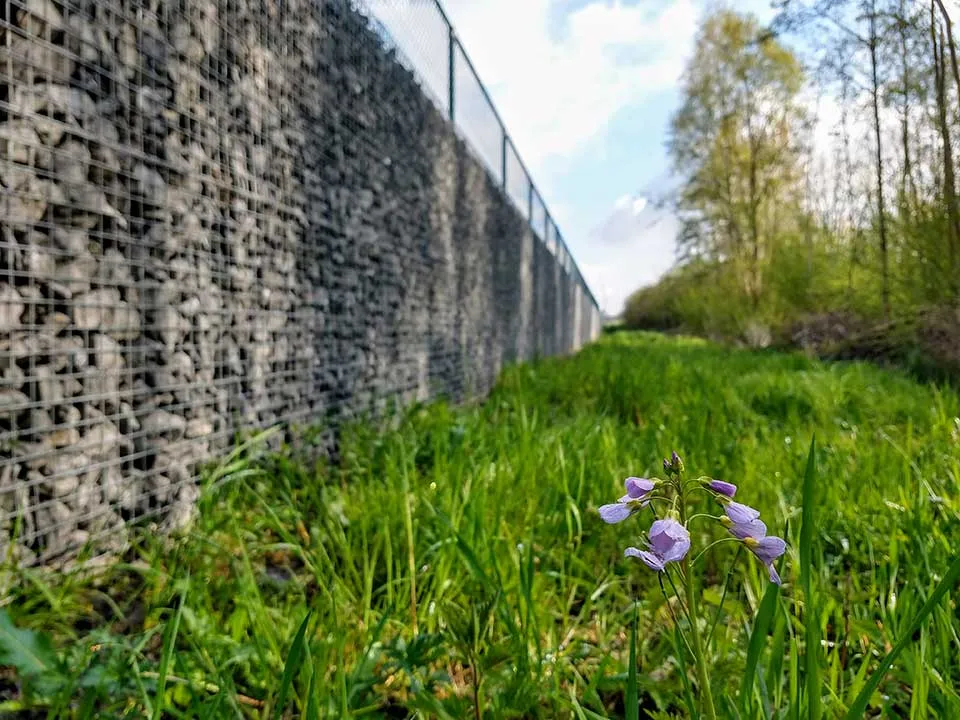
Gabions against retaining walls
There was more scope to raise the ground on the existing land along the longer section, between Van Thorenburglaan and Roosbroekstraat. A distinctive aesthetic solution was even chosen for part of the route. Frederik Bauwens: “For a substantial stretch of around 500 m, we opted to install gabions against the concrete retaining walls, making them more visually attractive to adjacent property owners. This was new to us, but proved a very successful trial. The result speaks for itself. The gabions are much more pleasing to the eye for adjacent property owners, while the retaining walls ensure a clean, crisp appearance on the inside.”
Working together
The municipality of Oosterzele has been helping to drive the cycle highway project forward for years and was responsible for acquiring a number of plots of land. Infrabel worked closely with the municipality to ensure adequate safety around the railway line and level crossings. Safety is Infrabel’s top priority. As the cycle highway runs largely alongside the railway line (Melle to Geraardsbergen), Infrabel is looking at possible alternatives to the level crossings together with the municipality.
Frederik Bauwens: “Working together was indeed key to the success of these projects. On the longer route, for example, we also had to make our way through unmanaged woodland that reached the railway in some places. Naturally, we had to follow all the safety rules to the letter. Careful phasing and planning in advance were therefore essential. Grondwerken De Mol’s equipment and expertise in delivering this kind of project are a major asset.”
Efficiency
For example, everything is handled digitally. “By surveying everything digitally on site, we can quickly establish how many cubic metres of material need to be added or removed. We can also monitor the work remotely, identify any issues such as subsidence and make adjustments as needed. This allows us to carry out a substantial amount of earthmoving with a small team, offering significant benefits in terms of efficiency and accuracy. We are also very familiar with the province’s requirements, material choices and working methods,” concludes Frederik Bauwens.
Question about this story? Ask your question
Keep following this
Get an email when a new story is published. No account needed.
- ThemeFuture-proofing roads and railways
- SubjectGeneral







