(Railway) monitoring, a growth driver for renowned land surveying firm
Text Wouter PolspoelImage MEET HET
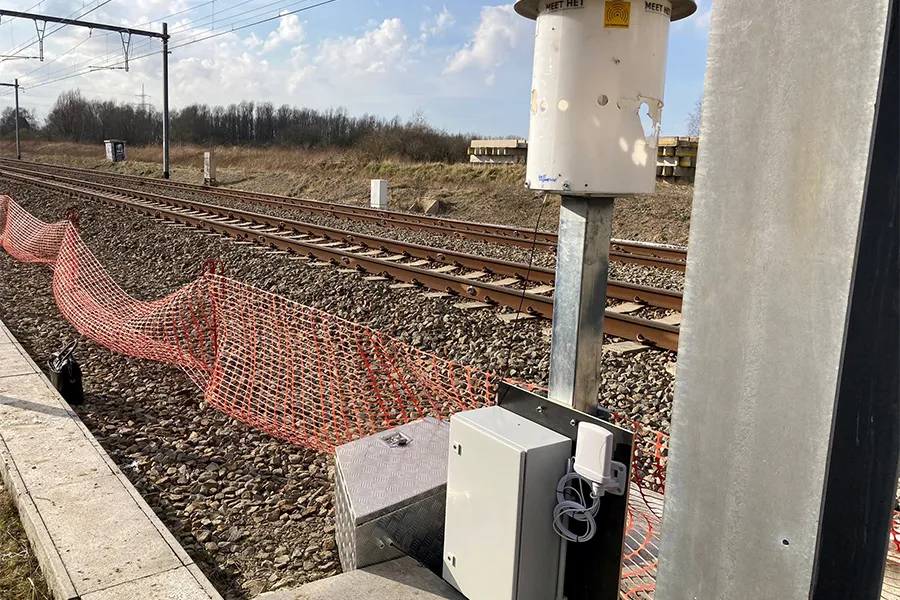
For MEET HET, monitoring projects, including railway lines, are a growth driver alongside the creation of so-called digital twins. “Using our own software platform, we can monitor various critical parameters 24/7 and give clients real-time access to the data,” says commercial director Bram Van Londersele. A recent majority stake acquisition by Belgian ABO-Group, which brings together engineering firms, is set to accelerate that growth further.
MEET HET was founded in 2011 by three fellow students who decided to join forces a year after completing their surveying studies. “Today, we are one of Belgium’s largest land surveying firms, a one-stop shop for surveying that also focuses on niche markets,” says Bram Van Londersele, commercial director and one of the founders.
“Two of our biggest growth drivers are monitoring and the creation of so-called digital twins. Monitoring means checking whether buildings, infrastructure or railway lines have subsided or shifted, whether vibration thresholds have been exceeded and whether water levels have changed. We do this by taking repeated measurements at the same points. Using our own software platform, we can monitor these various critical parameters 24/7 and give the client, or other stakeholders, real-time access to the data, as well as alert them when problems are likely to arise. What makes us unique is that we manage both the software and sensor sides. We do not make the sensors ourselves, but we select and install them.”
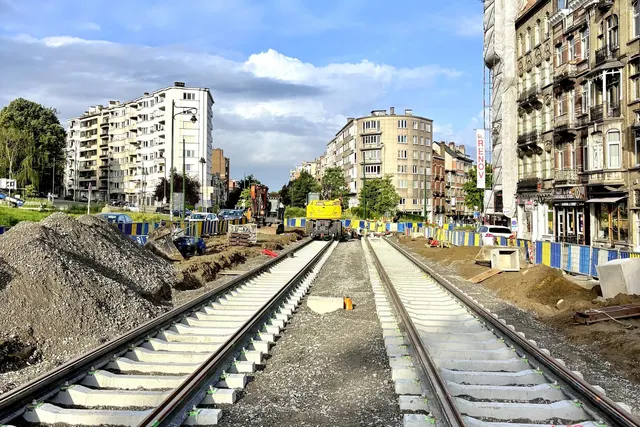
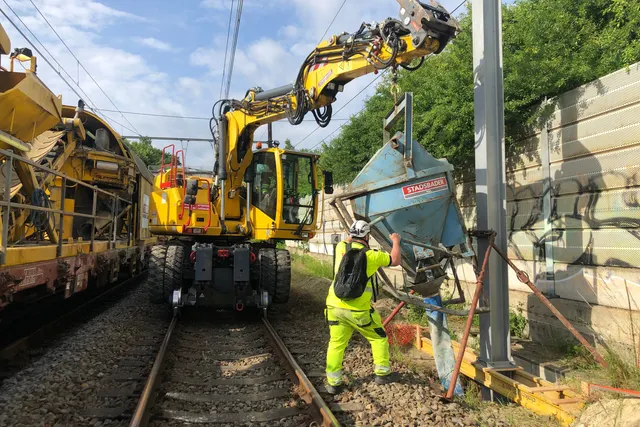
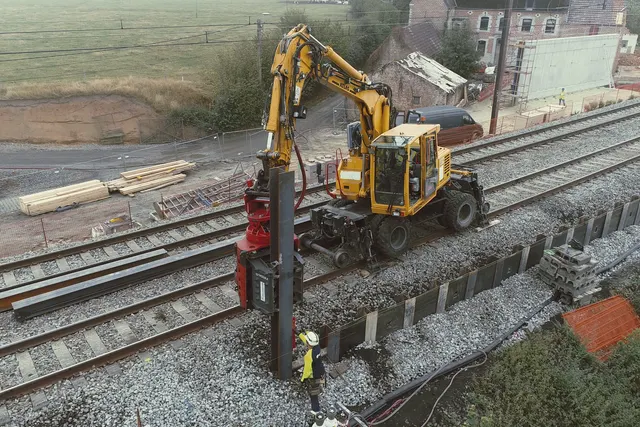
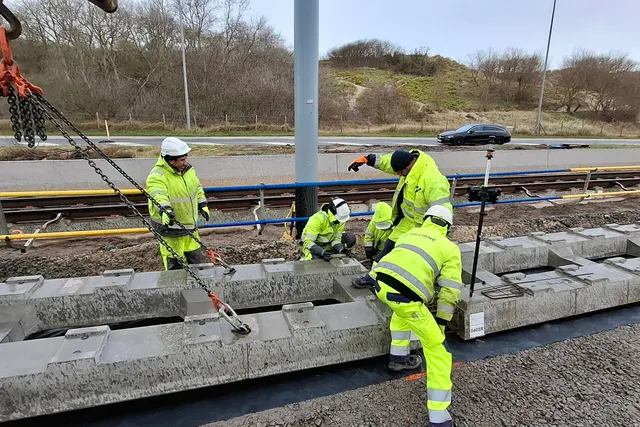
“We are mainly called on for railway monitoring when major works are taking place near the tracks, such as excavating soil or building or demolishing a bridge or tunnel. Our client is usually the contractor carrying out the work, who is required to conduct the monitoring by Infrabel or engineering consultancy TUC RAIL.”
New division: BIM for infra
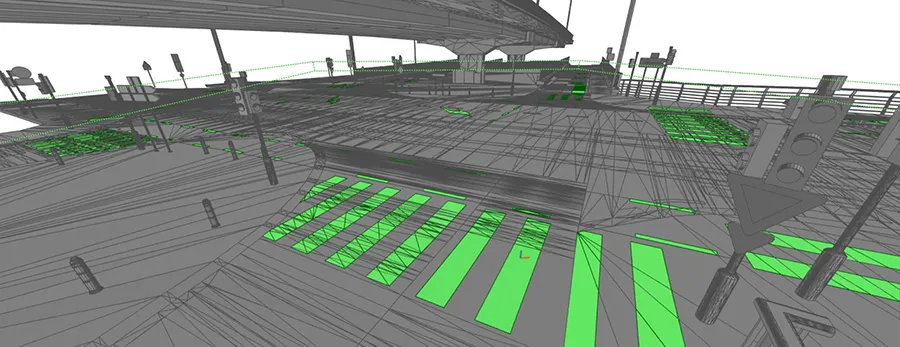
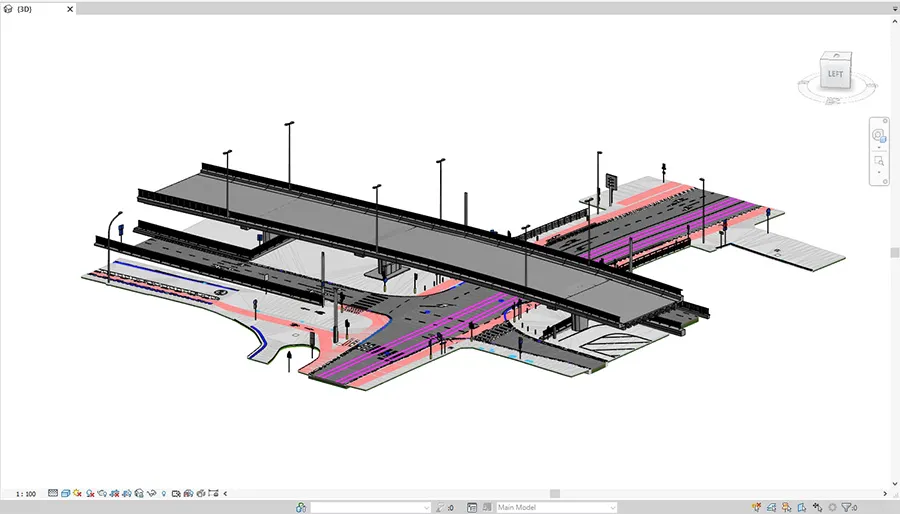
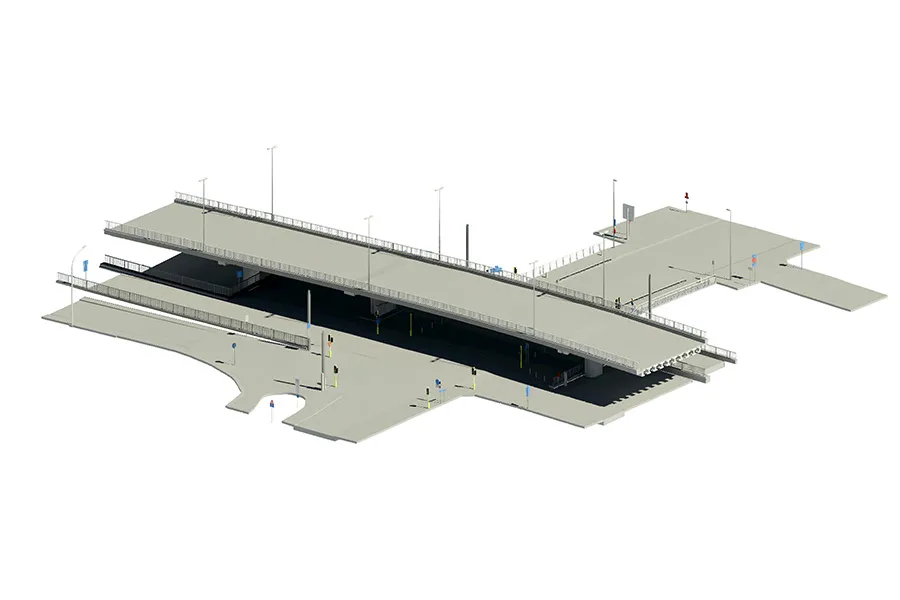
The creation of digital twins, MEET HET’s other growth driver, involves surveying buildings and industrial installations to create a virtual model of them, in 3D or otherwise. In other words, a digital twin of reality. A separate part of this business unit is the production of BIM models. MEET HET recently launched its BIM for infra division for this purpose. Van Londersele explains: “We know how to create a BIM model of a building. These are always existing buildings, as we always start with a survey. But the Flemish Government, specifically the Agency for Roads and Traffic, has stated its ambition, following the lead of governments in neighbouring countries, to carry out a large proportion of its investment projects, including infrastructure projects, in BIM. That is why we set up this new division. It surveys roads, bridges, tunnels, civil engineering structures and more, and then creates BIM models of them. The input for these BIM models is generated from the so-called OTL library, or object type library, which is a requirement for delivering the model through the Flemish Government’s DAVIE data portal. The model is enriched with attribute data, such as geometric or technical properties, and semantic relationships: lies on …, connects to …, attached to … Here too, the client is often the project contractor.”
“For BIM for infra, we work in a structured partnership with Nordend, a Geo-ICT consultant. We carry out the survey, create the BIM model and do part of the enrichment. Nordend handles further enrichment, as well as combining and automating the attribute data and data relationships. A recent BIM for Infra project is the Tijsmanstunnel, for example. A new sprinkler system and modified ventilation ducts are being installed there. We have to survey the section of the tunnel where this work is taking place and create an OTL-compliant 3D model, which we then submit through the DAVIE portal.”
International ambitions
The commercial director also has some fresh news. “We recently became part of ABO-Group, which now holds a 70% majority stake in MEET HET. ABO-Group is a Belgian listed company that brings together engineering firms specialising in environmental and geotechnical work. We had already been working with them for ten years, as a client, supplier or subcontractor. We complement the group because it did not yet have a land surveying division and is interested in monitoring and digital twins. Our services now give ABO-Group a complementary offering. The acquisition is also of interest to us, as it enables us to operate internationally. ABO-Group also has offices in the Netherlands and France. In the past, we occasionally worked with Geosonda, a company specialising in geotechnical engineering and ground investigations. As Geosonda is also part of ABO-Group, that collaboration will now become more structured, broadening our offering.” ■
Question about this story? Ask your question
Keep following this
Get an email when a new story is published. No account needed.
- SubjectRail engineering