









One billion litres of groundwater returned to the ground at Kapellen site
Text Niels Rouvrois Beeld Aertssen Group
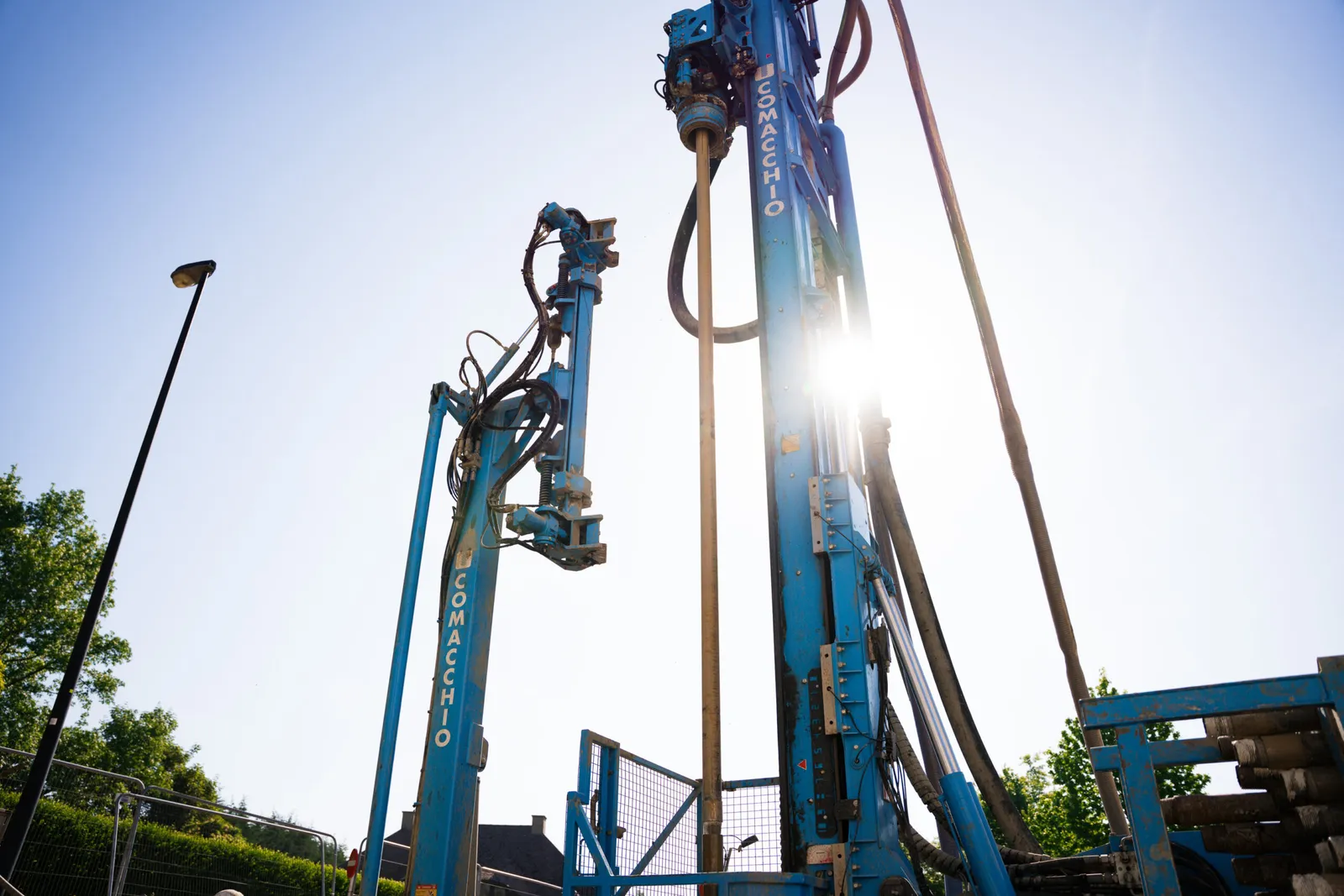
In Kapellen, dewatering specialist Smeyers (Aertssen Group), working with main contractor Hooyberghs Algemene Bouwonderneming, is currently carrying out a large-scale groundwater recharge operation. Almost one billion litres of groundwater is being returned to the ground on site rather than discharged. Drawing on an experienced team and its expertise in groundwater recharge, Smeyers supports the client throughout the entire dewatering process, from the study through to monitoring.
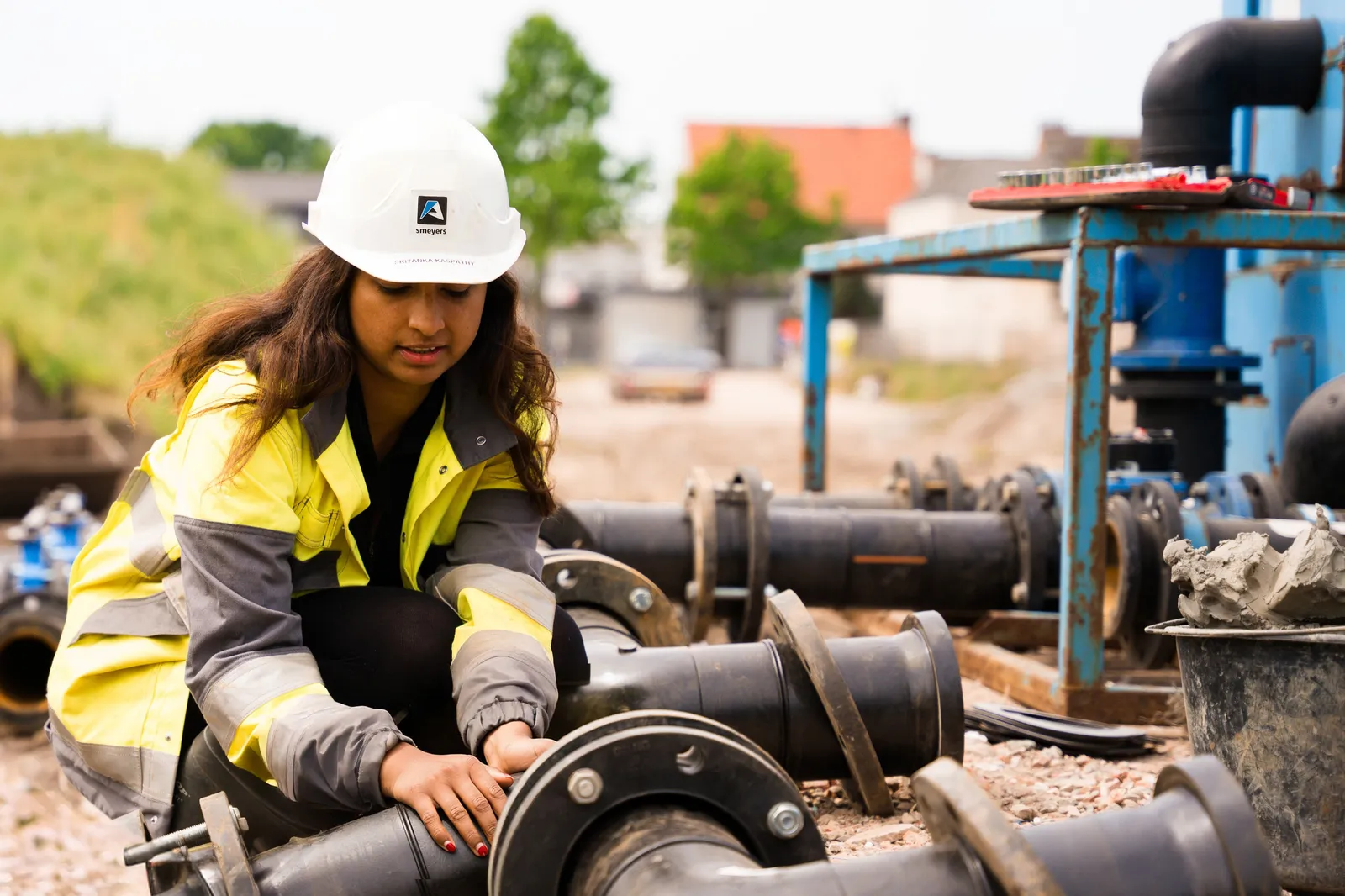
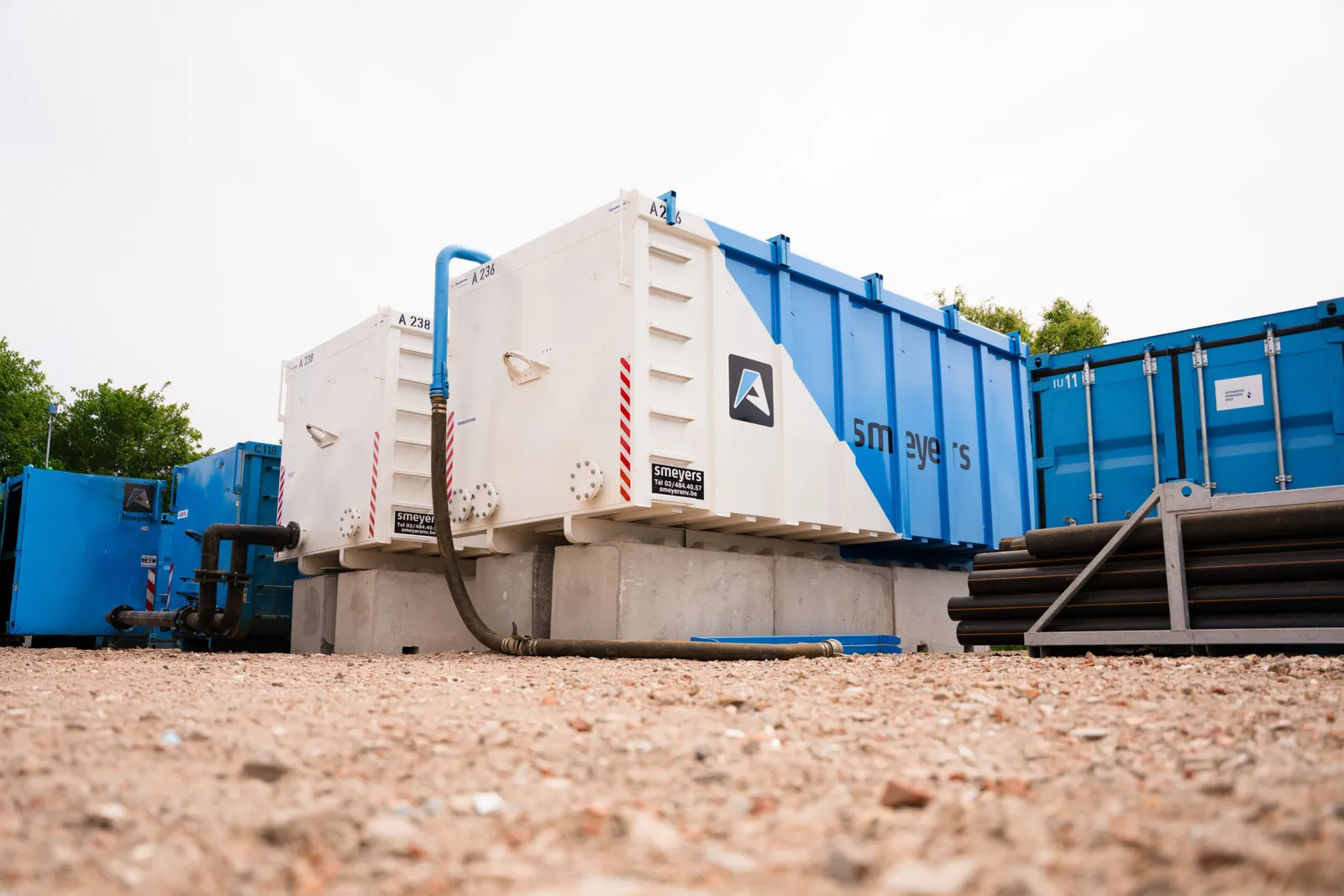
Dewatering began to create an excavation pit approximately four metres deep. “Because the site has highly permeable ground, we are pumping large volumes of water,” explains Smeyers site manager Priyanka Kaspathy. “However, only a limited volume could be discharged, making it necessary to recharge the same aquifer. We pumped an average of around 130 cubic metres per hour, which is a considerable volume for an excavation pit of this size. To return as much water as possible on site, we drilled ten deep wells and installed twelve recharge wells. There is also a treatment system to remove fine particles, such as iron, from the pumped water, ensuring the recharge wells continue to operate optimally. This allows us to manage the high flow rates at all times, which is by far the biggest challenge on this project.”
At every stage of the dewatering process, Smeyers checks that the theory still matches what is happening in practice. Priyanka Kaspathy says: “If we identify any discrepancies, we investigate the cause until we find an explanation and a corresponding solution. We also involve the client at every step, so there are no surprises. The importance of flawless dewatering should not be underestimated. Without a dry excavation pit, no work can be carried out, so we have a considerable responsibility for the overall project schedule. Phase 1 is now complete, and the second dewatering phase has started.”
Monitoring with IoT technology
The dewatering process is monitored both remotely and on site. IoT technology is used to monitor the wells continuously. Smeyers IoT Engineer Lorenz Adriaensen explains: “Every abstraction and recharge well is fitted with a sensor that measures water levels and pressure. This allows us to respond immediately if a problem arises. All our systems are equipped with alarms that automatically notify our site managers.”
The technology benefits both Smeyers and the client. “We have a dashboard that displays all the parameters clearly,” says Lorenz Adriaensen. “The client also has access to data such as flow rates, which is important for reporting and inspections. Compliance checks are also becoming increasingly stringent. Monitoring and making adjustments during the works are therefore crucial to a project's success. In Kapellen, the technology provides excellent support for monitoring, but of course it does not replace on-site expertise. Our people on the ground remain essential.”

Tighter regulatory framework
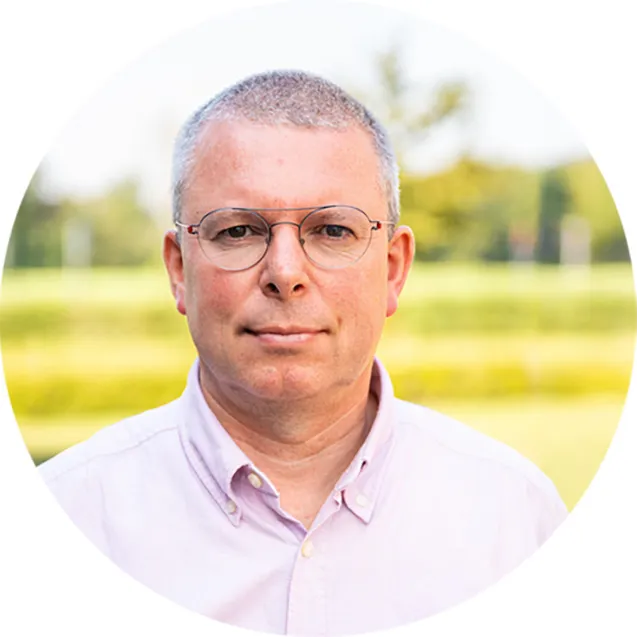
Groundwater recharge is becoming increasingly important in the sector. “Regulations have become stricter in recent years,” says discipline manager Bert Creve. “The discharge of large volumes of water is restricted, making groundwater recharge the only solution in many cases. Permits now specify net flow rates instead of gross flow rates. In short, water that you can prove has actually been returned to the ground can be deducted from the total volume pumped. This means less water is discharged, reducing the environmental impact and allowing you to fall into a lower permit category that is easier to obtain.”
The project in Kapellen is an impressive practical example of this trend. Bert Creve says: “Here, we are really moving the needle in three areas of groundwater recharge: handling high flow rates, recharging water on site and conditioning the water for more efficient recharge. This project shows that groundwater recharge is an ideal solution, even in challenging conditions.
In recent years, Smeyers has carried out extensive research into efficient techniques for reinfiltrating water. Those efforts are now paying off, and this expertise is shared widely across Smeyers.”
Expertise and peace of mind
For clients, a project like this is not just a technical challenge, but also a source of uncertainty. Cristian Paredes, Smeyers' commercial manager, emphasises the importance of trust: “Our strength lies in combining hydrogeological expertise, practical experience and our own equipment. This enables us to develop a tailored approach for every project, which our clients value.” According to Cristian Paredes, it is not just about finding a solution, but also about providing certainty: “There can always be surprises underground. Through transparent communication and close monitoring, we ensure that our clients have not only technical certainty, but also peace of mind knowing their project is in safe hands.”
Sustainable water management at project level
The project shows how technical expertise, monitoring and a carefully developed approach come together to deliver sustainable water management at project level. It once again underlines Smeyers' role as a one-stop shop for dewatering, from the study phase through to execution and monitoring. “Smeyers also coordinated the permit application. But the real strength of this project lies in the monitoring and flexible adjustments made during the groundwater recharge works. That is thanks to a team with the knowledge and skills to cover every aspect. Aertssen Infra also carried out the earthworks. In terms of communication and flexibility, it is particularly valuable to benefit from this synergy within Aertssen Group,” concludes Bert Creve.
Een zakelijke vraag aan Smeyers nv? Get in touch
Companies in this story

Keep following this
Get an email when a new story is published. No account needed.
- ThemeUsing and protecting the subsurface
- SubjectGeneral
- CompanySmeyers nv







