









Natural phosphate filter cleans up historically polluted groundwater on the Belgian-Dutch border
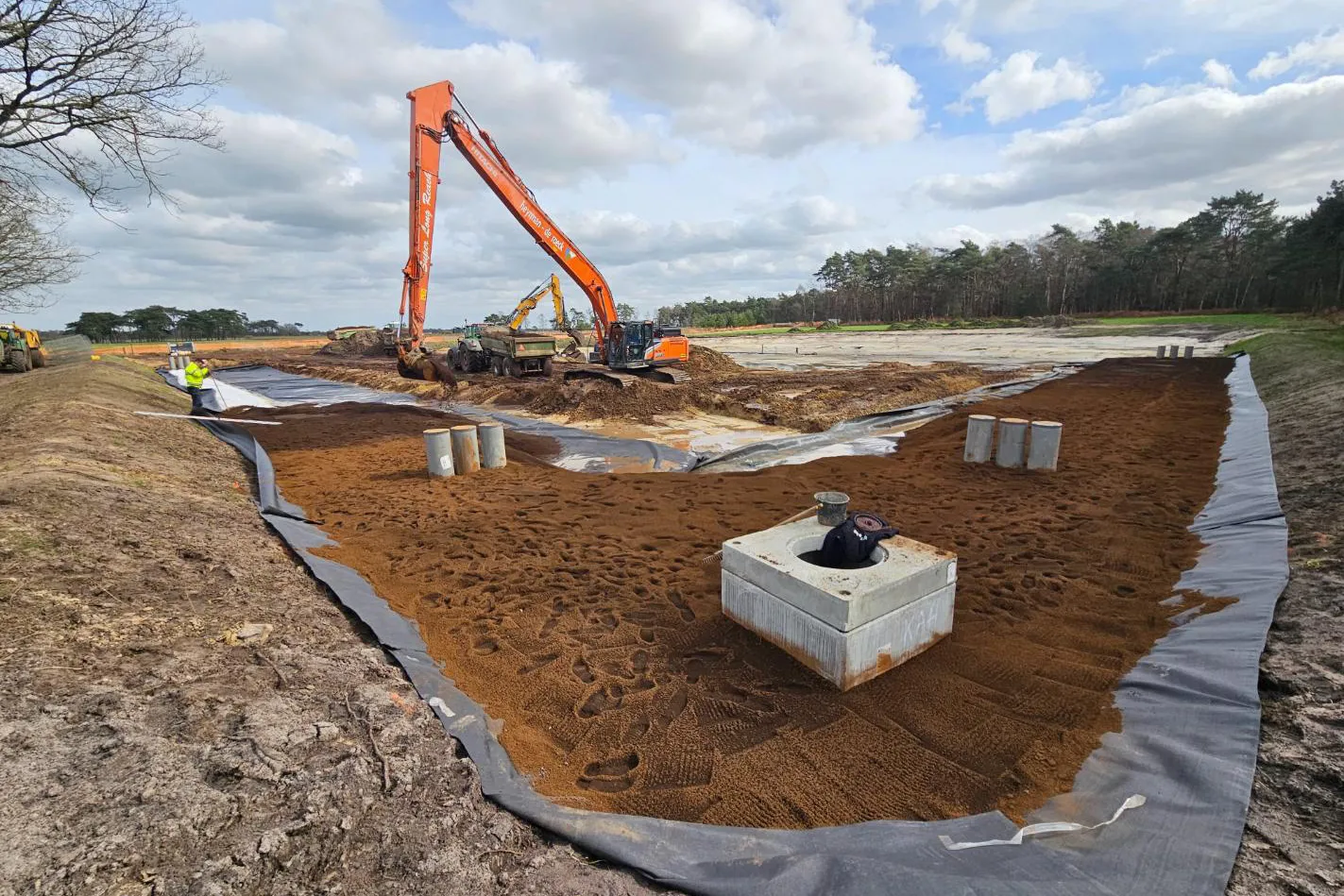
Innovative installation protects vulnerable nature with no energy use
At Grenspark Kalmthoutse Heide, consultancy and engineering firm Witteveen+Bos designed a natural phosphate filter that cleans up historically polluted groundwater before it flows into the vulnerable De Groote Meer nature reserve in the Netherlands. The installation operates without pumps or energy use and removes persistent phosphates from the water using iron sand, a by-product of drinking water production. The project shows how innovative techniques and cross-border cooperation contribute to sustainable nature and water management
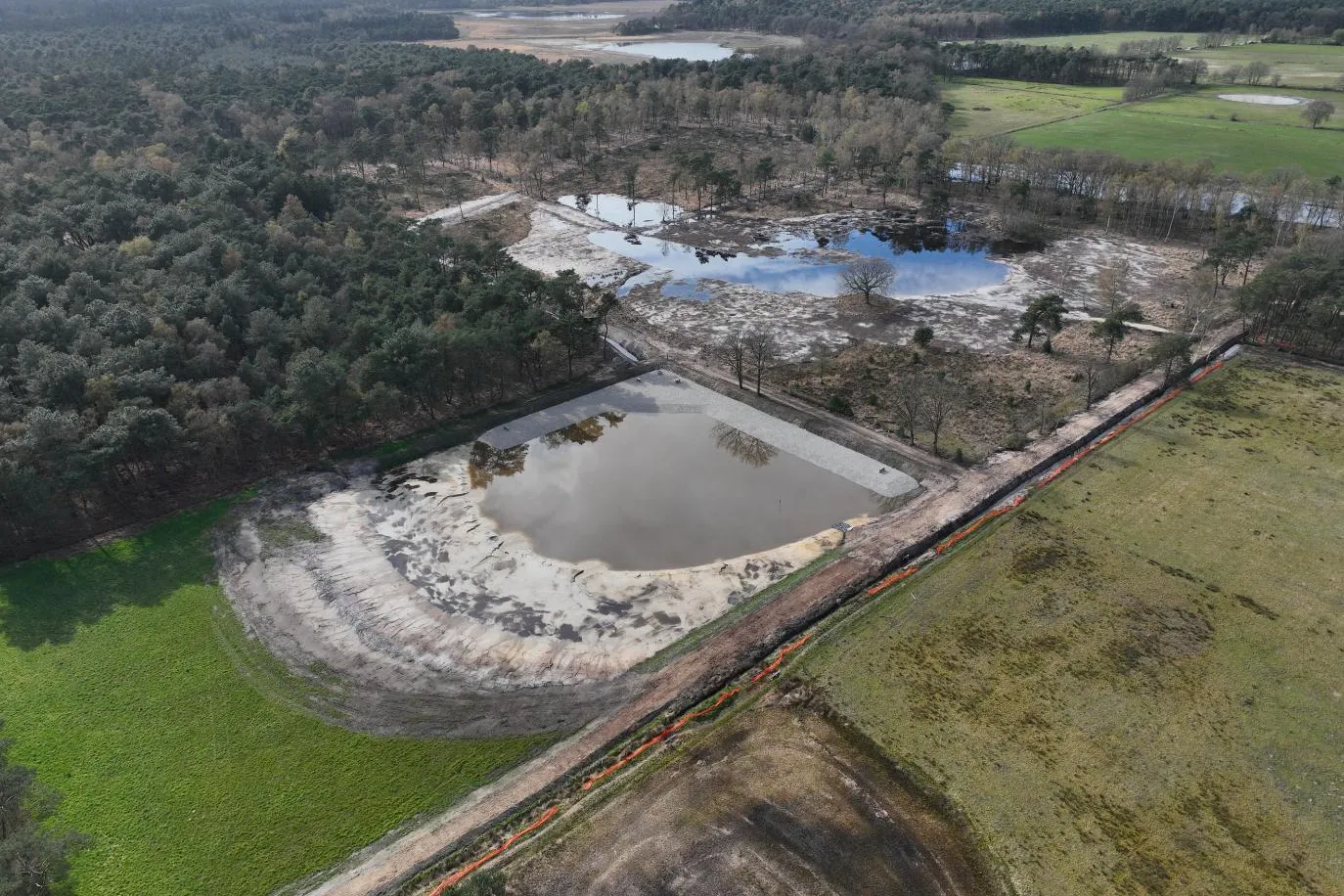
The new phosphate filter is located on Belgian territory and treats water from the southern part of Steertse Heide. It complements an initial filter that has been operating on the Dutch side since 2020. Together, the two installations limit the supply of nutrients to De Groote Meer, a European-protected Natura 2000 site.
Historical pollution calls for new solutions
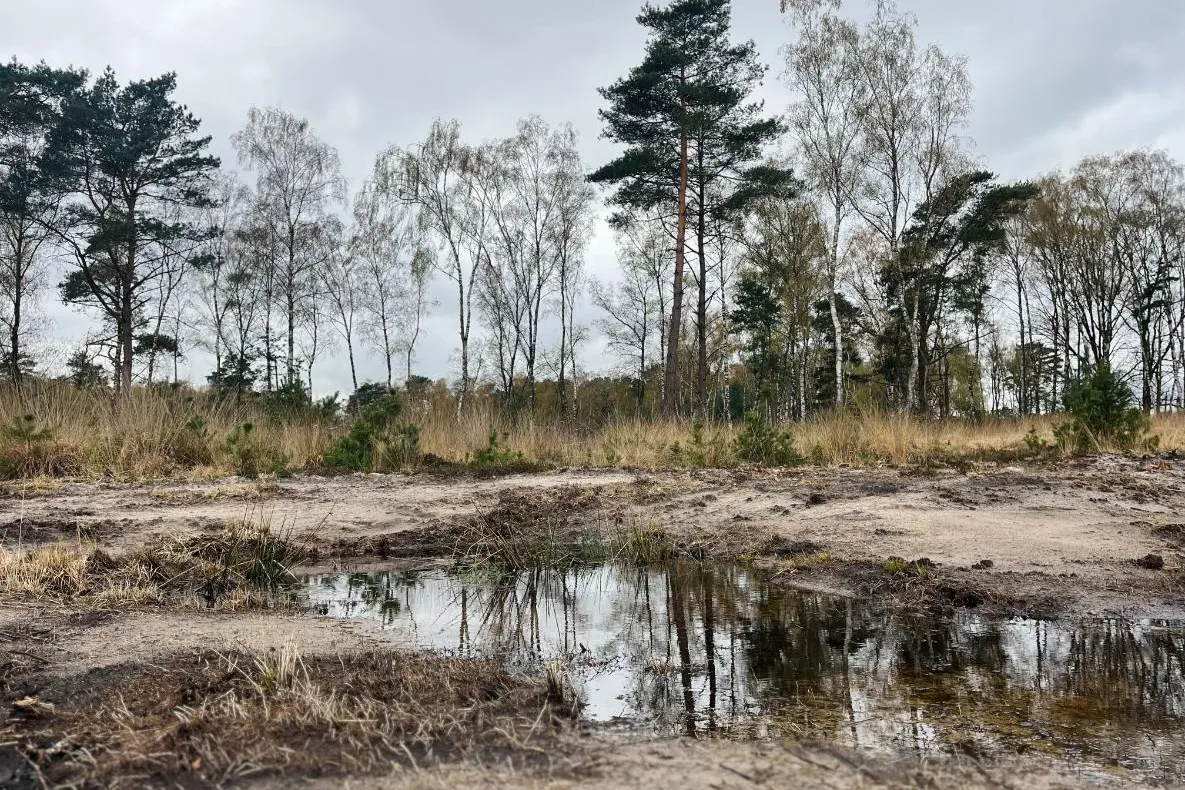
Steertse Heide was intensively farmed for many years. The effects of that historical fertilisation are still evident today. Rainwater carries phosphates from the soil into De Groote Meer. There, they disrupt the natural balance: fast-growing plants gain the upper hand, putting characteristic heathland and fen vegetation, as well as biodiversity, under pressure.
While nitrates leach out over time, phosphates often remain in the soil and water system for decades. As a result, nature restoration alone is not enough, and targeted water treatment is also needed.
Treatment without energy
The installation uses a simple but effective principle. Rainwater flows naturally through a filter bed of iron sand. Phosphates bind to the material, allowing clean water to flow into the nature reserve. As the system relies entirely on natural flow, it needs no pumps or energy.
“With this second phosphate filter, we prevent nutrient-rich water from reaching a vulnerable Natura 2000 site. This not only improves water quality, but also strengthens the resilience of the entire ecosystem on both sides of the border.”
Part of wider nature restoration
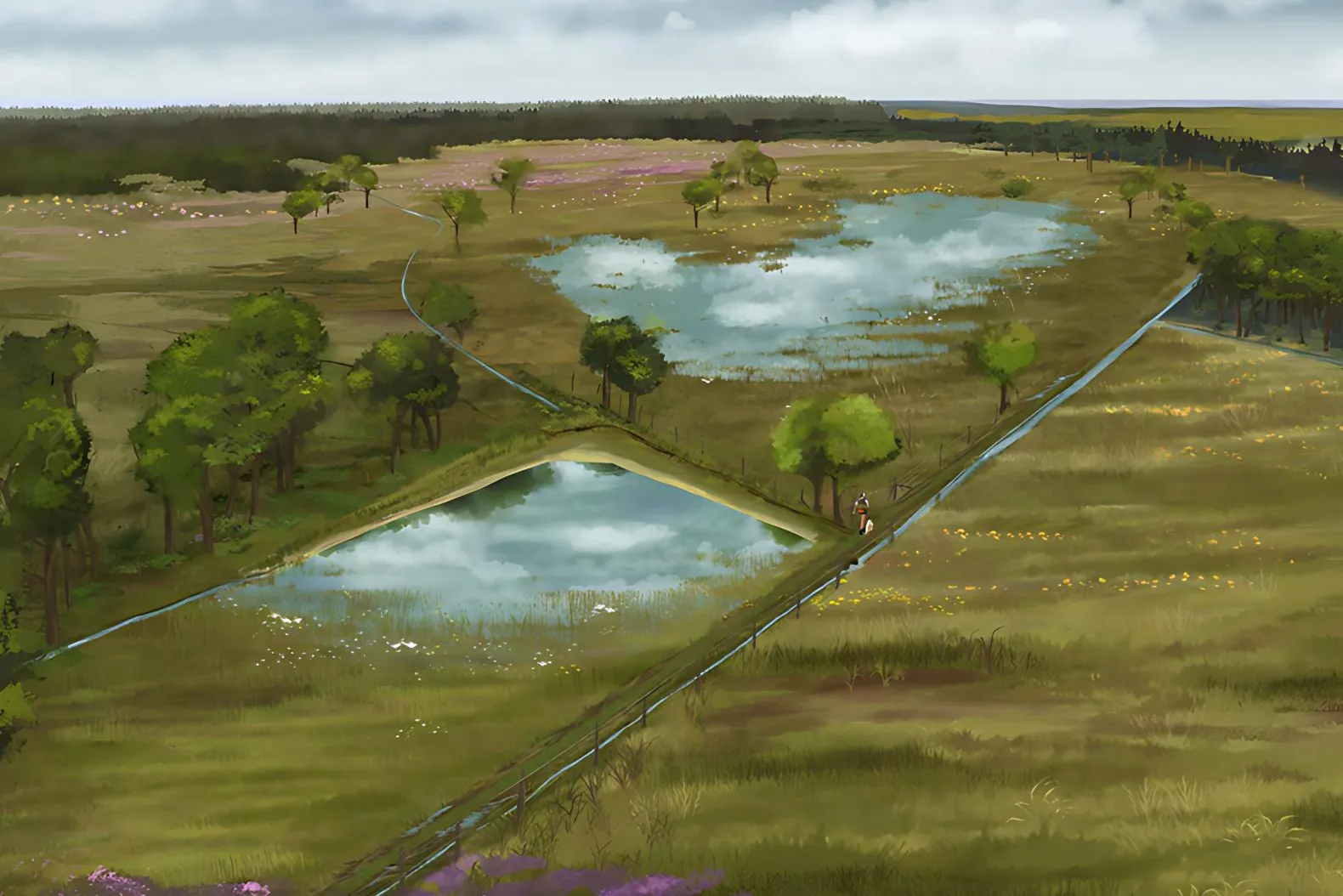
The phosphate filter's commissioning is part of a wider nature restoration project at Grenspark Kalmthoutse Heide. At the same time, the four-hectare Evertandven was also redesigned. By once again allowing natural fluctuations in water levels, a more varied habitat for plants and animals is being created.
Together, the two interventions improve water management at Evertandven, De Groote Meer and the surrounding nature areas in Belgium and the Netherlands.
Witteveen+Bos brought together design, permitting and construction
Commissioned by Grenspark Kalmthoutse Heide, funded by the Province of North Brabant, and with Agentschap voor Natuur en Bos as the site manager, consultancy and engineering firm Witteveen+Bos was responsible for the phosphate filter design, site plans and weir structures, the permit application and oversight of construction. The firm also coordinated cooperation and alignment between the various Belgian and Dutch project partners.
Question about this story? Ask your question
Keep following this
Get an email when a new story is published. No account needed.
- ThemeUsing and protecting the subsurface
- SubjectGeneral







