









Innovative techniques tackle PFAS contamination at source
Text Valérie CouplezImage Carmans
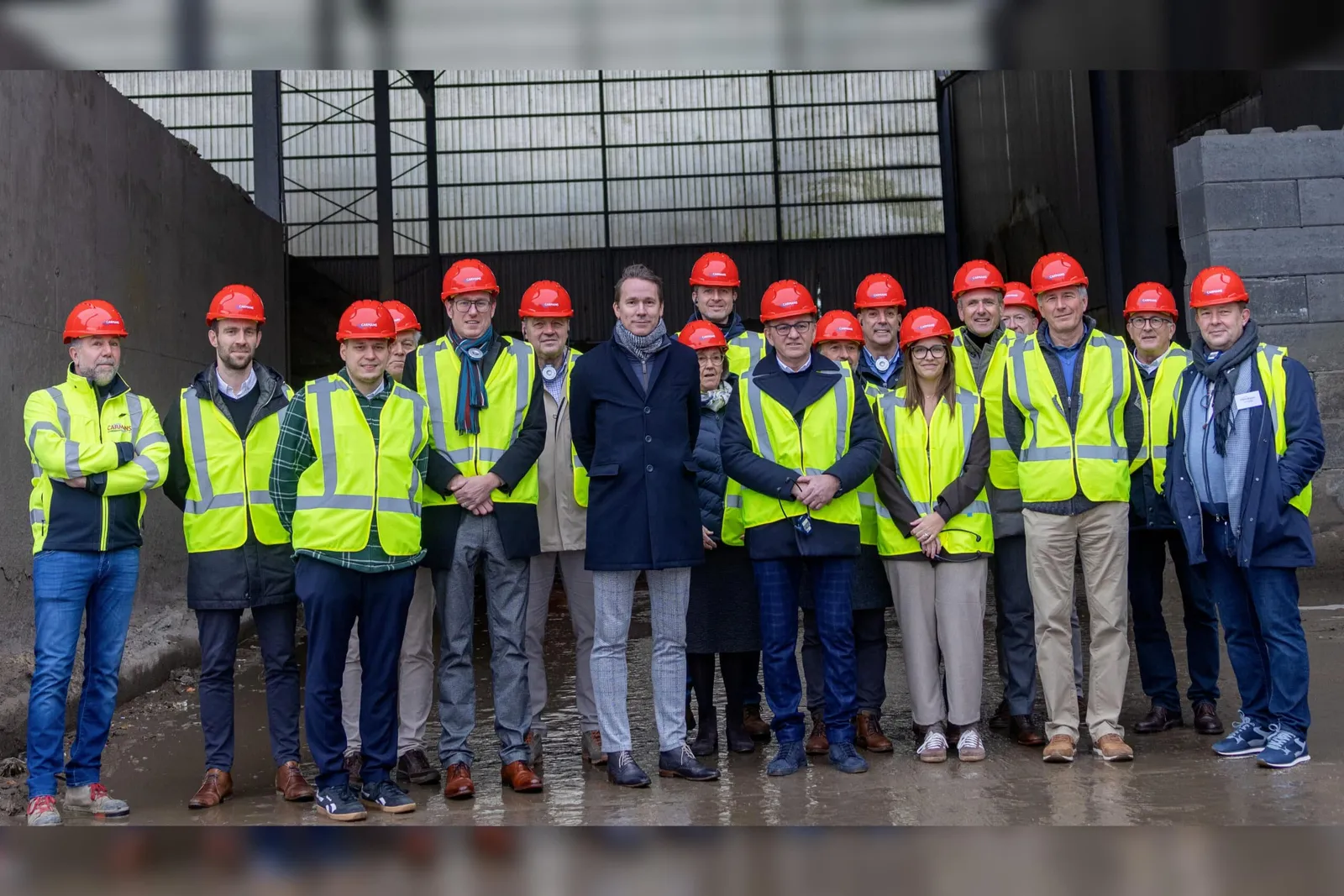
Contamination came to light during work on the Oosterweel Link in June 2021. Large quantities of the toxic substance PFOS were found in the soil. This led to tighter regulations for the entire PFAS family, which includes PFOS. It also put companies in the recycling sector on alert. Although they were not among the polluters, they were required to keep the PFAS content of their waste streams under control. But the recycling sector would not be the recycling sector if it did not try to respond through innovation. Earlier this year, Carmans unveiled two new technologies for sustainable remediation.
Flanders faces a major PFAS challenge, with thousands of contaminated sites and risks to drinking water, agriculture and the food chain. Conventional remediation techniques such as incineration and activated carbon are expensive, energy-intensive and generate significant CO2 emissions. Carmans has therefore developed innovative alternatives that tackle the problem at source. During a visit by Flemish Minister for the Environment and Agriculture Jo Brouns, Carmans presented its latest innovations in the fight against PFAS contamination. With the launch of BlueCure and RemBind, the family business is offering sustainable, efficient and scalable solutions for water and soil remediation, as part of a broader vision centred on circularity and ecology.
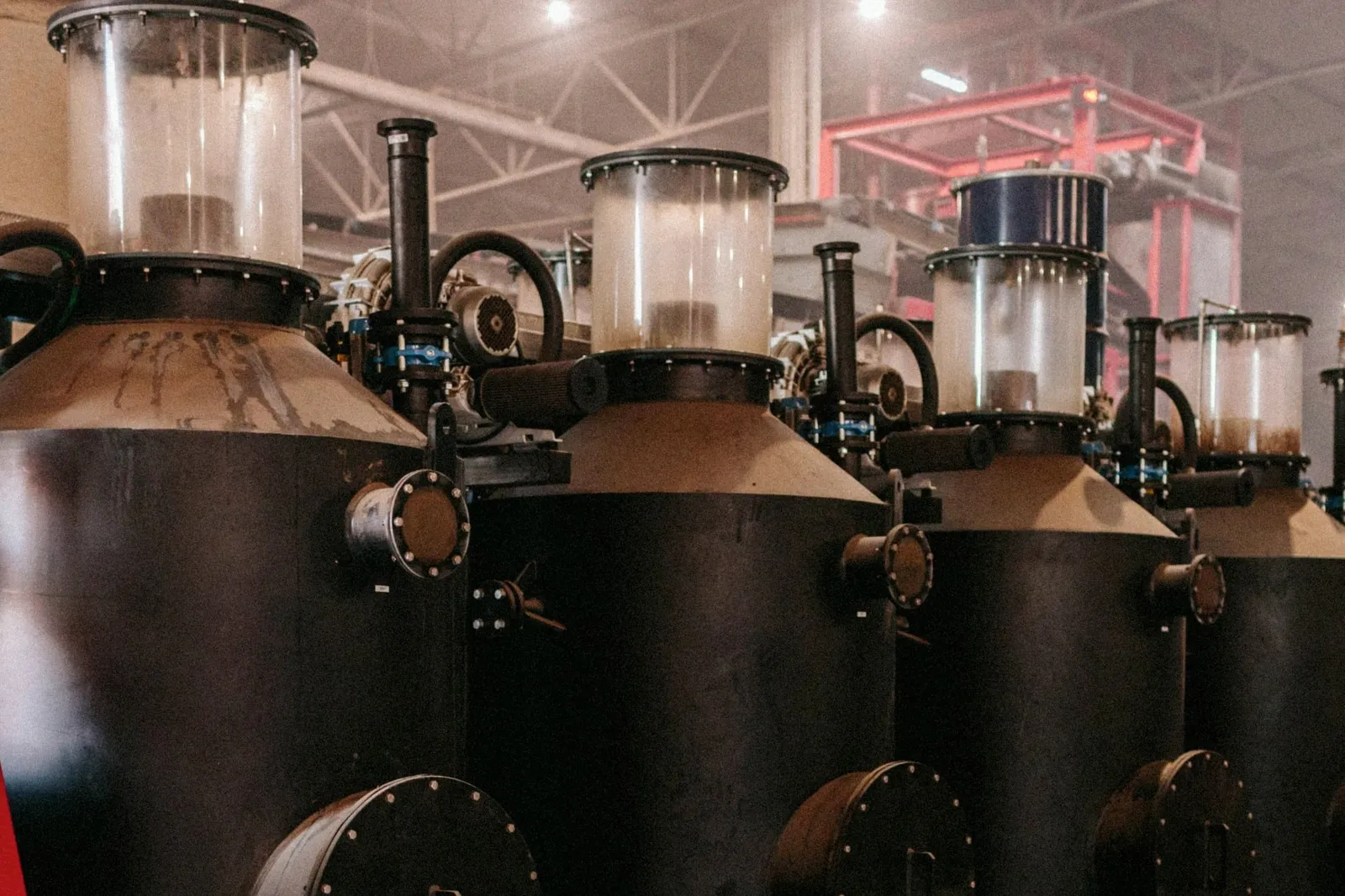
BlueCure: revolutionary water treatment
BlueCure removes PFAS from water through foam fractionation, an ingenious technique in which PFAS molecules attach to air bubbles and become concentrated in the foam. This delivers:
- Minimal waste (no tonnes of spent activated carbon)
- A low carbon footprint and low energy consumption
- High flow rates (up to 70 m³/h), ideal for Flemish industry and remediation projects
Two solutions
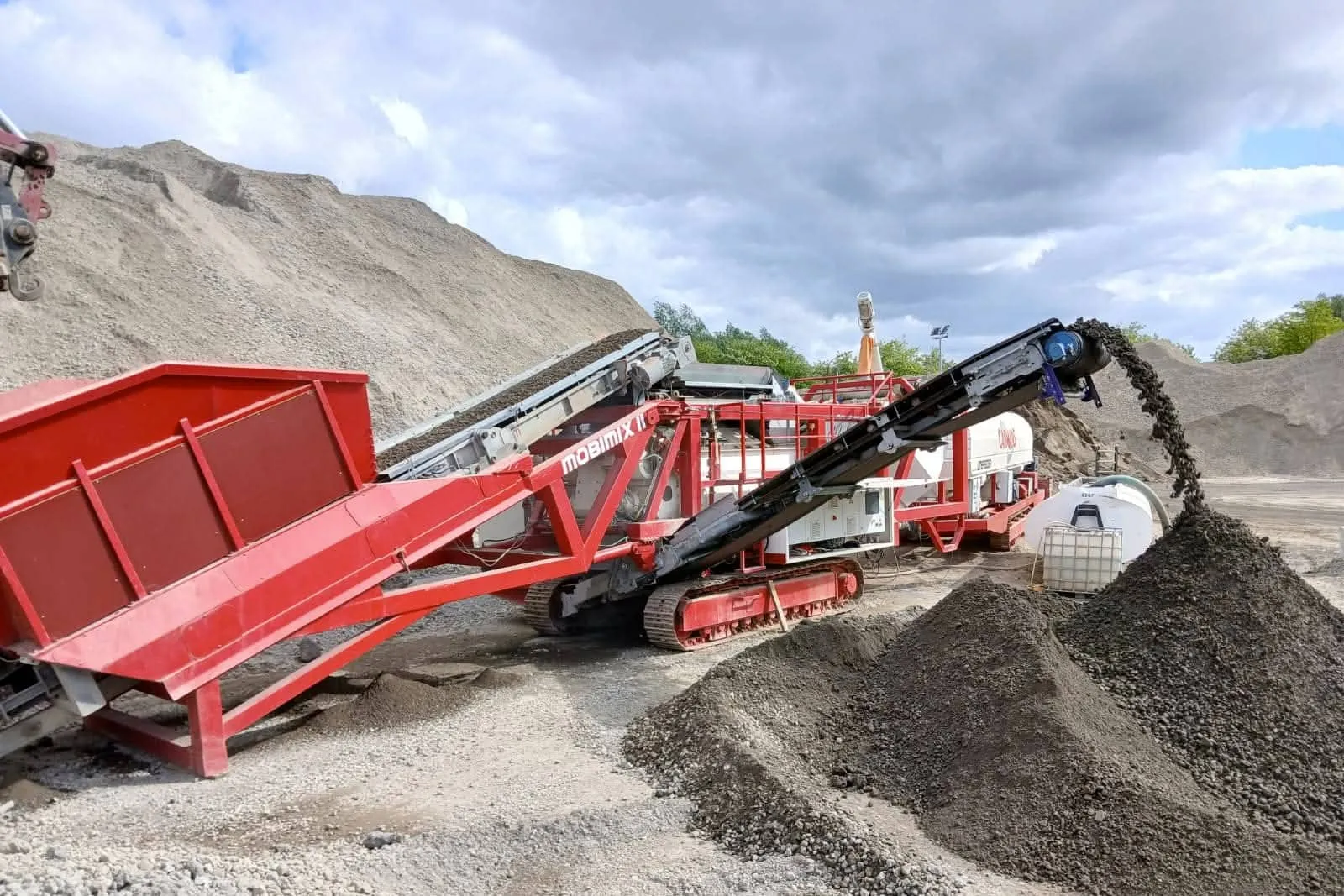
CEO Stefan Carmans explains what the two solutions are and how they help make remediation faster, more sustainable and more efficient, and therefore more economical. “They can both be applied entirely on site. The RemBind powder immobilises PFAS in the contaminated soil. By mixing it in directly, we prevent further spread. In a second step, we can then wash the soil. We treat the contaminated water using our second solution, BlueCure. This achieves a purification rate of 99%.” Carmans has built a pilot installation at its site in Lummen. The aim is to have mobile installations in the future. RemBind is not Carmans’ own invention, but the company has exclusive distribution rights for the Australian product in the Benelux. “At present, it is shipped here in large bags in sea containers. The plan is to build a plant together in Limburg for the European market,” Carmans explains, offering a glimpse of what lies ahead.

“A huge breakthrough”
Flemish Minister Jo Brouns said he was impressed by the innovations from Carmans Blue Technology, which were unveiled to him ahead of their public launch. “As a society, we face the challenge of removing PFAS from our soils. Today, we do this by excavating the soil, transporting it away and incinerating it. The solutions I saw here today will allow us to clean up the soil on site. A huge breakthrough,” Brouns concludes.
A PFAS-free future
The CEO is convinced of that too: “With BlueCure and RemBind, we are taking a major step towards a PFAS-free future. Our solutions are not only effective, but also sustainable and scalable for Flanders.” Alongside its PFAS solutions, Carmans is investing in circular concrete products (BlueBlocks), renewable energy and the use of secondary raw materials. Innovation and ecology have been at the heart of the company for decades. Carmans currently employs around 50 people.
Question about this story? Ask your question
Keep following this
Get an email when a new story is published. No account needed.
- ThemeUsing and protecting the subsurface
- SubjectGeneral







