









Innovative remediation of complex contamination in historic Bruges
Text Joris Hendrickx Beeld Ghent Dredging
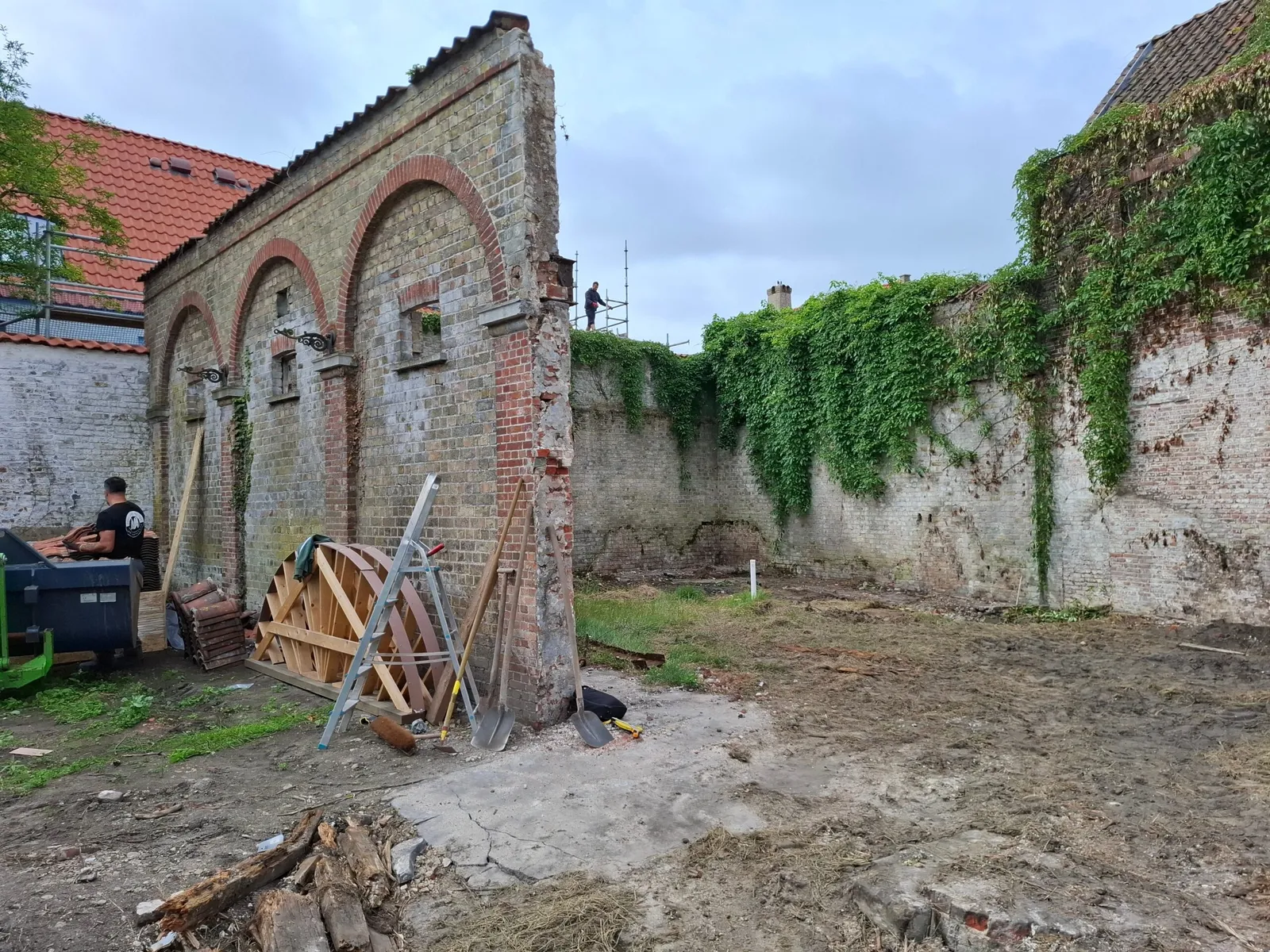
In the heart of Bruges, Ghent Dredging demonstrated that even deep-seated and hard-to-reach contamination can be remediated effectively. At a former dry-cleaning site, the company combined innovative injection techniques with tight scheduling and intensive monitoring. Project manager Peter Vandeghinste explains how a targeted approach creates scope for safe redevelopment without major interventions or disruption to the surrounding area.
Fifty years of experience, with strong integration
Ghent Dredging has been in business for fifty years, growing into an established name in dredging, hydraulic engineering and environmental works. In the latter field, its focus is on soil remediation, sediment and soil treatment, injection and water treatment. “Our strength lies in the vertical integration of the entire circular process,” says Peter Vandeghinste. “From source to treatment and reuse of (secondary) raw materials, we keep everything in-house.”
Like Ghent Dredging’s other activities, its environmental work has been growing for more than 15 years. Alternative soil remediation techniques, particularly direct injection and in-situ water treatment, are taking an increasingly important share.
Complex site in the heart of the city
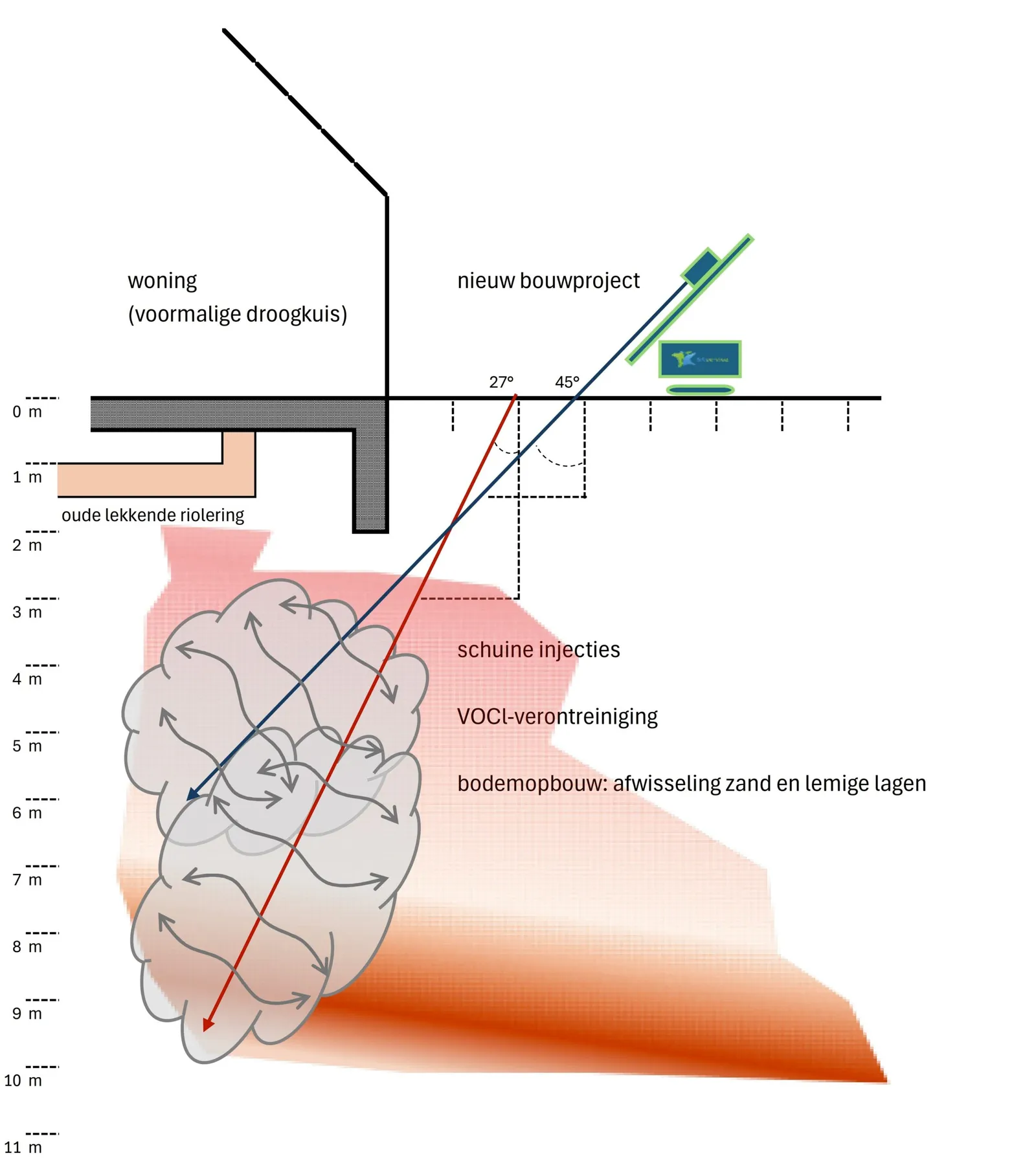
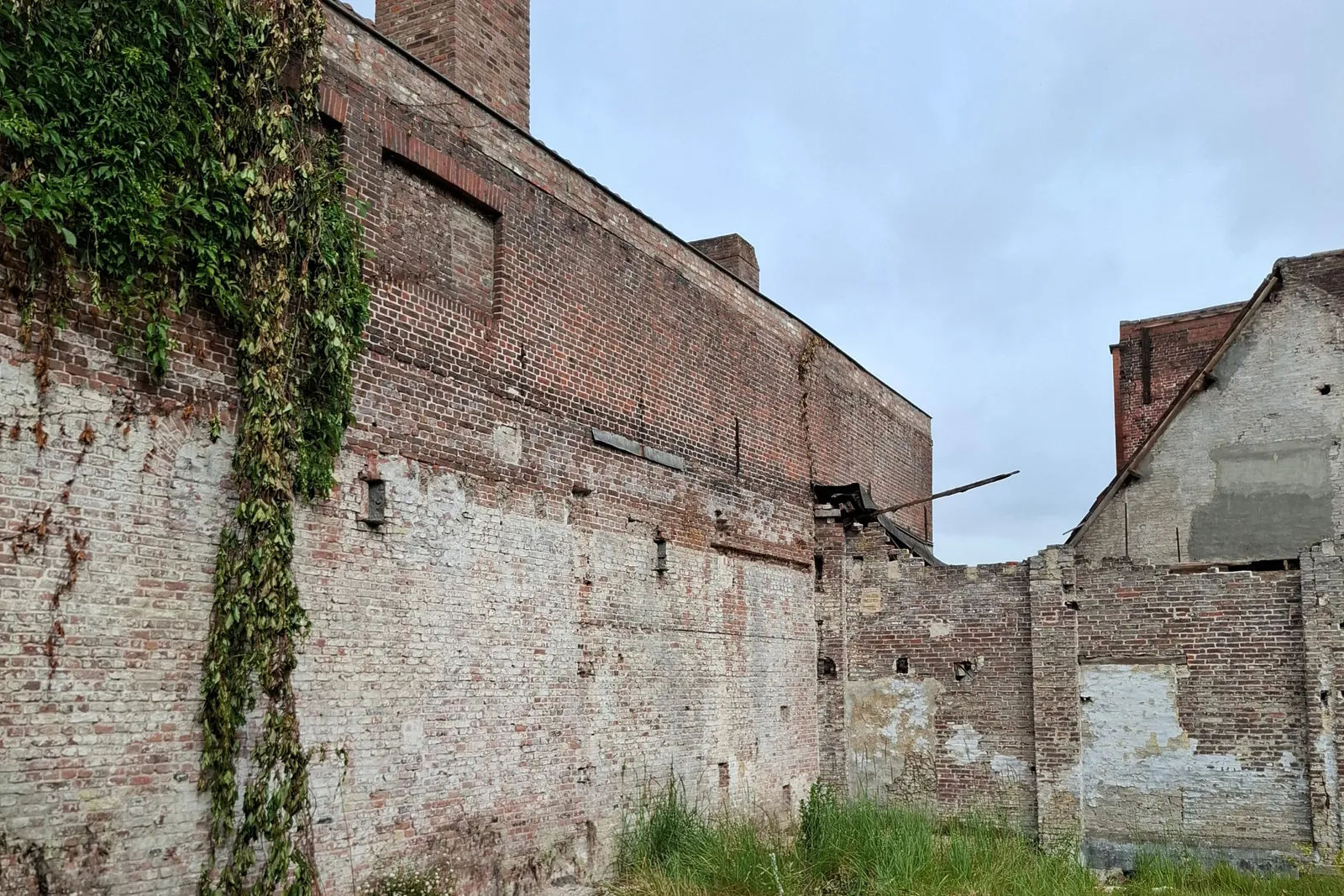
During the redevelopment of a former dry-cleaning site in Bruges’ densely built-up historic city centre, severe solvent contamination was found at depths of up to 10 metres. Ghent Dredging was asked to provide an efficient solution for the soil remediation. “The contamination involved chlorinated solvents, which are denser than water,” explains Vandeghinste. “They had spread beneath the surrounding buildings and penetrated to a considerable depth.”
Access posed an additional challenge. Narrow streets, nearby homes and a tight development schedule left little room for manoeuvre. There was only a limited window for remediation between demolition and rebuilding.
Efficient remediation without disruption
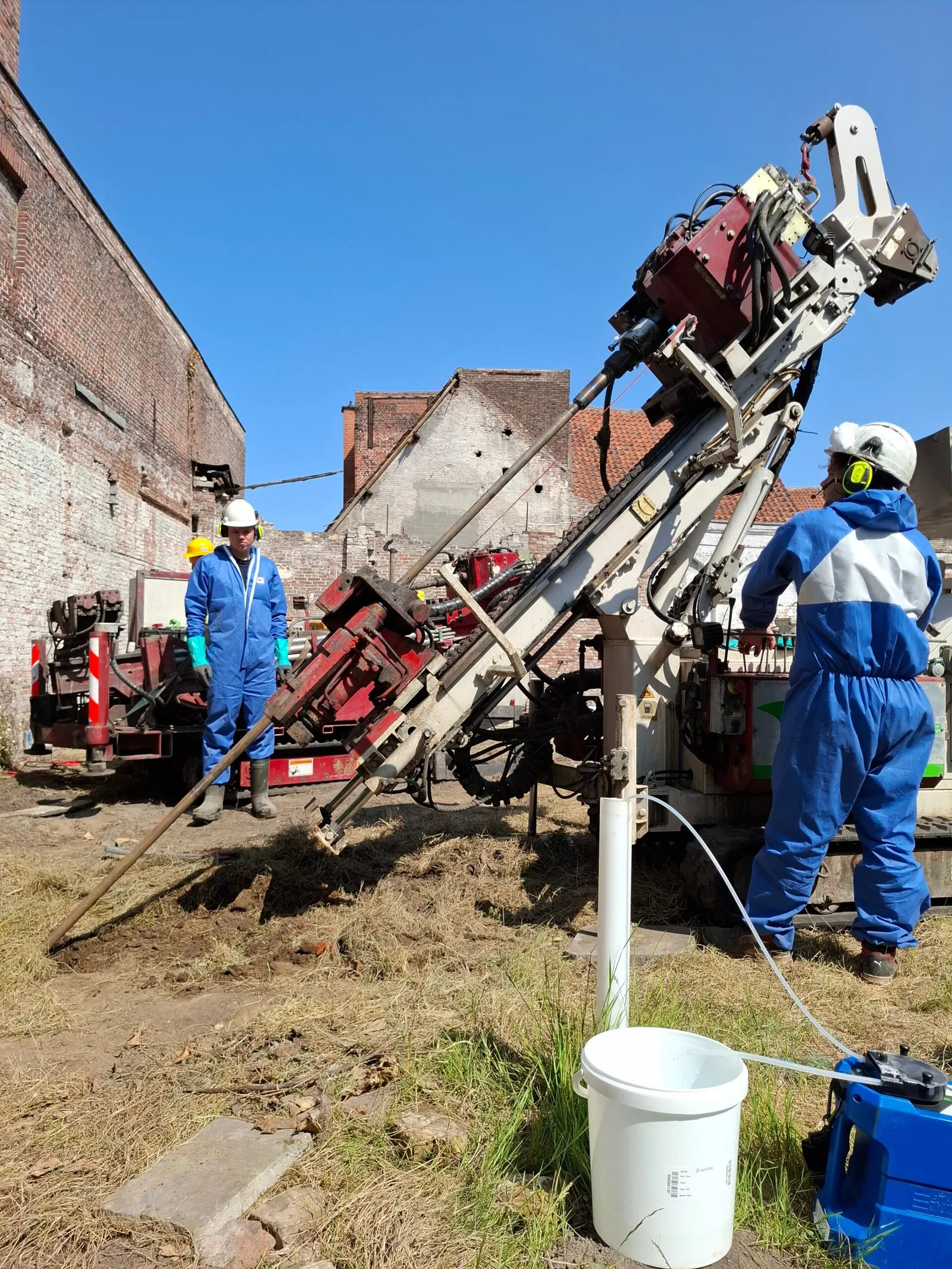
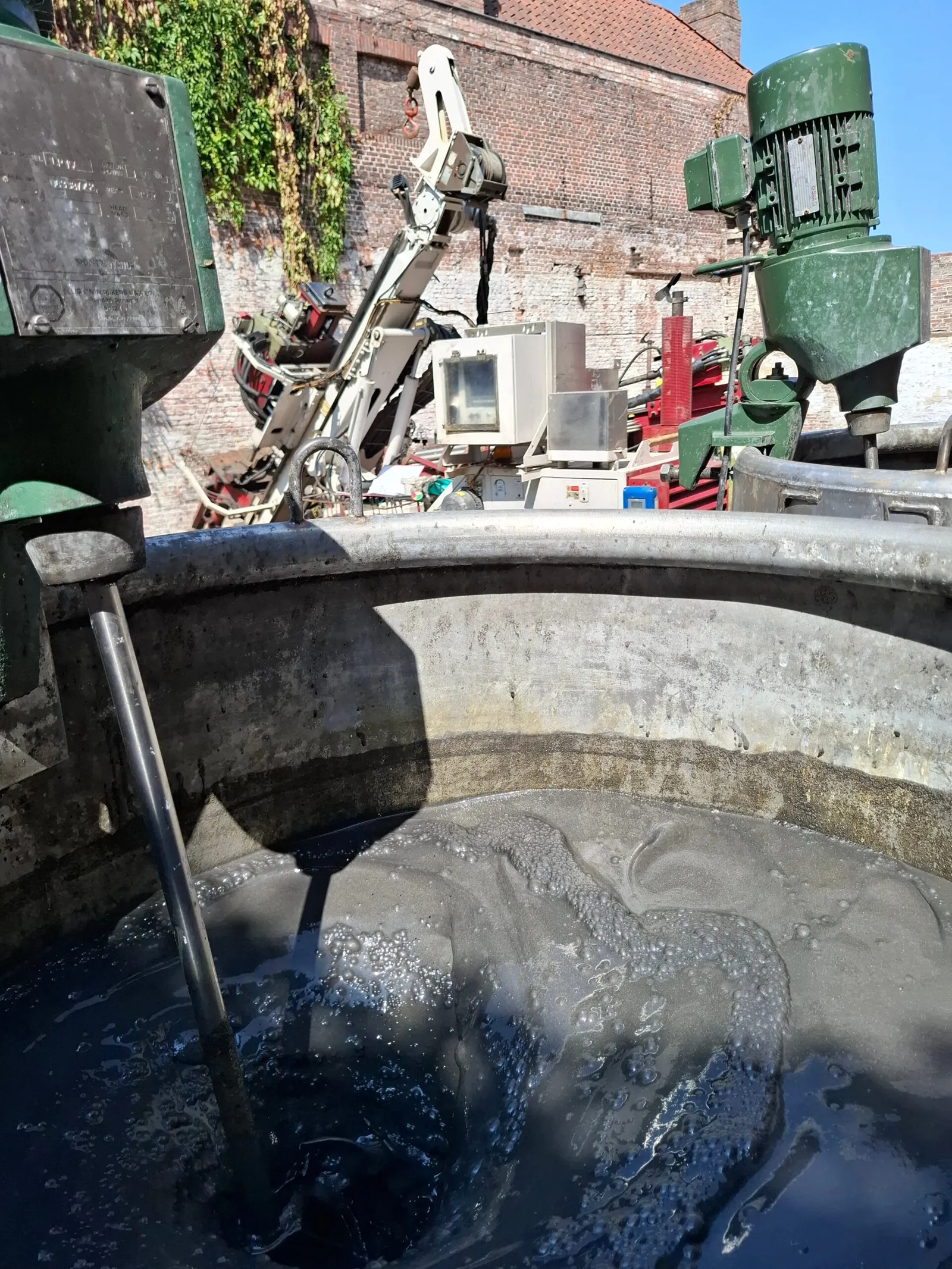
Together with the client, the certified soil remediation expert and the property developer, Ghent Dredging opted for direct injection, combining in-situ chemical reduction (ISCR) with enhanced biological degradation (EBD). “This breaks down the contamination in situ,” says Vandeghinste, “without deep excavation, groundwater abstraction or long-term extraction systems.”
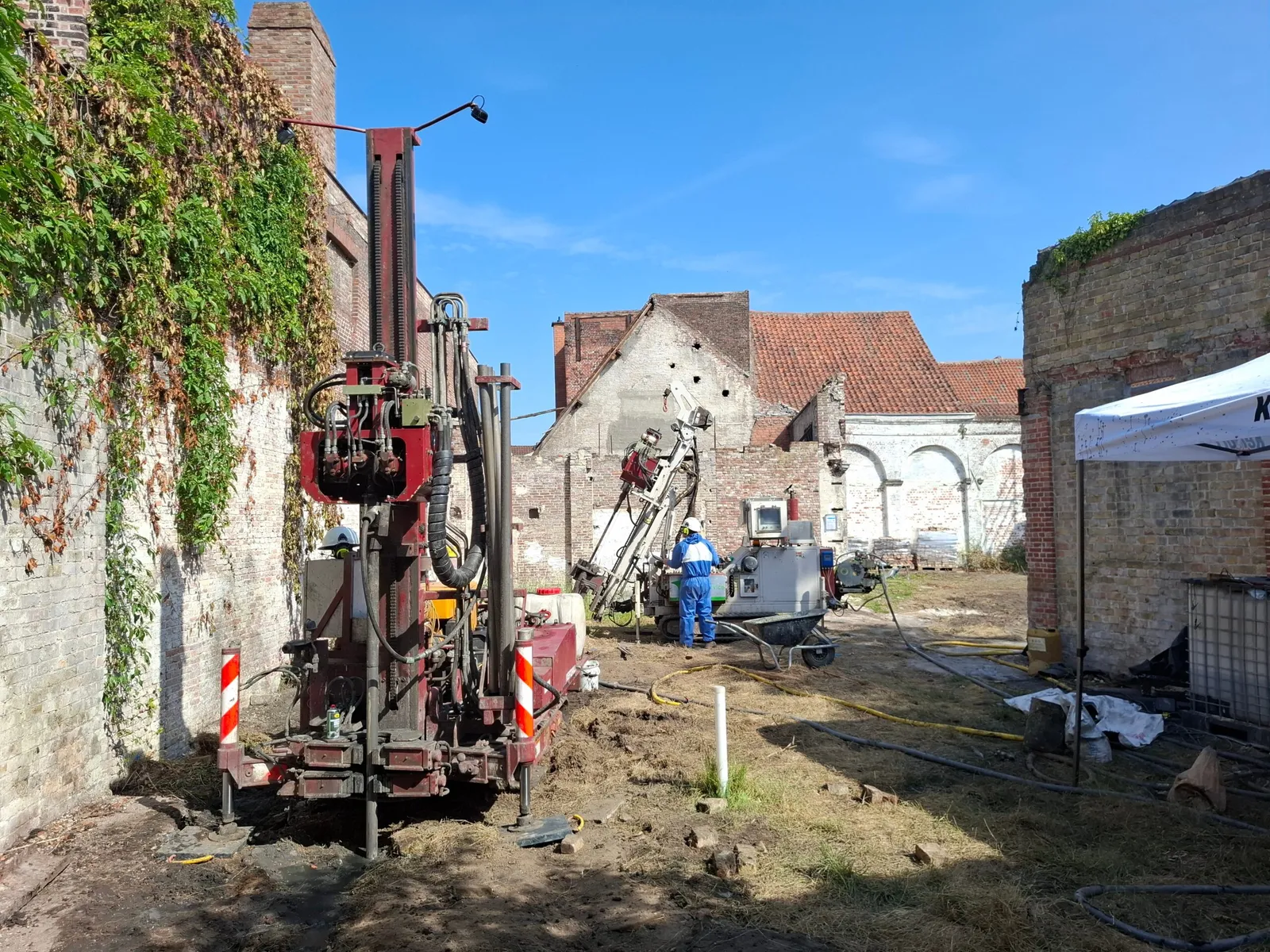
The injection mixture comprised zero-valent iron, carbon sources and carefully selected bacteria. “By combining angled and vertical injections, we fully reached the source area of the contamination beneath existing homes and future new-build homes. This was done without affecting foundations or disturbing residents. Several injection rigs ensured that the work stayed on schedule.”
An injection process requiring the utmost precision
Ghent Dredging used pulsed injections. Short bursts of pressure ensured even distribution, including in less permeable layers. “This creates a homogeneous treatment zone with full 3D coverage,” says Vandeghinste. Each injection was monitored using a PLC-controlled system, which recorded depth, pressure, flow rate and volume in real time. This allowed immediate adjustments and provided clear quality assurance. Once the soil remediation expert had completed the checks, foundation work on the new development could begin.
Sustainable solutions for increasingly complex problems
“We continue to refine this approach, drawing on our expertise to provide a sustainable response to the growing challenges of soil contamination in property development. Contamination is often found beneath hard-to-reach areas. Our techniques, thorough preliminary studies and tight organisation make remediation possible in these situations too, with minimal impact,” says Vandeghinste.
Ghent Dredging designs and sizes these soil and groundwater remediation schemes in-house, and advises on complex cases, including PFAS contamination. “Our ambition is always the same,” concludes Vandeghinste. “To provide sustainable solutions, even in the most challenging circumstances.”
Question about this story? Ask your question
Keep following this
Get an email when a new story is published. No account needed.
- ThemeExtending the life of bridges and tunnels
- SubjectGeneral







