









“Gaps remain in quality assurance for natural stone”
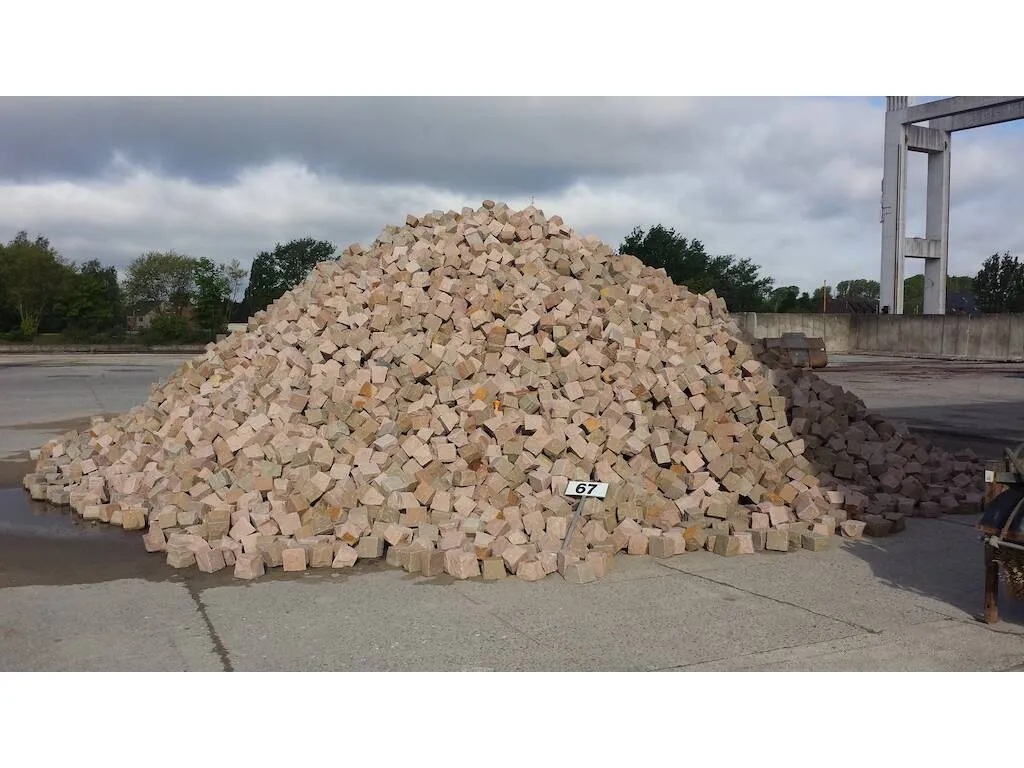
Cracks, oxidation stains, stone processing … like all other materials, natural stone products can also have defects. Quality assurance is therefore important, but this is where the problem lies. For the time being, no finished products with ATG/BENOR certification are available, the standard specifications of Belgium’s three regions each place different emphasis on requirements, and suppliers’ CE markings offer no watertight guarantee either. Some city and municipal authorities have no choice but to rely on batch inspections, while many other public clients trust that everything will turn out well. “It is high time to close the gaps in the system,” says Kris Vandenneucker, certification manager and natural stone specialist at COPRO.
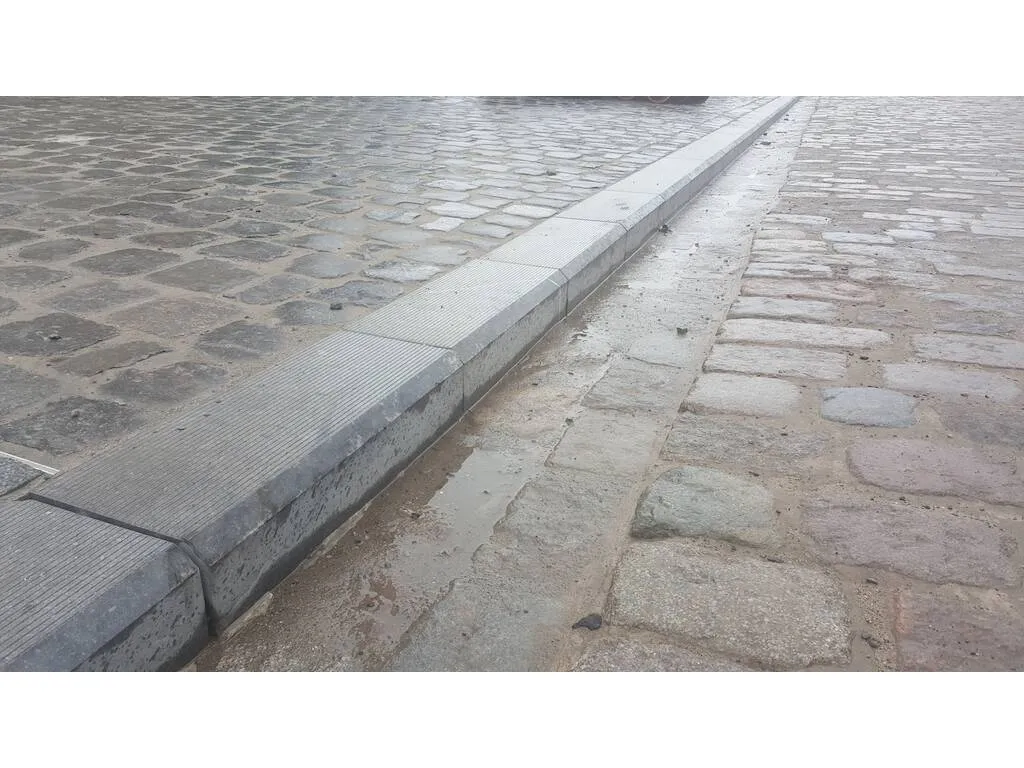
In recent years, problems have arisen with natural stone applications on several sites in Belgium (flaking in frost, poor installation due to irregular shaping, mechanical damage …). This is a consequence of inadequate quality assurance in our country, even though the law stipulates inspection on site, independent control or batch inspection of the products used. “Belgium has three standard specifications, each with a different emphasis: Standard Specification 250 in Flanders requires BENOR certification or equivalent, TB 2015 in Brussels accepts BENOR certification, and Qualiroutes in Wallonia provides for technical inspection of the natural stone elements before installation, at the contractor’s expense and under the supervision of SPW staff,” explains Kris Vandenneucker.
Another problem is that there are currently (still) no certified finished products available. “Some suppliers do hold an ATG certificate for blocks and slabs, but this only covers semi-finished products. What stone processors then do with them is not regulated. And because many finished products come from abroad and from outside Europe, it is very difficult to regulate these flows of goods. This is obviously not ideal in terms of quality management and traceability. Natural stone also has a CE marking, at level 4 (that is, a declaration by the manufacturer itself, with no involvement from an independent third party).”
No unnecessary luxury
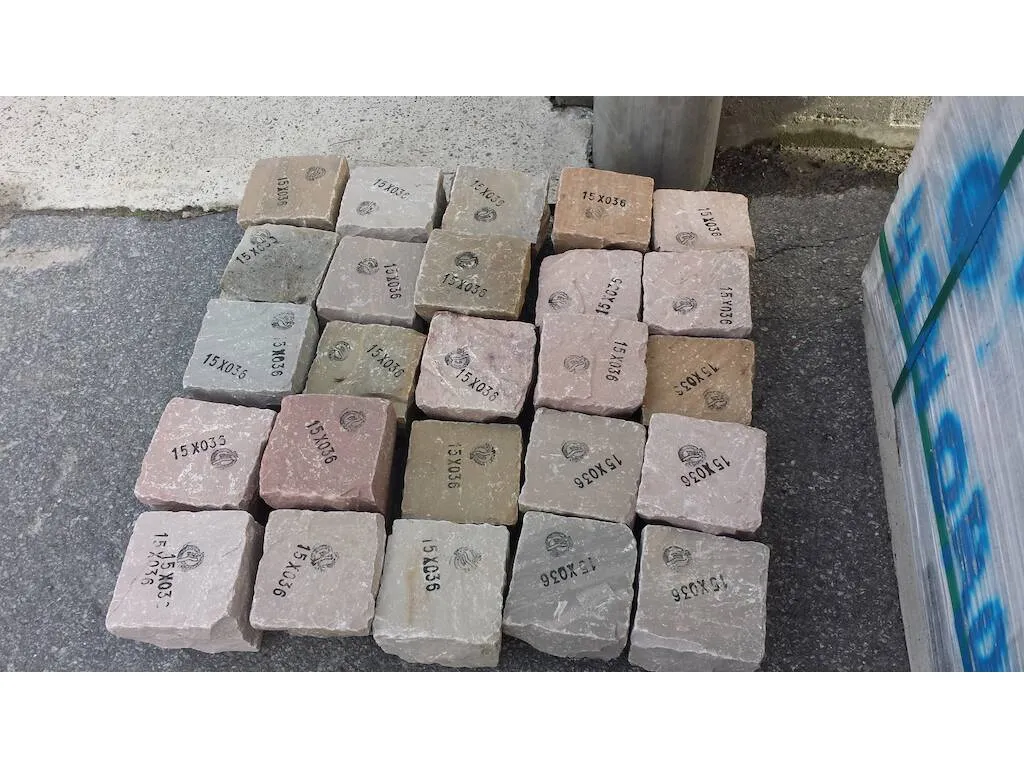
In short, each region has its own specifications with specific requirements, and there are (still) no certified finished products on the market. This is why some city and municipal authorities resort to batch inspections to check the quality of natural stone products. “Ghent, Kortrijk and Antwerp swear by batch inspections and apply the procedure consistently. This provides good quality assurance, but many other cities and municipalities do not use it and are often satisfied with good experiences from the past,” says Kris Vandenneucker. “This is regrettable but not surprising, because batch inspections take a relatively long time and of course involve additional costs, making them a major stumbling block, particularly for smaller authorities.” “Another problem with batch inspections is that specifications often set requirements copied from the results of a supplier’s laboratory report (average compressive strength, water absorption …). Providing only average figures leaves uncertainty about the characteristics of the products concerned. Yet authorities can use the three available PTVs as a basis: 819-1 (tiles), 819-2 (setts) and 819-3 (kerbs). These specify criteria such as the minimum expected flexural strength and maximum expected water absorption. An important distinction!”
For consultation within the sector
In short, there is still a great deal of work to be done. Batch inspections can help, but making this costly and time-consuming procedure standard practice should not be the end goal, says Kris Vandenneucker. The fact remains that the costs of poor quality can be very, very high and are entirely disproportionate to the costs of inspections. Other solutions need to be explored. To improve quality assurance, the various public authorities, at least at regional level, should agree on a comparable approach and discuss it with the different stakeholders in the sector: the various federations representing the sector’s producers and stone processors, who can differ considerably and work with intermediaries in different parts of the world, as well as independent third parties and experts. Only then will it be possible to raise the level of quality assurance for this product, which has a bright future. This is particularly important in light of the trend towards the redevelopment of city centres. In this context, the added value of ATG/BENOR certification could be very useful, especially when it comes to installing the product, which is of course an essential factor in determining the final quality of a project. “Reliability and quality are, and will remain, decisive criteria,” says Kris Vandenneucker.
Batch inspection
A batch inspection is a one-off check by an independent body (such as COPRO) of a specific, clearly defined quantity of finished products (a batch). The products are subjected to a series of tests and, if the results meet the relevant requirements, a batch inspection certificate is issued. In Flanders, Standard Specification 250 lists the products that must undergo batch inspections (see table 3-0-1). In the Brussels-Capital Region and the Walloon Region, the rules for any batch inspections are set out in the tender documents (additional articles in the standard specification, special clauses …). Batch inspection requests are made by the supplier or the contractor. Inspections can take place at the supplier’s premises or on site. The cost of a batch inspection is included in the tender price and may not result in additional costs for the client.
ATG/BENOR certificate
ATG relates to the intrinsic properties and qualities of the natural stone material (compressive strength, abrasion resistance, frost resistance …), while BENOR applies to the finished product and therefore also guarantees high-quality processing. “A combination of the two is always recommended,” stresses Kris Vandenneucker. “Good natural stone material does not guarantee a good finished product. Traceability of the raw materials and processing is a crucial consideration here.” In time, it could also be considered to focus certification more on how the products are installed.
Question about this story? Ask your question
Companies in this story

Keep following this
Get an email when a new story is published. No account needed.
- ThemeMaterials with a lower environmental impact
- SubjectGeneral
- CompanyCopro







