









Fluvius electricity grid goes underground: biggest upgrade in Diksmuide
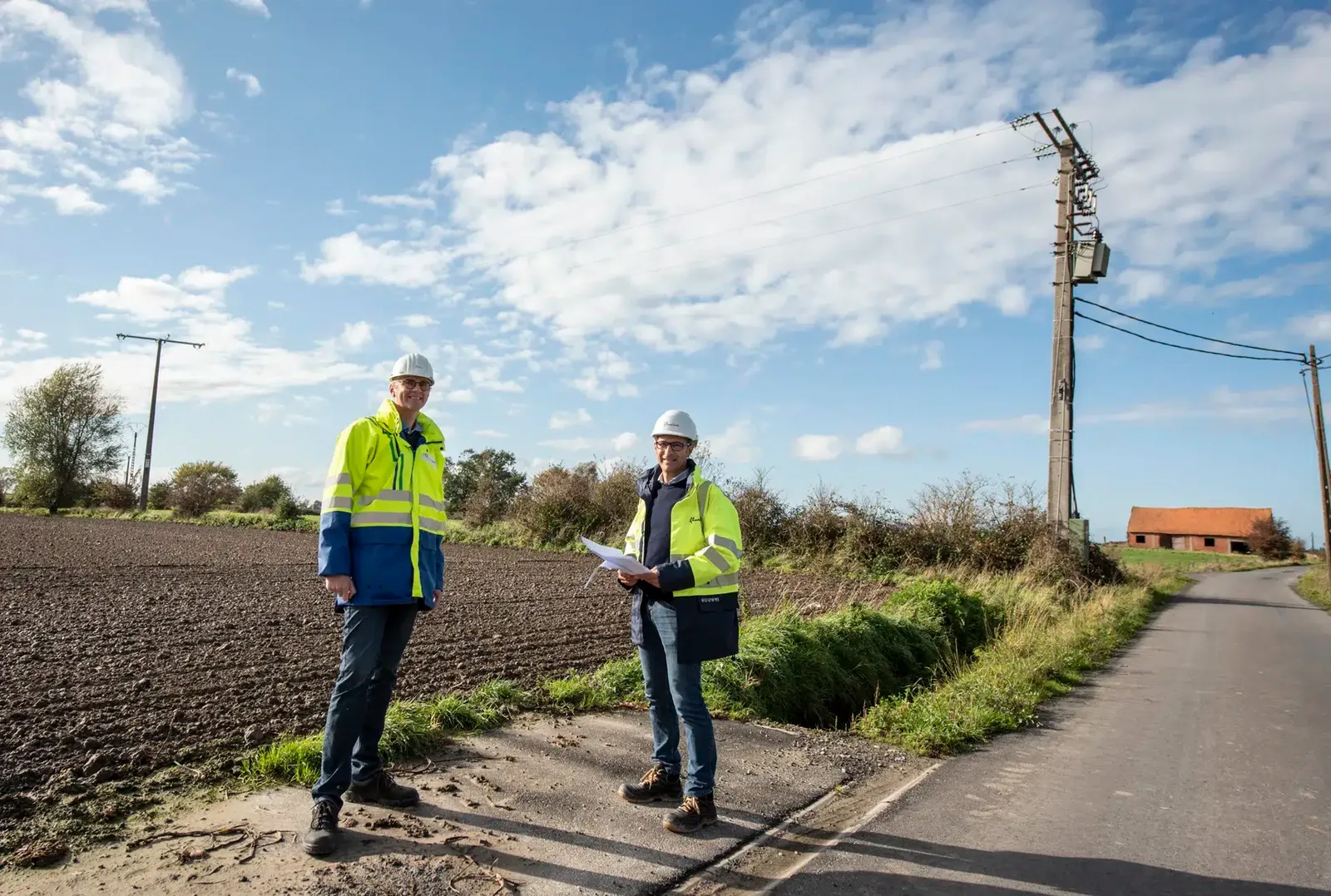
Over the past 2 years, grid operator Fluvius has moved 35 km of medium-voltage lines underground, almost 20 kilometres of them in Diksmuide. This marks a major step forward in a long-running project to make all these overhead electricity networks less vulnerable and ensure their reliability. Today, 99.76% of the 46,885 kilometres of medium-voltage network is already underground.
The advantages of underground networks
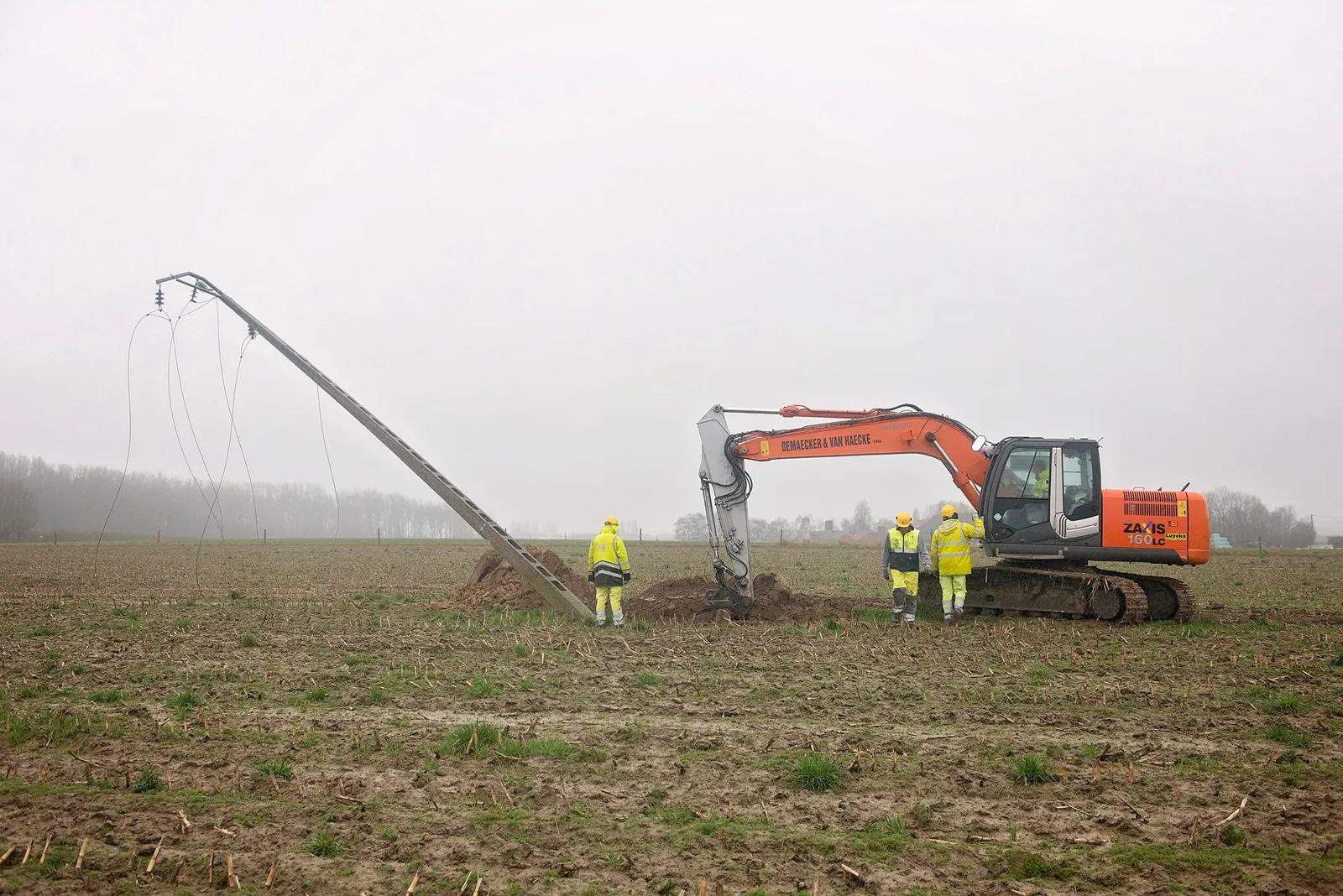
Fluvius’s medium-voltage network is a vital backbone of electricity supply to households and businesses in Flanders. Faults or failures on medium-voltage lines have a major impact on hundreds of households. But when the lines are underground, they are less exposed to severe weather and therefore much more reliable. Safety is also a factor: if a cherry picker or crane comes too close, an electrical arc can occur along an overhead medium-voltage line. That is why Fluvius has been gradually moving them underground for years.
All of Flanders’ medium-voltage lines are now underground, except for 111 kilometres, or 0.24% of the total. The final stretches are in Flanders’ two outlying areas: the Westhoek and the Voerstreek. To be clear, it does not always make sense to move all low-voltage networks, the cables in and alongside streets, underground. Faults on these networks have a much smaller impact, and the networks can be switched over and repaired more easily. Around a quarter of all Fluvius’s low-voltage networks in Flanders are currently overhead.
Diksmuide leads the way, but progress elsewhere too
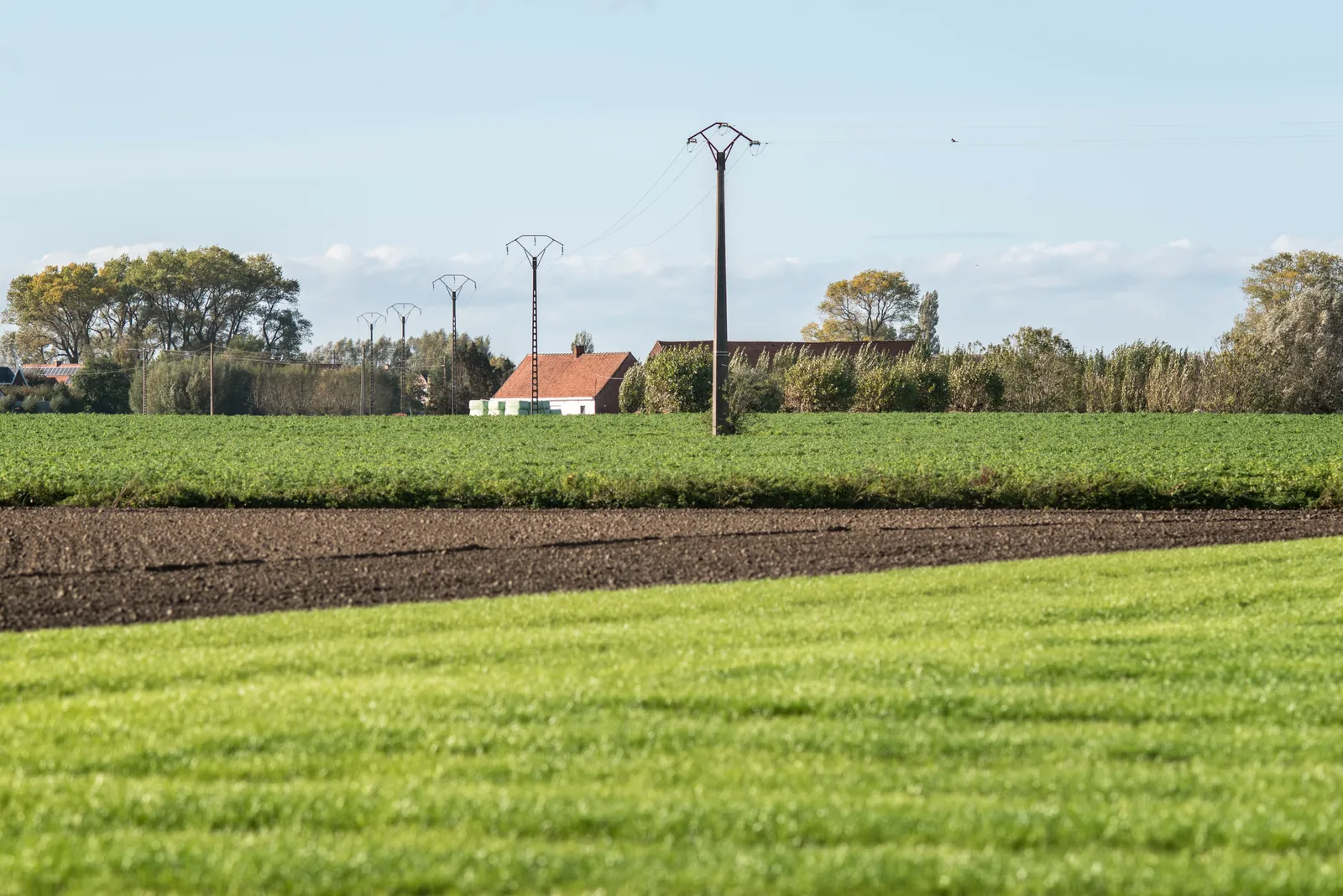
Over the past 5 years, Fluvius has moved no less than 38 kilometres of medium-voltage cables underground in Diksmuide (see map), including 20 kilometres in 2020 and 2021. But in other cities and municipalities with overhead medium-voltage lines, substantial sections of the network have also been moved underground over the past 2 years, including in Voeren (4.2 km), Middelkerke (2.1 km) and Hooglede (1.2 km).
‘We are delighted to have achieved these excellent results together with Fluvius,’ says Lies Laridon, mayor of Diksmuide. ‘Two years ago, we were still the Flemish leader in the number of kilometres of overhead medium-voltage lines. This made us somewhat more vulnerable to storms and other severe weather, which is becoming increasingly common. In the sub-municipality of Woumen, we had even experienced faults caused by a group of birds hitting the lines. The new underground sections now offer our residents better protection, while also preparing our region for the energy transition that is now well under way. There are also fewer electricity poles in sight: around 400 have disappeared from our landscape over the past 5 years.’
Chris Ceule, head of Networks at Fluvius in the Westhoek:
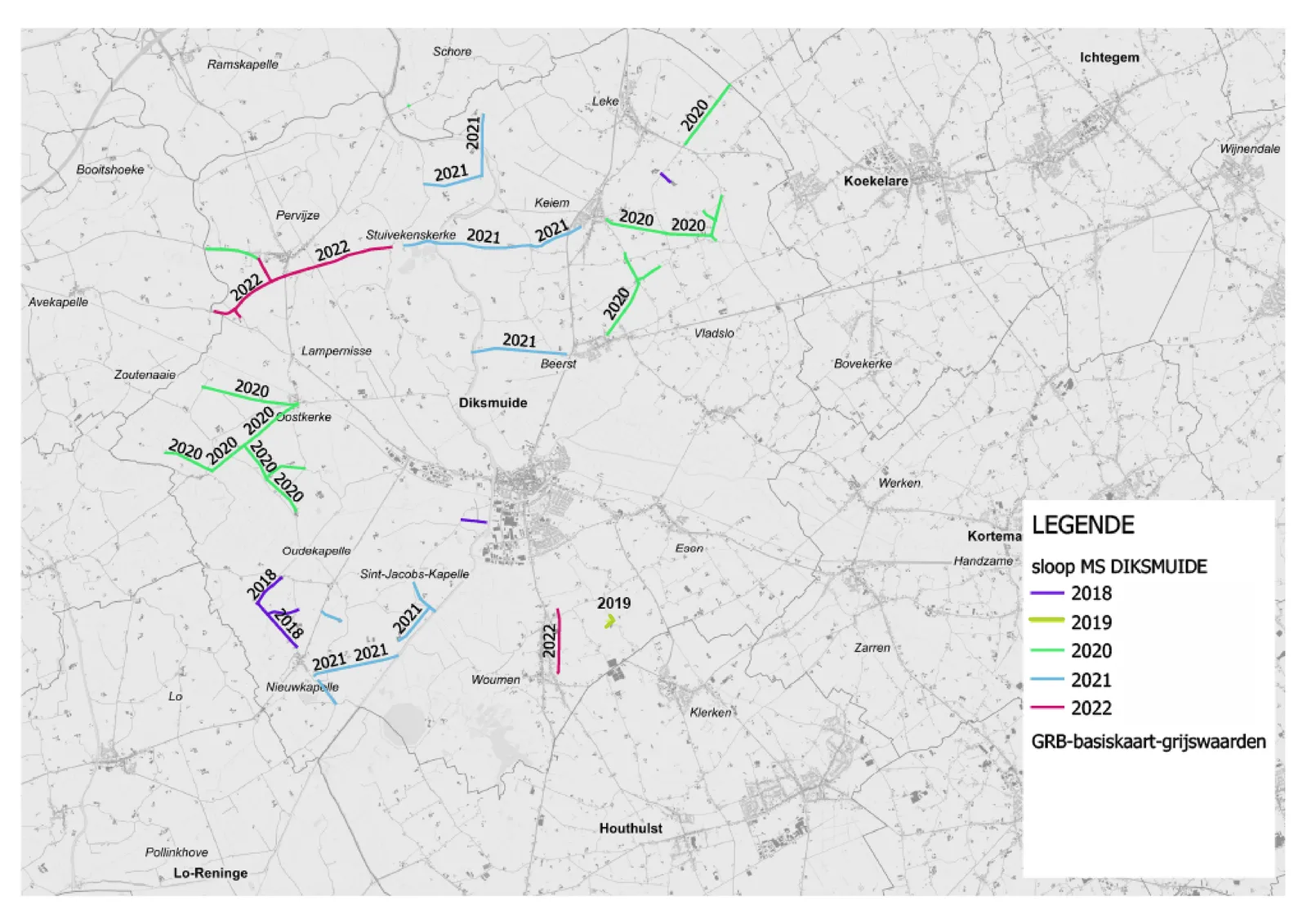
“On the coast and in the Westhoek, overhead networks are considerably more susceptible to storms and severe weather, which are becoming more frequent as a result of climate change. That is why many municipal authorities in the region, including Diksmuide, are keen to have the networks moved underground. This is a substantial investment and a long-term undertaking in any case, as many factors have to be taken into account. These include planning and building new substations to replace pole-mounted substations, and coordinating as closely as possible with other utility works in the area. But by planning ahead and thanks to the excellent cooperation with the local authorities involved, we are making good progress.”
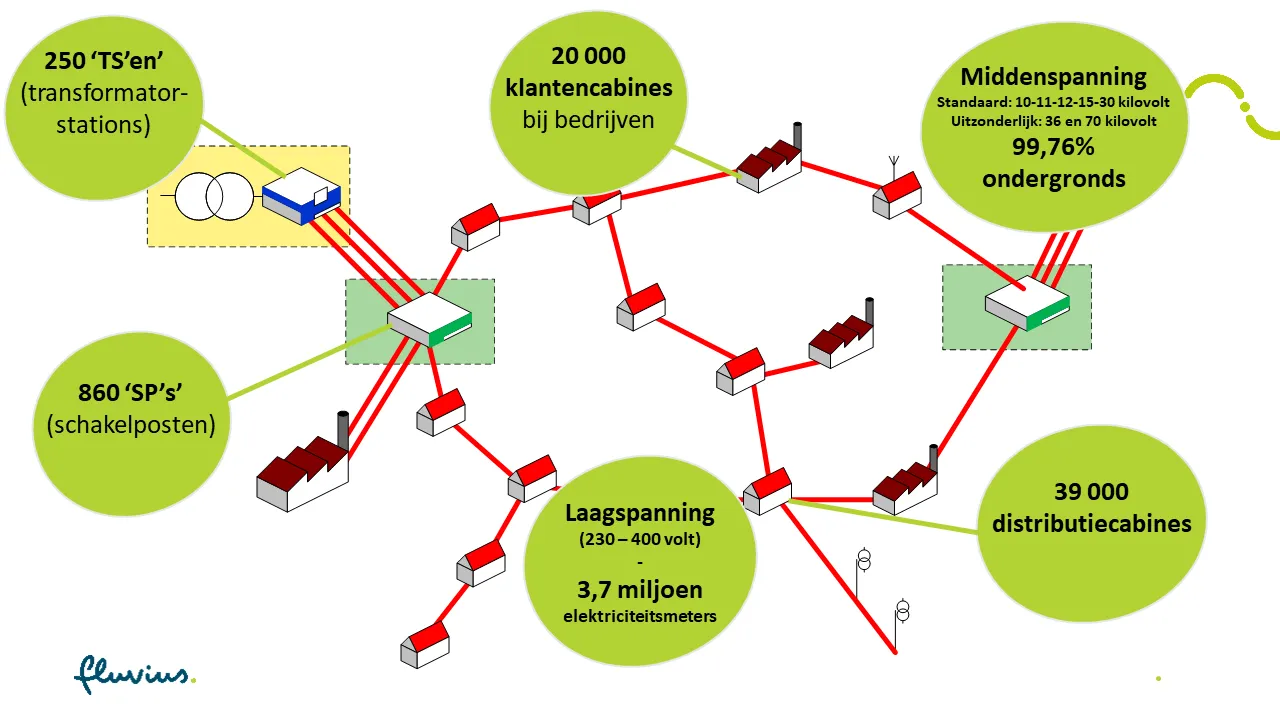
Fluvius’s electricity grid
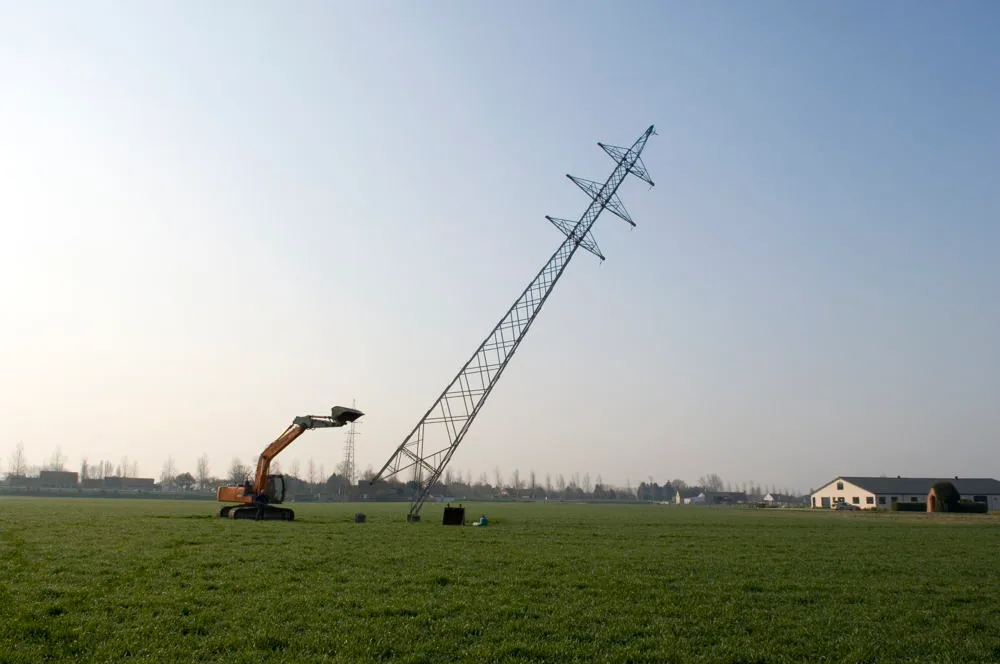
In Flanders, Fluvius manages the electricity distribution network. It comprises a 46,885-kilometre medium-voltage network, which in turn supplies the 87,000-kilometre low-voltage network, reaching every household in Flanders. Depending on the situation, the medium-voltage network operates at 5 different voltage levels: 10, 11, 12, 15 and 30 kilovolts. In very exceptional cases, for historical reasons, Fluvius’s network also includes sections of 36 or 70 kilovolt high-voltage lines.
Question about this story? Ask your question
Keep following this
Get an email when a new story is published. No account needed.
- ThemeUsing and protecting the subsurface
- SubjectGeneral







