









De Watergroep accelerates efforts to become energy-neutral by 2030
Text and images De Watergroep
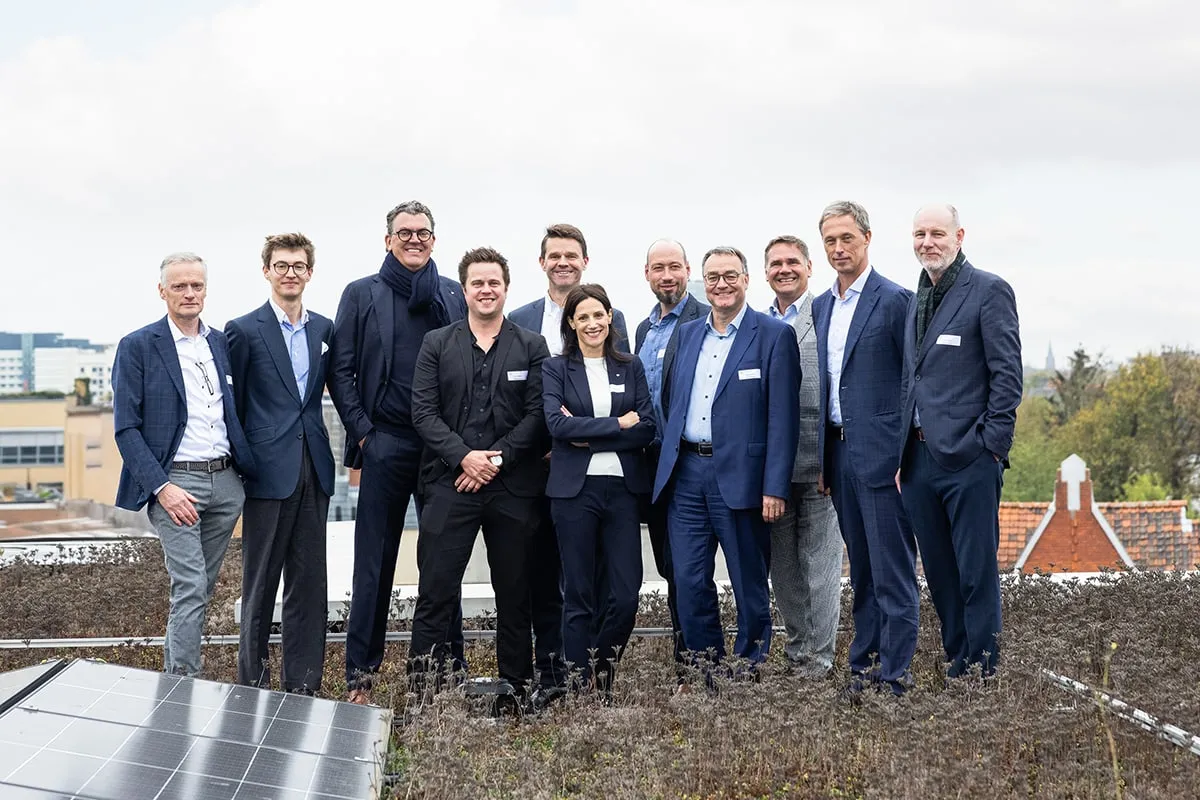
De Watergroep aims to become an energy-neutral company by 2030. By then, the water company wants to produce as much green energy at its own sites as it consumes. De Watergroep is exploring sustainable technologies such as solar parks and wind turbines. To meet its energy-neutrality targets, De Watergroep has appointed the consortium BESIX Group, Perpetum Energy, Rebel Development to generate around 92 gigawatt-hours by 2030. This is equivalent to the consumption of 27,000 Flemish households and will reduce CO2 emissions by 76.2%.
The consortium BESIX Group, Perpetum Energy, Rebel Development is tasked with developing, building, financing and maintaining renewable energy installations at De Watergroep sites. De Watergroep will then purchase from the consortium an amount of green energy equivalent to its total annual electricity consumption under a 25-year Power Purchase Agreement. The renewable electricity will come directly from installations on De Watergroep land. The contract award was based not only on budget, but also took into account added value in terms of stakeholder participation, citizen financing, sustainability, nature enhancement, innovation and integration into the electricity grid. Most of the investment costs will be financed through crowdfunding and crowdlending, making this one of the largest crowdfunding campaigns in Europe.
“We want to build sufficient support among all the parties involved. Alongside environmental considerations such as nature conservation and biodiversity, local residents, nature and other associations, and other stakeholders are also actively involved. By listening to the concerns of the local community, we aim to take any local concerns into account as fully as possible during the design phase,” says Ortwin Deroo, Business Development Manager at De Watergroep.
Nature-inclusive
The renewable energy technologies to be used will comprise a mix of wind turbines, floating and ground-mounted solar panels, and energy storage solutions such as batteries. De Watergroep owns 1,200 hectares of land and 4 large water storage basins, where the installations will be built. The installations will be ‘nature-inclusive’, meaning that they will also feature wildflower meadows enhanced with small landscape features such as brushwood banks, amphibian ponds and nesting sites. For example, if floating solar parks are built on the water storage basins, islands for nesting birds will also be created.
Applications for permits for the renewable energy installations are expected to be submitted in 2025. According to the schedule, the first installations will be operational and supplying green electricity to De Watergroep in 2026. The aim is to complete the full rollout of renewable energy installations by 2030.
Question about this story? Ask your question
Keep following this
Get an email when a new story is published. No account needed.
- SubjectGeneral







