









Waterproofing technologies are essential for sustainable water management
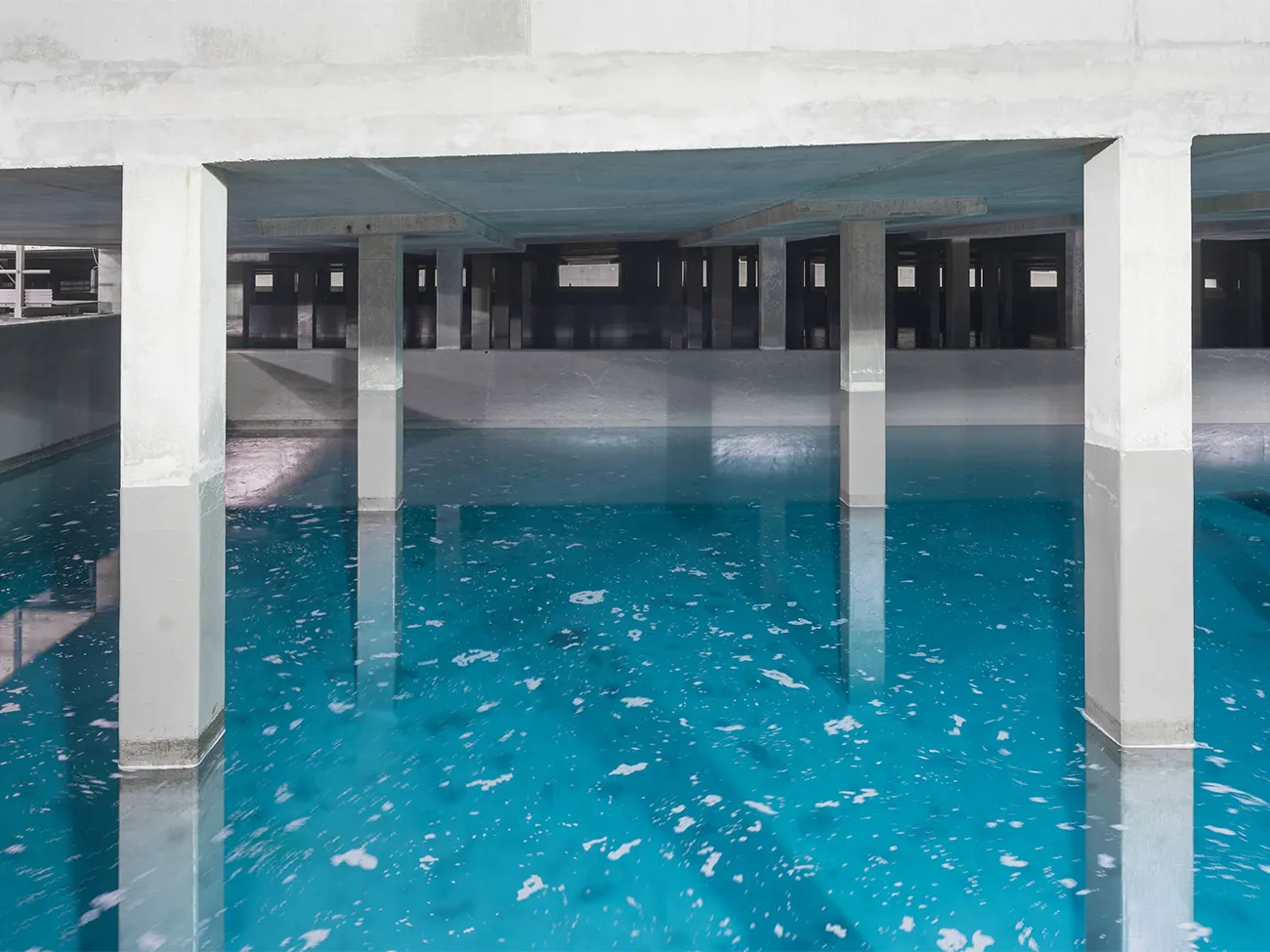
Water may seem like a very simple substance, but it is not. Most people working in the water sector are aware of this and face the challenges of sustainable water management every day.
Water storage, and efficient water storage in particular, has been a priority since the dawn of humankind. What are the challenges involved in water storage, and how can water be managed sustainably?
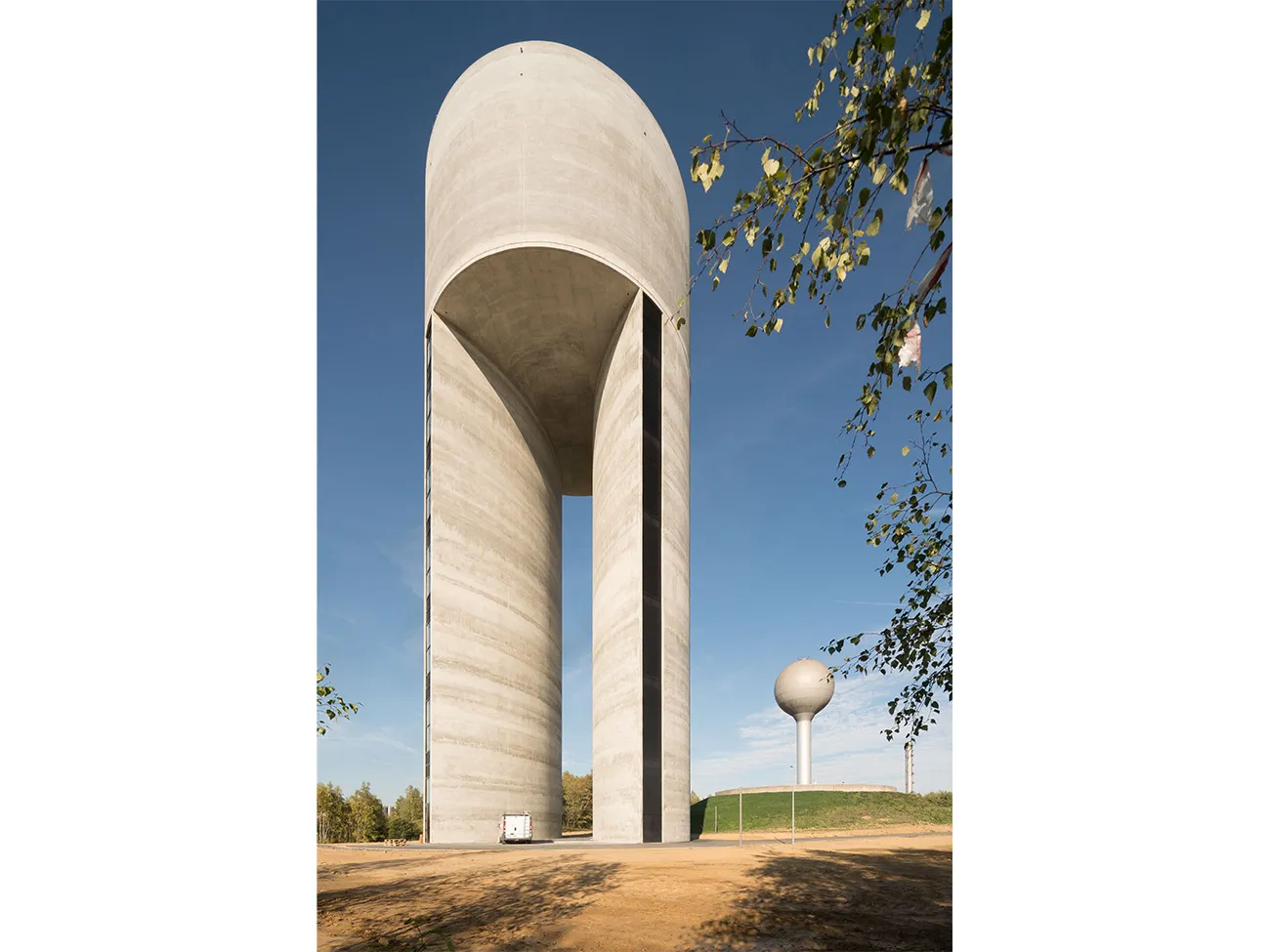
Water reservoirs serve several purposes. They can be used to store drinking water and industrial wastewater, and for water treatment … For economic reasons, these reservoirs are made of concrete.
Environmental factors
It is very important to bear in mind that water is a highly sensitive resource that can be affected by negative environmental factors such as bacteria, viruses, algae, changes in pH, and the build-up of minerals and gases. Contamination can be caused by various factors, including pipes, reservoir construction materials, and the seepage of minerals and gases. A well-designed water reservoir will specifically address and limit these negative effects. In addition, a water quality monitoring procedure should be established at an early stage, along with a regular maintenance plan, to prevent the growth of algae, bacteria and viruses. This is particularly important for reservoirs containing drinking water.
Several key factors must be controlled to ensure the efficiency of any water storage system:
- Moisture: as the concrete structure of a water reservoir is always in contact with water, it remains permanently damp. In combination with oxygen, this creates ideal conditions for corrosion of the internal reinforcing bars. This phenomenon is extremely dangerous and must be prevented, as it compromises the integrity of the storage tank.
- Wear of the reservoir surface due to chemical attack: in some cases, the water may have an acidic pH, causing chemical attack on the concrete surface. In other cases, the pH may be soft, which can also damage the concrete. This phenomenon may be further exacerbated by the movement of water in the reservoir.
- Cracks in the reservoir: in concrete basins, cracks are usually caused by hydraulic shrinkage or structural defects. Water can only be stored in the reservoir if any cracks that may occur are bridged by a membrane that waterproofs the reservoir and is flexible enough to maintain its integrity.
- Water quality: water quality is particularly important when storing drinking water. The design and all materials applied to the reservoir surface must therefore meet specific requirements, which may vary from country to country.
Sustainable water management
As the above makes clear, storing water in a reservoir is a challenge. How can these challenges be addressed to ensure sustainable water storage? Protecting and waterproofing the concrete structure is crucial. Various technologies are available for this purpose, including cementitious membranes, epoxy coatings, polyurea membranes (PUA) and a membrane based on Xolutec technology.
Cementitious membranes
Cementitious coatings have been used to protect concrete for many years. They are the oldest technology on the market and can be divided into two categories: flexible coatings with polymer additives and rigid coatings. Both consist of cement, sand and various additives, with polymers also included in flexible coatings.
Epoxy coatings
Epoxy coatings are widely available and were introduced many years ago. They come in two versions: systems without mesh, the simplest option, often comprising a single primer coat to ensure adhesion to the concrete and two coats of epoxy coating. The second version consists of systems with mesh. These systems incorporate a mesh in the first coat to distribute stresses caused by cracks opening in the substrate and prevent them from reflecting through the coating.
Polyurea membranes (PUA)
PUA coatings came onto the market a few years after cementitious and epoxy coatings. The application process involves spraying the material while hot, so it dries in just a few seconds. Once dry, polyurea membranes provide excellent crack-bridging properties without mesh.
Membrane based on Xolutec technology
Xolutec™ is the latest technology on the market and is the result of several years of development work aimed at finding a solution to concrete problems in challenging environments such as wastewater treatment plants. Optimising the intermolecular interaction between the resin-forming building blocks creates an improved XPN (cross-linked polymer network) with unique properties for a range of applications. The key benefits for users include lower total costs of ownership thanks to longer maintenance intervals and extended service life, long-term aesthetic appeal and improved durability.
It is essential to ensure that the technology and solution used meet the requirements of the site, taking into account the specific circumstances (reservoir structure, concrete quality, surface quality, new build or refurbishment, etc.). Drinking water storage requires extra care and is strictly subject to national standards that commercial products must meet to be approved.
Question about this story? Ask your question
Keep following this
Get an email when a new story is published. No account needed.
- SubjectConcrete







