









A win-win situation for the transport and processing of bentonite slurry
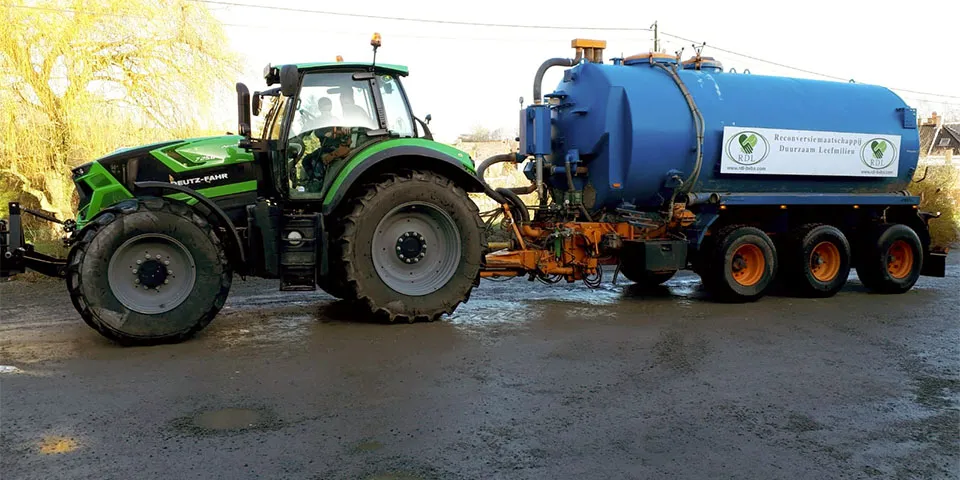
Since 1 April 2019, the use of bentonite slurry from directional drilling has been covered by the soil movement regulations under VLAREBO (Flemish Soil Remediation Regulations). This brings with it a host of additional obligations. Reconversiemaatschappij Duurzaam Leefmilieu (RDL) is tackling the issue head-on, with a strong focus on fully legal and affordable processing of bentonite slurry into a soil improver.
A few years ago, RDL decided to focus on processing bentonite slurry. Peter Hendrikx, director of operations at RDL: “My brother (CEO Ronny Hendrikx, ed.) worked in the infrastructure sector. When he was inspected on a site, he was asked what he did with the bentonite slurry. As bentonite slurry was still classified as waste at the time, we stored it, analysed it and, once it had been cleared, sent it to the agricultural sector. That was acceptable, partly because there was no clear legislation. But it set things in motion, and we began developing a process for treating bentonite legally and sustainably. Constructive discussions with OVAM and Grondbank then accelerated the whole process.”
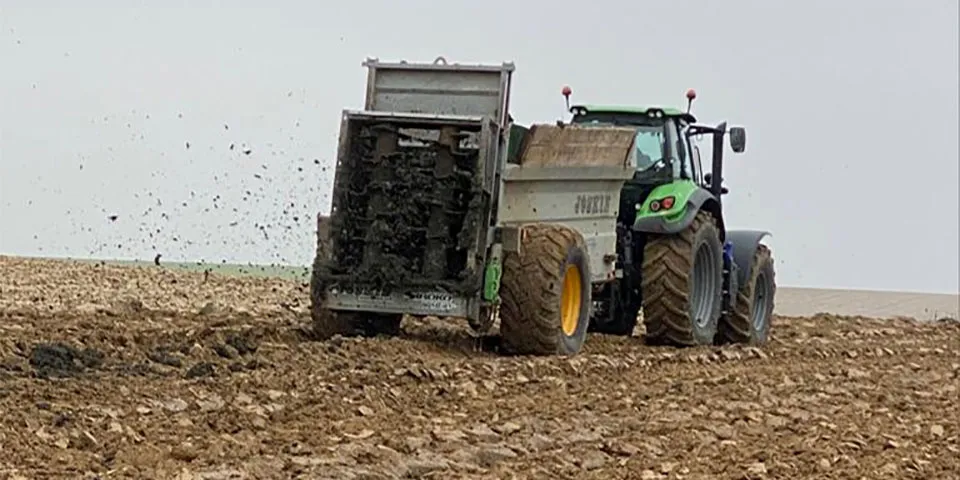
RDL’s ultimate aim is to develop a soil improver for agriculture, giving recycled bentonite a useful second life.
Soil movement regulations
While the project was still in development, RDL was informed that the processing of bentonite slurry had been transferred from VLAREMA (Flemish Environmental Permit Regulations) to VLAREBO. “We had of course not realised that bentonite slurry would come under the soil movement regulations. This changed a great deal, as bentonite must now be treated, processed and disposed of in accordance with the law. Since it came under the soil movement regulations, full traceability must be demonstrated, notification is mandatory and the material must be analysed. Transport must also meet a number of requirements. A technical report is then prepared, which ultimately leads to a soil management report.”
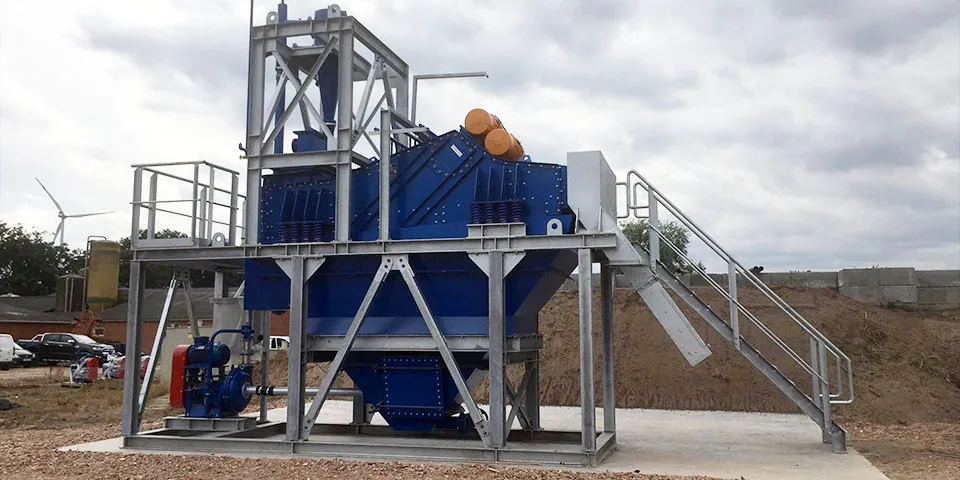
Reconversiemaatschappij Duurzaam Leefmilieu (RDL) is tackling the issue head-on, with a strong focus on fully legal and affordable processing of bentonite slurry into a soil improver.
More inspections
For RDL, this change was not necessarily a bad thing. “That’s right, but a serious lack of knowledge about the new regulations means that a lot of bentonite slurry is still being handled illegally, exposing drilling contractors to hefty penalties,” says Peter Hendrikx. “We keep up with the new regulations and apply them strictly. When a drilling company contacts us to handle a site, we take care of all the paperwork, right through to providing the required soil management report.”
Clear analysis method
“Previously, the analysis method was not sufficient to obtain a technical data sheet,” Peter Hendrikx continues. “In consultation with the parties involved, namely soil management organisations and accredited laboratories, it was recommended that the drilling slurry first be desanded and the remaining water-based fraction, containing bentonite, then be pressed. The pressed material can then be analysed as soil. Following the advice of the bodies involved, including VITO (Flemish independent research organisation, ed.), RDL continues to optimise the analysis process. We want to further pursue the aim expressed in our name, namely working towards a sustainable living environment.”
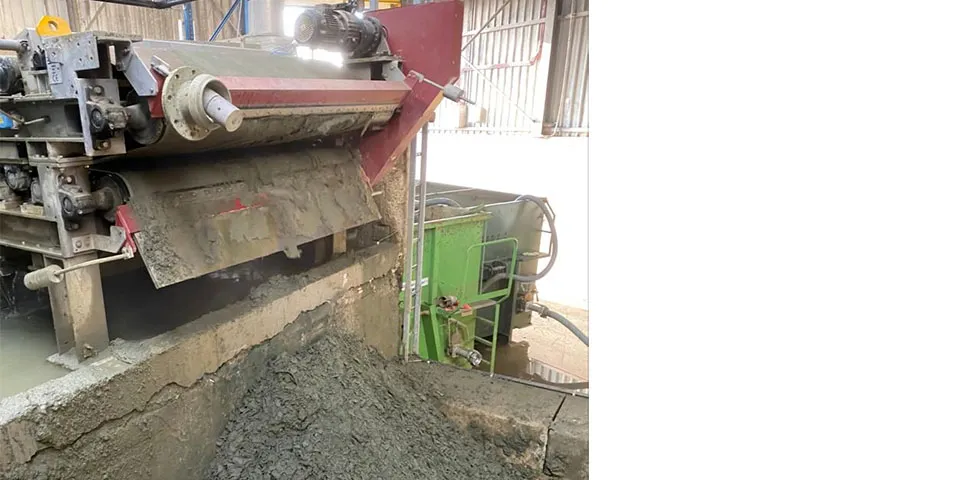
Since 1 April 2019, the use of bentonite slurry from directional drilling has been covered by the soil movement regulations under VLAREBO. (Image: RDL)
Soil improver
RDL’s ultimate aim is to develop a soil improver for agriculture, giving recycled bentonite a useful second life. “It is a well-known and sought-after product among arable farmers, particularly in sandy regions where the soil retains little water. Trials conducted by PCA (Praktijkcentrum Aardappelen in Kruisem) have already shown a particularly favourable effect and added value for potato cultivation. Various trials are currently under way in collaboration with the Bodenkundige Dienst and Praktijkcentrum Fruit in Sint-Truiden to assess the effect of our end product on the cultivation of top and soft fruit. The initial tests are promising,” concludes Peter Hendrikx.
Question about this story? Ask your question
Companies in this story

Keep following this
Get an email when a new story is published. No account needed.
- SubjectConcrete
- CompanyOVAM







