









Bitumen supplier contributes to the circular economy of road construction
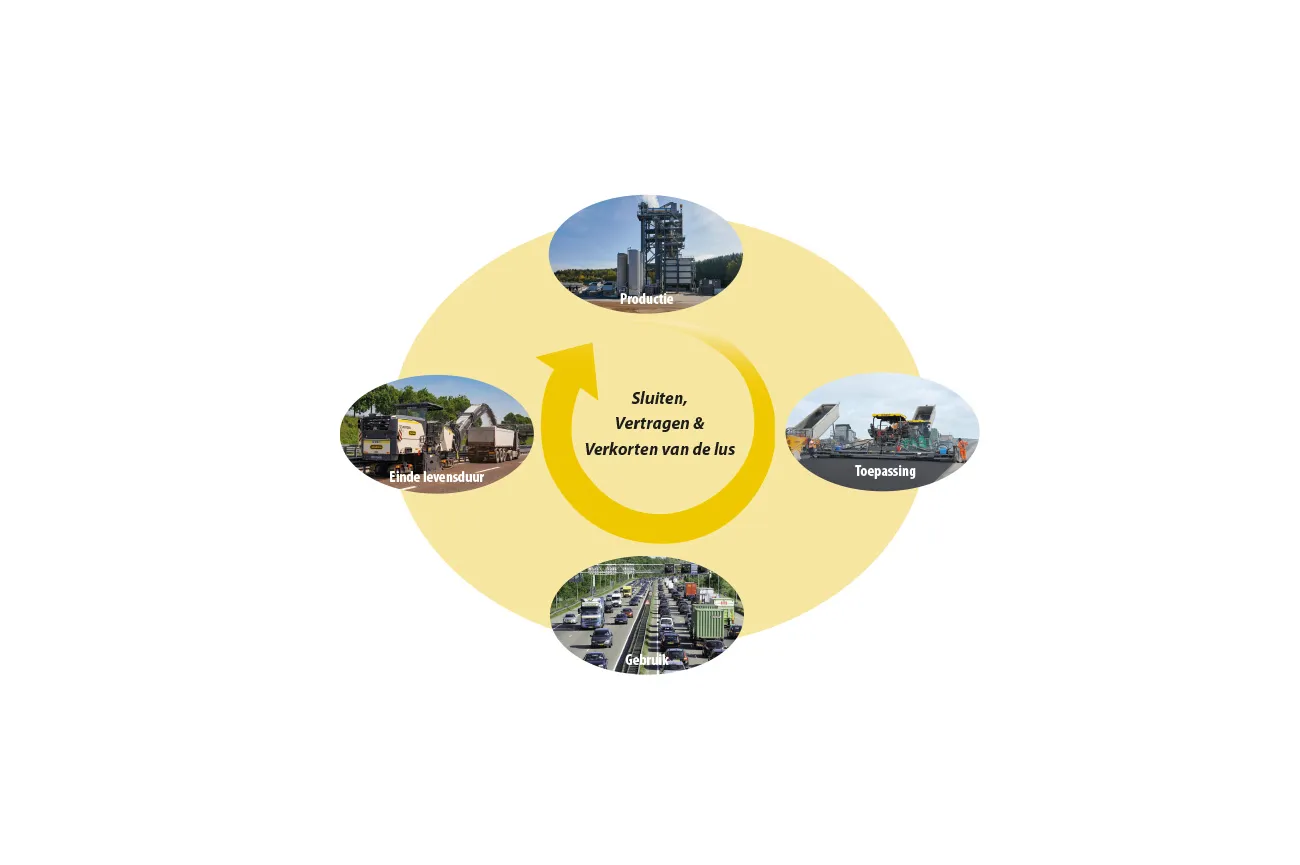
The road construction sector has a responsibility to contribute to a more sustainable future, not only by building more durable roads with a smaller carbon footprint, but also by adapting its operations to reduce environmental impact and improve energy efficiency. Shell Bitumen is a major player in road construction. It is committed to developing solutions that make road construction more sustainable and environmentally friendly.
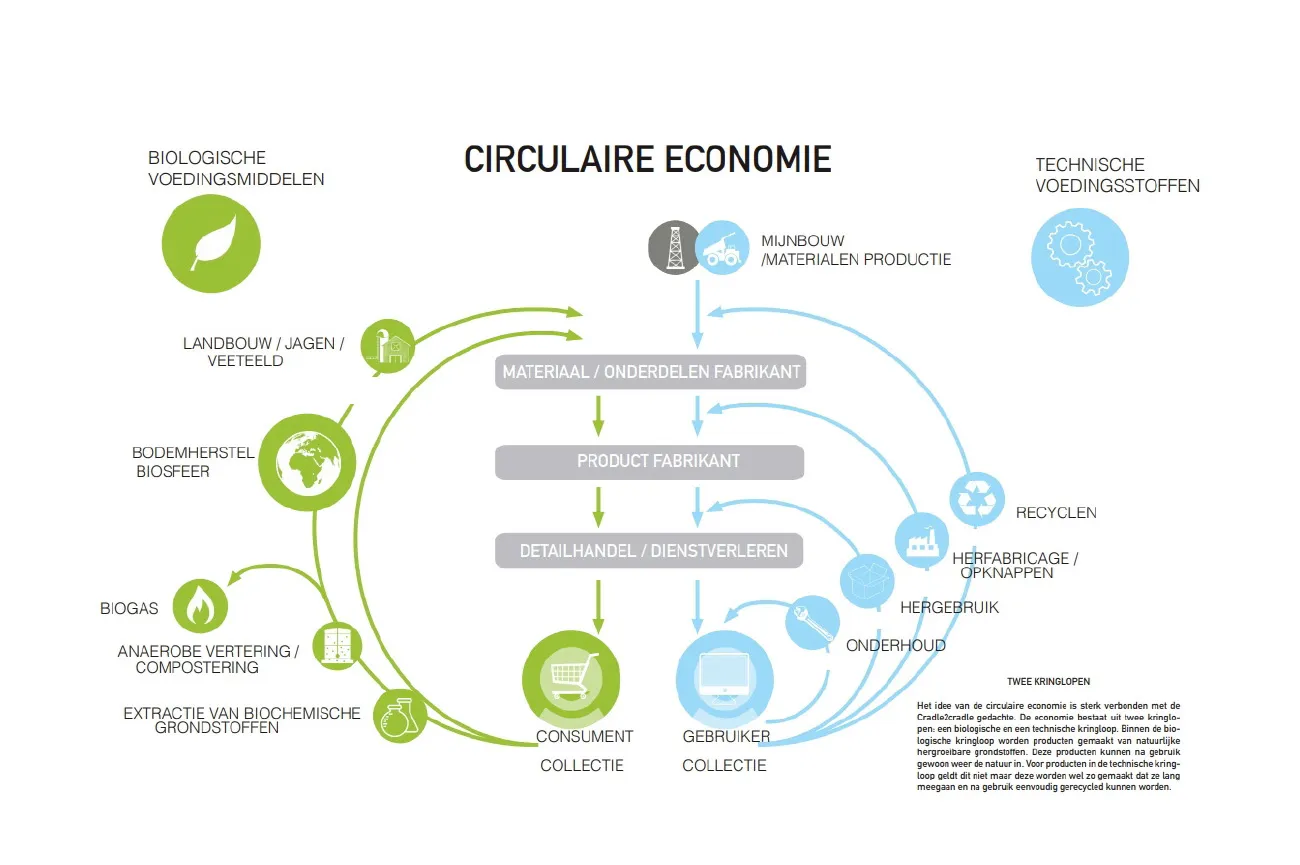
The energy transition is being driven by the adoption of better circular production and management models, which limit the consumption of raw materials and minimise resource wastage and waste generation.
- The principles of the circular economy have long been an integral part of the road construction industry.
- Waste and end-of-life products have mainly been reused by recycling old roads and partially replacing new materials with reclaimed asphalt.
- A road’s service life can be extended by optimising asphalt mixes and using polymer-modified bitumen. This makes it possible to produce asphalt that is more durable over time and performs better.
- Resource management can be improved through binders and low-temperature asphalt, which help reduce energy consumption.
- Low-temperature solutions in road production, together with the use of less polluting fuels in the production process and for transporting materials, can also help reduce the CO2 emissions associated with asphalt production.
By helping to amplify the positive impact of these activities, Shell bitumen can help close or shorten value loops, while also offering specific solutions to the various challenges of the circular economy.
Extending a road’s service life
Shell Cariphalte polymer-modified bitumen (PMB) has been helping to produce asphalt that is more resistant to climatic variations and heavier road use for over 50 years. It has been used in road, airport and racetrack projects, including Heathrow in London, Schiphol in Amsterdam, and Silverstone, Zolder and Zandvoort, earning a worldwide track record.
To go a step further, Shell Bitumen is currently developing a new generation of PMBs at its R&D laboratory in Bangalore (India): Shell Cariphalte AgeSafe. This product slows the natural oxidation process of asphalt even further, extending the service life of roads. Cariphalte AgeSafe is currently being tested in the United Kingdom and Asia.
Higher proportion of reclaimed asphalt
Using specific mix designs developed at the technical centre in Illkirch, near Strasbourg (France), Shell Bitumen aims to offer customers bitumen formulated to allow a higher proportion of reclaimed asphalt to be used without affecting technical performance, while still meeting the technical requirements set out in specifications.
Minimising environmental impact
Shell Bitumen is currently developing a bitumen with a reduced carbon footprint, which can lock biogenic carbon into the road and prevent it from entering the atmos-
phere.
Shell Bitumen is also committed to reducing the impact of the road construction industry on air quality. In 2019, for example, it launched Shell Bitumen FreshAir, a bitumen that can reduce emissions associated with air quality (NOx, SOx, VOCs, CO, PM) by an average of 40% compared with conventional bitumen.
Reusing waste from other industries
Helping to clean up plastic waste is an important goal for Shell. It is a co-
founder of the Alliance to End Plastic Waste, a non-profit organisation working to end plastic waste. Shell Bitumen is currently developing a bitumen containing an ingredient derived from the chemical conversion of plastic waste, with the same properties as a low-temperature additive. Asphalt using this new technology was part of official innovation trials in 2021 under the LiveLabs project, supported by the United Kingdom’s Department for Transport: three roads were constructed to monitor and evaluate performance.
Shell is committed to helping its customers reduce their carbon footprint, not only through innovative bitumen solutions that can help reduce the environmental impact of asphalt, but also by providing broader support for their strategies to achieve a carbon-neutral economy. Achieving this requires action on several fronts at once, innovation, and stronger collaboration between all players in road construction. By drawing on the many solutions available, Shell aims to be the partner of choice, supporting the road construction sector in achieving its sustainability objectives.
Question about this story? Ask your question
Keep following this
Get an email when a new story is published. No account needed.
- ThemeFuture-proofing roads and railways
- SubjectGeneral







