









Biodiversity in practice: from loss to progress
Between 2025 and 2040, an estimated €9 trillion will be invested in infrastructure in Europe. In its latest Urban Insight report, Sweco shows how we can design the built environment, from roads and tram lines to energy infrastructure and urban development, with nature in mind.
Using data for nature-positive development
A sound understanding of nature is essential for sustainable design and development. It all starts with a thorough ecological survey: understanding species, habitats and ecological relationships makes it possible to take the right measures. Reliable data allows us to measure biodiversity objectively and move from loss to gain. Solutions can be integrated during the design phase to prevent damage, limit impacts and enhance opportunities for nature.
Using real-world examples, the report shows how infrastructure and biodiversity can go hand in hand.
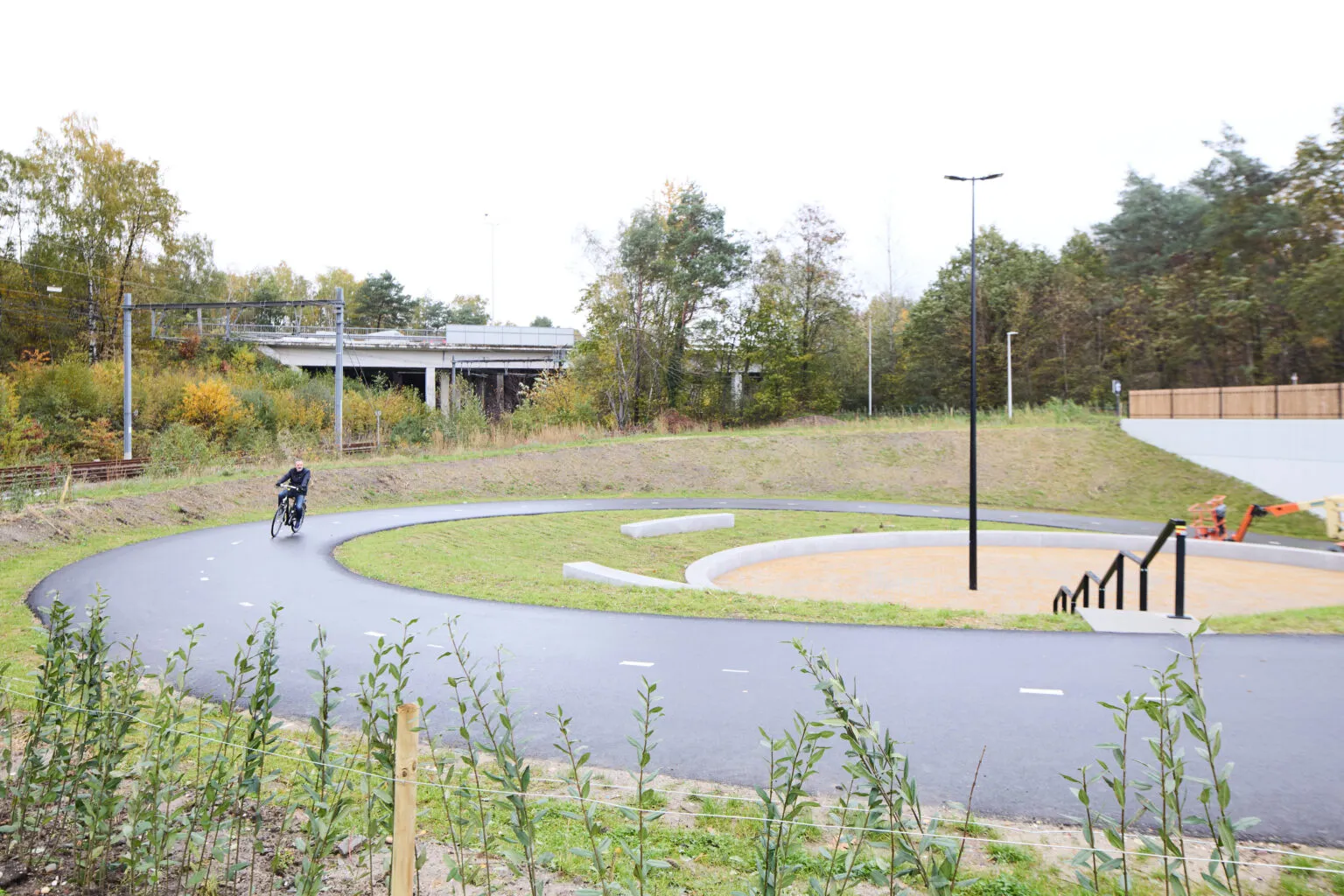
Kolenspoor Cycle Highway, Belgium
Adaptive lighting, ecotunnels and recycled materials limit impacts on species and strengthen regional mobility.
Read more about the Kolenspoor
Avoiding biodiversity loss and reducing costs in road construction, Norway
Reusing existing road corridors and protecting peatlands reduces costs, emissions and habitat disturbance.
Biodiversity strategy, Eindhoven municipality
Eindhoven works with organisations, businesses and residents, and uses Sweco’s nature point score to assess and improve biodiversity scientifically.
“With the Kolenspoor, we show how multidisciplinary collaboration leads to sustainable, future-oriented solutions. This cycle route is not just a mobility corridor, but also an example of ecological integration and innovative use of materials.”
Maarten Remans, Team Manager Roads
From awareness to action
The report shows that biodiversity makes a real difference when it is taken into account from the start of a project. Early ecological input, cross-sector collaboration and nature-inclusive design ensure that good intentions are translated into coordinated measures that enhance nature. To meet international biodiversity targets, all development projects must accelerate and put biodiversity centre stage, including in policy, budgets and planning.
By embracing the complexity of nature and designing for both ecosystems and people, European infrastructure can evolve from a source of environmental pressure into a driver of restoration, innovation and sustainable value creation.
Question about this story? Ask your question
Keep following this
Get an email when a new story is published. No account needed.
- ThemeSpace for water and green infrastructure
- SubjectGeneral







