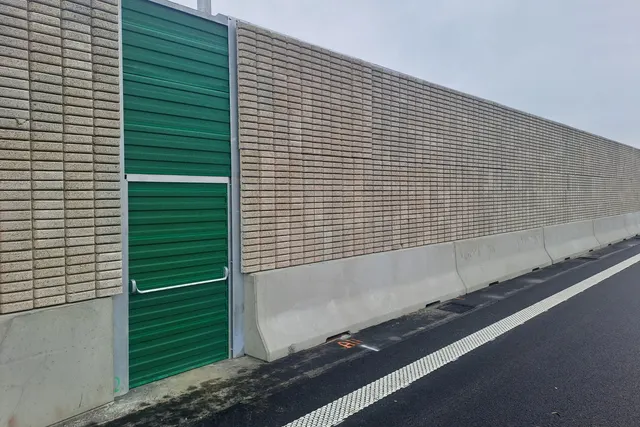
N70 works in Melsele now in full swing
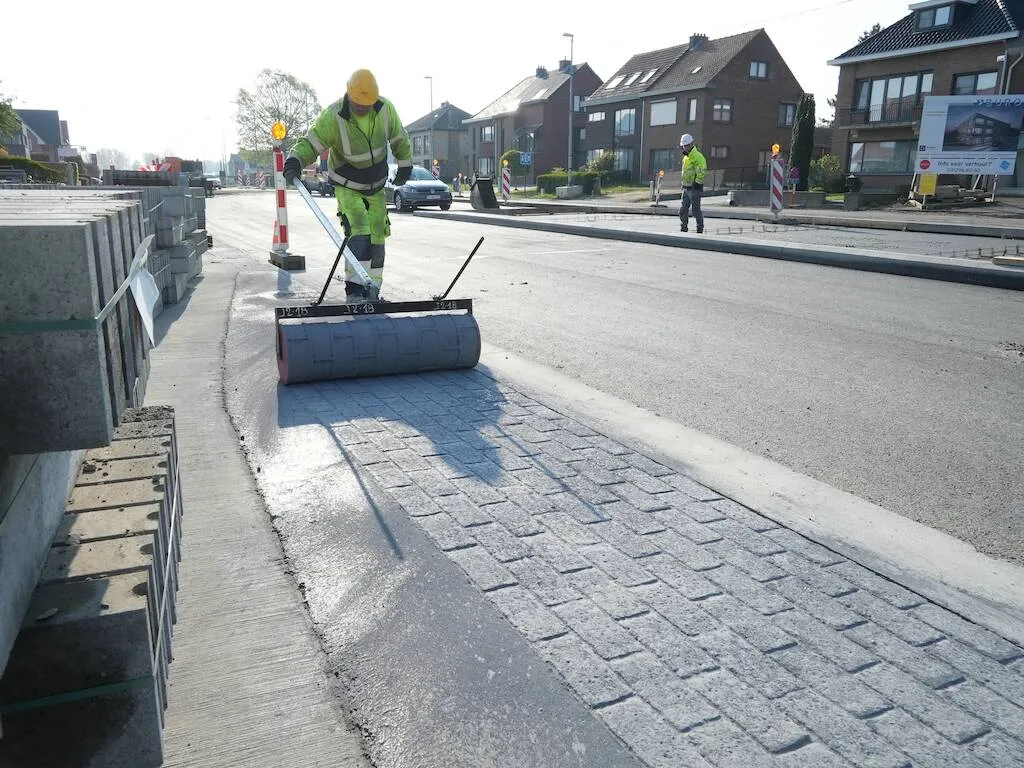
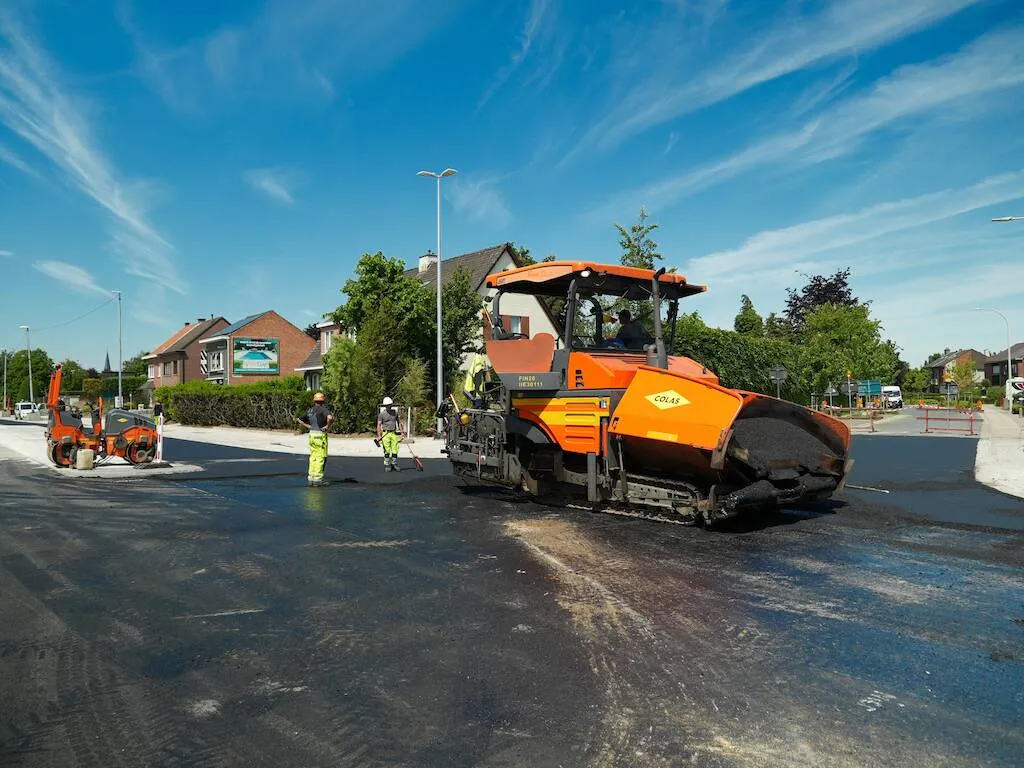
Work on De Vesten and Grote Baan, both better known as the N70, in Melsele is currently in full swing. The regional road is undergoing a major transformation over a distance of around 2 kilometres. The redesign places due emphasis on the safety of all road users. Colas Belgium is carrying out the works.
The project area covers the N70 from Essendreef to just beyond the junction with Burggravenstraat/Snoeckstraat. Work on the regional road began on 19 January this year, following earlier utility works, and is due to continue until the end of next year. The project includes reconstruction of the entire road surface and measures to improve liveability and safety. These include new cycle paths and footpaths on both sides of the road, roundabouts, bus lanes and signal-controlled bus crossings at the roundabouts, bus stops with raised platforms and cycle parking, several crossing points for cyclists and pedestrians with central refuges for crossing in two stages, parking bays and extensive greenery along the route.
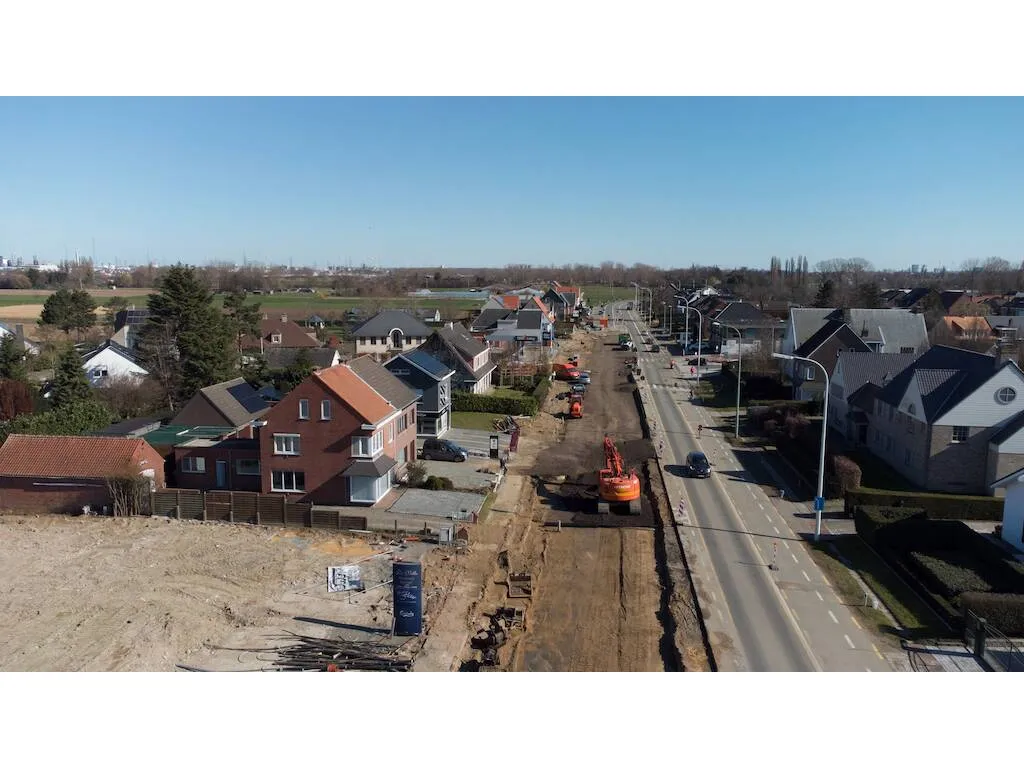
Work carried out in phases
Colas Belgium, part of the Colas Group, a world leader in the construction and maintenance of transport infrastructure, is carrying out all road and drainage works on behalf of the Agentschap Wegen en Verkeer and the municipality of Beveren. “The N70 won’t be dug up all at once,” explains Maarten Van Laere, project manager for Colas Belgium, describing the works schedule. “To minimise disruption, we’re working in phases: the project area has been divided into 7 smaller work zones. The schedule is designed to complete phases 1, 2, 6 and 7 first, the phases involving the roundabouts. These roundabouts will then serve as turning points when we start the remaining phases at the end of 2021, from the junction with Sint-Elisabethstraat to Carrefour, along the narrower section of the N70.”
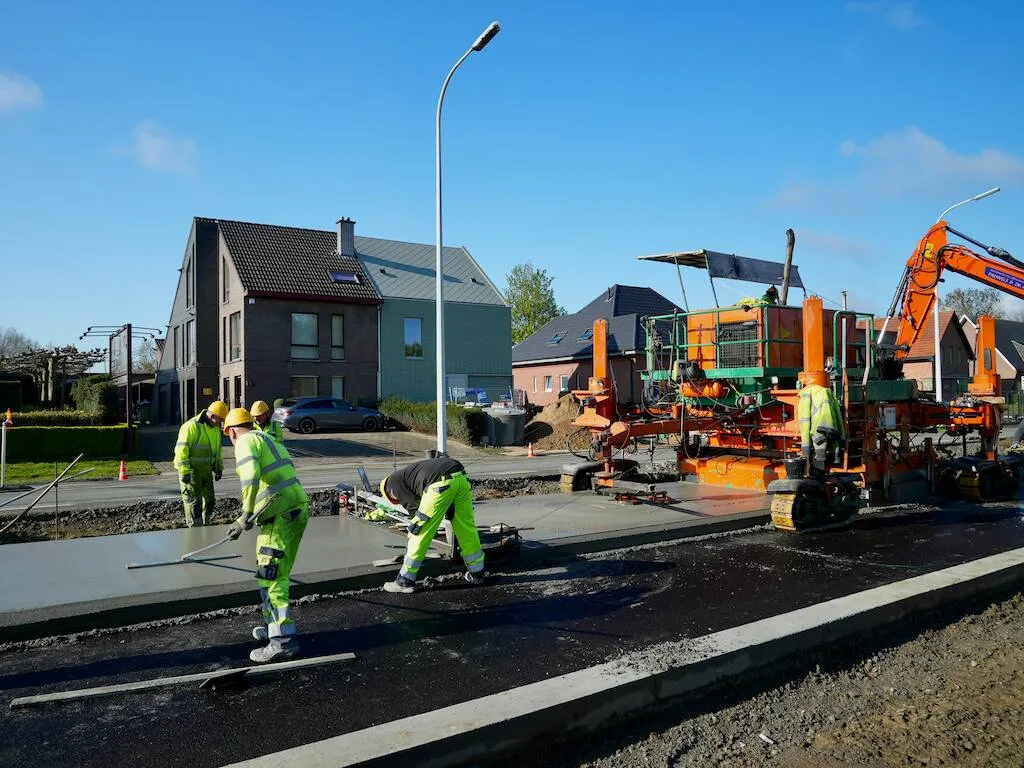
Different types of new road surface
“The N70 will remain accessible to pedestrians and cyclists in both directions throughout the works. During phases 1, 2, 6 and 7, one lane will be available for motor traffic past the works, towards Beveren. Traffic heading to Antwerp will follow a diversion. In phases 3, 4 and 5, the N70 will be completely closed to cars and lorries at the work zone.”
“The concrete road dating from the 1950s or 1960s is being replaced with several types of new road surface,” Van Laere explains, elaborating on the work awarded to his company. “The new carriageway for motor traffic is asphalt, the cycle paths have a concrete surface, and the parking bays and footpaths are paved with setts. The parking bays use a water-permeable type.” Washed bus lanes According to Van Laere, the reconstruction of the N70 in Melsele is a fairly standard project for Colas Belgium. “The most challenging part was probably exposing the aggregate in the concrete bus lane,” he says. “After the concrete has been poured, we apply a surface retarder or setting retarder to prevent the top layer from hardening. A day later, we remove that layer with a high-pressure washer, exposing the stones in the concrete. They give a better finish, but also create a rougher surface, so buses are less likely to skid in wet or slippery conditions.”
Branches throughout Belgium
According to Van Laere, the project gives Colas Belgium the opportunity to draw on one of its greatest strengths. “Projects of this scale require a lot of staff, but our company is large enough, with branches throughout Belgium, so clients never need to worry that we can’t handle the logistics of the job.” “I’d also like to mention,” he concludes, “that we’re very pleased with the smooth cooperation both with our clients, the Agentschap Wegen en Verkeer and the municipality of Beveren, and with the designer, Irtas.”
Question about this story? Ask your question
Keep following this
Get an email when a new story is published. No account needed.
- ThemeFuture-proofing roads and railways
- SubjectRoad construction