Execution certification for ‘laying mastic asphalt’ takes shape

Efforts by all the parties involved to develop and implement execution certification, for example under the COPRO.EXE label, are increasingly bearing fruit. Execution certification for sealing and protection with mastic asphalt is also gradually taking shape. “Calls from within the sector for the inspection process to cover the entire chain, from product to execution, are growing ever louder. Execution certification is therefore high on COPRO’s list of priorities today,” says Andie Dedoncker, Certification Manager at COPRO.
To distinguish it clearly from product certification, a separate COPRO.EXE mark was registered. The COPRO.EXE mark is a voluntary collective mark owned by COPRO, and confirms confidence in the execution (EXEcute). Other certification bodies use the same ‘.EXE’ suffix for execution certification. Execution certification currently applies to the removal of tar-containing asphalt, the installation of crash barriers, the construction of underground infiltration facilities and the application of waterproofing systems.
Mastic asphalt
The latest development is a certificate for installing a sealing layer and a protective layer in mastic asphalt. The certification regulations BRS 8001 were approved by the advisory council at the end of December 2021, and the final steps are now being taken to complete the certificate. Choosing execution certification for sealing and protection with mastic asphalt is a logical step. Andie Dedoncker: “The steering group, which represents all stakeholders (public authorities, users, contractors and experts), identified a number of test cases, including the application of mastic asphalt. Several parties, including clients Aquafin, Farys, Infrabel and the Agency for Roads and Traffic, were involved and discussed the main risks associated with laying mastic asphalt. In particular, sealing and protecting structures such as bridge decks and car park roofs can cause major problems if the work is not carried out in accordance with the specifications. This can have a significant impact on the structure’s service life.”
Technical requirements
The process to develop this execution certification began around five years ago. Andie Dedoncker: “There was an extensive study phase and numerous discussions with the steering group, ultimately resulting in technical requirements supported by all parties. The advisory council then finalised all the documents in detail. That work has now been completed, and all the requirements have been approved by the stakeholders. The same applies to the Specific Certification Regulations, BRS 8001, which set out the quality requirements, the inspections to be carried out by the contractor and COPRO, and how often they must take place.” The technical requirements for execution certification of a mastic asphalt sealing layer are set out in PTV 8001-1. The technical requirements for execution certification of a mastic asphalt protective layer are set out in PTV 8001-2.
Online information session
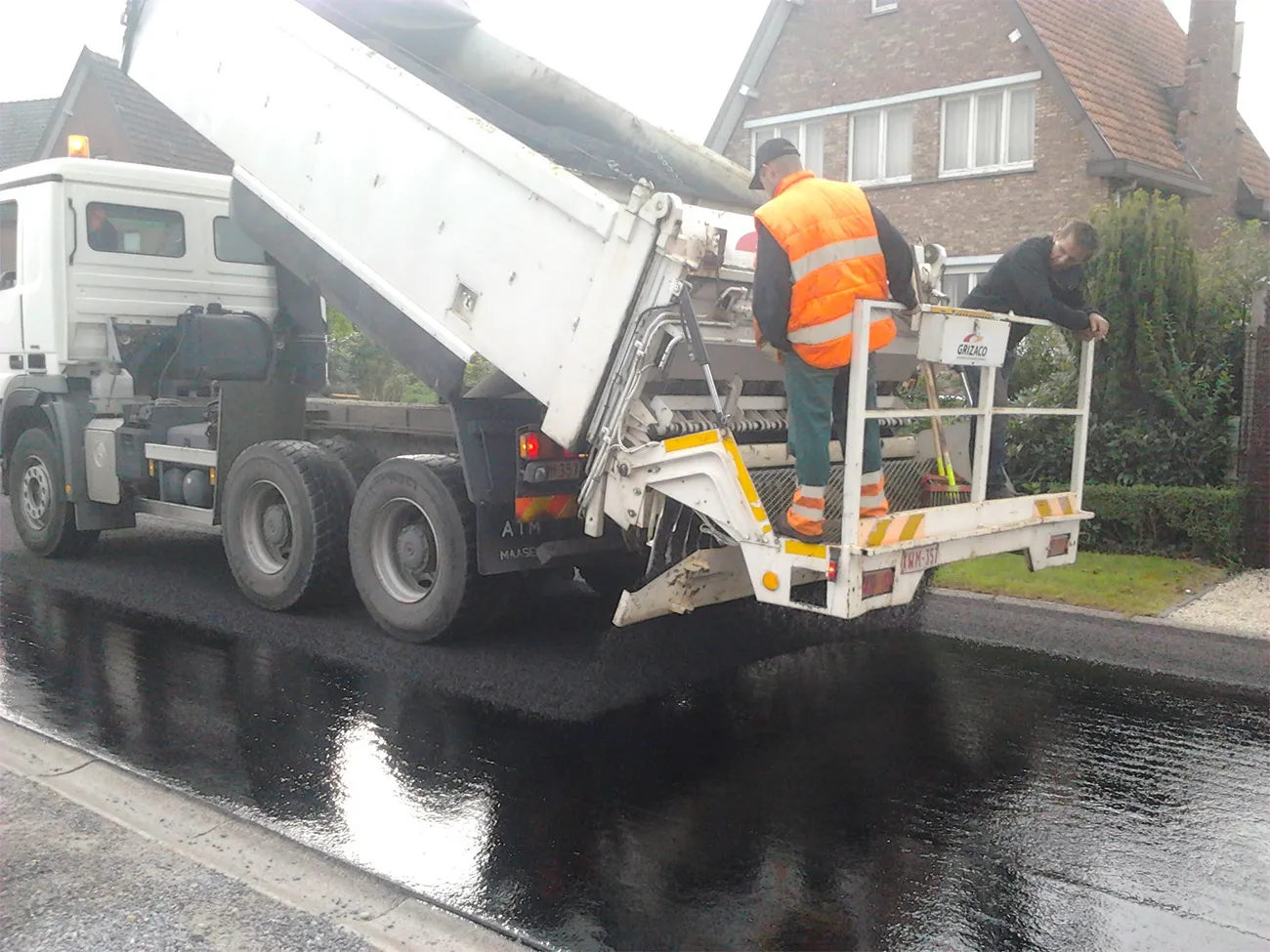
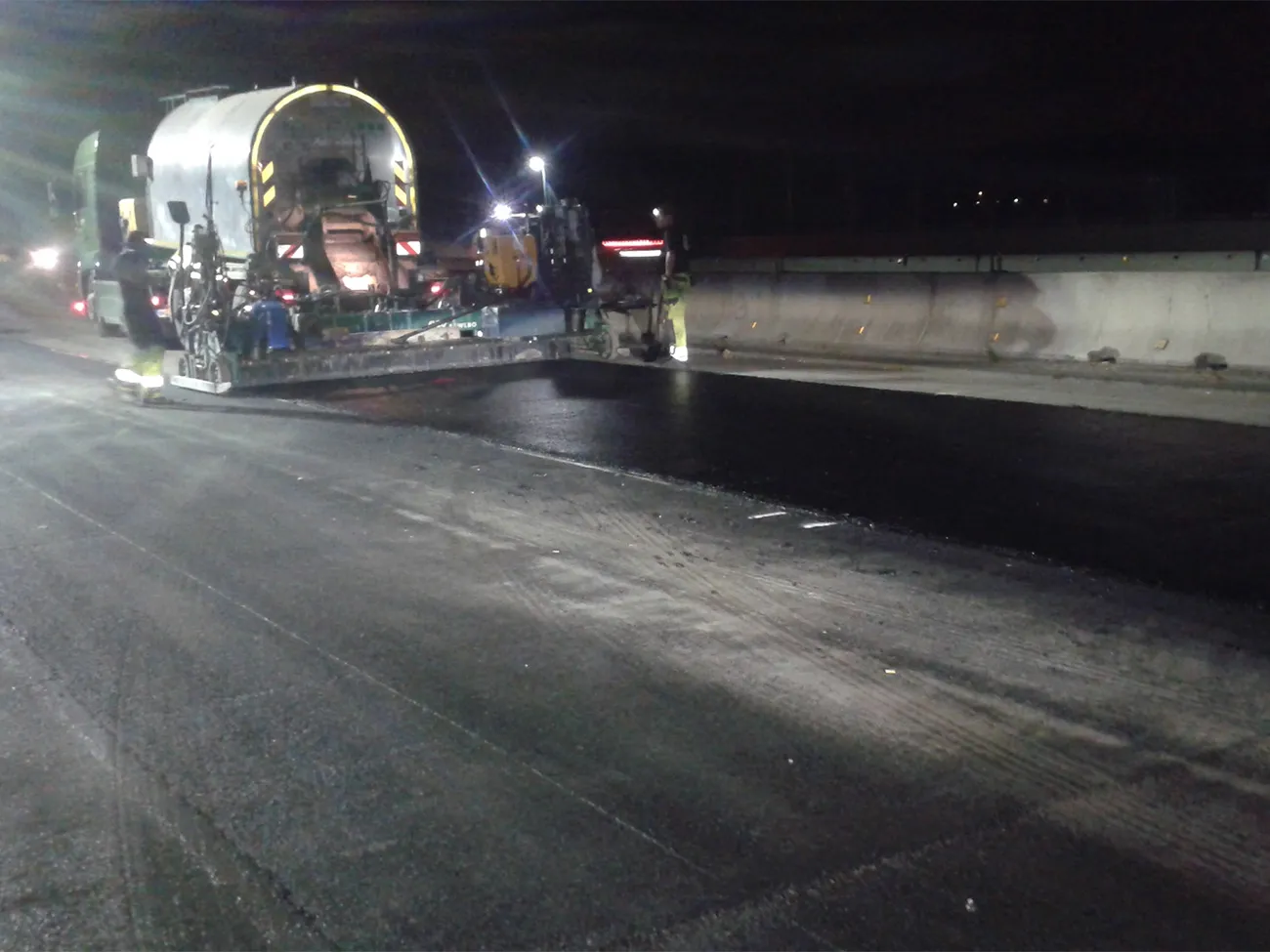
On Tuesday 18 January, COPRO held an online information session on ‘execution certification for the application of mastic asphalt’, focusing specifically on applying the mastic asphalt sealing and protective layers. The session informed contractors about the certification and certification process. “The execution covered by the certification is the application of mastic asphalt, including its transport and any preparatory activities, such as applying primer and a separation layer,” Andie Dedoncker explained. The requirements, inspection mechanism and certification process were also discussed in detail during the session.
Training
The online information session also briefly covered the training course to be organised in February and March by OCW in collaboration with the Belgian Gietasfalt Organisatie (BGO). One of the requirements for obtaining the COPRO.EXE mark for installing a sealing and protective layer is that the foreman completes specific training. The course covers the topics set out in the PTV and includes both theoretical and practical components. Within twelve months of applying for certification and completing the theoretical component, the contractor must carry out work on site. “We will use this combination of an online information session followed by training again in the future. Another information session on execution certification for underground infiltration is already planned for later this spring,” concludes Andie Dedoncker.
Een zakelijke vraag aan Copro? Get in touch
Companies in this story

Keep following this
Get an email when a new story is published. No account needed.
- ThemeMaterials with a lower environmental impact
- SubjectRoad construction
- CompanyCopro