European first: Heijmans introduces self-driving asphalt roller
“This is an important step in automating road construction”
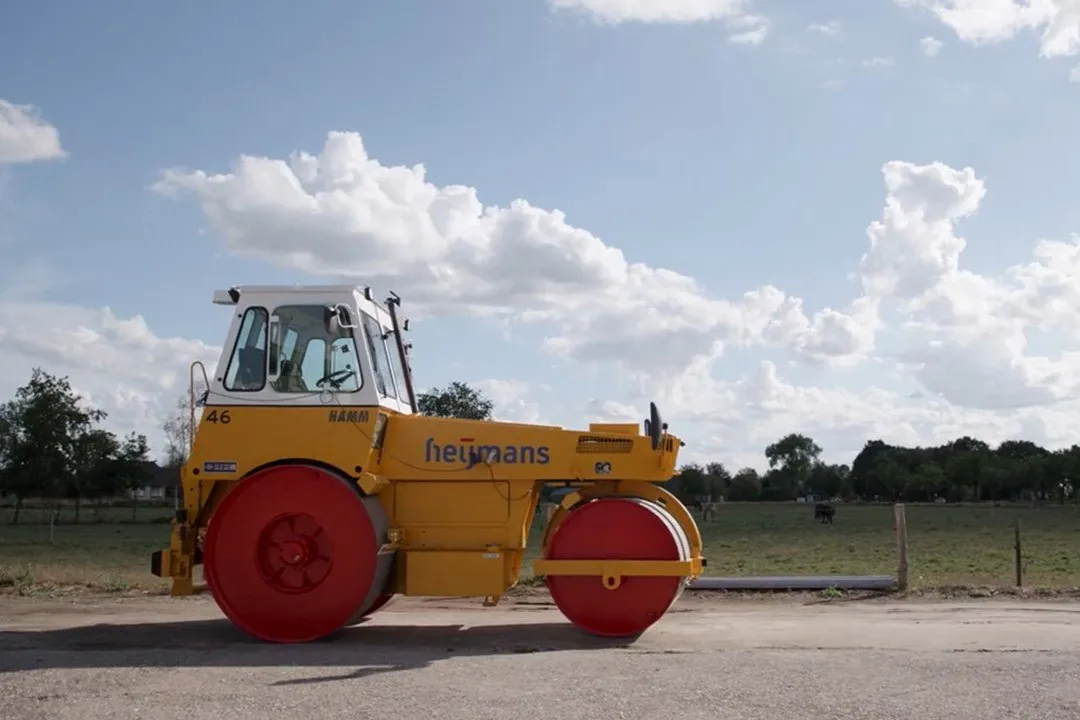
Construction company Heijmans today announces the arrival of Europe’s first self-driving electric asphalt roller. With this prototype, Heijmans is taking an important first step in automating road construction, which is necessary because of emerging labour shortages. The innovation makes work smarter and safer. It also fits with Heijmans’ ambition to work emissions-free.
Responding to major challenges
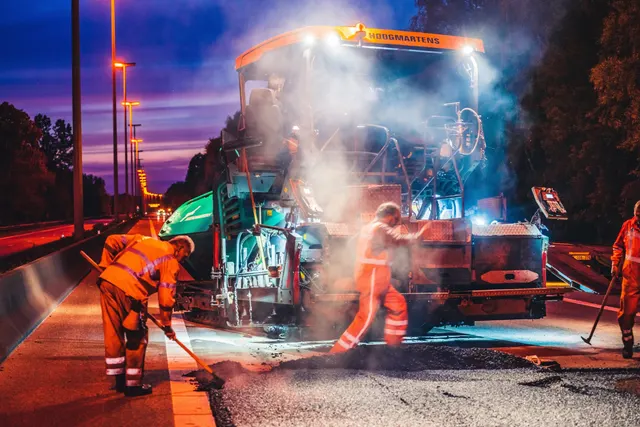
The availability and quality of Dutch infrastructure are under pressure. An ageing workforce is leading to a shortage of skilled workers. This creates challenges, while the societal demands on Dutch infrastructure and sustainability continue to grow. Heijmans sees smarter working as the key: by putting digitalisation and automation at the heart of what we do, we increase the impact of each employee and make work processes safer and more consistent.
How the roller works
The electric roller operates autonomously using instructions entered in advance, monitors the asphalt temperature and continuously oversees the paving process. An operator prepares the asphalt works digitally and controls the machine remotely. This means fewer people need to be physically present on the asphalt, significantly reducing the risk of being struck by machinery. It also ensures consistently high-quality work.
“With the introduction of the self-driving roller, we are showing how technology helps us work smarter and more safely. We reduce the risks for our road workers, maintain high quality and use it emissions-free. We can also continue to meet future demand for road maintenance in the Netherlands, says Bart Smolders, Managing Director of Infra at Heijmans.”
This innovation fits seamlessly with Heijmans’ strategy for 2030. The self-driving asphalt roller supports the strategic pillar of Deliverability, while also contributing to the Sustainability pillar. At the same time, it reduces the risk of accidents, contributing to safety on construction sites. The roller is also equipped with automatic emergency braking assistance.
Demo at Schiphol
The prototype has now been tested successfully and is ready for a demo at Schiphol on 27 October this year. The next step is to scale up to an initial industrialised version. We expect to have the first roller operational within our asphalt crew in the first half of 2026. We are also looking at extending the technology to other machines in the asphalt process, such as the paver. In time, two operators could control several machines simultaneously. However, we are taking a careful, step-by-step approach. In the longer term, it should be possible to halve the number of people in asphalt crews.
This breakthrough will make it possible to deliver road construction projects more intelligently and efficiently, helping to build a future-proof Netherlands.
Heijmans is working with innovative robotics company Avular on this project.
Question about this story? Ask your question
Keep following this
Get an email when a new story is published. No account needed.
- ThemeFuture-proofing roads and railways
- SubjectRoad construction