5 years of BENOR road concrete: a milestone
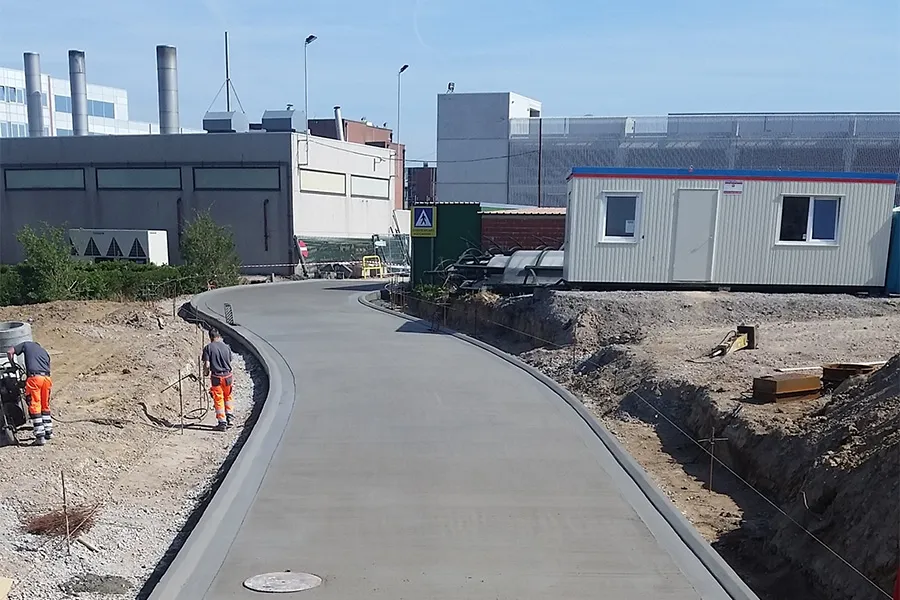
For both public and private projects, the BENOR mark has provided quality assurance for a wide range of construction products for more than 50 years. With the introduction of Standard Specification 250, version 3.1, in 2014, the Flemish Region took the lead in the BENOR certification of cement concrete pavements and linear elements. Five years later, 37 production sites across Flanders offer BENOR-certified road concrete, demonstrating its added value for quality and sustainability to the various stakeholders.
“When the scheme was launched five years ago, COPRO was entrusted with implementing the BENOR certification in practice, having been appointed for this purpose by the BENOR non-profit association as the sectoral organisation (OSO),” explains Luc Verbustel, certification manager at COPRO. Together with BE-CERT, COPRO also acts as the certification body (OCI).
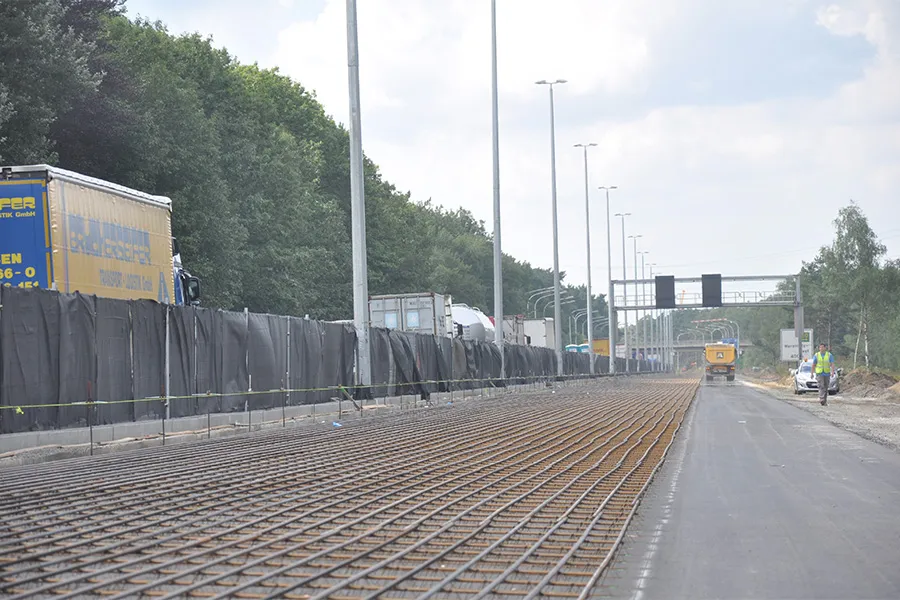
A Sectoral Commission was also set up, with the various stakeholders, including public authorities, contractors, producers and experts, and with support from BE-CERT. It draws up and continually improves the specifications (PTV 850) and regulations (TRA 50, RNR50-1, RNR50-2). Luc Verbustel explains: “These regulations cover ‘full’ product certification, which focuses on product quality and conformity. For products for which all test results are not available at the time of delivery, it is essential to check the production system. Self-inspection, supplemented by independent supervision from the inspection body, can prevent non-compliant results after installation. Certification must therefore cover every necessary aspect, from checking raw materials, preliminary studies and production control through to inspection of the finished products.”
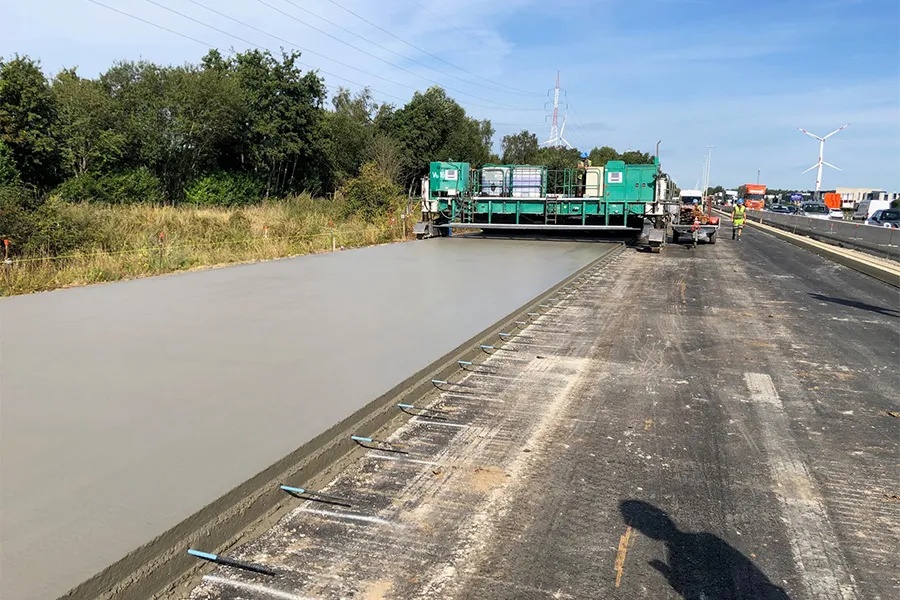
A stronger reputation
The certificate reinforces concrete’s reputation as a durable, low-maintenance solution for road construction. Luc Verbustel explains: “An important element of certification is the preliminary study of concrete mixes, in which both the types of raw materials and the properties of fresh and hardened concrete are recorded in a substantiation report. This study specifically assesses the durability of road concrete by determining its resistance to freeze-thaw cycles with de-icing salts. Once the certification body has approved the substantiation report, the mix is registered with the authorities and the producer prepares a technical data sheet using a template. This can then be consulted on the extranet.”
This certification has now been in place for five years, and 37 production sites have obtained the BENOR mark for road concrete. In the meantime, 475 mixes have been certified and registered. “The certified producers are not only very well distributed across Flanders geographically, they also offer mixes across the different construction classes, as well as mixes for linear elements,” says Luc Verbustel. “This means quality road concrete is available throughout Flanders. Several of these mixes also contain circular materials, such as high-quality recycled concrete aggregate. This also responds to the growing trend towards circularity in the construction industry.”
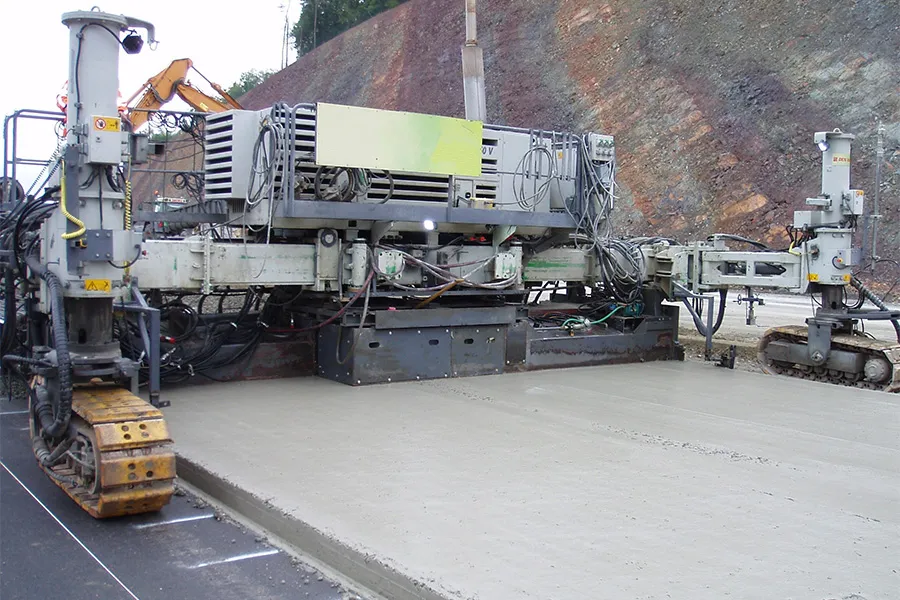
On the rise
Production of certified road concrete is on the rise. Last year, approximately 200,000 m³ of certified road concrete was supplied in Flanders. The number of producers applying for the BENOR mark continues to grow. Luc Verbustel explains: “Clients who specify certified and registered concrete mixes in their tender documents naturally continue to have an important role to play. During the works, it must also be checked that the specified concrete mix is correctly supplied and placed. This check is relatively straightforward: the quick-response code on the delivery note can be used to download the technical data sheet for each mix from the Extranet.”
As primary raw materials become scarcer in the sector and climate ambitions grow, the next step is to explore the use of sustainable substitute materials. “The first priorities are to increase the replacement rates for high-quality recycled concrete aggregate and expand the applications for concrete mixes that use it, as well as to use other binders …” concludes Luc Verbustel. ■
Een zakelijke vraag aan Copro? Get in touch
Companies in this story

Keep following this
Get an email when a new story is published. No account needed.
- ThemeMaterials with a lower environmental impact
- SubjectRoad construction
- CompanyCopro
- CompanyPROCERTUS