Sustainable construction with steel sheet piles
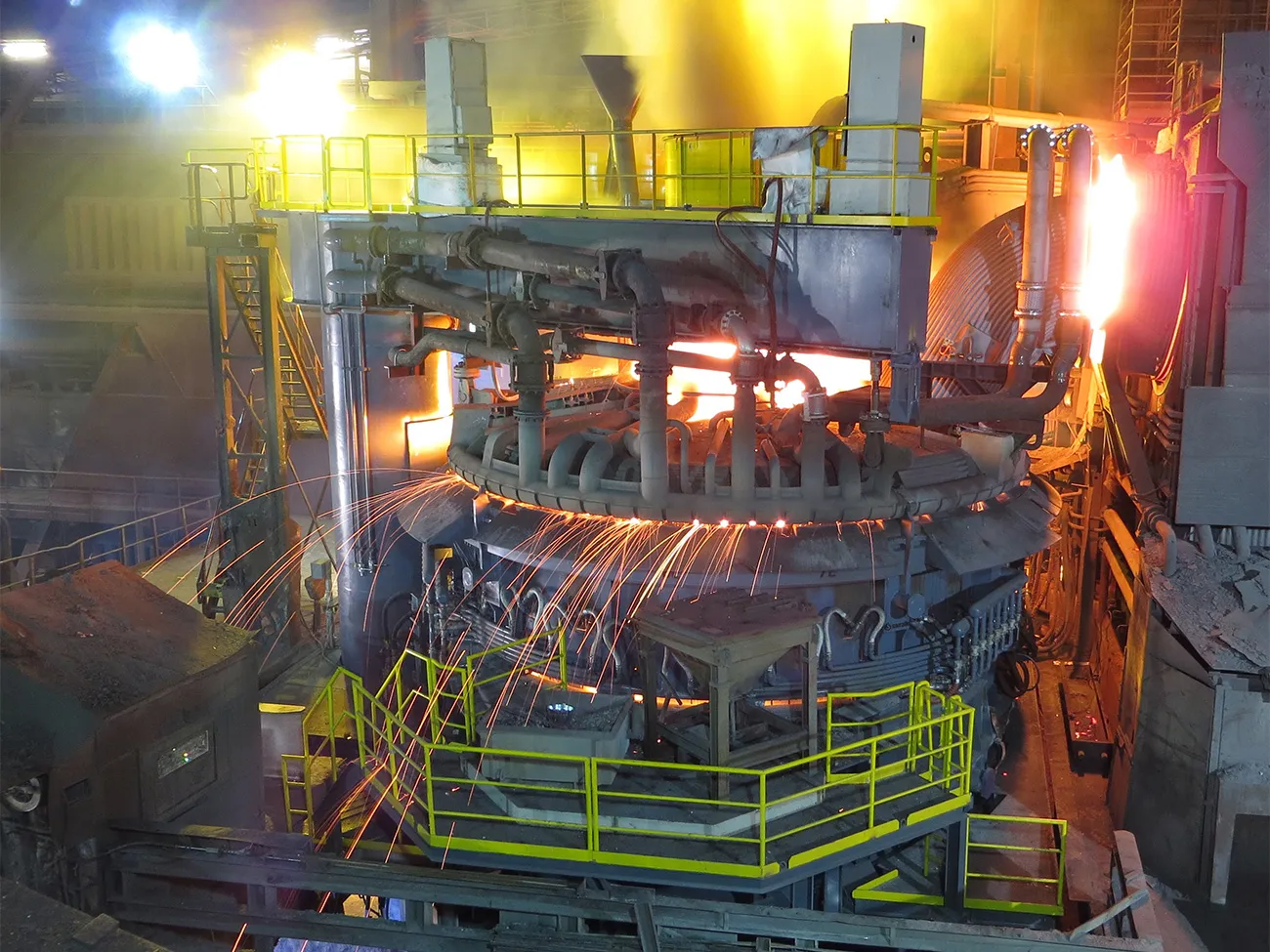
Sustainability has never been more important in the global construction industry. Yet energy-intensive sectors such as the steel industry have a poor reputation when it comes to CO2 emissions. This is undeserved: ArcelorMittal’s steelworks in Luxembourg began adopting more environmentally friendly production processes 20 years ago. By switching from blast furnaces to electric arc furnaces, the steel giant has managed to cut CO2 emissions from sheet pile production by 85%.
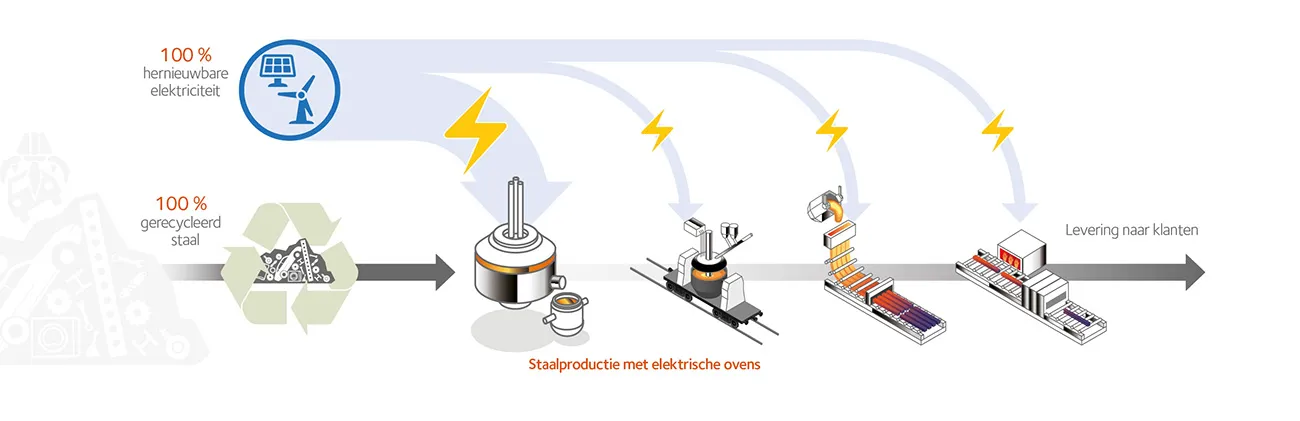
Processing iron ore in blast furnaces releases approximately 2,400 kg CO2-eq per tonne of steel. At the end of the last century, ArcelorMittal’s steelworks in Luxembourg, including the sheet pile plant in Belval, switched to steel production using electric arc furnaces. This production technique cuts energy consumption by more than 50%. It also eliminates the need for coal as an energy source, drastically reducing CO2 emissions. The start of an environmentally friendly transformation!
A milestone in circularity
From then on, steel was produced using recycled steel as a raw material, making a significant contribution to the circular economy. Sheet piles can also be reused. In temporary applications such as retaining walls for excavations, sheet piles can be extracted after use and reused later. Depending on the type and application, they can be reused up to ten times. Companies can choose hire or buy-back arrangements. This is a major contribution to the circular approach.
Eco sheet piles
In 2018, ArcelorMittal launched sheet piles under the EcoSheetPileTM label. Their production is characterised by low emissions of just 520 kg CO2-eq per tonne of finished product. This represents a reduction in CO2 emissions of almost 80% compared with the blast furnace production process. The Environmental Product Declaration (EPD) certificate confirms the product’s favourable environmental performance, based on production in electric arc furnaces using 100% recycled steel.
The circular transition
This year, ArcelorMittal is raising the bar further with its new EcoSheetPile PlusTM range. Production uses 100% renewable energy, reducing the carbon footprint even further to just 370 kg CO2-eq per tonne of sheet piles (GWP, production stages A1-A3). This is around 30% lower than for the EcoSheetPile™ range and delivers 85% lower emissions than sheet piles made using conventional blast furnace steel production.
Focus on reuse, recycle and reduce
There is no doubt that the EcoSheetPile range sets the benchmark for sustainability and circularity. Over the years, it has been systematically optimised to withstand the same loads with less steel. This has been achieved by improving the geometry of the sheet piles and developing higher-strength steel grades. Over the past fifty years, this has resulted in a weight saving of approximately 50%. The result of years of research and development. Using less steel as a raw material means a smaller environmental impact. And so the sustainability cycle is complete.

The ultimate sustainability test
A fact check for civil engineering applications. How do EcoSheetPileTM sheet piles compare with concrete-based earth and water retaining structures? They pass the sustainability test with flying colours! “Independent impact studies for hydraulic engineering and infrastructure projects show that innovative designs using the EcoSheetPileTM ranges can reduce greenhouse gas emissions by up to 58% across the full LCA scope, from cradle to grave, compared with conventional construction methods,” explains Johan Branders, Technical Sales Engineer. The recent launch of the EcoSheetPile PlusTM range will improve this result considerably.
In short, ArcelorMittal’s sustainability strategy delivers solutions for a greener world.
Question about this story? Ask your question
Keep following this
Get an email when a new story is published. No account needed.
- SubjectYearbook